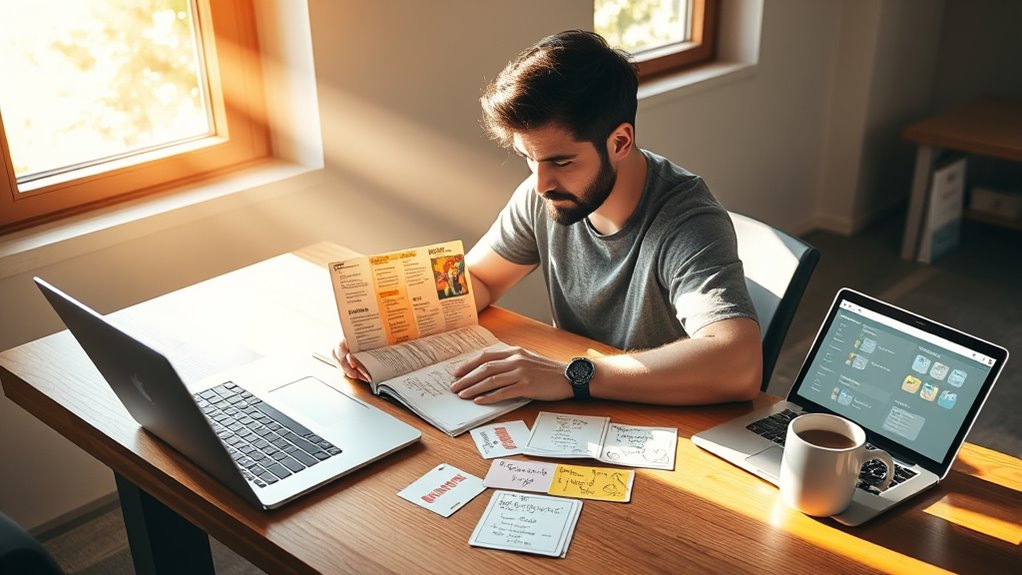

To learn a new language as an adult, immerse yourself in the culture by listening to media, changing your device settings, and labeling objects around you. Practice pronunciation by mimicking native speakers and repeating phrases aloud. Stay patient and persistent, making the language part of your daily routines. Consistent effort and active engagement speed up your progress and build confidence. Keep exploring these strategies, and you’ll discover more effective ways to become fluent.
Key Takeaways
- Immerse yourself in the language through music, movies, podcasts, and changing device settings to reinforce vocabulary.
- Practice pronunciation regularly by mimicking native speakers and focusing on intonation, rhythm, and stress.
- Create an immersive environment at home by labeling objects and engaging with native content to foster natural language use.
- Be patient and persistent, maintaining active engagement and making learning enjoyable to sustain motivation.
- Combine immersive experiences with pronunciation practice to accelerate fluency and deepen cultural understanding.

Have you ever wondered how learning a new language can transform your life? It’s more than just memorizing vocabulary or mastering grammar rules; it’s about immersing yourself in the culture and actively engaging with the language every day. One of the most effective ways to accelerate your progress is through language immersion. This doesn’t mean you have to move to a foreign country, but you can create an immersive environment wherever you are. Listen to music, watch movies, or follow podcasts in your target language. Change your phone and social media settings to use the language. Even labeling objects around your home helps reinforce vocabulary. The goal is to surround yourself with the language as much as possible, making it a natural part of your daily routine. This constant exposure helps your brain become more familiar with the sounds and patterns, speeding up your learning process. Additionally, understanding city dynamics can help you connect more deeply with native speakers and local communities, enriching your language experience.
Pronunciation practice is another essential component of becoming fluent. Many adult learners struggle with sounds that aren’t present in their native language, which can hinder understanding and speaking confidence. To improve, dedicate time regularly to mimic native speakers—use recordings, language apps, or conversation partners. Focus on the intonation, rhythm, and stress of words, as these elements are crucial for clear communication. Don’t be afraid to make mistakes; they’re an integral part of learning. Repeating phrases aloud, shadowing recordings, or practicing with native speakers can markedly boost your pronunciation skills. Over time, you’ll notice that your accent becomes more authentic, and you’ll feel more comfortable engaging in conversations. Remember, pronunciation isn’t just about sounding correct; it’s about being understood and building connections with others.
Combining language immersion with consistent pronunciation practice creates a powerful synergy. When you immerse yourself in the language environment, your ear becomes sharper at discerning sounds, which makes pronunciation practice more effective. Conversely, improving your pronunciation helps you communicate more confidently, encouraging more immersion opportunities. This reciprocal relationship accelerates your overall fluency and deepens your understanding of the language’s nuances. Throughout this journey, stay patient and persistent. Learning a language as an adult can be challenging, but it’s also incredibly rewarding. By actively engaging in immersive experiences and dedicating time to pronunciation, you’ll find yourself making steady progress. Ultimately, the more you surround yourself with the language and practice speaking clearly, the more natural and enjoyable your language learning experience becomes.
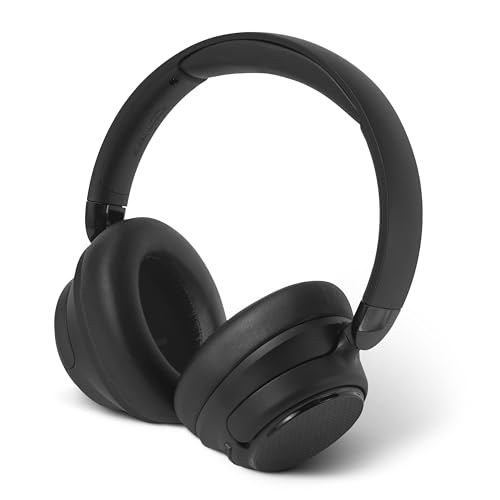
Amazon Basics Hybrid Active Noise Cancelling Headphones, Wireless Bluetooth 5.3, 35 Hours Battery Life with ANC On, 45 Hours with ANC Off, Over Ear Comfortable Fit with Soft Ear Cushions, Black
- Sound Technology: Hybrid ANC with dual 40mm drivers
- Music Modes: Switch between ANC on, Transparency, ANC off
- Bluetooth Version: Bluetooth 5.3 for fast pairing
As an affiliate, we earn on qualifying purchases.
Frequently Asked Questions
How Long Does It Typically Take to Become Fluent?
It typically takes around 6 months to 2 years to become fluent, depending on your dedication and practice. To improve language retention, immerse yourself in the language daily through immersion strategies like conversations, media, and travel. Consistent exposure helps solidify your skills faster. Stay motivated, practice regularly, and use immersion techniques to accelerate your learning process, making fluency more achievable within this timeframe.
What Are the Best Resources for Self-Study?
Think of your language journey as a treasure hunt; the map is filled with valuable resources. You’ll find language apps like Duolingo and Babbel act as your trusty compass, guiding you through vocabulary and grammar. Online courses from platforms like Coursera or Udemy serve as your detailed blueprint. Combine these tools, practice daily, and you’ll uncover the riches of fluency faster and more enjoyably.
How Can I Stay Motivated Throughout the Learning Process?
To stay motivated, you should set clear, achievable goals and celebrate small wins along the way. Use motivational strategies like tracking your progress and rewarding yourself. Find accountability partners who can encourage you and keep you on track. Regularly remind yourself of why you started, and stay flexible—adjust your plan if needed. These steps help you stay committed and energized throughout your language learning journey.
Is It Possible to Learn Multiple Languages at Once?
Yes, you can learn multiple languages at once, but it requires careful planning to achieve multilingual proficiency. To avoid language interference, dedicate specific times and resources to each language and focus on distinct vocabulary and grammar. Regular practice helps reinforce differences and prevents confusion. Stay organized, set clear goals, and be patient—building proficiency in several languages is definitely possible with consistent effort and mindful learning strategies.
What Common Mistakes Do Adult Learners Make?
Oh, the classic adult learner blunder—thinking you’re too old to master pronunciation and overcome age-related challenges! You might ignore pronunciation pitfalls, thinking they’ll fix themselves, but they won’t. Don’t underestimate how age impacts your learning; it can make accents stubborn. Instead, practice consistently, listen intently, and embrace corrections. Avoid these mistakes, and you’ll find yourself speaking more confidently, sidestepping those pesky pronunciation pitfalls and age-related hurdles.

Sony WH-CH720N Wireless Noise Cancelling Over-Ear Headphones, Pink
- Lightweight Design: Weighs only 192g for comfort
- Advanced Noise Cancellation: Dual Noise Sensor Technology with Processor V1
- All-Day Comfort: Super comfortable and lightweight
As an affiliate, we earn on qualifying purchases.
Conclusion
Learning a new language is like planting a garden; with patience, consistent care, and enthusiasm, your skills will flourish over time. Every new word and phrase you master adds a vibrant bloom to your linguistic landscape. Remember, setbacks are just weeds — part of the process. Keep nurturing your curiosity and practice daily. Before long, you’ll see your language skills bloom into a beautiful, thriving garden that opens doors to new cultures and connections.

JLab JBuds Lux ANC, Over Ear Headphones, Active Noise Cancelling, Bluetooth, Limited Edition Navy
- Long Battery Life: 70+ hours total playtime, 40+ hours ANC mode
- High-Quality Sound: 40mm drivers with spatial audio and Dolby Atmos support
- Active Noise Cancelling: Hybrid ANC blocks up to 35dB of noise
As an affiliate, we earn on qualifying purchases.

KVIDIO Active Noise Cancelling Headphones, 70 Hours Playtime Bluetooth Headphones Wireless with Microphone, Transparency Mode, Deep Bass and Hi-Fi Stereo Sound Over Ear for Travel Office
- Noise Cancelling Technology: Blocks up to 95% of ambient noise
- Extended Playtime: Up to 70 hours with quick charge
- Fast Charging Support: 5-minute charge for 4 hours playback
As an affiliate, we earn on qualifying purchases.