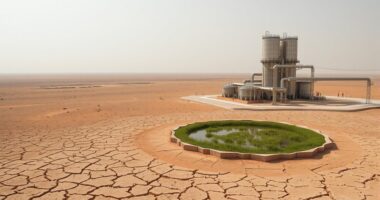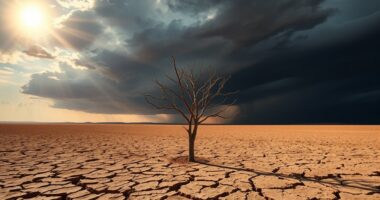

The Loss and Damage Fund is designed to help communities recover from climate disasters by providing essential financial support. It targets those most affected, especially vulnerable and marginalized populations, especially in small island nations and farming areas. While efforts aim for wealthy nations and corporations to contribute, securing adequate funding remains a challenge. If you want to understand how this fund promotes climate justice and addresses global responsibility, you’ll find more insights ahead.

Get audio and creator gear delivered free — and shop member deals
- Fast, free delivery on millions of items
- Access to Prime Big Deal Days deals on October 6–7
- Prime Video, Amazon Music and more included
Key Takeaways
- The Loss and Damage Fund provides financial support to help vulnerable communities recover from climate-related disasters.
- It addresses costs beyond traditional insurance and adaptation, focusing on irreversible climate damages.
- Wealthy nations are expected to make substantial, predictable financial commitments to sustain the fund.
- The fund promotes climate justice by prioritizing support for marginalized and most-affected populations.
- Effective funding is crucial for fostering resilience and ensuring fair climate recovery efforts worldwide.

Have you ever wondered how vulnerable communities cope with the impacts of climate change they can’t avoid? These communities often face devastating losses from extreme weather events, rising sea levels, and unpredictable disasters. The challenge is that they lack the resources to recover fully, which is where the concept of a Loss and Damage Fund comes into play. This fund aims to provide financial support to help nations and communities rebuild after climate-related disasters, emphasizing the importance of climate justice. Climate justice insists that those least responsible for emissions—often the poorest and most marginalized—should not bear the brunt of climate impacts alone. Instead, wealthy nations and corporations need to make meaningful financial commitments to address these disparities and support vulnerable populations.
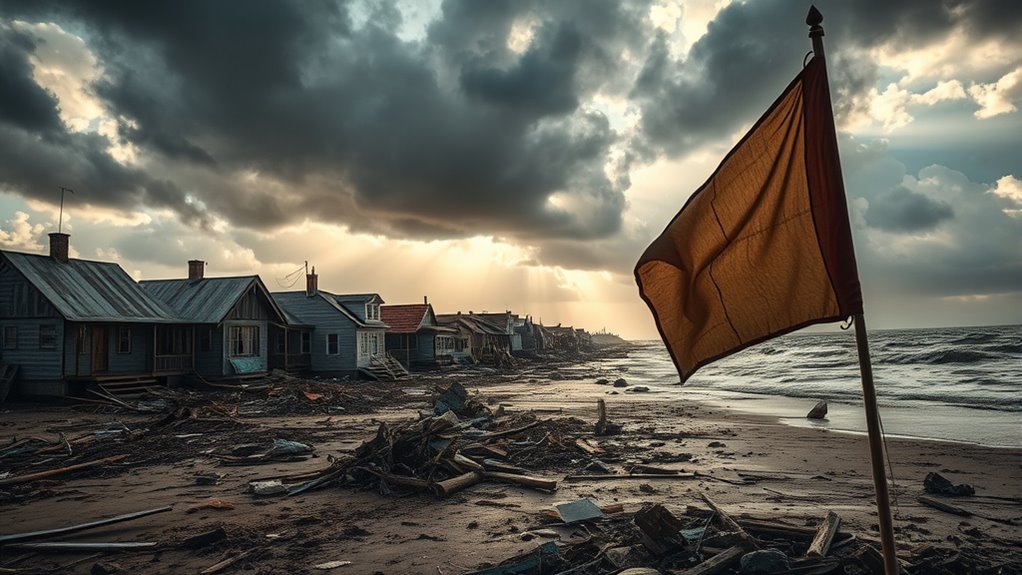
The core idea behind the Loss and Damage Fund is to ensure that those suffering the most are not left to fend for themselves in the aftermath of climate crises. When a cyclone devastates a small island nation or drought cripples farming communities, the fund offers a lifeline. It’s designed to cover costs that are not addressed by traditional climate adaptation efforts or insurance schemes. This includes expenses related to displacement, health impacts, and ecosystem destruction. By establishing a dedicated financial mechanism, the fund recognizes that climate change isn’t just about preventing future risks but also about addressing the irreversible damage already inflicted. Additionally, funding mechanisms play a crucial role in ensuring sustainable climate recovery.
Securing adequate financial commitments from developed nations remains a critical challenge. Many countries acknowledge the moral and ethical obligation to contribute, yet actual commitments often fall short. When wealthier nations pledge funds, it can sometimes be insufficient, delayed, or tied to conditions that limit their effectiveness. This creates a gap between the needs of vulnerable communities and the resources allocated to support them. To bridge this divide, ongoing negotiations emphasize the importance of predictable, transparent, and adequate funding. Only through firm financial commitments can the Loss and Damage Fund truly serve as a tool for climate justice, ensuring that those most impacted receive the support they deserve.
Ultimately, addressing loss and damage requires more than just money; it demands a collective acknowledgment of global responsibility. By prioritizing climate justice and making sustained financial commitments, the international community can help vulnerable communities bounce back stronger. The fund represents a step toward fairness, ensuring that climate change does not deepen existing inequalities but instead fosters resilience and recovery for all.
Frequently Asked Questions
How Will Funds Be Allocated Among Climate-Affected Countries?
You’ll see funds allocated based on the severity of climate impacts, prioritizing disaster response and rebuilding community resilience. Countries most affected by climate disasters will receive more support to address urgent needs and bolster their defenses against future events. This approach guarantees resources target immediate recovery efforts and long-term resilience-building, helping communities recover faster and better prepare for ongoing climate challenges.
What Criteria Determine Eligibility for Receiving Loss and Damage Assistance?
You’re eligible for loss and damage assistance if your country demonstrates vulnerabilities due to climate change impacts, such as extreme weather events or slow-onset disasters. The criteria focus on your climate resilience and disaster preparedness levels, emphasizing the urgency to support nations most at risk. Your country’s history of climate-related losses, adaptation capacity, and efforts to strengthen resilience are key factors in determining your eligibility for funding.
How Is the Fund’s Long-Term Financial Sustainability Ensured?
You can guarantee the fund’s long-term financial sustainability through effective financial management and risk mitigation strategies. By diversifying funding sources, implementing strict oversight, and establishing contingency reserves, you reduce financial risks. Regularly reviewing and adjusting policies helps adapt to changing needs and economic conditions. These proactive measures enable the fund to remain resilient, providing ongoing support for climate recovery efforts, even amid unpredictable climate impacts.
Are There Mechanisms for Transparent Monitoring of Fund Usage?
You’ll find transparency mechanisms and oversight procedures act like your watchdogs, ensuring the fund’s actions stay clear and accountable. Regular audits, public reporting, and independent reviews serve as your eyes and ears, keeping an eye on how funds are used and preventing misuse. These measures create a transparent pathway, so every dollar goes where it’s needed, giving you confidence that climate recovery efforts are genuinely progressing.
How Does the Fund Complement Existing Climate Finance Initiatives?
You can see the fund complements existing climate finance initiatives by focusing on climate adaptation and risk mitigation, addressing losses caused by climate impacts. It fills gaps by providing targeted support for vulnerable communities, helping them recover and build resilience. This combined approach enhances overall climate resilience, ensuring that resources reach those most in need and strengthening global efforts to manage climate-related risks effectively.
Conclusion
By backing the Loss and Damage Fund, you help build a brighter, balanced future. Your support sparks swift, sustainable solutions, stopping suffering and securing safety. Together, we can create a resilient, responsible response to climate crises, turning tears into triumphs. Let’s lead the charge, leveraging hope, healing, and hopefulness. With your commitment, we can craft a climate-conscious community where damage diminishes, and dreams of a durable, dependable tomorrow take shape.
Fall Picks
fall essentials
As an affiliate, we earn on qualifying purchases.