Many new wearable buyers believe sensors provide perfectly accurate health data, but that’s a misconception. External factors like skin tone, movement, ambient light, and environmental interference often skew results. Sensors are designed to give general trends, not exact measurements. Understanding these limitations helps you use your device effectively without overconfidence. If you keep exploring, you’ll discover how to interpret data wisely and set realistic expectations for your wearable tech.
Key Takeaways
- Many wearables claim high accuracy, but sensors are inherently affected by skin tone, movement, and environmental factors.
- Optical heart rate sensors can be unreliable for certain skin tones and wrist positions.
- GPS accuracy varies with obstacles like buildings and dense foliage, often giving approximate locations.
- Sensor data should be viewed as trend indicators, not exact measurements, to avoid overconfidence.
- Regular calibration and awareness of limitations improve understanding, but perfect accuracy remains unattainable.
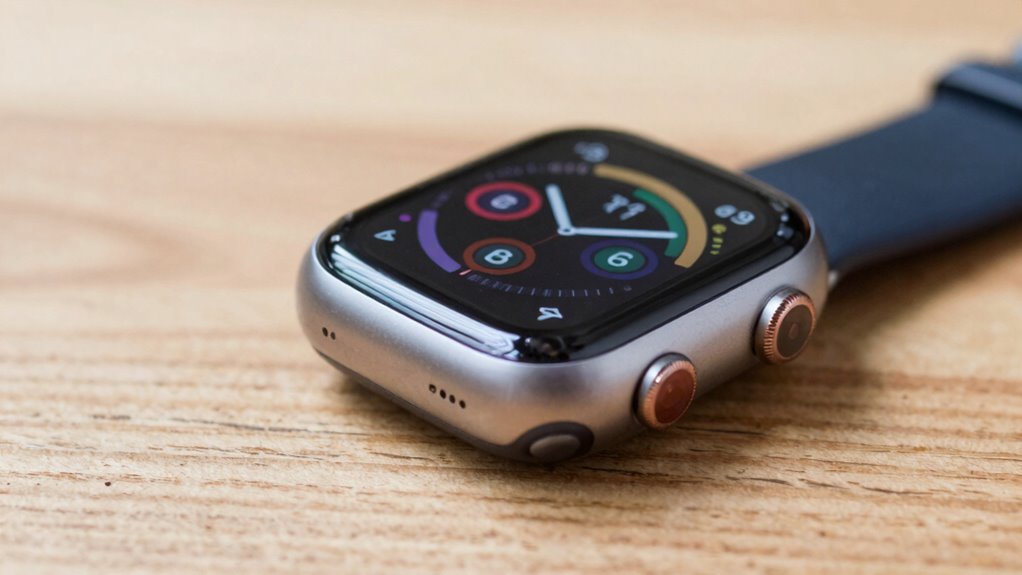
Many people assume that sensor readings are always perfectly accurate, but this isn’t the case. When you’re buying a wearable device, it’s tempting to believe that the data it provides is precise and reliable. However, the reality is more complex. Sensor accuracy can vary depending on numerous factors, and this directly impacts your fitness tracking and overall perception of your progress. While these devices can be incredibly helpful, it’s important to understand their limitations, especially if you’re relying on them for health or performance goals.
Most wearables use sensors like accelerometers, gyroscopes, optical heart rate monitors, and GPS to gather data. These components are sophisticated, but they aren’t infallible. For example, your fitness tracking might show you burned a certain number of calories during your workout, but that figure can be off by a significant margin. Factors such as skin tone, wrist position, movement intensity, and even ambient light can influence the accuracy of optical heart rate sensors. GPS signals, meanwhile, can be affected by tall buildings, dense tree cover, or poor signal reception, leading to inaccurate distance or speed measurements.
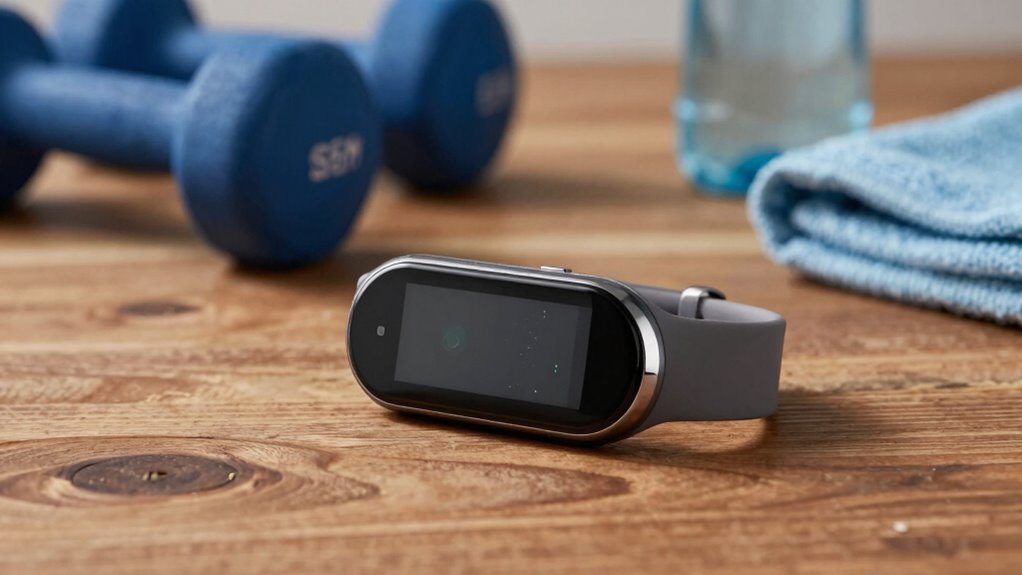
Wearable sensors like accelerometers, gyroscopes, and GPS have limitations that can affect data accuracy during your workouts.
When data reliability is compromised, it can give you a misleading picture of your progress. You might think you’re improving because your step count or heart rate readings seem consistent, but the actual numbers could be skewed. This can be frustrating and lead to overconfidence or unnecessary worry. It’s worth remembering that many wearable devices are primarily designed to provide general trends rather than precise measurements. They’re excellent for motivating movement and tracking overall activity levels, but they shouldn’t be the sole source of truth for your health or fitness journey.
Understanding these limitations helps you interpret the data more critically. Instead of obsessing over every number, focus on patterns and how you feel during your workouts. Use the data as a guide, not gospel. If you notice inconsistencies, don’t assume your device is malfunctioning; instead, consider external factors like sensor placement or environmental conditions. Recognize that fitness tracking is a useful tool, but not a perfect science. Trust your intuition and physical cues alongside device readings to get a more holistic picture of your health. It’s also important to note that sensor accuracy can be influenced by sensor calibration, regular updates, and technological advancements from manufacturers. These improvements continually enhance sensor reliability, but they still aren’t foolproof. Additionally, user behavior and how the device is worn can significantly affect readings. Recognizing that sensor limitations are inherent in current technology helps set realistic expectations and fosters a more informed approach to wearable data. Ultimately, knowing that sensor accuracy isn’t absolute allows you to set realistic expectations and use your wearable device more effectively.

WHOOP Peak – 12 Month Membership -24/7 Activity and Sleep Tracker, Personalized Coaching, Menstrual Cycle Insights – 14+ Days Battery Life
What You Get – A 12-month membership, WHOOP 5.0 device, a SuperKnit band, and a waterproof* Wireless PowerPack….
As an affiliate, we earn on qualifying purchases.
As an affiliate, we earn on qualifying purchases.
Frequently Asked Questions
How Do Sensors Measure Heart Rate Accurately During Intense Exercise?
During intense exercise, sensors measure your heart rate accurately by using advanced algorithms that account for sensor calibration and heart rate variability. They continuously adjust for motion artifacts, ensuring reliable readings despite vigorous movements. These devices analyze changes in light absorption and blood flow, refining data in real-time. By calibrating properly and considering heart rate variability, they deliver precise heart rate measurements even during strenuous activity.
What Factors Influence the Accuracy of Sleep Tracking Features?
Like Icarus flying too close to the sun, your sleep tracking’s accuracy depends on factors like sensor calibration and data interpretation. If sensors aren’t properly calibrated, they may misread movement or heart rate, skewing sleep stages. Additionally, how the device interprets this data profoundly impacts results. External factors like body temperature, movement, and even skin tone can influence readings, making precise calibration essential for reliable sleep insights.
Can Sensor Inaccuracies Affect Overall Health Insights From Wearables?
Sensor inaccuracies can definitely impact your overall health insights from wearables. Poor sensor calibration and inconsistent data collection can lead to misleading information about your health trends, such as activity levels or sleep quality. When the sensors aren’t properly calibrated, your device might give false readings, affecting your understanding of your health. To get accurate insights, make sure your device maintains data consistency and proper sensor calibration, so your health data remains reliable.
Are There Specific Brands Known for More Reliable Sensors?
Some brands are known for more reliable sensors, thanks to better sensor calibration and consistent quality control. For example, Fitbit and Garmin often receive praise for their brand reliability and accurate readings. You should consider these brands if you want dependable health insights. Keep in mind, though, no device is perfect—regular updates and proper calibration help guarantee you get the most accurate data possible.
How Often Should I Calibrate or Update My Wearable Device?
You should calibrate your wearable device regularly, ideally every few weeks, especially if you notice inconsistent readings. Sensor calibration helps maintain accuracy, while firmware updates improve sensor performance and fix bugs. Notably, studies show that neglecting updates can reduce device accuracy by up to 15%. Keep your device calibrated and up-to-date to ensure reliable data, ultimately helping you make better health and fitness decisions.

EZON GPS Running Watch with Distance Pace Alarm and Calorie Counter and Stopwatch for Men T031B01 Black
⌚Advanced GPS for Precise Tracking – Our watch is equipped with cutting-edge GPS technology, featuring a cold start…
As an affiliate, we earn on qualifying purchases.
As an affiliate, we earn on qualifying purchases.
Conclusion
Don’t be deceived by the sensor accuracy myth. As a savvy shopper, steer clear of sensationalized statistics and focus on features that genuinely fit your needs. Remember, real results rely on consistent use, proper placement, and understanding the device’s capabilities—not just numbers. Stay skeptical, stay smart, and select a wearable that genuinely supports your goals. With awareness and awareness alone, you’ll avoid the trap of false perceptions and truly benefit from your device’s potential.

3D Pedometer for Walking, Accurate Digital Step Counter with Removable Lanyard, Fitness Tracker for Daily Activity Step & Sport Time Data-10-Step Smart Calibration
🚶𝟏𝟎-𝐒𝐭𝐞𝐩 𝐒𝐦𝐚𝐫𝐭 𝐂𝐚𝐥𝐢𝐛𝐫𝐚𝐭𝐢𝐨𝐧: Most steps tracker count every bump and shake. Not this one. It requires 10 consecutive,…
As an affiliate, we earn on qualifying purchases.
As an affiliate, we earn on qualifying purchases.
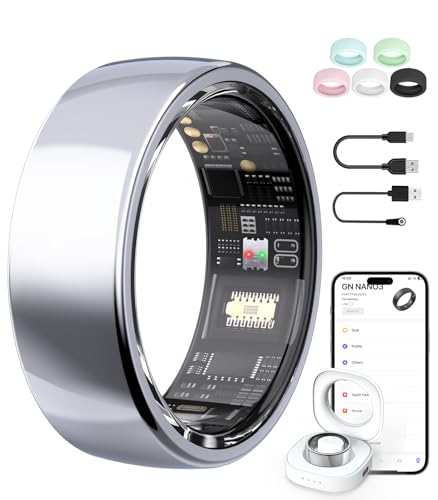
wepmous AI Smart Ring for Women Men, Health Fitness Tracker Ring with AI Health Analysis, Heart Rate Blood Oxygen Sleep Monitor, IP68 Waterproof Activity Tracker, No APP Fee (Silver,9#)
【AI HEALTH INSIGHTS — SMARTER THAN BASIC TRACKING】 Go beyond ordinary smart rings. This AI-powered health ring analyzes…
As an affiliate, we earn on qualifying purchases.
As an affiliate, we earn on qualifying purchases.