

You might not realize how easily your sleep quality shifts due to internal and external factors. Stress, caffeine, or screen time can disrupt your sleep cycle, causing more time in lighter sleep stages or extended REM. Even irregular routines like weekend late nights or napping can confuse your internal clock. These subtle changes impact deep sleep, memory, mood, and health. The more you understand, the better you can protect your rest—there’s more to explore here.

Get audio and creator gear delivered free — and shop member deals
- Fast, free delivery on millions of items
- Access to Prime Big Deal Days deals on October 6–7
- Prime Video, Amazon Music and more included
Key Takeaways
- External factors like stress, caffeine, and screen time can subtly disrupt sleep cycles, reducing restorative deep sleep.
- Irregular routines and environmental cues can shift circadian rhythms, impacting sleep quality and dream patterns.
- Fragmented sleep and altered dream patterns contribute to daytime fatigue, mood swings, and cognitive issues.
- Small disruptions in sleep stages can lead to lighter sleep, impairing memory consolidation and emotional regulation.
- Consistent sleep disruptions increase risks of chronic health issues, including heart disease, weakened immunity, and mental health problems.
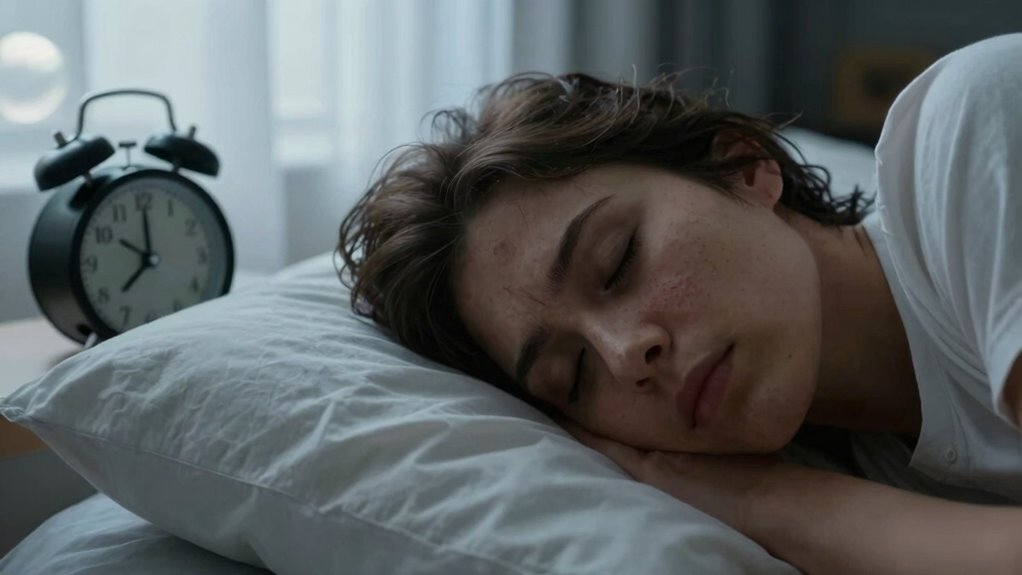
Sleep quality often shifts more than you realize, subtly affecting your overall health and daily functioning. You might think a good night’s sleep means simply waking up feeling refreshed, but the reality is more complex. Your sleep cycle, which repeats several times each night, plays an essential role in how restorative your sleep truly is. Each cycle includes different stages—light sleep, deep sleep, and REM sleep—each serving specific functions. Disruptions in this cycle can lead to restless nights, even if you don’t notice waking up often. When your sleep cycle isn’t aligned properly, you might experience lighter, fragmented sleep, leaving you tired and less energized during the day.
Disruptions in your sleep cycle can cause fragmented sleep, leaving you tired and less energized during the day.
Dream patterns are also a key indicator of sleep quality. During REM sleep, your brain is hyperactive, and vivid dreams often occur. These dreams are not just entertainment; they’re linked to memory consolidation and emotional processing. If your dream patterns change—either becoming less frequent or more chaotic—it could signal disturbances in your sleep. For example, frequent nightmares or vivid dreams that wake you up can interrupt your sleep cycle, preventing you from reaching the deeper, more restorative stages of sleep. Over time, altered dream patterns can contribute to feelings of fatigue, difficulty concentrating, and mood swings. External factors like stress levels can also influence your dreams and overall sleep quality, further emphasizing the importance of managing daily stressors.
You might not realize how sensitive your sleep cycle is to everyday factors like stress, caffeine, or screen time before bed. Even small disruptions can throw your cycle off balance, making you spend more time in lighter sleep stages or prolonging REM periods. This imbalance reduces the amount of deep sleep your body needs for physical repair and immune function. Similarly, irregular sleep patterns—like staying up late on weekends or napping excessively—can throw your internal clock off, further disrupting your sleep cycle and dream patterns. Sleep cycle is a particularly delicate process that can be easily affected by these external influences. Additionally, circadian rhythms play a crucial role in regulating your sleep-wake cycle and are sensitive to environmental cues, making consistent routines vital for optimal sleep health. A better understanding of these biological processes can help you develop habits that support healthier sleep patterns.
Understanding that your sleep isn’t just about quantity but also quality helps you see how these subtle changes impact your health. When your sleep cycle is disrupted, it’s harder for your body to perform essential functions like hormone regulation and tissue repair. Your brain’s ability to process memories and regulate emotions diminishes, leading to cognitive fog and emotional instability. Over time, neglecting these shifts can increase the risk of chronic issues like depression, heart disease, and weakened immunity.
In essence, your sleep cycle and dream patterns are delicate indicators of your overall sleep health. Paying attention to how you sleep—how often you wake up, the nature of your dreams, and how rested you feel—can help you identify issues early. Small adjustments in your routine or environment can restore balance, ensuring your sleep remains truly restorative and supporting your overall well-being.
As an affiliate, we earn on qualifying purchases.
Frequently Asked Questions
Can Sleep Quality Affect Mental Health Independently of Duration?
Yes, sleep quality can affect your mental health independently of duration. Poor sleep architecture disrupts the balance of REM and non-REM stages, impacting dream recall and emotional processing. Even if you sleep long enough, fragmented or shallow sleep can cause mood swings, anxiety, or depression. Prioritizing deep, restorative sleep helps your brain process emotions better, supporting mental health without solely focusing on total sleep hours.
How Does Sleep Quality Influence Long-Term Physical Health?
Sleep quality impacts your long-term physical health profoundly. Did you know sleep deprivation increases your risk of heart disease by 50%? Poor sleep causes hormonal imbalance, affecting your metabolism and immune system. Over time, this can lead to weight gain, diabetes, and cardiovascular issues. By prioritizing restful sleep, you help regulate hormones, reduce inflammation, and protect your health. You have the power to improve your well-being through better sleep habits.
What Are the Signs of Declining Sleep Quality?
You might notice signs of declining sleep quality through frequent dream disturbances and sleep fragmentation. If you wake up feeling unrefreshed or experience sudden awakenings during the night, it’s a clear sign. You could also feel irritable, fatigued, or have trouble concentrating during the day. These disruptions prevent your body from reaching restorative sleep stages, affecting your overall health and daily performance. Addressing these signs early can help improve your sleep quality.
Does Sleep Quality Vary Across Different Age Groups?
Yes, sleep quality varies across different age groups due to age-related changes. As you age, your sleep patterns shift—you’re likely to experience lighter, more fragmented sleep and shorter deep sleep phases. These age-related changes can lead to difficulty falling asleep or staying asleep, impacting overall rest. You might notice these differences more as you grow older, emphasizing the importance of adapting your sleep habits to maintain quality rest.
Can Improving Sleep Hygiene Reverse Poor Sleep Quality?
Absolutely, you can reverse poor sleep quality by improving your sleep hygiene. Think of it like tuning a vintage radio—adjust your sleep environment by controlling light, noise, and temperature, and establish consistent bedtime routines. These changes signal your body it’s time to wind down, helping you fall asleep faster and enjoy better rest. Small tweaks, like avoiding screens before bed, can make a big difference in restoring restful sleep.
As an affiliate, we earn on qualifying purchases.
Conclusion
As you drift into sleep, imagine it as a gentle tide shaping your shoreline—each night quietly erodes stress and builds resilience. When your sleep quality fluctuates, it’s like the tide retreating unexpectedly, leaving behind unfamiliar sands. But with mindful habits, you can become the steady lighthouse guiding your nights back to calm waters. Remember, your sleep is the compass that steers your days—nurture it, and you’ll find your true north shining brighter each morning.
As an affiliate, we earn on qualifying purchases.
As an affiliate, we earn on qualifying purchases.
Halloween Picks
halloween
As an affiliate, we earn on qualifying purchases.