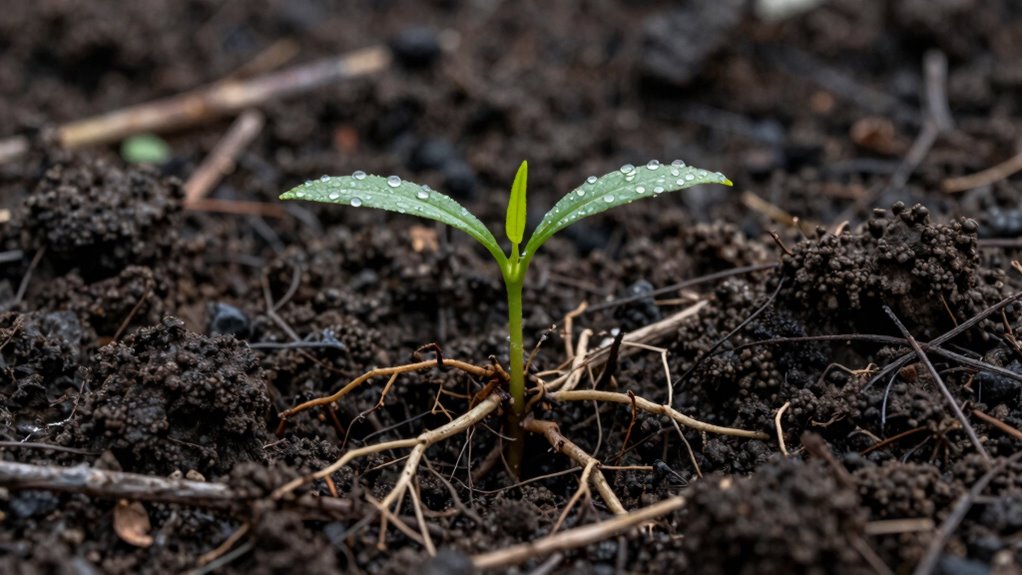

Growth often feels boring before it becomes rewarding because progress is slow and results aren’t immediately visible. You might focus on daily efforts rather than celebrating small wins, which can make the journey seem monotonous. Discomfort from letting go of old habits signals growth, but it also tests your patience. Staying consistent and trusting the process helps you push through these quiet phases. Keep going, and you’ll discover how patience and persistence can transform these dull moments into breakthrough experiences.

Get audio and creator gear delivered free — and shop member deals
- Fast, free delivery on millions of items
- Access to Prime Big Deal Days deals on October 6–7
- Prime Video, Amazon Music and more included
Key Takeaways
- Growth involves gradual changes that often lack immediate visible results, making the process feel dull or monotonous.
- During mindset shifts, discomfort signals stretching beyond comfort zones, which can feel frustrating and unrewarding initially.
- Consistent effort builds a foundation for future success, but the benefits are often invisible in early stages.
- Boredom and frustration are signs of resilience and discipline developing beneath the surface.
- Trusting the process helps transform slow, seemingly unrewarding efforts into meaningful breakthroughs over time.
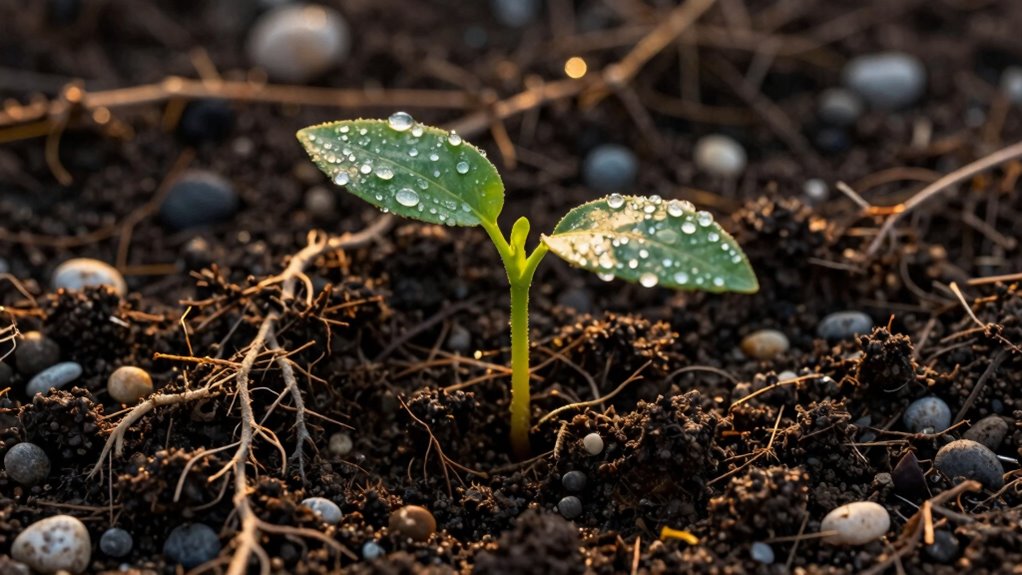
When you’re in the midst of growth, it often feels dull and unrewarding, even though you’re making progress. It’s easy to get caught up in the daily grind, focusing on how far you still have to go instead of celebrating small wins. This gap between effort and reward can make the journey seem monotonous, almost like you’re spinning your wheels. But this is a natural part of growth, especially when you’re working on mindset shifts and patience development. Recognizing this can help you stay grounded and motivated.
Growth requires you to change your perspective. Instead of viewing each step as a tedious task, see it as a necessary part of transforming your mindset. These mindset shifts might include letting go of old habits or beliefs that no longer serve you, which can feel uncomfortable and slow at first. This discomfort, however, is a sign that you’re stretching beyond your current limits. As you develop patience, you learn to trust the process, understanding that progress isn’t always visible immediately. Patience development means accepting that growth can be gradual and that perseverance and patience pay off over time.
During this phase, it’s important to remind yourself that lasting change doesn’t happen overnight. You might not see immediate results, but each effort you put in is building a foundation for future success. It’s like planting a seed; you won’t see the fruit right away, but with time, patience, and nurturing, growth will come. When you’re patient, you’re less likely to become discouraged by the slow pace or setbacks, knowing that perseverance is part of the process. It’s also helpful to understand that visual progress can sometimes be misleading, and focusing on consistency is more important than immediate outcomes. Developing a resilient mindset can help you stay committed even when progress appears slow or invisible.
Furthermore, mindset shifts help you reframe boredom and frustration into opportunities for reflection and learning. Instead of dismissing the dull moments, recognize them as signs that you’re building resilience and discipline. These qualities are crucial for long-term growth, and they often develop when you’re least aware of it. As you continue to develop patience, you’ll notice that the effort feels less like a chore and more like an investment in yourself. The rewards might be invisible now, but they’re steadily taking shape beneath the surface.
In the end, understanding that growth feels dull before it’s rewarding is about trusting the process. With the right mindset shifts and patience development, you’ll find that these periods of stagnation are actually preparing you for bigger breakthroughs. Keep going, because the reward is waiting just beyond this quiet, unremarkable phase. Recognizing that growth often feels boring and that perseverance is key can help you stay committed through these challenging times. Embracing a growth mindset can turn these slow phases into valuable opportunities for self-discovery and strength.
As an affiliate, we earn on qualifying purchases.
Frequently Asked Questions
How Long Does It Typically Take to See Progress During Growth?
Progress in personal development and mindset shifts varies, but you typically start noticing small changes within a few weeks to a few months. It depends on your consistency and dedication. During this time, you might feel bored or frustrated, but stay committed. The key is to embrace the process, knowing that sustained effort leads to meaningful growth. Over time, these early efforts will feel more rewarding as your mindset transforms.
Can Growth Feel Exciting Even in Early Stages?
Yes, growth can feel exciting even in early stages if you focus on initial excitement and embrace growth discomfort. At first, you might feel energized by new challenges and possibilities, which fuels motivation. While discomfort is part of the process, celebrating small wins keeps your enthusiasm alive. Recognizing progress early on helps you stay committed, turning initial excitement into sustained momentum as you continue to grow.
Why Do Some People Lose Motivation During Slow Growth Phases?
Motivation dips during slow growth phases because your patience gets tested, making progress seem less noticeable or rewarding. You might feel discouraged or doubt your efforts, which can cause your enthusiasm to fade. To stay motivated, remind yourself that growth takes time, celebrate small wins, and focus on the progress you’ve made. Embracing patience helps you push through the stagnant periods and keeps your long-term goals within reach.
How Can I Stay Patient During Periods of Perceived Stagnation?
Did you know that research shows it takes an average of 66 days to form a new habit? To stay patient during perceived stagnation, embrace mindset shifts that focus on progress, not just results. Use patience strategies like setting small, achievable goals and tracking tiny improvements. Remind yourself that growth is often invisible at first, but consistent effort builds momentum. Keep trusting the process—rewards come when persistence becomes part of your routine.
Does Growth Always Lead to Immediate Rewards or Success?
Growth doesn’t always lead to immediate rewards or success. Instead, it often involves short-term gains that build a foundation for long-term vision. You might not see instant results, but stay patient and consistent, knowing that the effort now will pay off later. Focus on the bigger picture, and trust that small improvements accumulate over time, leading to meaningful success and fulfillment down the road.
As an affiliate, we earn on qualifying purchases.
Conclusion
Remember, growth is often a slow burn before it sparks success. It might feel boring or frustrating now, but persistence pays off. Don’t forget the saying, “Rome wasn’t built in a day.” Keep pushing through these quiet moments, knowing that the reward is worth the wait. Stay patient, stay committed, and trust that your efforts will eventually lead to the fulfilling results you’re aiming for.
As an affiliate, we earn on qualifying purchases.
As an affiliate, we earn on qualifying purchases.
Fall Picks
fall essentials
As an affiliate, we earn on qualifying purchases.