
Finding the right studio recording microphone can significantly impact your sound quality, whether you’re producing music, streaming, or podcasting. The best options balance clarity, durability, and ease of use, but tradeoffs exist between connectivity types, build quality, and price. For instance, the Audio-Technica AT2020 offers excellent sound at a budget-friendly price, while the RODE NT1 stands out for its pristine audio quality and quiet operation. The choice often comes down to whether you prefer XLR or USB, and how much you’re willing to invest. Keep reading for a detailed breakdown of the top microphones and how to pick the right one for your studio setup.
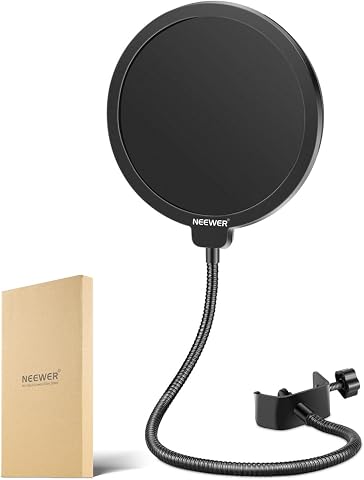
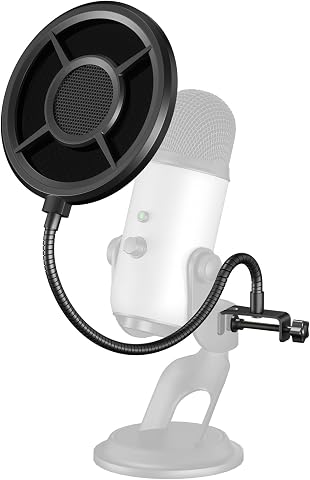
Complete the kit

Key Takeaways
- Top picks balance sound quality with user-friendly features like USB plug-and-play or professional XLR connectivity.
- Microphones with included accessories such as shock mounts and pop filters offer better value for new users.
- The best overall microphone combines versatility, sound clarity, and build quality, suitable for many recording scenarios.
- Higher-priced models tend to offer lower self-noise and more professional sound, ideal for critical studio work.
- Different buyer needs, from beginners to professionals, require different tradeoffs in connectivity, price, and features.
| MAONO A04 USB Microphone with Cardioid Pattern, 192kHz/24Bit, Plug & Play Condenser Mic Kit for PC, Podcast, Streaming, YouTube |  | Best Overall USB Microphone for Content Creators | Sampling Rate: 192kHz/24Bit | Frequency Response: 30Hz-16kHz | Polar Pattern: Cardioid | VIEW LATEST PRICE | See Our Full Breakdown |
| Focusrite Scarlett Solo Studio 4th Gen USB Audio Interface Bundle |  | Best Value for Musicians and Podcasters Entering Home Studio | Dynamic Range: 120dB | Includes: Condenser Microphone, Headphones, Cables, Software | Connection Type: USB | VIEW LATEST PRICE | See Our Full Breakdown |
| Upgraded Studio Recording Microphone with Isolation Shield & Pop Filter for Podcasting and Music |  | Best for Home Studios Needing Noise Control and Versatility | Polar Pattern: Cardioid | Diaphragm Size: 16mm | Sampling Rate: 192kHz/24Bit | VIEW LATEST PRICE | See Our Full Breakdown |
| Audio-Technica AT2020 Cardioid Condenser Studio XLR Microphone |  | Best for Serious Studio Recordings and Transients | Frequency Response: 20-20,000 Hz | Max SPL: 144 dB | Impedance: 100 Ω | VIEW LATEST PRICE | See Our Full Breakdown |
| FIFINE Studio Condenser USB Microphone with Adjustable Boom Arm and Accessories |  | Best for Budget-Conscious Streamers and Podcasters | Connection: USB | Frequency Response: Wide | Polar Pattern: Cardioid | VIEW LATEST PRICE | See Our Full Breakdown |
| Shure SM4 Studio Recording Microphone Kit, XLR Condenser Mic with Pop Filter & Shock Mount |  | Best Overall Studio Condenser Microphone Kit | Type: Condenser Microphone | Polar Pattern: Cardioid | Diaphragm: Dual | VIEW LATEST PRICE | See Our Full Breakdown |
| FIFINE K688 Podcast Microphone Kit with Boom Arm, USB/XLR Dynamic Microphone for Streaming and Recording |  | Best Versatile Microphone for Beginners and Streamers | Microphone Type: Dynamic | Connectivity: USB and XLR | Polar Pattern: Cardioid | VIEW LATEST PRICE | See Our Full Breakdown |
| RØDE NT1 Signature Series Large-Diaphragm Condenser Microphone with Shock Mount, Pop Filter, and XLR Cable (Black) |  | Best for High-End Studio Recordings and Vocals | Connectivity Technology: XLR | Polar Pattern: Unidirectional | Audio Sensitivity: 4 dB | VIEW LATEST PRICE | See Our Full Breakdown |
| Logitech Blue Yeti USB Microphone for PC, Mac, Gaming, Streaming, Podcasting, Studio, Blackout |  | Best for Streaming and Versatile Desktop Use | Pickup Patterns: Four (cardioid, omni, bidirectional, stereo) | Connectivity: USB | Software: Blue VO!CE effects | VIEW LATEST PRICE | See Our Full Breakdown |
| SUDOTACK USB Condenser Podcast Microphone with Accessories |  | Best Budget-Friendly High-Resolution Microphone | Sample Rate: 192kHz/24bit | Frequency Response: 30 Hz to 16 kHz | Pickup Pattern: Cardioid | VIEW LATEST PRICE | See Our Full Breakdown |
| MAONO A04 Gen2 XLR/USB Condenser Microphone Kit for PC Podcast Recording |  | Best Versatile Connection and Customization | Connectivity: XLR, USB, USB Type-C | Sampling Rate: 192kHz/24bit | Frequency Response: 30Hz-16kHz | VIEW LATEST PRICE | See Our Full Breakdown |
| FIFINE AmpliGame AM8 USB/XLR Dynamic Microphone for Gaming and Streaming |  | Best for Gaming and Streaming with Visual Flair | Frequency Response: 50Hz-16KHz | Connection Types: USB, XLR | RGB Lighting: Yes, 3 modes, 10+ colors | VIEW LATEST PRICE | See Our Full Breakdown |
| MAONO PM320S Condenser PC Microphone with XLR Cable, Boom Arm, Pop Filter |  | Best for Professional, High-Quality Studio Recording | Power Requirement: 48V phantom power | Capsule Size: 16 mm | Connection: XLR | VIEW LATEST PRICE | See Our Full Breakdown |
| studio recording microphone | Frequency Response | Polar Pattern |
|---|---|---|
| MAONO A04 USB Microphone with | 30Hz-16kHz | Cardioid |
| Focusrite Scarlett Solo Studio | — | — |
| Upgraded Studio Recording Micr | — | Cardioid |
| Audio-Technica AT2020 Cardioid | 20-20,000 Hz | — |
| FIFINE Studio Condenser USB Mi | Wide | Cardioid |
| Shure SM4 Studio Recording Mic | Smooth, detailed highs and controlled lows | Cardioid |
| FIFINE K688 Podcast Microphone | — | Cardioid |
| RØDE NT1 Signature Series Larg | — | Unidirectional |
| Logitech Blue Yeti USB Microph | — | — |
| SUDOTACK USB Condenser Podcast | 30 Hz to 16 kHz | — |
| MAONO A04 Gen2 XLR/USB Condens | 30Hz-16kHz | Cardioid |
| FIFINE AmpliGame AM8 USB/XLR D | 50Hz-16KHz | — |
| MAONO PM320S Condenser PC Micr | Extended | — |
More Details on Our Top Picks
MAONO A04 USB Microphone with Cardioid Pattern, 192kHz/24Bit, Plug & Play Condenser Mic Kit for PC, Podcast, Streaming, YouTube
This microphone shines for creators prioritizing simplicity and high-resolution audio, offering 192kHz/24Bit sound quality that outclasses many built-in or lower-end mics. Compared to the FIFINE Studio (B07Y1C6GDS), its professional-grade chipset and included accessories like a boom arm and shock mount make it a more complete, ready-to-use package. However, its limited frequency response and USB-only connection mean it falls short for those seeking truly studio-grade recordings or XLR versatility. This pick makes the most sense for streamers, podcasters, and YouTubers who want professional sound with minimal setup.
Pros:- High-resolution 192kHz/24Bit sound quality for crisp recordings
- Includes comprehensive accessories like boom arm and shock mount
- Plug-and-play setup with USB and USB-C compatibility
Cons:- Limited frequency response for advanced studio work
- Not compatible with gaming consoles like Xbox
Best for: Content creators and streamers who need a high-quality, plug-and-play microphone without extra equipment hassle
Not ideal for: Professional studio engineers or musicians requiring XLR connections and extended frequency response
- Sampling Rate:192kHz/24Bit
- Frequency Response:30Hz-16kHz
- Polar Pattern:Cardioid
- Connection:USB, USB Type-C
- Power Source:USB
- Microphone Form Factor:Large Diaphragm
Our verdict“Best suited for content creators seeking high-quality audio with easy installation and all-in-one package.”
Focusrite Scarlett Solo Studio 4th Gen USB Audio Interface Bundle
This bundle is ideal for musicians and podcasters who want a complete, professional-grade recording solution, combining the Scarlett Solo interface with a condenser mic and headphones. Its 120dB dynamic range and included software make it a versatile, all-in-one starter kit. Compared to the MAONO A04, it offers XLR connectivity and a broader dynamic range, but it requires some familiarity with recording software. The setup is more involved, making it less suitable for absolute beginners but perfect for those ready to expand their studio capabilities.
Pros:- High-quality 120dB dynamic range for detailed recordings
- Includes software for mixing and editing
- Easy to connect multiple audio sources like guitars and microphones
Cons:- Requires some knowledge of recording software
- Limited portability due to external interface
Best for: Guitarists, vocalists, and podcasters seeking a comprehensive, upgradeable home recording setup
Not ideal for: Casual streamers or users who prefer a simple USB plug-and-play mic without additional equipment
- Dynamic Range:120dB
- Includes:Condenser Microphone, Headphones, Cables, Software
- Connection Type:USB
- Microphone Type:Condenser
- Output:Stereo
- Power Source:USB
Our verdict“A solid choice for musicians and serious hobbyists looking for a complete, expandable studio setup.”
Upgraded Studio Recording Microphone with Isolation Shield & Pop Filter for Podcasting and Music
This microphone package elevates home recording with its included isolation shield, pop filter, and multiple accessories, making it more suitable for serious podcasters and vocalists. Its 16mm diaphragm and 192kHz/24Bit sampling rate promise professional clarity, but its bulkier design and weight can hinder portability. Compared with the FIFINE K688 (which lacks an isolation shield), it offers superior noise isolation, yet the setup complexity may deter beginners looking for a simple solution. This kit is ideal for those needing a controlled recording environment but less so for on-the-go recording.
Pros:- Includes a foldable, adjustable isolation shield for noise control
- High-quality sound with professional features
- Complete kit with multiple accessories for versatile use
Cons:- Bulkier and heavier compared to simple USB mics
- May need additional setup time for optimal sound
Best for: Podcasters and singers working in less acoustically treated spaces who want noise reduction tools included
Not ideal for: Travelers or mobile content creators who prioritize lightweight equipment
- Polar Pattern:Cardioid
- Diaphragm Size:16mm
- Sampling Rate:192kHz/24Bit
- Included Accessories:Isolation shield, pop filter, tripod, shockproof filter
- Weight:4.1 lbs
- Dimensions:Microphone: 6.3in x 1.96in
Our verdict“An excellent choice for home or studio recording where noise reduction and setup flexibility are priorities.”
Audio-Technica AT2020 Cardioid Condenser Studio XLR Microphone
The AT2020 stands out for its detailed sound and high SPL handling, making it a favorite among home studio owners and professionals needing accurate transient response. Its wide frequency response (20Hz-20kHz) and low-mass diaphragm capture vocals and instruments with clarity. In comparison to USB options like the MAONO A04, it offers XLR connectivity and higher fidelity, but the need for phantom power and additional equipment makes it less convenient for quick setups. This microphone is best for users comfortable with studio gear who prioritize audio precision over mobility.
Pros:- Excellent sound quality with wide frequency range
- High SPL handling for dynamic sources
- Reduces background noise with cardioid pattern
Cons:- Requires phantom power (48V) amplifier or interface
- Limited to studio use with XLR connection
Best for: Experienced home studio users and musicians demanding high fidelity and transient accuracy
Not ideal for: Beginners or casual content creators without existing studio equipment
- Frequency Response:20-20,000 Hz
- Max SPL:144 dB
- Impedance:100 Ω
- Phantom Power:48V
- Output:XLR
- Microphone Type:Condenser
Our verdict“Ideal for those seeking studio-level accuracy and durability in a condenser microphone.”
FIFINE Studio Condenser USB Microphone with Adjustable Boom Arm and Accessories
This setup offers a straightforward USB connection combined with a complete accessory package, including a durable boom arm and shock mount, making it accessible for beginners and casual users. Its wide frequency response and noise reduction features produce clear voice recordings, but it doesn’t match the high-end resolution or build quality of more premium models like the Focusrite bundle. Compared to the MAONO A04, it’s more affordable but may lack some of the professional accessories or sound fidelity. It’s well-suited for those who want decent quality without complex setup.
Pros:- Easy plug-and-play USB connection for quick setup
- Includes adjustable boom arm and shock mount
- Good sound quality with noise reduction features
Cons:- Incompatible with Xbox consoles
- Bulkier setup due to accessories
Best for: Budget-conscious streamers, gamers, and podcasters who need an all-in-one, easy-to-use microphone kit
Not ideal for: Professional musicians or those requiring studio-grade sound and XLR connectivity
- Connection:USB
- Frequency Response:Wide
- Polar Pattern:Cardioid
- Included Accessories:Boom arm, shock mount, pop filter
- Maximum Reach of Arm:30 inches
- Cable Length:8.2 feet
Our verdict“A practical, budget-friendly option for beginners and casual content creators wanting good sound with minimal fuss.”
Shure SM4 Studio Recording Microphone Kit, XLR Condenser Mic with Pop Filter & Shock Mount
The Shure SM4 stands out for its robust all-metal build and superior noise rejection, making it a reliable choice for serious studio recordings. Compared with the RØDE NT1, it offers excellent interference shielding and higher SPL handling, but the SM4’s reliance on XLR and phantom power makes it less convenient for quick, portable setups. Its dual-diaphragm capsule delivers natural, detailed sound across vocals and instruments, with the included accessories streamlining setup. However, its need for external power and XLR infrastructure may deter those seeking a more straightforward, USB-compatible option. This model is best suited for those who prioritize durability and sound quality in a dedicated studio environment, willing to handle the extra setup complexity.
Pros:- Excellent noise rejection and interference shielding
- High SPL handling for loud instruments
- Durable all-metal construction
- Includes essential accessories for professional recording
Cons:- Requires XLR connection and phantom power
- Less portable and more setup-intensive than USB mics
Best for: Professional studio owners and serious musicians focusing on high-fidelity recordings
Not ideal for: Beginners or small home studios seeking simple, USB-powered solutions
- Type:Condenser Microphone
- Polar Pattern:Cardioid
- Diaphragm:Dual
- Frequency Response:Smooth, detailed highs and controlled lows
- Maximum SPL:140dB
- Construction:All-metal
Our verdict“This microphone is ideal for those who need high-quality, durable recording equipment in a fixed studio setup.”
FIFINE K688 Podcast Microphone Kit with Boom Arm, USB/XLR Dynamic Microphone for Streaming and Recording
The FIFINE K688 offers a flexible, user-friendly setup with both USB and XLR connectivity, making it a strong contender for streamers and voice-over artists. Unlike the Blue Yeti, which is bulkier and more desktop-bound, the K688’s included boom arm and noise-reduction accessories provide a cleaner, more professional look and sound. Its cardioid pattern focuses on capturing voice clearly, though the limited features on XLR mode and the disabled function keys during XLR use can frustrate advanced users. The gain knob and mute button are intuitive for quick adjustments, but manual sensitivity control might be less convenient than digital controls. This pick is best for newcomers or creators wanting a plug-and-play yet versatile microphone for both streaming and recording.
Pros:- Dual USB and XLR connectivity for flexible use
- Includes a sturdy boom arm and noise-reduction accessories
- Intuitive controls for easy operation
- Good sound quality for streaming and casual recording
Cons:- Function keys are disabled on XLR mode
- Limited advanced features compared to higher-end mics
- Requires manual gain adjustment
Best for: Beginner streamers, podcast starters, and content creators seeking flexible connection options
Not ideal for: Audio engineers or professionals requiring advanced features and studio-grade gear
- Microphone Type:Dynamic
- Connectivity:USB and XLR
- Polar Pattern:Cardioid
- Maximum SPL:130dB
- Included Accessories:Boom arm, windscreen, shock mount
- Input Volume Control:Yes (gain knob)
Our verdict“This microphone is ideal for beginners and streamers who want a versatile, easy-to-use kit with upgrade potential.”
RØDE NT1 Signature Series Large-Diaphragm Condenser Microphone with Shock Mount, Pop Filter, and XLR Cable (Black)
The RØDE NT1 Signature Series excels with its ultra-low noise floor of just 4dB and high SPL capacity, making it perfect for capturing vocals and acoustic instruments in professional settings. Unlike the Blue Yeti, which is designed for convenience and streaming, the NT1 emphasizes sound purity and durability, with a robust Australian build. Its large diaphragm and unidirectional pattern deliver warm, detailed recordings, but the need for XLR connection limits portability and quick setup. The included shock mount, pop filter, and XLR cable create a comprehensive package for studio use, though the higher price point may deter casual users. This mic is best suited for serious musicians, producers, and anyone prioritizing pristine audio quality in a fixed environment.
Pros:- Exceptional low noise of just 4dB for pristine recordings
- High SPL handling for loud sources
- Includes professional-grade accessories
- Built with durable components in Australia
Cons:- Requires XLR and external phantom power
- Less suitable for on-the-go recording or quick setups
Best for: Professional musicians, voice-over artists, and studio owners demanding studio-grade fidelity
Not ideal for: Casual content creators or those needing portable, USB-powered mics
- Connectivity Technology:XLR
- Polar Pattern:Unidirectional
- Audio Sensitivity:4 dB
- Maximum SPL:High SPL capacity
- Enclosure Material:Metal
- Warranty:10 years
Our verdict“This microphone is best for those who prioritize studio-quality sound and durability over portability.”
Logitech Blue Yeti USB Microphone for PC, Mac, Gaming, Streaming, Podcasting, Studio, Blackout
The Blue Yeti is popular for its four pickup patterns and onboard controls, making it a flexible choice for streamers, podcasters, and casual content creators. Its ease of setup and broad software features, like Blue VO!CE effects, make it accessible for users who want broadcast-quality sound without the complexity of XLR gear. However, its bulky desktop stand can be space-consuming, and the absence of an XLR option limits sound customization for advanced users. Some may find the included effects unnecessary or distracting, especially if they prefer raw audio. This mic makes the most sense for those prioritizing convenience, ease of use, and versatile recording options in a single package.
Pros:- Multiple pickup patterns for versatile recording
- Onboard controls and software effects
- Easy setup with plug-and-play USB connection
- Adjustable stand for flexible positioning
Cons:- Bulky desktop stand takes up space
- No XLR output for professional-grade customization
- Effects may be unnecessary for some users
Best for: Casual streamers, podcasters, and gamers seeking plug-and-play simplicity
Not ideal for: Professional studios or users requiring high customization and high fidelity beyond USB limits
- Pickup Patterns:Four (cardioid, omni, bidirectional, stereo)
- Connectivity:USB
- Software:Blue VO!CE effects
- Controls:Headphone volume, pattern selection, mute, mic gain
- Design:Adjustable desktop stand
- Compatibility:Mac, PC
Our verdict“This microphone is perfect for those who want a straightforward, versatile mic for streaming and casual recording without complex setup.”
SUDOTACK USB Condenser Podcast Microphone with Accessories
The SUDOTACK USB Condenser Microphone offers impressive 192kHz/24bit sound quality at an accessible price, making it appealing for newcomers and hobbyists. Its cardioid pattern effectively minimizes background noise, similar to the MAONO A04, but with a more flexible adjustable arm and included shock mount and pop filter, streamlining setup for podcasting or streaming. The microphone’s high sample rate ensures clear audio, yet its frequency response limits some detail, especially in higher frequencies, compared to pricier models like the RØDE NT1. Not compatible with consoles like Xbox, it’s best suited for desktop use on Windows or Mac. This mic makes sense for budget-conscious users who want decent quality and easy setup without sacrificing too much on audio fidelity.
Pros:- High 192kHz/24bit resolution for clear sound
- Easy plug-and-play USB connection
- Includes essential accessories for noise reduction
- Flexible adjustable arm for optimal positioning
Cons:- Limited to 16kHz frequency response for some audio nuances
- Not compatible with Xbox consoles
- External stand or mount needed for best positioning
Best for: Beginner podcasters and streamers seeking high-resolution audio at a low cost
Not ideal for: Advanced users or those needing professional-grade, portable microphones
- Sample Rate:192kHz/24bit
- Frequency Response:30 Hz to 16 kHz
- Pickup Pattern:Cardioid
- Compatibility:Windows, Mac
- Material:Metal
- Adjustable Range:135° back and forth, 180° up and down
Our verdict“This microphone is well-suited for beginners who want high-resolution audio and simple setup at an affordable price.”
MAONO A04 Gen2 XLR/USB Condenser Microphone Kit for PC Podcast Recording
The MAONO A04 Gen2 stands out for its dual XLR and USB connectivity, offering flexibility that surpasses single-mode microphones like the Focusrite Scarlett Solo. Its high-resolution 192kHz/24bit sound quality ensures professional clarity, making it ideal for content creators who want both easy USB plug-and-play and more advanced XLR use. Compared to dedicated XLR mics like the Audio-Technica AT2020, the A04’s included accessories—pop filter, boom arm, shock mount—add value, though some features are limited to USB mode, which could be a drawback for those needing full XLR control. The need for phantom power when using XLR might be a sticking point for beginners, and some users may find the interface controls less intuitive than simpler USB-only options. Overall, this mic makes the most sense for creators who want a flexible, all-in-one solution without sacrificing sound quality, but those solely using XLR setups should consider dedicated models.
Pros:- Dual XLR and USB connectivity for maximum flexibility
- High-resolution 192kHz/24bit sound quality
- Includes comprehensive accessories like pop filter and boom arm
- Adjustable software controls for customized sound
Cons:- XLR connection requires phantom power, adding setup complexity
- Some features only available in USB mode, limiting XLR control
Best for: Content creators and streamers who need a flexible, multi-connection microphone for versatile use
Not ideal for: Users who primarily need a plug-and-play mic with minimal setup or only use XLR gear without phantom power
- Connectivity:XLR, USB, USB Type-C
- Sampling Rate:192kHz/24bit
- Frequency Response:30Hz-16kHz
- Polar Pattern:Cardioid
- Capsule Size:16mm
- Included Accessories:Pop filter, foam windscreen, shock mount, boom arm, USB cable, user manual
Our verdict“This mic is ideal for versatile creators who want high-quality sound with flexible connection options, but less suited for those who prefer a simple, dedicated XLR setup.”
FIFINE AmpliGame AM8 USB/XLR Dynamic Microphone for Gaming and Streaming
The FIFINE AmpliGame AM8 brings a dynamic design to studio environments, with a focus on gaming and streaming. Its dual USB and XLR connections make it adaptable, but compared to the MAONO PM320S, which offers a large diaphragm for richer studio tone, the AM8’s dynamic capsule leans more toward clarity and durability suitable for loud environments. Its RGB lighting adds a visual element popular among gamers, though this feature is inactive in XLR mode, which could disappoint those wanting aesthetic consistency. The built-in mute button, monitoring jack, and RGB modes enhance usability, but some features are limited to USB, requiring additional accessories like an XLR cable. Noise rejection and clear audio are strong points, but for those seeking pure studio fidelity, condenser microphones like the PM320S might be better suited. This pick makes the most sense for streamers blending gaming with content creation, who also value style.
Pros:- Dual USB and XLR connectivity for versatile use
- Customizable RGB lighting with multiple modes
- Built-in mute button and headphone monitoring for convenience
- Good noise rejection and clear audio quality
Cons:- RGB lighting and some features inactive on XLR connection
- XLR cable purchase needed separately
- Mute LED and RGB controls limited to USB mode
Best for: Gamers and streamers who want an eye-catching microphone with flexible connectivity and monitoring features
Not ideal for: Pure studio recording users seeking maximum audio fidelity without RGB or gaming features
- Frequency Response:50Hz-16KHz
- Connection Types:USB, XLR
- RGB Lighting:Yes, 3 modes, 10+ colors
- Mute Button:Yes, USB only
- Headphone Jack:Yes
- Stand Mounting:Yes, 3/8’’ and 5/8’’ threads
Our verdict“This microphone suits gamers and streamers who want style, convenience, and flexible connections, but may fall short for pure studio recording needs.”
MAONO PM320S Condenser PC Microphone with XLR Cable, Boom Arm, Pop Filter
The MAONO PM320S is a robust condenser microphone designed for serious studio work, standing out from dynamic options like the FIFINE AM8 by offering a large diaphragm and extended frequency response for richer, more detailed recordings. Its all-metal construction and included accessories—boom arm, shock mount, pop filter—make it a complete package for those ready to invest in high-quality sound. The requirement of 48V phantom power can be a barrier for beginners, adding complexity to setup. Compared to USB models, this mic delivers a more natural, professional tone, but setup and power needs make it less suitable for casual users or those unfamiliar with XLR gear. Overall, this makes the most sense for podcasters, musicians, or voice-over artists serious about sound quality, willing to handle a more involved setup.
Pros:- High-quality cardioid condenser with a large diaphragm for detailed sound
- Durable full metal construction and included accessories
- Reduces ambient noise with cardioid pattern and shock mount
- Extended frequency response for natural tone
Cons:- Requires 48V phantom power, adding setup complexity
- Includes multiple accessories that may be unnecessary for casual use
- Steeper learning curve for beginners handling XLR setup
Best for: Professionals and serious hobbyists looking to capture studio-grade sound with XLR gear and accessories
Not ideal for: Casual users or streamers who prefer plug-and-play convenience without dealing with phantom power or complex setup
- Power Requirement:48V phantom power
- Capsule Size:16 mm
- Connection:XLR
- Diaphragm:Low-mass diaphragm
- Frequency Response:Extended
- Includes:Microphone, boom arm, shock mount, pop filter, windscreen, XLR cable, user manual
Our verdict“This microphone is best for dedicated studio users who prioritize professional sound quality over convenience, but less suitable for casual or beginner setups.”
How We Picked
This lineup was curated based on a combination of performance, build quality, and usability. First, I prioritized microphones with proven audio clarity suitable for studio work, whether USB or XLR. Ease of setup and included accessories also influenced the ranking, as these factors help beginners get started without additional purchases. Cost-effectiveness was another key consideration—many users seek a balance between quality and affordability. Lastly, I examined user reviews and expert opinions to ensure each mic provides consistent, reliable performance, with the ranking reflecting a mix of budget-friendly options and premium choices for serious producers.| studio recording microphone | Polar Pattern |
|---|---|
| MAONO A04 USB Microphone with | Cardioid |
| Focusrite Scarlett Solo Studio | — |
| Upgraded Studio Recording Micr | Cardioid |
| Audio-Technica AT2020 Cardioid | — |
| FIFINE Studio Condenser USB Mi | Cardioid |
| Shure SM4 Studio Recording Mic | Cardioid |
| FIFINE K688 Podcast Microphone | Cardioid |
| RØDE NT1 Signature Series Larg | Unidirectional |
| Logitech Blue Yeti USB Microph | — |
| SUDOTACK USB Condenser Podcast | — |
| MAONO A04 Gen2 XLR/USB Condens | Cardioid |
| FIFINE AmpliGame AM8 USB/XLR D | — |
| MAONO PM320S Condenser PC Micr | — |
Factors to Consider When Choosing Studio Recording Microphones
Choosing the right studio recording microphone involves more than just sound quality; it requires considering how you’ll use it, your recording environment, and your budget. Understanding these factors can help you avoid common pitfalls such as overspending on features you don’t need or selecting a mic incompatible with your setup. The following sections highlight key considerations that will guide you toward a microphone that fits your specific needs and ensures your recordings sound professional.Connectivity Options: USB vs. XLR
USB microphones are ideal for beginners or those who want a simple, plug-and-play solution. They typically require less equipment and are easier to set up, making them perfect for streaming, podcasting, and home studios. Conversely, XLR microphones offer higher audio fidelity, better noise rejection, and more control over your sound, but demand an audio interface or mixer. Choosing between these depends on your current setup and future growth plans—if you expect to upgrade to a professional studio, investing in XLR might be the smarter move, despite the added complexity and cost.
Sound Quality and Polar Patterns
The core of a good studio microphone is its sound reproduction. Condenser microphones are generally preferred for vocals and detailed recordings due to their sensitivity and wide frequency response. Dynamic mics excel in loud environments and are more durable but may lack some of the nuanced detail needed for studio vocals. Polar patterns, such as cardioid, figure-8, or omnidirectional, influence how well the mic isolates sound sources and handles room noise. Typically, cardioid patterns offer good rejection of background noise, making them a safe choice for most home studios.
Build Quality and Durability
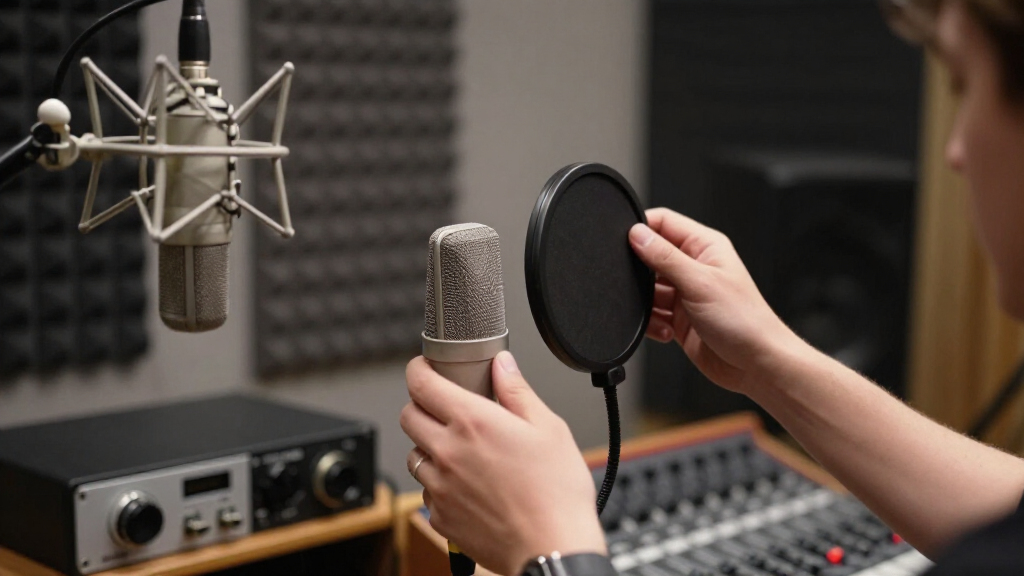
Investing in a microphone with solid construction pays off in the long run, especially if you plan to move it frequently or use it in various settings. Metal-bodied mics with quality shock mounts and pop filters help reduce handling noise and plosive sounds, ensuring cleaner recordings. Cheaper models may sound decent but often lack durability, leading to potential issues over time. Prioritize microphones that come with or support good accessories—these enhance both usability and lifespan.
Price and Value Considerations
Price varies widely across studio mics, but higher cost doesn’t always guarantee better results for every user. Budget-friendly options like the Audio-Technica AT2020 offer excellent sound for beginners, while premium models like the RODE NT1 deliver studio-grade audio for professionals. Consider whether additional accessories are included, as these add value and reduce upfront costs. Also, reflect on your future needs: spending more initially might save money later if you upgrade your setup or require higher fidelity recordings.
Additional Features and Accessories
Many microphones come with useful extras like shock mounts, pop filters, and adjustable arms, which improve recording quality and convenience. These accessories can prevent unwanted noise and plosive sounds, saving time during editing. Some models include software or compatibility with digital audio workstations, which can be a bonus for beginners or those looking to streamline their workflow. Weigh these added features against the price to determine if the overall package offers good value for your specific recording environment.
Frequently Asked Questions
Should I choose a USB or XLR microphone for my home studio?
Choosing between USB and XLR microphones hinges on your current setup and future plans. USB microphones are straightforward, require minimal equipment, and are ideal for beginners, streamers, or podcasters who want quick results. XLR mics, on the other hand, provide higher audio quality and more flexibility, suitable for those aiming for professional-grade recordings or planning to expand their studio equipment. If you’re just starting out and want simplicity, a USB mic like the Blue Yeti offers excellent value. Serious recording or production work often benefits from the clarity and control that an XLR setup provides, despite the added complexity.
What features should I prioritize for voice recordings?
For voice recordings, focus on microphones with a cardioid polar pattern to minimize background noise and room reflections. Condenser microphones are usually preferred for their sensitivity and clarity, capturing more detail in vocal performances. Look for models with a flat frequency response around the vocal range, ensuring natural sound reproduction. Accessories such as pop filters help reduce plosive sounds, and shock mounts can minimize handling noise. Ultimately, a microphone that offers a balanced combination of these features will produce cleaner, more professional voice recordings.
Is it worth investing in a premium microphone for beginner use?
While premium microphones like the RØDE NT1 deliver exceptional sound quality, they also come with a higher price tag. For beginners, it often makes sense to start with more affordable options like the Audio-Technica AT2020, which still provides excellent clarity and durability. Upgrading later allows you to learn what qualities matter most to your recordings. However, if you’re committed to serious recording and want the best possible sound from the outset, investing in a high-end mic can be justified, especially if you plan to produce professional content or music.
How important is the included accessories when choosing a microphone?
Accessories like shock mounts, pop filters, and adjustable arms can significantly enhance your recording experience by reducing unwanted noise and making setup more flexible. Many budget microphones come without these extras, which means additional purchases down the line. A package that includes these accessories often offers better value, especially for beginners who might not have the budget or knowledge to select suitable add-ons separately. Consider how much you value convenience and quality when evaluating these bundled options.
Conclusion
For those starting out or seeking a versatile all-rounder, the Audio-Technica AT2020 offers excellent value with reliable performance. If you prioritize professional studio quality and are willing to invest more, the RODE NT1 stands out as the best premium choice. Beginners aiming for simplicity should consider plug-and-play USB options like the Blue Yeti. Content creators and streamers needing flexibility may find the FIFINE K688 or FIFINE AmpliGame AM8 ideal, thanks to their combination of USB/XLR connectivity. Ultimately, your choice should align with your budget, technical needs, and future ambitions in recording.