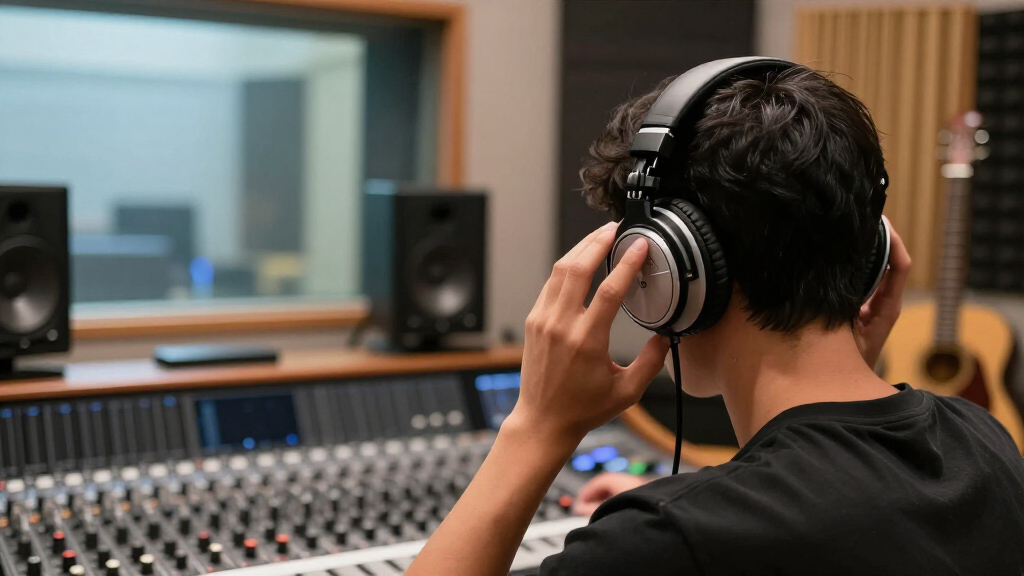

The best studio headphones for creators should match the work being produced, the recording space, and the equipment driving them. My best overall pick is the beyerdynamic DT 770 Pro 80 Ohm because its closed-back isolation, durable build, and practical impedance suit recording, editing, and everyday monitoring. The Audio-Technica ATH-M40x offers the strongest value, while the Sony MDR-M1 makes more sense for buyers seeking a lighter, premium reference model. The main choices are closed-back isolation versus open-back spaciousness, easy device compatibility versus higher power demands, and affordable utility versus long-term comfort and repairability. Continue reading for the full ranking logic, buyer-specific recommendations, and the tradeoffs separating all 13 options.
Complete the kit


Key Takeaways
- The beyerdynamic DT 770 Pro 80 Ohm earned first place because it balances isolation, comfort, durability, and source compatibility better than the more specialized DT 990 Pro or costlier Sony MDR-M1.
- The Audio-Technica ATH-M40x is the value leader: it gives budget-conscious creators a more work-focused choice than the punchier ATH-M50x without dropping to the simpler build of the ATH-M20x.
- The Sony MDR-M1 is the premium pick, but the MDR7506 remains the more economical choice for dialogue editing, location monitoring, and finding hiss or sibilance.
- The DT 990 Pro is the lineup’s mixing specialist. Its open-back design offers a more spacious presentation, yet leakage and its 250-ohm load make it less flexible than the closed-back leaders.
- The OneOdio models prioritize connection flexibility and low prices, while the established studio lines rank higher for tonal familiarity, replacement-part access, and confidence during longer production cycles.
| beyerdynamic DT 770 Pro Studio Headphones (80 Ohm, Black) |  | Best for Critical Tracking | Impedance: 80 Ohm | Acoustic Design: Closed-back, over-ear | Cable Length: 3 m (9.8 ft) | VIEW LATEST PRICE | See Our Full Breakdown |
| OneOdio A71 Hi-Res Studio Recording Headphones |  | Best Budget Connectivity | Driver Size: 40 mm | Connectivity: 3.5 mm and 6.35 mm jacks | Cord: 6.6-9.8 ft coiled | VIEW LATEST PRICE | See Our Full Breakdown |
| Sennheiser HD 280 Pro Headphones, Black |  | Best for Isolation | Connectivity: Wired | Acoustic Design: Closed-back | Fit: Over-ear | VIEW LATEST PRICE | See Our Full Breakdown |
| Sony MDR7506 Professional Large Diaphragm Headphones |  | Best for Dialogue Editing | Driver Size: 40 mm | Magnet Type: Neodymium | Frequency Response: 10 Hz-20 kHz | VIEW LATEST PRICE | See Our Full Breakdown |
| Audio-Technica ATH-M50X Professional Studio Monitor Headphones, Black |  | Best Overall | Driver Size: 45 mm | Impedance: 38 Ohm | Acoustic Design: Circumaural, closed-back | VIEW LATEST PRICE | See Our Full Breakdown |
| Audio-Technica ATH-M20x Professional Studio Monitor Headphones |  | Best Entry-Level Tracking Pick | Driver Size: 40 mm | Fit: Over-ear | Acoustic Design: Circumaural | VIEW LATEST PRICE | See Our Full Breakdown |
| Audio-Technica ATH-M40x Professional Studio Monitor Headphones |  | Best Midrange Studio Workhorse | Driver Size: 40 mm | Magnet Type: Rare earth | Frequency Response: 15 Hz–24 kHz | VIEW LATEST PRICE | See Our Full Breakdown |
| OneOdio A71D Wired Over-Ear Headphones |  | Best Budget Multi-Device Pick | Driver Size: 40 mm | Connectivity: 3.5 mm and 6.35 mm plugs | Cable Length: 2.2 m (7.2 ft) | VIEW LATEST PRICE | See Our Full Breakdown |
| Beyerdynamic DT 990 PRO 250 Ohm Headphones |  | Best for Critical Mixing | Impedance: 250 ohms | Acoustic Design: Open-back | Fit: Over-ear | VIEW LATEST PRICE | See Our Full Breakdown |
| Audio-Technica ATH-M30x Professional Studio Monitor Headphones |  | Best Portable Studio Pick | Driver Size: 40 mm | Acoustic Design: Circumaural | Fit: Over-ear | VIEW LATEST PRICE | See Our Full Breakdown |
| Wired Over-Ear Headphones for Studio Monitoring & Mixing |  | Best for Shared Monitoring | Driver size: 50mm | Driver type: Dynamic | Frequency range: 20Hz–20kHz | VIEW LATEST PRICE | See Our Full Breakdown |
| Sony MDR-M1 Professional Reference Closed Monitor Headphones |  | Best Premium Reference Pick | Acoustic design: Closed-back | Frequency response: 5Hz–80kHz | Weight: 216g | VIEW LATEST PRICE | See Our Full Breakdown |
| OneOdio Pro-10 Wired DJ Headphones |  | Best for DJ-Creators | Driver size: 50mm | Magnet type: Neodymium | Form factor: Over-ear | VIEW LATEST PRICE | See Our Full Breakdown |
| studio headphones for creator | Acoustic Design | Driver Size |
|---|---|---|
| beyerdynamic DT 770 Pro Studio | Closed-back, over-ear | — |
| OneOdio A71 Hi-Res Studio Reco | — | 40 mm |
| Sennheiser HD 280 Pro Headphon | Closed-back | — |
| Sony MDR7506 Professional Larg | Closed-ear | 40 mm |
| Audio-Technica ATH-M50X Profes | Circumaural, closed-back | 45 mm |
| Audio-Technica ATH-M20x Profes | Circumaural | 40 mm |
| Audio-Technica ATH-M40x Profes | Closed-back | 40 mm |
| OneOdio A71D Wired Over-Ear He | — | 40 mm |
| Beyerdynamic DT 990 PRO 250 Oh | Open-back | — |
| Audio-Technica ATH-M30x Profes | Circumaural | 40 mm |
| Wired Over-Ear Headphones for | — | 50mm |
| Sony MDR-M1 Professional Refer | Closed-back | — |
| OneOdio Pro-10 Wired DJ Headph | — | 50mm |
More Details on Our Top Picks
beyerdynamic DT 770 Pro Studio Headphones (80 Ohm, Black)
I place the beyerdynamic DT 770 Pro near the top for creators who need to hear recording flaws before they become mix problems. Its controlled, detailed presentation is better suited to critical tracking than the bass-forward Audio-Technica ATH-M50X, while the closed-back design limits microphone bleed. The velour pads and replaceable components also make this a stronger long-session investment than the more economical OneOdio A71. There are tradeoffs: the 80-ohm impedance may sound underpowered from a weak laptop or phone output, and the fixed 3-meter cable is cumbersome away from a desk. Closed earcups can also trap heat. I rank it below the ATH-M50X for all-purpose flexibility, but its recording-focused accuracy earns a distinct place.
Pros:- Detailed sound exposes recording noise, harshness, and balance problems
- Closed-back earcups help reduce microphone bleed during tracking
- Velour pads support longer editing and recording sessions
- Replaceable parts and German construction support long-term ownership
Cons:- Some portable devices may not drive the 80-ohm version strongly
- Fixed 3-meter cable is awkward for travel and compact desks
- Closed-back earcups may become warm during extended sessions
Best for: Vocalists, instrumentalists, and home-studio engineers who need revealing closed-back headphones for tracking and detailed monitoring
Not ideal for: Mobile creators using low-powered phones or laptops, since the 80-ohm load and long fixed cable favor a studio setup
- Impedance:80 Ohm
- Acoustic Design:Closed-back, over-ear
- Cable Length:3 m (9.8 ft)
- Connector:3.5 mm
- Included Adapter:Gold-plated 6.35 mm (1/4 inch)
- Ear Pads:Velour
- Country of Manufacture:Germany
Our verdict“I recommend this model for creators who value revealing tracking performance more than portable convenience.”
OneOdio A71 Hi-Res Studio Recording Headphones
I include the OneOdio A71 for creators building a first recording setup around several kinds of gear. Separate 3.5 mm and 6.35 mm connections make it easier to move between a computer, interface, guitar amplifier, and DJ equipment, while the SharePort lets a collaborator monitor the same source. That flexibility gives it an advantage over the fixed-cable Sony MDR7506 at the budget end. Still, I would choose the Sony or beyerdynamic DT 770 Pro when dependable tonal judgment matters more than price: the A71 lacks their established reference-monitor reputation. Its folding, swiveling construction aids storage and one-ear monitoring, though the bulky fit can become tiring. The long coiled cord also suits a workstation better than mobile production. This is a utility-first value pick, not my first choice for final mixes.
Pros:- Dual 3.5 mm and 6.35 mm connections work with varied creator equipment
- SharePort supports simple two-person listening
- Swiveling earcups accommodate one-ear DJ monitoring
- Foldable design and padded fit add practical value at a lower price
Cons:- Bulky construction may cause fatigue during long editing sessions
- Wired design and long coiled cord restrict mobile use
- Less suitable for trusted final-mix decisions than established reference headphones
Best for: Beginning podcasters, musicians, and DJs who connect to both consumer devices and equipment with full-size headphone jacks
Not ideal for: Mix engineers making final tonal decisions, since more established reference models offer greater confidence in accuracy
- Driver Size:40 mm
- Connectivity:3.5 mm and 6.35 mm jacks
- Cord:6.6-9.8 ft coiled
- Earcup Rotation:90 degrees
- SharePort:Yes
- Form Factor:Foldable, over-ear
- Color:Black
Our verdict“I favor the A71 for budget-minded creators who need connection flexibility more than reference-grade refinement.”
Sennheiser HD 280 Pro Headphones, Black
I rank the Sennheiser HD 280 Pro as the isolation specialist because its rated attenuation reaches 32 dB, helping creators focus in shared rooms and reducing backing-track spill into microphones. That makes it a more purposeful tracking choice than the Sony MDR7506, whose appeal centers on detail and portability. The Sennheiser also folds and has replaceable ear pads, headband padding, and cable, so worn parts need not end its studio life. Its warm, natural balance is friendly for long monitoring sessions, but I would favor the beyerdynamic DT 770 Pro for more revealing critical work. The firm closed-back fit and bulky shape may tire users sensitive to clamp or heat, while the extending cable adds desk clutter. For noisy creation spaces, though, strong passive isolation outweighs those compromises.
Pros:- Up to 32 dB of passive attenuation helps creators hear details in noisy rooms
- Closed-back fit reduces playback leakage around live microphones
- Replaceable wear parts extend the useful studio life
- Collapsible design is easier to pack than many full-size monitors
Cons:- Firm fit and closed earcups can become tiring or warm
- Bulky styling is less convenient for casual portable use
- Warm presentation is less revealing than the DT 770 Pro for critical checks
Best for: Podcasters, vocalists, and location recordists working near conversations, computer fans, or other distracting room noise
Not ideal for: Creators sensitive to firm clamping pressure or those wanting a slim headphone for daily commuting
- Connectivity:Wired
- Acoustic Design:Closed-back
- Fit:Over-ear
- Noise Attenuation:Up to 32 dB
- Cord Length:3.3-9.8 ft
- Storage Design:Collapsible
- Replaceable Parts:Earpads, headband padding, and audio cord
Our verdict“I would choose the HD 280 Pro when blocking room noise and controlling microphone spill take priority over an airy fit.”
Sony MDR7506 Professional Large Diaphragm Headphones
I select the Sony MDR7506 for dialogue editors, video creators, and location crews who need clear cues about hiss, clicks, and vocal detail. Its 40 mm drivers and 10 Hz-20 kHz response support close inspection, while the folding frame travels more readily than the bulkier Sennheiser HD 280 Pro. Compared with the warmer Audio-Technica ATH-M50X, the Sony places greater emphasis on analytical clarity and less on bass impact, which can help speech editing but may make bright recordings tiring. The non-detachable 9.8-foot cord is the main ownership drawback: cable damage is harder to remedy, and the excess length is inconvenient on the move. Its construction also feels dated beside newer rivals. Even so, I keep it high in the ranking because its compact professional format remains well matched to editing and field-production workflows.
Pros:- Detailed presentation helps reveal noise, clicks, and speech-editing problems
- Foldable frame packs more easily than many studio-oriented competitors
- Closed-ear design provides useful passive noise reduction
- Included full-size adapter supports interfaces and professional equipment
Cons:- Permanent cable is difficult to replace if damaged
- Long cord is cumbersome for mobile production
- Bright analytical character can fatigue listeners and flatter neither poor recordings nor bass-heavy music
Best for: Video editors, podcasters, and field recordists who need portable closed-back monitoring with strong vocal-detail visibility
Not ideal for: Bass-focused music producers or creators who want a detachable cable for easier replacement and travel
- Driver Size:40 mm
- Magnet Type:Neodymium
- Frequency Response:10 Hz-20 kHz
- Acoustic Design:Closed-ear
- Connectivity:Wired
- Cord Length:9.8 ft
- Storage Design:Foldable
- Included Adapter:6.35 mm (1/4 inch)
Our verdict“I recommend the MDR7506 to speech and video creators who want revealing portable monitoring and can accept its fixed cable.”
Audio-Technica ATH-M50X Professional Studio Monitor Headphones, Black
I rank the Audio-Technica ATH-M50X first because it balances studio usefulness, durable construction, and flexible cabling better than the other options here. Its 45 mm drivers deliver clear highs and weighty bass, making it engaging for recording, beat production, video editing, and everyday listening. The beyerdynamic DT 770 Pro is a better specialist for creators seeking a more critical tracking perspective, but the ATH-M50X works across more setups thanks to its 38-ohm load and three detachable cables. Swiveling, folding earcups also give it a portability advantage over the Sennheiser HD 280 Pro. The tradeoff is that its bass-forward character can make low-end mix judgments less neutral, and the circumaural frame remains bulky in a travel bag. I see it as the strongest all-purpose choice, rather than the most analytical one.
Pros:- Versatile sound works well across recording, editing, production, and casual listening
- 38-ohm impedance pairs readily with common creator devices
- Three detachable cables simplify replacement and suit different workspaces
- Folding swivel earcups combine one-ear monitoring with easier storage
Cons:- Enhanced bass can complicate neutral low-end mix decisions
- Full-size folding frame is still bulky for frequent travel
- Closed circumaural fit may become warm during long sessions
Best for: Multi-format creators who record music, edit video, produce beats, and want one wired headphone for studio and everyday use
Not ideal for: Mix engineers seeking a strictly neutral low-frequency reference or travelers wanting a slim, lightweight headset
- Driver Size:45 mm
- Impedance:38 Ohm
- Acoustic Design:Circumaural, closed-back
- Earcup Design:Foldable and swiveling
- Cable System:Detachable
- Included Cables:Three
- Included Adapter:6.3 mm
- Color:Black
Our verdict“I recommend the ATH-M50X as the most adaptable choice for creators who want one dependable headphone across several workflows.”
Audio-Technica ATH-M20x Professional Studio Monitor Headphones
I rank the Audio-Technica ATH-M20x as the entry-level tracking choice because its closed circumaural design provides useful isolation around microphones without adding unnecessary complexity. The 40 mm drivers suit recording, rough editing, and basic mixing, while the single-sided cable keeps the workspace tidier. Compared with the ATH-M30x, this model gives up portability and some midrange detail; the ATH-M40x also offers detachable cables and swiveling earcups for more flexible monitoring. The ATH-M20x still makes sense when affordable, straightforward monitoring matters more than accessories. Its limitations become clearer during detailed mix decisions: the supplied data lacks a stated frequency range, and bass performance may feel restrained beside higher-tier alternatives. I see it as a dependable starting point, not a final reference for demanding production work.
Pros:- Closed circumaural design provides useful isolation during recording
- 40 mm drivers support tracking and basic mixing work
- Single-sided cable reduces desk and equipment clutter
- Accessible design suits first-time studio buyers
Cons:- No detailed frequency-response specification is supplied
- Less portable than the collapsible ATH-M30x
- Bass reproduction may be limited beside higher-end studio models
Best for: I recommend it to beginner musicians and home podcasters who need isolated wired headphones for tracking near a live microphone.
Not ideal for: I would skip it for experienced mix engineers who need documented frequency performance, detachable cables, or highly revealing low-end reproduction.
- Driver Size:40 mm
- Fit:Over-ear
- Acoustic Design:Circumaural
- Sound Isolation:Passive circumaural isolation
- Cable Routing:Single-side exit
- Intended Applications:Studio tracking and mixing
Our verdict“The ATH-M20x is my pick for creators who need an affordable first tracking headphone and can accept modest detail and flexibility.”
Audio-Technica ATH-M40x Professional Studio Monitor Headphones
The Audio-Technica ATH-M40x earns my midrange workhorse slot by pairing closed-back isolation with features that make daily production easier. Its detachable cables and 90-degree swiveling earcups give creators more monitoring flexibility than the ATH-M20x or ATH-M30x, especially when recording performers, checking one channel, or replacing a worn cable. A 15–24 kHz response and 40 mm drivers provide a firmer technical foundation for editing and mixing than Audio-Technica’s cheaper models. It stops short of the broader ambition of the ATH-M50x, while the open-back Beyerdynamic DT 990 PRO creates a more spacious presentation for mix evaluation. The tradeoff is physical: the ATH-M40x can feel bulky during mobile work, and its frequency range is less expansive than premium references. I rank it highly for creators who value serviceability, isolation, and versatility in one practical headset.
Pros:- Detachable cables improve serviceability and setup flexibility
- 90-degree swiveling earcups support single-ear monitoring
- Closed circumaural design limits outside sound during tracking
- Professional-grade pads and headband suit regular studio use
Cons:- Bulkier than the collapsible ATH-M30x for travel
- 15–24 kHz response is less extended than some premium references
- Closed-back presentation is less spacious than the DT 990 PRO
Best for: I recommend it to project-studio producers and recording engineers who want isolated monitoring, replaceable cables, and single-ear flexibility.
Not ideal for: I would skip it for mobile creators who prioritize a slim headset or mixing engineers seeking an open, expansive soundstage.
- Driver Size:40 mm
- Magnet Type:Rare earth
- Frequency Response:15 Hz–24 kHz
- Acoustic Design:Closed-back
- Fit:Circumaural over-ear
- Earcup Rotation:90 degrees
- Cable System:Detachable
Our verdict“The ATH-M40x is my choice for creators seeking a durable, adaptable studio headphone between entry-level simplicity and premium pricing.”
OneOdio A71D Wired Over-Ear Headphones
I place the OneOdio A71D in the multi-device budget role because its 3.5 mm and 6.35 mm connections can move between computers, amplifiers, mixers, and instruments without defining the whole setup around one source. The foldable frame and swiveling earcups also make it more travel-friendly than the ATH-M40x, while single-ear monitoring suits DJ practice and live recording checks. Its 40 mm drivers emphasize deep bass alongside clear mids and highs, which can make casual creation engaging but may be less neutral for precise mix balancing than the Beyerdynamic DT 990 PRO. Soft padding and an adjustable headband support longer sessions, yet the unspecified heavy-duty durability gives me pause for daily professional transport. The 2.2-meter wired cable also limits movement. This is the lineup’s connection-friendly all-rounder, not its most trustworthy mastering reference.
Pros:- 3.5 mm and 6.35 mm connectivity works with varied creator equipment
- Foldable design is easier to pack than many studio headphones
- Swiveling earcups support single-ear monitoring
- Soft padding and adjustable headband support extended sessions
Cons:- Bass-forward presentation may be less dependable for precise mix balance
- Wired 2.2-meter cable restricts movement
- Durability for heavy professional use is not specified
Best for: I recommend it to budget podcasters, guitarists, and beginner DJs who regularly connect headphones to both 3.5 mm and 6.35 mm equipment.
Not ideal for: I would skip it for mastering engineers who need a neutral reference or touring professionals who require documented heavy-duty construction.
- Driver Size:40 mm
- Connectivity:3.5 mm and 6.35 mm plugs
- Cable Length:2.2 m (7.2 ft)
- Fit:Over-ear
- Folding Design:Yes
- Swiveling Earcups:Yes
- Headband:Adjustable
- Color:Black
Our verdict“The OneOdio A71D is my budget choice for creators who prize broad equipment compatibility and portability over strict tonal neutrality.”
Beyerdynamic DT 990 PRO 250 Ohm Headphones
The Beyerdynamic DT 990 PRO takes my critical-mixing position because its open-back construction creates a more natural, spacious soundstage than closed models such as the ATH-M40x or Beyerdynamic DT 770 Pro. That openness helps creators judge placement, ambience, and editing details without the boxed-in character common to tracking headphones. Grey velour pads and a replaceable design also suit long desk-bound sessions, backed by German manufacture. This specialization brings firm boundaries: the 250-ohm impedance may require a dedicated amplifier, and the open earcups leak sound in both directions, making them a poor match for microphone tracking, shared rooms, or travel. The three-meter coiled cable favors a fixed workstation rather than mobile creation. I rank the DT 990 PRO above the closed alternatives for analytical editing and spatial mix work, but below them whenever isolation or simple laptop operation matters more.
Pros:- Open-back design produces a natural, spacious presentation
- Precise clarity supports editing and mix placement decisions
- Replaceable velour pads are suited to long seated sessions
- German manufacture supports a durable professional design
Cons:- 250-ohm impedance may need a dedicated headphone amplifier
- Open earcups leak sound and provide little isolation
- Three-meter coiled cable is cumbersome for portable creation
Best for: I recommend it to mix engineers, video editors, and sound designers working at a quiet desk with a capable audio interface or headphone amplifier.
Not ideal for: I would skip it for vocal tracking, shared studios, and laptop-only creators because sound leakage and 250-ohm impedance complicate those setups.
- Impedance:250 ohms
- Acoustic Design:Open-back
- Fit:Over-ear
- Connection:Wired
- Cable Length:3 m
- Cable Type:Coiled
- Connector:3.5 mm plug with 1/4-inch adapter
- Ear Pads:Replaceable grey velour
- Country of Manufacture:Germany
Our verdict“The DT 990 PRO is my specialist pick for amplified, desk-based mixing where spaciousness matters more than isolation.”
Audio-Technica ATH-M30x Professional Studio Monitor Headphones
I assign the Audio-Technica ATH-M30x the portable studio role because it combines circumaural isolation with a collapsible frame, giving traveling creators a more packable option than the ATH-M20x. Its 40 mm drivers place extra focus on midrange clarity, which helps with dialogue edits, vocal monitoring, and checking instruments that live in the center of a mix. The ATH-M40x remains the stronger permanent-studio choice: it adds detachable cables, swiveling earcups, and more professional-grade materials. The M30x instead favors straightforward portability and a single-sided cable that stays out of the way during location work. I would not choose it for marathon sessions, since comfort may fall behind higher-tier models, and its build may be less durable under constant transport. Its balance of isolation, vocal detail, and storage convenience earns the placement, provided portability outranks modular parts and long-session comfort.
Pros:- Collapsible frame makes storage and transport easier
- Midrange clarity supports vocal, dialogue, and instrument editing
- Circumaural design provides useful passive isolation
- Single-sided cable reduces tangling during location work
Cons:- May become less comfortable during long production sessions
- Build is less robust than higher-tier studio models
- Lacks the detachable cables and swiveling earcups of the ATH-M40x
Best for: I recommend it to traveling podcasters, field editors, and home creators who need foldable monitoring with clear vocal-range reproduction.
Not ideal for: I would skip it for all-day studio engineers and rough daily commuters who need premium comfort, replaceable cables, and stronger long-term durability.
- Driver Size:40 mm
- Acoustic Design:Circumaural
- Fit:Over-ear
- Sound Character:Detailed midrange clarity
- Sound Isolation:Passive circumaural isolation
- Cable Routing:Single-side exit
- Folding Design:Collapsible
Our verdict“The ATH-M30x is my portable studio pick for creators who value isolation and midrange detail more than premium construction or modular cables.”
Wired Over-Ear Headphones for Studio Monitoring & Mixing
I place the Wired Over-Ear Studio Headphones in the shared-monitoring slot because their daisy-chain capability and dual 3.5mm/6.35mm plugs solve practical creator-workflow problems without extra adapters. The 50mm dynamic drivers promise punchy bass and clear treble, making this model flexible for tracking, DJ cueing, and everyday editing. Compared with the OneOdio Pro-10, it offers similar swiveling-cup utility and connector flexibility, but its stated 20Hz–20kHz range is narrower and its unestablished tuning makes mix translation harder to predict. At 260g with a roughly six-foot coiled cable, it belongs near a desk rather than in a travel bag. I would choose it when shared listening and one-ear monitoring matter more than wireless freedom, active noise cancellation, or a proven reference pedigree.
Pros:- Daisy-chain support allows shared listening without a separate splitter
- 50mm dynamic drivers provide strong bass and clear upper frequencies
- Swiveling earcups support single-ear cueing
- Dual connector compatibility works with consumer and studio equipment
Cons:- The stated 20Hz–20kHz range is less expansive than several reference-focused alternatives
- Bulky wired construction is poorly suited to mobile production
- No active noise cancellation for loud working environments
Best for: Home-studio partners, podcast teams, and music tutors who want to share a wired source or switch between 3.5mm and 6.35mm equipment
Not ideal for: Traveling creators and engineers who need wireless mobility, active noise cancellation, or a well-documented reference tuning
- Driver size:50mm
- Driver type:Dynamic
- Frequency range:20Hz–20kHz
- Form factor:Wired over-ear
- Weight:260g (9.1 oz)
- Cable length:5.7–6 ft
- Connectors:3.5mm and 6.35mm
- Earcup movement:Swiveling for single-side monitoring
- Audio sharing:Daisy-chain support
Our verdict“I would pick this model for collaborative wired monitoring, but not for critical mixing that demands a more established reference signature.”
Sony MDR-M1 Professional Reference Closed Monitor Headphones
I rank the Sony MDR-M1 as the premium reference pick because its closed construction, strong isolation, and 5Hz–80kHz response are aimed at revealing detail while keeping outside sound away from recording work. Its 216g frame is lighter than the OneOdio Pro-10 and should place less burden on long editing or mixing sessions. Against the Sony MDR7506, the MDR-M1 offers a far wider stated playback range and two detachable cables, making replacement and studio routing easier. The pro-focused specification is harder to justify for casual listening, while wired-only operation rules out untethered production. Its closed presentation may also feel less spacious than the open-back Beyerdynamic DT 990 PRO. I would pay more for the MDR-M1 when detail, isolation, and serviceable cabling outrank portability and simplicity.
Pros:- 5Hz–80kHz stated response supports highly detailed monitoring
- Strong isolation helps separate recording and playback sound
- Lightweight 216g construction suits extended sessions
- Two detachable cables simplify replacement and connection changes
Cons:- Professional feature set may be excessive for casual listening or basic editing
- Wired-only connectivity limits movement away from the workstation
- Closed-back presentation is less open than an open-back mixing model
Best for: Professional producers, recording engineers, and sound editors who need isolated, lightweight reference monitoring across long studio sessions
Not ideal for: Casual listeners, mobile creators who want Bluetooth, and mixers seeking the spacious presentation of an open-back headphone
- Acoustic design:Closed-back
- Frequency response:5Hz–80kHz
- Weight:216g
- Cable setup:Two detachable cables
- Primary connector:3.5mm stereo jack
- Adapter:Screw-in 6.3mm stereo adapter
- Connectivity:Wired
- Monitoring feature:High sound isolation
Our verdict“I would choose the MDR-M1 for serious reference work where isolation, low weight, and replaceable cables justify a premium position.”
OneOdio Pro-10 Wired DJ Headphones
I give the OneOdio Pro-10 the DJ-creator role because its 90-degree rotating cups, powerful bass, and two jack sizes make cueing and gear changes straightforward. The 50mm neodymium drivers favor impact for beat work and performance monitoring, while the share port lets a collaborator listen without a splitter. Compared with the Sony MDR-M1, this is the more utility-led choice, but it gives up the Sony’s lower weight, reference-focused isolation, and ultra-wide playback claim. Its 10.56-ounce build may feel cumbersome away from a booth or workstation. The bass-forward presentation can help a DJ follow rhythm, yet it may encourage overly cautious low-end choices during mastering. I would pick it when single-ear cueing and connection flexibility carry more weight than neutral reference monitoring or wireless mobility.
Pros:- 90-degree rotating earcups make single-side DJ monitoring easier
- 50mm neodymium drivers deliver forceful bass and clear vocals
- 3.5mm and 6.35mm compatibility suits laptops, interfaces, and DJ gear
- Share port allows a second listener without a splitter
Cons:- Bass emphasis may reduce confidence when making mastering decisions
- At 10.56 ounces, the bulky build is less convenient for travel
- Wired-only operation restricts movement during content production
Best for: DJs, beatmakers, and collaborative home-studio creators who need rotating earcups, strong low-end feedback, and both common wired jack sizes
Not ideal for: Mix engineers seeking a neutral reference balance or mobile creators who need a lighter wireless headphone
- Driver size:50mm
- Magnet type:Neodymium
- Form factor:Over-ear
- Earcup rotation:90 degrees
- Connectivity:Wired
- Connector sizes:3.5mm and 6.35mm
- Weight:10.56 oz
- Audio sharing:Integrated share port
- Warranty:2 years
Our verdict“I would buy the Pro-10 for DJ cueing and beat-driven creation, while choosing the Sony MDR-M1 for more exacting reference work.”
How We Picked
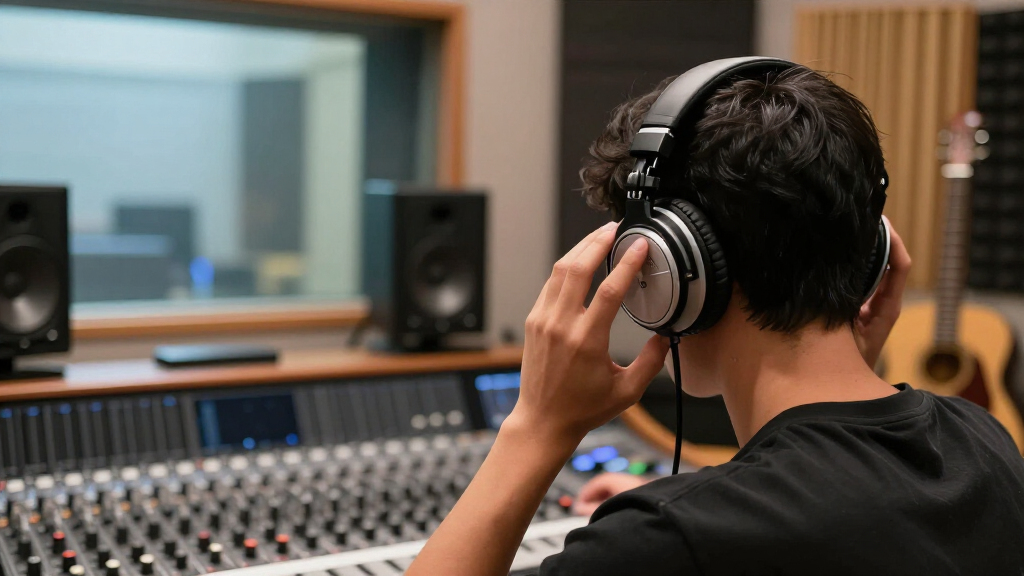
I ranked these headphones by how well they serve real creator workflows rather than by driver size or frequency-range claims alone. My main criteria were tonal usefulness, isolation, comfort during long sessions, build quality, cable and pad serviceability, and compatibility with laptops, recorders, and audio interfaces. I gave extra weight to models that can handle recording, editing, and monitoring without demanding a separate amplifier. Open-back spaciousness received credit for mixing, but leakage reduced versatility for microphone work. Folding designs and dual connectors helped portable creators, though they did not outweigh weak repairability or an overly entertainment-focused sound. Price was judged against usable working life and role coverage, not simply the lowest checkout cost.
The resulting order gives the beyerdynamic DT 770 Pro the Best Overall role, followed by the Best Premium Sony MDR-M1, Best All-Rounder Audio-Technica ATH-M50x, Best for Dialogue Sony MDR7506, and Best Value ATH-M40x. The DT 990 Pro ranks as Best Open-Back, the Sennheiser HD 280 Pro as Best for Isolation, the ATH-M30x as Best Mid-Budget Pick, and the ATH-M20x as Best for Beginners. Among the lower-cost utility choices, the OneOdio A71 is Best for Shared Podcast Monitoring, the A71D is Best Low-Cost Dual-Plug Option, and the Pro-10 is Best for DJ-Oriented Creators. The generic 50mm wired model takes the Best Bare-Bones role but finishes last because brand support, tuning consistency, and replacement-part availability are less clear. Specialized models rank below broader picks when their leakage, power needs, or limited support narrow the number of creator setups they suit.
| studio headphones for creator | Acoustic Design |
|---|---|
| beyerdynamic DT 770 Pro Studio | Closed-back, over-ear |
| OneOdio A71 Hi-Res Studio Reco | — |
| Sennheiser HD 280 Pro Headphon | Closed-back |
| Sony MDR7506 Professional Larg | Closed-ear |
| Audio-Technica ATH-M50X Profes | Circumaural, closed-back |
| Audio-Technica ATH-M20x Profes | Circumaural |
| Audio-Technica ATH-M40x Profes | Closed-back |
| OneOdio A71D Wired Over-Ear He | — |
| Beyerdynamic DT 990 PRO 250 Oh | Open-back |
| Audio-Technica ATH-M30x Profes | Circumaural |
| Wired Over-Ear Headphones for | — |
| Sony MDR-M1 Professional Refer | Closed-back |
| OneOdio Pro-10 Wired DJ Headph | — |
Factors to Consider When Choosing Studio Headphones For Creators
I would choose studio headphones by starting with the work they must handle, not the longest specification list. A creator recording beside an open microphone has different needs from someone mixing alone in a quiet room. The biggest decision points are acoustic design, source power, tonal balance, long-session comfort, and whether paying more improves the daily workflow. The sections below explain where buyers commonly overspend, compromise too far, or choose a technically capable model that does not fit their production routine.
Choose Closed-Back or Open-Back Around the Microphone
Closed-back headphones are usually the safer first purchase because they reduce click-track leakage and block some outside noise during recording. They also work better for editing in shared rooms, on location, or near a computer fan. Open-back headphones can present width and placement more naturally, which helps when balancing dense mixes, but anyone nearby will hear them and microphones may capture the playback. A common mistake is buying an open model as the only pair and then discovering it cannot cover vocal or acoustic-instrument sessions. For a one-headphone setup, I would favor a versatile closed design such as the DT 770 Pro or ATH-M40x. An open model such as the DT 990 Pro makes more sense as a dedicated second pair for quiet-room mixing.
Match Impedance to the Device Driving the Headphones
Higher impedance does not automatically mean better sound, and the number printed on the box does not tell the whole power story. A 250-ohm model such as the DT 990 Pro may play too quietly or lose dynamic headroom from a modest laptop, phone adapter, or portable recorder. The 80-ohm DT 770 Pro is easier to place across mixed creator setups, though output capability still varies between devices. I would check an interface or recorder’s headphone-output rating before adding a separate amplifier. Buying an amplifier by default can waste money that would help more when spent on a microphone, acoustic treatment, or reliable cables. Add one when the existing source cannot provide clean volume with spare headroom, not because a forum treats it as mandatory.
Pick a Sound Profile That Exposes the Right Problems
A studio label does not promise perfectly flat sound, so I would ask which problems a headphone makes easier to hear. Bright detail can reveal hiss, clicks, and harsh consonants, which helps dialogue editors, but it can also cause overly dark mix decisions or listening fatigue. Extra bass may keep performers engaged during tracking, yet it can tempt a mixer to understate low frequencies. Compared with the livelier ATH-M50x, the ATH-M40x has a more restrained value proposition for buyers focused on production rather than casual listening. Reference tracks from the same genre are more useful than trying to memorize an abstract idea of neutrality. For final mix decisions, I would use several familiar playback checks instead of trusting any single headphone completely.
Treat Comfort and Repairability as Production Features
Clamp force, pad material, heat, and cable pull become workflow issues during a four-hour edit, even when they look minor on a product page. Strong isolation often comes with firmer pressure, while soft velour pads can feel cooler but allow more sound exchange with the room. A detachable cable is easier to replace, yet a fixed cable can remain dependable when it is thick and properly strain-relieved. Folding hinges save bag space but add moving parts that can wear under daily travel. I would check the price and availability of replacement pads and cables before treating a low purchase price as long-term value. Creators working every day should place serviceability above cosmetic design, since a small replaceable part can keep a familiar monitoring tool in use for years.
Know When Paying More Changes the Workflow
Premium pricing is easiest to justify through daily comfort, lower weight, dependable parts, and repeatable monitoring, not prestige. The Sony MDR-M1 is aimed at the buyer who will use one closed reference headphone frequently enough to benefit from that refinement. A beginner recording occasional voiceovers may gain little from that expense compared with the ATH-M20x or ATH-M30x. OneOdio models offer useful plug flexibility and sharing features, but those conveniences should not be mistaken for the same production focus as the established reference lines. I would spend more when headphones are used for hours each day, when mixes regularly leave the studio, or when downtime costs more than replacement parts. If the room, microphone placement, or recording technique remains the main limitation, direct the budget there and choose a competent midrange headphone instead.
Frequently Asked Questions
Do the DT 770 Pro 80 Ohm and DT 990 Pro 250 Ohm need a headphone amplifier?
The DT 770 Pro 80 Ohm will usually pair more comfortably with common audio interfaces, recorders, and stronger laptop outputs, though available volume varies. The DT 990 Pro 250 Ohm is more demanding and has a greater chance of sounding too quiet from portable or low-power devices. I would connect the headphones to the intended source and check whether clean peaks leave comfortable volume headroom. If the control must remain near maximum or loud passages sound strained, a capable interface or headphone amplifier can help. An amplifier will not correct room acoustics, headphone tuning, or a weak mix, so it should solve a verified power problem.
Should a creator buy closed-back headphones before open-back headphones?
For most single-pair setups, I would buy closed-back headphones first. They cover vocal tracking, podcast recording, video editing, location work, and late-night monitoring without sending as much playback into the room. Open-back headphones can be valuable for judging width and layered arrangements, but they need a quiet space and cannot sit safely beside many live microphones. That makes the DT 990 Pro a strong specialized addition rather than the most flexible starting point. Creators who never record and work only in a private room may prefer to reverse that order and prioritize an open, spacious presentation.
Which Audio-Technica model makes the most sense: ATH-M20x, M30x, M40x, or M50x?
I would match this range to budget and workload rather than assuming the highest number is the automatic choice. The ATH-M20x suits beginners who need a basic closed monitor for learning, while the M30x offers a step up for regular editing and recording. The ATH-M40x is my value choice because it reaches a stronger balance of production utility, build, and price. The M50x costs more but adds a livelier, broadly appealing presentation and a well-developed accessory ecosystem, making it better for creators who also want everyday listening versatility. Buyers focused mainly on careful mix decisions may find the M40x’s lower price leaves room for reference speakers or acoustic work.
Is the Sony MDR-M1 worth paying more for than the MDR7506?
The answer depends on whether the headphone will be a daily reference tool or a task-specific monitor. The MDR-M1 is the premium choice for buyers prioritizing a current professional design, long-session wear, and a broader reference role. The MDR7506 remains a sharper value for dialogue and location work, where its revealing upper-range character can make noise and consonant problems easier to spot. That same character may become tiring or shape mix choices when used alone for long periods. I would pay for the MDR-M1 when comfort and all-day versatility justify the gap, but choose the MDR7506 when budget and problem detection lead the decision.
Are the OneOdio models suitable for final mixing, or mainly for recording and podcasting?
The OneOdio options make the most sense when low cost, folding portability, dual plugs, or audio sharing matter more than a reference-oriented pedigree. Those traits are handy for podcast guests, rough editing, DJ practice, and monitoring performers. For final mixing, I would favor the DT 770 Pro, ATH-M40x, Sony MDR-M1, or an open-back pair because their studio roles and long-term support are clearer. A creator can still produce good work on inexpensive headphones by learning them through reference tracks and checking mixes elsewhere. The limitation is not that affordable models are unusable; it is that connection convenience does not equal dependable mix translation.
Conclusion
For most creators, I recommend the beyerdynamic DT 770 Pro 80 Ohm as the best overall choice because it covers recording, editing, and monitoring with fewer setup restrictions than the open-back or higher-priced alternatives. The Audio-Technica ATH-M40x is the best value, while the ATH-M20x is the better beginner purchase for a first home-studio setup. Buyers seeking a premium closed reference should choose the Sony MDR-M1; dialogue editors and location recordists can save money with the Sony MDR7506. For specific needs, the DT 990 Pro is my open-back mixing pick, the Sennheiser HD 280 Pro suits isolation-heavy tracking, and the OneOdio A71 serves shared podcast monitoring. The ATH-M50x fits creators who want one foldable model for production and everyday listening, while the A71D and Pro-10 are narrower budget choices built around plug flexibility or DJ use. I would choose by the hardest task the headphones must perform, then confirm that the acoustic design and impedance fit the room and playback device.