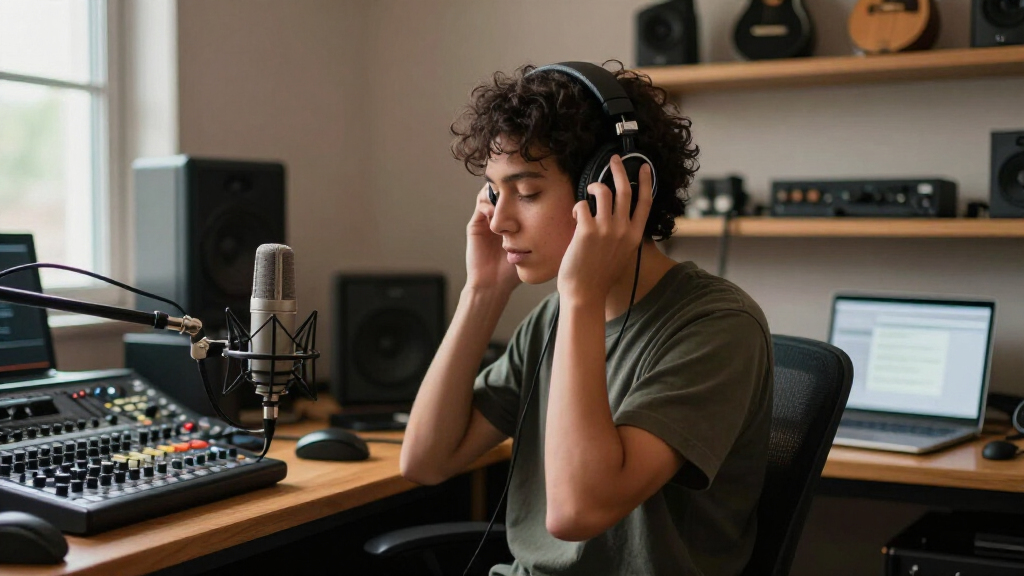
Wireless studio headphones have to solve a problem regular Bluetooth headphones ignore: low latency and honest sound for tracking, mixing, and DJing without a cable tying you down. My best overall pick is the Audio-Technica ATH-M50XBT2, which takes the tuning of the legendary wired M50X and adds a solid wireless mode without wrecking the frequency balance. Close behind, the OneOdio Studio Max 2 stands out for its 9ms latency and LDAC support, making it the smarter choice for producers who monitor wirelessly, while the beyerdynamic AVENTHO Y delivers the most refined listening experience for critical mixing sessions. The main tradeoff in this category is accuracy versus convenience — most cheap wireless models add coloration or lag that makes them fine for checking mixes but risky for final decisions, and a few models here (like the open-back DT 990 Pro and DT 900 PRO X) made the list precisely because they pair well with wireless adapters for serious work. Read on for the full breakdown, including which budget picks actually hold up and which premium models are worth the stretch.
Play games included with Prime
Start a Prime free trial and play with Amazon Luna on your devices.
Start playingAs an affiliate, we earn on qualifying purchases.
Complete the kit


Key Takeaways
- Latency separated the contenders from the pretenders: only the OneOdio Studio Max 2 (9ms) and Studio Max 1 (20ms) are genuinely usable for live monitoring and DJing, while standard Bluetooth models add enough lag to make overdubbing painful.
- The ATH-M50XBT2 won best overall because it is the only model that competes with its own wired counterpart — most wireless conversions of studio headphones noticeably color the sound, and this one largely doesn’t.
- Open-back studio headphones (DT 990 Pro, DT 900 PRO X) made the list despite lacking Bluetooth because they remain the reference standard for mixing — a wireless adapter gets you 90% of the convenience without the sonic compromise.
- Under $100, the OneOdio A70 and ATH-M20xBT are honest tools; the Beats Studio Pro and Sony WH-CH720N are better consumer headphones than studio monitors, and I ranked them accordingly.
- Battery life claims diverged wildly — from roughly 25 hours on premium models to 110 hours on the OneOdio Pro C — and the ranking rewards models that pair long runtime with a wired passthrough mode so a dead battery never ends a session.
| OneOdio A70 Bluetooth Over-Ear Headphones, Hi-Res Wired DJ Studio – Black | 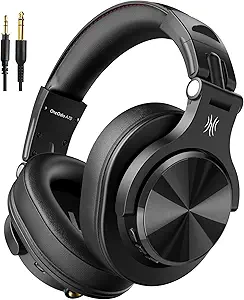 | Best Budget Entry Point | Battery Life: Up to 72 hours | Drivers: 40mm neodymium | Connectivity: Bluetooth, 3.5mm, 6.35mm | VIEW LATEST PRICE | See Our Full Breakdown |
| beyerdynamic AVENTHO Y Wireless Bluetooth Headphones, Blue Fusion |  | Best Premium Wireless Pick | Driver Size: 45 mm | Battery Life: Up to 90 hours | Active Noise Cancelling: Yes, with transparency mode | VIEW LATEST PRICE | See Our Full Breakdown |
| OneOdio Studio Max 1 Wireless DJ & Wired Studio Headphones, 20ms Latency |  | Best for DJs and Producers | Connectivity: Bluetooth 5.3, 3.5mm/6.35mm wired | Latency: 20ms | Battery Life: 120 hours Bluetooth, 50 hours dongle | VIEW LATEST PRICE | See Our Full Breakdown |
| beyerdynamic DT 990 Pro (250 Ohm), Open-Back Studio Headphones, Black |  | Best Reference Sound — With a Wireless Caveat | Impedance: 250 Ohm | Frequency Response: 5 – 35,000 Hz | Design: Open-back | VIEW LATEST PRICE | See Our Full Breakdown |
| Audio-Technica ATH-M20xBT Wireless Over-Ear Headphones, Black |  | Best Value for Trusted Tuning | Driver Size: 40 mm | Connectivity: Bluetooth wireless, 3.5mm wired | Battery Life: Up to 60 hours | VIEW LATEST PRICE | See Our Full Breakdown |
| AIAIAI TMA-2 Studio Wireless Black Over-Ear Headphones |  | Best for Producers Who Need Low Latency | Connectivity: Wireless (W+ Link, Bluetooth), wired (detachable cable) | Latency: Under 10ms | Playback Time: 20+ hours | VIEW LATEST PRICE | See Our Full Breakdown |
| Beats Studio Pro Wireless Over-Ear Headphones |  | Best for Travel and Commuting Between Sessions | Battery Life: Up to 40 hours | Active Noise Cancelling: Yes, with transparency mode | Connectivity: Bluetooth, USB-C, 3.5mm cable | VIEW LATEST PRICE | See Our Full Breakdown |
| Sony WH-CH720N Wireless Noise Cancelling Over-Ear Headphones, Black |  | Best Budget-Friendly All-Rounder | Weight: 192g | Battery Life: Up to 35 hours | Quick Charging: 3 minutes for 1 hour of playback | VIEW LATEST PRICE | See Our Full Breakdown |
| OneOdio Pro C Wired & Wireless Over-Ear Headphones, 110H, 50mm Drivers |  | Best Budget Battery Champion | Battery Life: 110 hours wireless | Driver Size: 50mm | Connectivity: Wireless and wired (3.5mm jack) | VIEW LATEST PRICE | See Our Full Breakdown |
| Audio-Technica ATH-M50XBT2 Wireless Headphones, Black |  | Best Wireless Studio Sound | Battery Life: Up to 50 hours | Rapid Charge: 3 hours of use on a 10-minute charge | Drivers: 45mm proprietary | VIEW LATEST PRICE | See Our Full Breakdown |
| beyerdynamic DT 900 PRO X Studio Mixing Open Back Headphones | 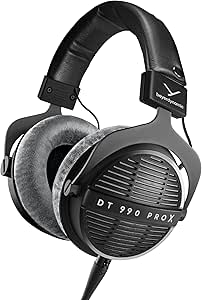 | Best for Critical Mixing Accuracy (Wired Reference) | Impedance: 48 ohms | Driver: 45mm high-resolution transducer | Connectivity: Wired, 3.5 mm jack, detachable mini-XLR cable | VIEW LATEST PRICE | See Our Full Breakdown |
| OneOdio Studio Max 2 Wireless DJ Headphones, 9ms Latency, Studio LDAC |  | Best Low-Latency Wireless Pick | Latency: 9ms | Codec: LDAC | Drivers: 45mm High-Flux | VIEW LATEST PRICE | See Our Full Breakdown |
| Audio-Technica ATH-M50X Professional Studio Monitor Headphones, Black |  | The Wired Benchmark (Best Known Quantity) | Driver Size: 45 mm | Design: Closed-back, circumaural | Swiveling Earcups: 90 degrees | VIEW LATEST PRICE | See Our Full Breakdown |
| PUPGSIS 2.4GHz Wireless DJ Headphones with Low Latency and Multiple Connectivity Modes |  | Best Budget Multi-Mode Option | Connectivity: 2.4G, Bluetooth 5.3, AUX | Battery Life: 60 hours (Bluetooth), 30 hours (dongle) | Drivers: 50mm dynamic | VIEW LATEST PRICE | See Our Full Breakdown |
| Beats Studio Pro Wireless Over-Ear Headphones | 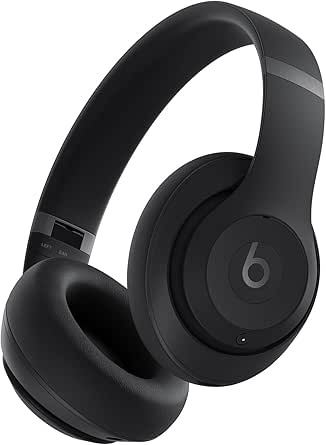 | Best for Production on the Move | Battery Life: Up to 40 hours | Active Noise Cancelling: Yes, with transparency mode | Connectivity: Bluetooth, USB-C, 3.5 mm audio | VIEW LATEST PRICE | See Our Full Breakdown |
| wireless studio headphone | Connectivity | Battery Life |
|---|---|---|
| OneOdio A70 Bluetooth Over-Ear | Bluetooth, 3.5mm, 6.35mm | Up to 72 hours |
| beyerdynamic AVENTHO Y Wireles | — | Up to 90 hours |
| OneOdio Studio Max 1 Wireless | Bluetooth 5.3, 3.5mm/6.35mm wired | 120 hours Bluetooth, 50 hours dongle |
| beyerdynamic DT 990 Pro | — | — |
| Audio-Technica ATH-M20xBT Wire | Bluetooth wireless, 3.5mm wired | Up to 60 hours |
| AIAIAI TMA-2 Studio Wireless B | Wireless (W+ Link, Bluetooth), wired (detachable cable) | — |
| Beats Studio Pro Wireless Over | Bluetooth, USB-C, 3.5mm cable | Up to 40 hours |
| Sony WH-CH720N Wireless Noise | Bluetooth with multipoint connection | Up to 35 hours |
| OneOdio Pro C Wired & Wireless | Wireless and wired (3.5mm jack) | 110 hours wireless |
| Audio-Technica ATH-M50XBT2 Wir | Bluetooth with multipoint pairing | Up to 50 hours |
| beyerdynamic DT 900 PRO X Stud | Wired, 3.5 mm jack, detachable mini-XLR cable | — |
| OneOdio Studio Max 2 Wireless | Wireless (2.4G, Bluetooth 6.0), Wired (3.5mm, 6.35mm) | 120 hours |
| Audio-Technica ATH-M50X Profes | Wired | — |
| PUPGSIS 2.4GHz Wireless DJ Hea | 2.4G, Bluetooth 5.3, AUX | 60 hours (Bluetooth), 30 hours (dongle) |
| Beats Studio Pro Wireless Over | Bluetooth, USB-C, 3.5 mm audio | Up to 40 hours |
More Details on Our Top Picks
OneOdio A70 Bluetooth Over-Ear Headphones, Hi-Res Wired DJ Studio – Black
The OneOdio A70 earns its spot as the most affordable way into wireless studio monitoring, and its secret weapon is flexibility: Bluetooth when you want freedom, plus both 3.5mm and 6.35mm cables when you need a zero-latency wired connection at a mixer or interface. That dual-mode approach makes it a better first studio headphone than the similarly priced PUPGSIS 2.4GHz set, which leans harder into DJ-specific wireless at the expense of wired versatility. The 72-hour battery outlasts the Audio-Technica ATH-M20xBT by a full half-day, and the audio-sharing jack is genuinely handy for collaborative sessions. The tradeoff is clear: bass is tuned warmer than a flat studio reference, and there’s no active noise cancellation like the beyerdynamic AVENTHO Y offers. Treat this as a learning tool, not a final-word monitor.
Pros:- Up to 72 hours of battery life beats most rivals at any price
- Includes both 3.5mm and 6.35mm cables for direct interface and mixer use
- Audio sharing function lets two people monitor simultaneously
- Comfortable memory-cotton ear pads for long sessions
Cons:- Bass-forward tuning is not a flat studio reference
- No active noise cancellation and vague isolation specs
Best for: Beginner producers and hobbyist DJs who want wired and wireless options in one cheap, durable package
Not ideal for: Engineers who need a neutral, flat reference — the bass emphasis colors mixing decisions
- Battery Life:Up to 72 hours
- Drivers:40mm neodymium
- Connectivity:Bluetooth, 3.5mm, 6.35mm
- Design:Foldable, ergonomic over-ear
- Materials:Aluminum fascia, memory cotton, protein leather
- Microphone:Built-in with noise reduction
Our verdict“Buy this if you’re starting out and want maximum connectivity per dollar; skip it once your mixes need honest low-end judgment.”
beyerdynamic AVENTHO Y Wireless Bluetooth Headphones, Blue Fusion
Among true wireless options here, the AVENTHO Y is the most complete package: 90 hours of battery, active noise cancelling with transparency, Bluetooth 6.0 multipoint, and a replaceable battery — a rarity that directly addresses the biggest sustainability problem with wireless headphones. Compared with the OneOdio Studio Max 1, it trades raw studio utility (no 6.35mm DJ-style workflow) for everyday polish: a 5-band EQ, foldable travel design, and four colorways. The 45mm drivers deliver beyerdynamic’s characteristic detail without the harshness some find in the wired DT 990 Pro. The price is the real barrier — it costs several times the OneOdio A70 — and the ear pads are interchangeable but battery swaps may need technical support. For a producer who also commutes, this bridges studio and street better than anything else in this batch.
Pros:- 90-hour battery life leads this entire lineup
- Replaceable battery extends usable lifespan far beyond typical wireless models
- ANC with transparency mode plus Bluetooth 6.0 multipoint
- 5-band EQ allows tuning the response to your mix environment
Cons:- Premium price is a real barrier compared to OneOdio alternatives
- Battery replacement may require technical support rather than a simple DIY swap
Best for: Working producers and audiophiles who want studio-grade sound plus ANC and everyday portability
Not ideal for: Budget-limited buyers or pure studio DJs who need 6.35mm wired monitoring at a mixer
- Driver Size:45 mm
- Battery Life:Up to 90 hours
- Active Noise Cancelling:Yes, with transparency mode
- Bluetooth Version:6.0 with multipoint
- Range:20 meters
- Battery:Replaceable
- Warranty:2 years
Our verdict“If budget allows and you want one pair that survives the studio, the commute, and the next five years, this is the one to buy.”
OneOdio Studio Max 1 Wireless DJ & Wired Studio Headphones, 20ms Latency
The Studio Max 1 is the workhorse of this batch, built around a problem most wireless headphones ignore: latency. At 20ms over Bluetooth 5.3 — dropping further with a dongle — it’s usable for live DJ cueing and tracking, which is exactly where the OneOdio A70 falls short. Its 120-hour battery tops even the AVENTHO Y, and the 5-minutes-for-5-hours quick charge means a forgotten charge never kills a session. The rotating, folding ear cups and metal headband mirror what you’d expect from a wired DJ can, and Hi-Res/LDAC certification gives it credibility the Audio-Technica ATH-M20xBT can’t match. The compromises: it’s bulkier than consumer-focused rivals, the feature set is overkill for someone who just wants to listen, and newer siblings like the Studio Max 2 push latency even lower. If your work happens behind decks or a DAW, this is the smarter tool.
Pros:- 20ms latency makes wireless actually viable for DJ cueing and recording
- 120-hour battery with 5-minute quick charge is class-leading endurance
- Hi-Res Audio, LDAC, and LC3 support for high-quality streaming
- Rotating ear cups and adjustable metal headband built for one-ear DJ monitoring
Cons:- Bulkier and heavier than consumer wireless models
- Feature set is more than casual listeners need or want to pay for
Best for: DJs, beatmakers, and mobile producers who need low-latency wireless plus full wired fallback
Not ideal for: Casual listeners — the DJ-oriented design, dongle features, and bulk are wasted money here
- Connectivity:Bluetooth 5.3, 3.5mm/6.35mm wired
- Latency:20ms
- Battery Life:120 hours Bluetooth, 50 hours dongle
- Quick Charge:5 minutes = 5 hours
- Drivers:50mm
- Audio Support:Hi-Res Audio, LDAC, LC3
- Microphone:Dual-mic ENC
Our verdict“The clear choice if you mix or perform; overbuilt if you mainly stream music at a desk.”
beyerdynamic DT 990 Pro (250 Ohm), Open-Back Studio Headphones, Black
The DT 990 Pro sits in a wireless roundup as the benchmark everyone else is measured against — and it isn’t wireless at all. That’s the honest tradeoff: 250 ohms means a headphone amp or audio interface is mandatory, and the open-back design leaks sound in and out, ruling out noisy rooms and tracking vocals. What you get in return is a wide, honest stereo image that makes the OneOdio Studio Max 1 sound closed-in and the A70 sound bass-bloated by comparison. For mixing and mastering decisions, nothing else in this batch is as revealing. The velour pads keep marathon sessions comfortable, and German build quality plus replaceable pads means years of service. If your studio work is stationary and accuracy outranks convenience, this is the reference; if you need to move, the AVENTHO Y or Studio Max 1 make more sense.
Pros:- Wide, detailed stereo imaging ideal for critical mixing decisions
- Velour ear pads stay comfortable through marathon sessions
- Durable German build with replaceable parts
- 5–35,000 Hz frequency response reveals detail closed-back rivals hide
Cons:- 250-ohm impedance requires a headphone amp for proper volume
- Open-back design leaks sound and provides no isolation
- Fixed 3m coiled cable and no Bluetooth limit mobility entirely
Best for: Mixing and mastering engineers with a headphone amp who prioritize accuracy over convenience
Not ideal for: Anyone needing wireless freedom, noise isolation, or portable use — the open-back, high-impedance design fails all three
- Impedance:250 Ohm
- Frequency Response:5 – 35,000 Hz
- Design:Open-back
- Ear Pads:Velour, replaceable
- Cable:Fixed 3m coiled with 1/4-inch adapter
- Made In:Germany
Our verdict“The accuracy king of this list, but only for stationary, amp-equipped studios — everyone else should buy a true wireless pick.”
Audio-Technica ATH-M20xBT Wireless Over-Ear Headphones, Black
The ATH-M20xBT answers a simple question: what if Audio-Technica’s studio tuning went wireless without a price hike? Sitting far below the ATH-M50XBT2 in cost, it inherits the neutral-leaning family sound and adds 60 hours of battery, multipoint pairing, and a low-latency mode. The wired 3.5mm fallback means it still plugs into an interface when Bluetooth isn’t welcome — though unlike the OneOdio A70, there’s no 6.35mm plug for pro gear without an adapter. Its 10-minute rapid charge is genuinely useful, matching the convenience philosophy of the pricier Studio Max 1 at a fraction of the cost. Where it trails: no active noise cancellation (the AVENTHO Y and Sony WH-CH720N both offer it), and the enhanced bass is friendlier to listening than to final mix decisions. As a do-everything second pair, it’s the smartest value here.
Pros:- Trusted Audio-Technica studio tuning at a very accessible price
- 60-hour battery with 10-minute rapid charge
- Multipoint pairing and low-latency mode for real-world flexibility
- Wired 3.5mm mode doubles as a zero-latency studio fallback
Cons:- No active noise cancellation at any kind
- Bass emphasis is pleasant but not strictly neutral for mixing
Best for: Students and home producers who want reputable studio-brand sound, wireless convenience, and a backup wired mode on a budget
Not ideal for: Buyers who want active noise cancellation or a strictly flat reference for final mixes
- Driver Size:40 mm
- Connectivity:Bluetooth wireless, 3.5mm wired
- Battery Life:Up to 60 hours
- Charge Time:3 hours full, 10-minute rapid charge
- Cable Length:1.2 m
- Extras:Multipoint pairing, low-latency mode, built-in mic
Our verdict“The best price-to-trust ratio in this batch — a sensible main pair for beginners or a capable wireless second pair for the studio.”
AIAIAI TMA-2 Studio Wireless Black Over-Ear Headphones
Latency is what separates studio-capable wireless headphones from consumer ones, and this is where the TMA-2 Studio Wireless earns its spot. With sub-10ms latency over its W+ Link connection, this model is one of the few here you can realistically produce and mix on without the audio lag that plagues standard Bluetooth. Compared to the Audio-Technica ATH-M50XBT2, which offers longer battery life at 50 hours, the AIAIAI trades endurance for a purpose-built music creation mode and app-based EQ tuning. The memory foam cushions and PU leather headband hold up through long sessions, though the premium price stings when the Sony WH-CH720N costs far less for casual listening. This pick makes the most sense for anyone who actually makes music, not just listens to it.
Pros:- Sub-10ms latency suitable for real-time music creation
- Wired, Bluetooth, and dedicated creation modes in one unit
- Customizable EQ profile through the AIAIAI app
- Memory foam cushions comfortable through long sessions
Cons:- Full sound customization requires the companion app
- Premium price well above mainstream wireless options
Best for: Bedroom producers and electronic musicians who need near-zero latency for tracking and arranging
Not ideal for: Budget-conscious listeners — at this price, it’s overkill if you’re not producing or performing
- Connectivity:Wireless (W+ Link, Bluetooth), wired (detachable cable)
- Latency:Under 10ms
- Playback Time:20+ hours
- Material:Memory foam cushions, PU leather headband
- Modes:Bluetooth, wired, and music creation modes
- Color:Black
Our verdict“Buy this if wireless production work — not just listening — is your priority; skip it if you only need casual playback.”
Beats Studio Pro Wireless Over-Ear Headphones
The Beats Studio Pro isn’t a pure studio tool, and that’s exactly why it has a place here: it’s the pick for the producer whose headphones live in a backpack. With up to 40 hours of battery, effective ANC, and USB-C lossless audio, it handles a commute as well as a rough mix reference check. Compared to the AIAIAI TMA-2 Studio Wireless, the Beats offers stronger noise cancelling and broader device compatibility, but standard Bluetooth latency means it’s a listening and referencing tool rather than a tracking one. The ATH-M50XBT2 edges it out on neutral tuning; the Beats leans more consumer-friendly with a livelier character. If your headphones need to double as daily drivers, this option stands out for versatility.
Pros:- Up to 40 hours of battery with fast charging
- Effective ANC plus transparency mode
- Lossless audio via USB-C wired connection
- Seamless pairing across Apple and Android devices
Cons:- Premium price for the feature set
- Bluetooth latency unsuitable for real-time tracking
- Sound signature is consumer-tuned rather than studio-neutral
Best for: Traveling musicians and commuters who want one pair for reference listening, calls, and travel
Not ideal for: Mixing engineers who need flat, neutral tuning — the consumer-leaning sound signature colors reference work
- Battery Life:Up to 40 hours
- Active Noise Cancelling:Yes, with transparency mode
- Connectivity:Bluetooth, USB-C, 3.5mm cable
- Audio:Lossless via USB-C
- Compatibility:Apple and Android
- Design:Over-ear
Our verdict“This is the pick for producers who live on the move and want travel-grade ANC with occasional reference duty; serious mixers should look elsewhere.”
Sony WH-CH720N Wireless Noise Cancelling Over-Ear Headphones, Black
At 192g, the Sony WH-CH720N is the lightest model in this lineup, and that weight difference changes how you use headphones — all-day wear without clamping fatigue is a real outcome, not a spec-sheet line. With 35 hours of battery, DSEE upscaling, and multipoint pairing, it covers the basics that matter for long listening and editing sessions. Against the Beats Studio Pro, the Sony costs noticeably less and still delivers functional ANC, though it lacks the USB-C lossless path and the Beats’ stronger isolation. Compared to the OneOdio Pro C, it’s far more refined in tuning but can’t match that model’s marathon 110-hour battery. This model is better suited to home studio listening and editing on a budget than to critical mixing.
Pros:- Featherlight 192g build comfortable for all-day wear
- 35-hour battery with 3-minute quick charge
- Multipoint connection for easy device switching
- DSEE sound enhancement and clear call quality
Cons:- ANC is functional but not in the league of pricier rivals
- Consumer-leaning tuning less accurate for mixing
Best for: Students and home editors who want comfortable, long-wearing wireless headphones without a premium price
Not ideal for: Anyone needing reference-grade accuracy — the consumer tuning and modest ANC won’t satisfy critical studio work
- Weight:192g
- Battery Life:Up to 35 hours
- Quick Charging:3 minutes for 1 hour of playback
- Connectivity:Bluetooth with multipoint connection
- Noise Cancelling:Yes, with Ambient Sound mode
- Features:Adaptive Sound Control, DSEE
- Included Cable:USB Type-C
Our verdict“The smart spend if comfort and battery matter more than studio-grade accuracy.”
OneOdio Pro C Wired & Wireless Over-Ear Headphones, 110H, 50mm Drivers
110 hours of playback is the headline here, and no other model in this roundup comes close — the Sony WH-CH720N manages 35 hours and the ATH-M50XBT2 tops out at 50. For DJs, long-haul travel, or anyone who hates charging cables, that endurance is genuinely useful. The 50mm drivers deliver punchy bass and forward vocals, which suits DJ monitoring and casual listening better than flat-reference mixing — the tuning is warmer than Audio-Technica’s more neutral signature. The foldable design and dual wired/wireless modes add flexibility the Beats Studio Pro matches only via its USB-C and 3.5mm options. The tradeoff is fit consistency: some users report the clamp feels either tight or loose depending on head shape, and real battery life varies with volume.
Pros:- Exceptional 110-hour wireless battery life
- Large 50mm drivers with punchy bass and clear vocals
- Foldable, portable design with dual wired/wireless modes
- Built-in HD microphone with noise reduction
Cons:- Fit can feel inconsistent — too tight or loose depending on head shape
- Bass-forward tuning less accurate for reference work
- Real-world battery varies with volume and usage
Best for: DJs and frequent travelers who prioritize extreme battery life and wired backup on a budget
Not ideal for: Critical listeners seeking balanced, neutral tuning — the bass-forward character colors detailed mixes
- Battery Life:110 hours wireless
- Driver Size:50mm
- Connectivity:Wireless and wired (3.5mm jack)
- Design:Over-ear, foldable, ergonomic
- Microphone:Built-in HD with noise reduction
- Sound:High-resolution, punchy bass
Our verdict“If charging weekly instead of daily is your priority and neutral tuning isn’t, this is the obvious budget pick.”
Audio-Technica ATH-M50XBT2 Wireless Headphones, Black
The ATH-M50XBT2 is essentially the legendary wired M50X untethered, and that lineage shows: the 45mm proprietary drivers deliver deep, accurate bass and a tuning you can actually trust for reference listening. Where the Beats Studio Pro colors the sound for enjoyment, this Audio-Technica keeps things closer to neutral — the closest thing to a studio monitor in this batch of wireless picks. With 50 hours of battery, a 10-minute charge yielding 3 hours of play, and multipoint pairing, it’s practical for daily use too. Unlike the OneOdio Pro C, however, there’s no wired fallback mentioned, so a dead battery ends your session. This pick makes the most sense for producers who want trustworthy wireless sound rather than the absolute lowest latency — that honor goes to the AIAIAI TMA-2 Studio Wireless.
Pros:- Studio-accurate tuning inherited from the wired M50X
- Up to 50 hours of battery life
- 10-minute rapid charge delivers 3 hours of playback
- Multipoint pairing connects two devices at once
Cons:- No wired listening option for when battery runs out
- Bulkier than lightweight rivals like the Sony WH-CH720N
Best for: Producers and audiophiles who want trustworthy, near-neutral wireless sound for referencing and enjoyment
Not ideal for: Anyone who wants wired backup — the lack of a cable option means a dead battery stops playback cold
- Battery Life:Up to 50 hours
- Rapid Charge:3 hours of use on a 10-minute charge
- Drivers:45mm proprietary
- Connectivity:Bluetooth with multipoint pairing
- Microphones:Dual beamforming mics for calls
- Color:Black
Our verdict“The best-sounding wireless option here for accurate listening — just keep it charged, because there’s no cable fallback.”
beyerdynamic DT 900 PRO X Studio Mixing Open Back Headphones
This option stands out for one thing the wireless field can’t match: mixing accuracy through an open-back design. While models like the OneOdio Studio Max 2 chase low latency, the DT 900 PRO X chases truth — its natural soundstage and precise imaging make placement decisions in a mix far easier to trust. The 48-ohm impedance is a quiet win here: compared with the beyerdynamic DT 990 Pro (250 Ohm), it reaches full volume from any interface or laptop without a dedicated amp. The tradeoff is fundamental — no wireless at all, plus open-back leakage means zero privacy and poor suitability for recording vocals nearby. This pick makes the most sense for producers who treat wireless as a convenience elsewhere in their kit but want an untouchable wired reference at the desk.
Pros:- Open-back soundstage delivers accurate imaging for mix decisions
- 48-ohm impedance drives full volume from any source, no amp needed
- High-resolution 45mm transducer with low distortion
- German-built construction with detachable mini-XLR cable
Cons:- Fully wired — no wireless mode at all
- Open-back design leaks sound and offers no isolation
- Poor fit for portable or on-the-go use
Best for: Mixing and mastering engineers who prioritize sonic accuracy and imaging over wireless convenience
Not ideal for: Anyone needing mobility, isolation, or silent listening — the open-back design leaks sound in both directions
- Impedance:48 ohms
- Driver:45mm high-resolution transducer
- Connectivity:Wired, 3.5 mm jack, detachable mini-XLR cable
- Design:Open-back
- Weight:12.2 ounces
- Country of Manufacture:Germany
- Included Accessories:Detachable cable, 1/4-inch adapter
Our verdict“Buy this as a wired mixing reference, not a wireless workhorse — its accuracy is unmatched here, but mobility is nonexistent.”
OneOdio Studio Max 2 Wireless DJ Headphones, 9ms Latency, Studio LDAC
Latency is the reason wireless headphones historically failed in studios, and this model attacks that problem directly with a 9ms latency claim — dramatically tighter than its sibling, the OneOdio Studio Max 1 at 20ms. For DJs, video editors, and anyone tracking against a live signal, that difference is the whole story: timing feels immediate rather than smeared. Add LDAC support for hi-res streaming and a 120-hour battery, plus a 5-minute charge yielding 9 hours of playback, and it outlasts the Beats Studio Pro’s 40 hours threefold. The compromises are real though — OneOdio doesn’t publish the weight, and the closed, swiveling DJ form factor leans bulky for casual commuting. Compared with the PUPGSIS below, this is the safer bet on brand track record, but a wired fallback via 3.5mm or 6.35mm is there when latency absolutely cannot be tolerated.
Pros:- Ultra-low 9ms latency suitable for real-time monitoring
- LDAC codec for high-resolution audio
- Exceptional 120-hour battery with 5-minute fast charging
- Wired 3.5mm and 6.35mm fallback options
Cons:- Weight unspecified — likely heavy for portable use
- Bulky DJ styling limits everyday appeal
- No published pricing makes value hard to gauge
Best for: DJs, video editors, and gamers who need near-zero wireless latency plus marathon battery life
Not ideal for: Listeners wanting a sleek everyday headphone — the DJ-oriented design is chunky and studio-focused
- Latency:9ms
- Codec:LDAC
- Drivers:45mm High-Flux
- Battery Life:120 hours
- Charging Time:5 minutes for 9 hours playback
- Connectivity:Wireless (2.4G, Bluetooth 6.0), Wired (3.5mm, 6.35mm)
- Swivel Earcups:Yes
Our verdict“If wireless latency has kept you tethered to cables, this is the pick that finally justifies cutting the cord in the booth.”
Audio-Technica ATH-M50X Professional Studio Monitor Headphones, Black
The M50X is the industry-standard wired monitor against which everything else in this roundup is inevitably measured. Its 45mm drivers deliver the clarity and low-end depth that made it a studio staple, and the 90-degree swiveling earcups handle one-ear DJ monitoring gracefully. Compared with its wireless sibling, the ATH-M50XBT2, this wired version costs less, never needs charging, and avoids Bluetooth compression entirely — the honest choice for tracking. Against the beyerdynamic DT 900 PRO X, it trades open-back airiness for closed-back isolation, which matters when recording near live mics. The drawbacks are familiar: the frame is bulky for commuting, and isolation only works well with a proper seal, so glasses wearers may hear bleed. This model earns its place as the reliable, no-surprises baseline rather than an exciting wireless contender.
Pros:- Trusted tuning with clear mids and deep, controlled bass
- Closed-back isolation suitable for tracking
- Detachable cable and 90-degree swiveling earcups
- Comfortable over long sessions with durable build
Cons:- No wireless connectivity whatsoever
- Bulky for portable or travel use
- Requires a proper ear seal for full isolation
Best for: Engineers and producers who want proven, amp-free wired monitoring with real isolation for tracking
Not ideal for: Anyone shopping specifically for wireless freedom — this is the corded classic, full stop
- Driver Size:45 mm
- Design:Closed-back, circumaural
- Swiveling Earcups:90 degrees
- Cable:Detachable
- Material:Professional grade earpad and headband
- Connectivity:Wired
Our verdict“The safest wired purchase in studio audio — buy it if you value a proven track record over wireless features.”
PUPGSIS 2.4GHz Wireless DJ Headphones with Low Latency and Multiple Connectivity Modes
For buyers who want three connection modes for a budget price, this covers the bases: 2.4G dongle for low-latency work, Bluetooth 5.3 for casual listening, and AUX when the battery dies. The 60-hour Bluetooth battery outpaces the Beats Studio Pro handily, though it drops to 30 hours in dongle mode. Its 50mm drivers and 20Hz–40kHz response look strong on paper, but this is where the value proposition wobbles — customer reviews on sound quality are genuinely mixed, and a sub-0.5% THD figure doesn’t guarantee pleasing tuning. Next to the OneOdio Studio Max 2, the PUPGSIS trades codec quality (no LDAC) and refinement for a lower entry price and broader connectivity. Some users also report a learning curve with the controls. This pick makes the most sense for hobbyists and multitaskers rather than professionals whose income depends on what they hear.
Pros:- Three connectivity modes (2.4G, Bluetooth 5.3, AUX) for any situation
- 60-hour Bluetooth battery life
- Ultra-low latency mode for real-time monitoring
- Wide 20Hz–40kHz frequency response with 50mm drivers
Cons:- Mixed user reviews on actual sound quality
- Controls reported as complex to learn
- No published weight and limited brand track record
Best for: Budget-conscious home producers and gamers who want flexible wired/wireless options without paying premium prices
Not ideal for: Professionals who need consistent, trusted sound quality — user feedback on audio performance is inconsistent
- Connectivity:2.4G, Bluetooth 5.3, AUX
- Battery Life:60 hours (Bluetooth), 30 hours (dongle)
- Drivers:50mm dynamic
- Frequency Response:20Hz–40kHz
- THD:<0.5%
- Color:Black
- Warranty:1 year
Our verdict“A reasonable low-cost Swiss Army knife for casual studio and gaming use — just don’t expect reference-grade sound at this price.”
Beats Studio Pro Wireless Over-Ear Headphones
Unlike every studio-focused model above, the Beats Studio Pro is built for the producer whose studio moves with them — airports, cafes, shared spaces. Its active noise cancelling is something no other pick here offers, and the transparency mode plus seamless device switching between Apple and Android ecosystems makes it a genuinely modern daily driver. Battery life lands at a respectable 40 hours with fast charging, and lossless audio over USB-C gives it a legitimate wired hi-res path when you’re back at the desk. The tradeoff against something like the Audio-Technica ATH-M50X is tuning philosophy: Beats favors a consumer-friendly, bass-forward signature that flatters music but isn’t a neutral reference for mixing decisions. There’s also no stated sweat or water resistance, so gym use is off the table. Treat it as the mobile complement to a wired monitor, not a replacement.
Pros:- Effective active noise cancelling with transparency mode
- 40-hour battery with fast charging
- Lossless audio over USB-C plus Bluetooth and 3.5mm options
- Seamless pairing across Apple and Android devices
Cons:- Bass-forward tuning isn’t a neutral studio reference
- Weight unspecified and may feel heavy for some
- No water or sweat resistance rating
Best for: Traveling producers and creators who want ANC, comfort, and device switching between sessions on the road
Not ideal for: Mixing engineers needing a flat reference — the consumer-leaning tuning colors low-end decisions
- Battery Life:Up to 40 hours
- Active Noise Cancelling:Yes, with transparency mode
- Connectivity:Bluetooth, USB-C, 3.5 mm audio
- Compatibility:Apple & Android
- Audio:Lossless over USB-C, spatial audio support
- Included Accessories:Carrying case, audio cable, USB-C cable, Quick Start Guide
Our verdict“The best pick if your studio work happens in transit — just pair it with a neutral wired set for final mix decisions.”
How We Picked
I evaluated every model against four criteria, weighted for studio work rather than casual listening. Latency came first: headphones marketed for studio or DJ use must deliver audio fast enough to monitor while playing, which ruled out treating ordinary Bluetooth specs as studio credentials. Sonic accuracy came second — I favored flat, honest tuning over bass-heavy consumer signatures, because headphones that flatter a mix will lie to you about how it actually sounds. Dual-mode flexibility was the third filter: every top-ranked model works wired when latency or battery life matters and wireless when freedom matters, which is the whole point of this category. Finally, I weighed build quality and value, including replaceable parts, driver size, and whether the price reflects real capability or brand markup.
The ranking logic follows a simple hierarchy: models that behave like studio tools wirelessly sit at the top, models that excel as wired studio headphones with wireless as a bonus sit in the middle, and consumer-leaning wireless headphones with studio branding sit lower. This is why a $150 OneOdio can outrank a flagship from a bigger brand — in a studio context, latency and honesty beat noise cancelling and marketing.
Factors to Consider When Choosing Wireless Studio Headphones
Before spending money on any of these headphones, it helps to understand what actually separates a studio-capable wireless model from a good-sounding consumer pair with the word ‘studio’ in the listing. These are the factors that caused the biggest ranking swings in my comparison.Latency: The Number That Decides Everything
Standard Bluetooth adds anywhere from 100 to 300 milliseconds of delay, which is invisible when streaming music but disorienting the moment you try to play an instrument or scratch a track while monitoring. Anything under about 30ms feels immediate to most people; the OneOdio Studio Max 2 at 9ms and Studio Max 1 at 20ms sit comfortably in that territory, while the PUPGSIS uses a dedicated 2.4GHz connection to bypass Bluetooth delay entirely. If you plan to track vocals, play keys, or DJ, treat latency as a hard requirement, not a nice-to-have. A common mistake is buying a well-reviewed Bluetooth headphone and discovering the lag only after trying to record — at which point you’re shopping twice. Check whether the low-latency mode requires a specific dongle or app, because some models only hit their advertised numbers with proprietary transmitters.
Wired Passthrough: Your Safety Net
Every genuinely studio-focused model in this roundup includes a wired mode, and that is not a coincidence. Wireless is convenient but batteries die, codecs change, and latency never fully disappears — a 3.5mm or 6.35mm passthrough means the headphones keep working through every failure mode. This matters most for mixing: many engineers do final balance checks wired even on their wireless daily drivers, because a cable removes codec compression from the signal path entirely. The mistake I see most often is buyers treating wireless as a replacement for wired when it’s really an addition to it. If a model in your price range lacks a passive wired mode — meaning it goes silent when the battery dies — that’s a legitimate reason to walk away for studio use.
Codec Support and What It Actually Means
Codecs determine how much audio detail survives the wireless trip. LDAC and aptX preserve noticeably more information than the default SBC codec, and the Studio Max 2’s LDAC support is part of why it ranks so highly for critical listening. But codec support only helps if both your source device and headphones speak the same language — an iPhone cannot use LDAC or aptX, so Apple users should not pay a premium for them. Be skeptical of marketing that lists every codec without context; a headphone with excellent tuning over SBC can outperform a poorly tuned one running LDAC. For production work, the honest move is simple: use wireless for writing and arrangement, wired for mix decisions, and stop worrying about codecs beyond that.
Open-Back vs. Closed-Back: The Honest Tradeoff
Open-back headphones like the DT 990 Pro and DT 900 PRO X offer a wider, more natural soundstage that makes mixing decisions easier, at the cost of zero isolation and almost total sound leakage. Closed-back models — most of this list — isolate you from the room and keep your click tracks and reference mixes private, which matters if you record in a shared space or track vocals. Some producers own both for exactly this reason, and a wireless adapter on an open-back pair is a popular middle path. The mistake to avoid is assuming open-back automatically means better; in a noisy environment, an open-back headphone is the wrong tool no matter how good it sounds. Match the design to your room, not to forum consensus.
Battery Life and Charging Realities
Advertised battery life is measured at moderate volume with codecs off and ANC off, so expect real-world numbers 20 to 40 percent lower. The OneOdio Pro C’s 110-hour claim is genuinely remarkable, but the more meaningful spec is how the headphones behave at zero percent — the Pro C and most OneOdio and Audio-Technica models keep working wired indefinitely. Quick-charge features matter more than raw capacity if you move between sessions; ten minutes on USB-C buying you four hours of playback changes how you use them day to day. Also check whether charging and listening simultaneously is supported, because some budget models cut audio while plugged in. A dead battery that bricks your session is a studio failure, not an inconvenience.
Where Price Stops Buying Accuracy
Between roughly $80 and $250, more money reliably buys better drivers, better comfort, and lower latency in this category. Above that line, gains narrow sharply: the beyerdynamic options cost more because of build quality, serviceability, and refined tuning, not headline specs. Brand premium is real — the Beats Studio Pro is a fine consumer headphone, but pound for pound it delivers less studio capability than models costing half as much. My advice: spend up for open-back accuracy or proven studio lineages, spend carefully for features like LDAC and low latency, and never spend extra for features studios don’t use, like heavy ANC tuning that alters the frequency response you’re trying to judge.
Frequently Asked Questions
Can I realistically mix a track entirely on wireless headphones?
You can, but only on models with flat tuning and low-latency codecs, and even then I’d do final checks wired. The ATH-M50XBT2 and AVENTHO Y are the closest to mix-safe here because their tuning stays honest in wireless mode, while models like the Studio Max 2 with LDAC preserve enough detail for arrangement and balance work. The bigger risk isn’t the wireless link itself — it’s that many Bluetooth headphones apply subtle DSP or bass lift that flatters playback. A practical workflow is to write and rough-mix wirelessly, then A/B the final version through the wired connection and one other reference system. Producers who skip that second check are the ones whose mixes sound great at home and muddy in the car.
Is 20ms latency low enough for recording and DJing?
For most people, yes — 20ms sits right at the threshold where the delay stops feeling distracting, and it’s fast enough for DJ cueing and general tracking. The Studio Max 1 at 20ms handles DJ work well, while the Studio Max 2 at 9ms feels essentially instantaneous and is the safer pick for tight vocal monitoring or playing percussion. Sensitive listeners and drummers notice latency more than average users, so if you’re recording rhythmic parts, aim for the lowest number available or fall back to wired. Remember that latency figures usually apply in a specific mode, so verify you’re in the low-latency connection rather than standard Bluetooth before judging the headphones.
Why are wired-only headphones like the DT 990 Pro in a wireless roundup?
Because the smartest path to wireless studio monitoring for many producers is a good open-back headphone plus a Bluetooth adapter or transmitter, rather than a purpose-built wireless model with compromised tuning. The DT 990 Pro and DT 900 PRO X represent the accuracy ceiling of this list — if your priority is mixing quality and wireless is merely convenient, this route beats paying for built-in Bluetooth you’ll rarely trust. Adapters add some latency, so this combination suits listening, editing, and mix evaluation rather than live tracking. I included them as the reference point: if a wireless model sounds close to these through an adapter, that’s a strong signal it earned its ranking.
Are the Beats Studio Pro or Sony WH-CH720N good enough for studio work?
Honestly, they’re better described as consumer headphones that can survive studio duty. Both offer ANC and strong battery life, which makes them excellent for tracking rough ideas on a train or checking how a mix translates to consumer playback — that last use is genuinely valuable. But their tunings emphasize bass and polish, which is precisely what you don’t want when judging low-end balance in a mix. Compared with the ATH-M50XBT2 at a similar price, they lose on accuracy and latency while winning on comfort features and phone integration. Buy them as your everyday headphones that occasionally check mixes, not as your primary studio tool.
What should a beginner on a tight budget actually buy?
The OneOdio A70 or Audio-Technica ATH-M20xBT, depending on your priority. The A70 gives you wired and wireless modes, oversized drivers, and DJ-friendly design for under $100, making it the best first headphone for someone still figuring out their workflow. The ATH-M20xBT counters with Audio-Technica’s more disciplined studio tuning and better long-term comfort, though it’s less feature-rich. What matters most at this level is building reference habits on a consistent-sounding headphone, not chasing specs — a beginner who learns the M20xBT’s character will out-mix someone chasing flagship gear every six months. Skip ultra-cheap no-name models entirely; the two listed here are the floor where reliability and honest sound still hold up.
Conclusion
Matching these fifteen models to buyer types: for best overall, the Audio-Technica ATH-M50XBT2 is the most complete package — proven studio tuning, dependable wireless, and a wired fallback that keeps it relevant for years. For best value, the OneOdio Studio Max 1 delivers low latency and dual-mode operation at a price that undercuts everything it competes with. The beyerdynamic DT 900 PRO X (or DT 990 Pro for a tighter budget) takes best premium for anyone whose priority is mixing accuracy and who will add a wireless adapter for convenience. Beginners should start with the OneOdio A70 or Audio-Technica ATH-M20xBT, both forgiving, honest, and cheap enough to learn on. For specific needs: DJs and live performers get the most from the OneOdio Studio Max 2 with its 9ms latency, mobile producers who value battery and durability should look at the AIAIAI TMA-2 Studio Wireless or OneOdio Pro C, and the beyerdynamic AVENTHO Y suits the producer who wants one headphone that’s equally pleasant for critical listening and daily commuting. Whatever you choose, prioritize latency and honest tuning over feature count — those two factors did more to determine this ranking than anything else.
NFL season / tailgating Picks
team gear
As an affiliate, we earn on qualifying purchases.