
Third places are quietly making a comeback because they help you reconnect with your community and breathe new life into neglected neighborhoods. These spaces act as hubs for social interaction, fostering bonds and encouraging participation in local events. They also support environmental sustainability and boost local economies. As these spaces thrive, they create welcoming environments that promote belonging and well-being. Keep exploring how these community anchors are transforming urban life and what it means for you.

Get audio and creator gear delivered free with Prime
- Fast, free delivery on millions of items
- Prime Video, Amazon Music and more included
- Member-only deals all year
Key Takeaways
- Cities are investing in parks, plazas, and cultural hubs to revitalize overlooked neighborhoods and foster community engagement.
- The rise of local events and casual gatherings revitalizes third places as social anchors for residents.
- Urban planners recognize the importance of third places for mental well-being and resilient communities.
- Small businesses and cultural initiatives in third places attract visitors, boosting local economies.
- Increased awareness of social and ecological benefits encourages the development and support of third places.
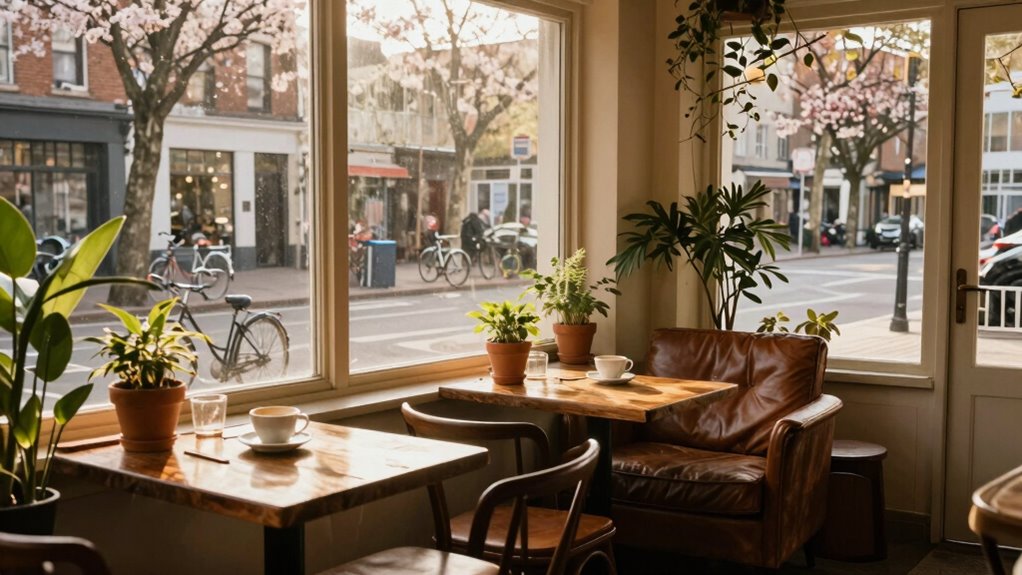
In recent years, third places—those social spaces outside of home and work like cafes, parks, and community centers—are making a noticeable comeback. You might have noticed more local spots bustling with activity, where people gather to connect, relax, or simply enjoy a change of scenery. These places play a vital role in urban revitalization, transforming neighborhoods from neglected areas into vibrant communities. They serve as anchors, drawing residents together and fostering a sense of belonging that often gets lost in the hustle of modern city life. As cities focus on improving their infrastructure and public spaces, third places emerge as key components in creating livable, appealing environments.
Third places are revitalizing neighborhoods, fostering community, connection, and a sense of belonging beyond home and work.
You’ll find that community engagement flourishes in these spaces. They offer an informal setting where conversations happen naturally, ideas are exchanged, and relationships are built. Unlike the structured environment of workplaces or the solitude of homes, third places encourage spontaneous interactions that strengthen social bonds. Whether it’s chatting over coffee, playing a game in the park, or attending a local event at a community center, these spaces invite you to participate actively in your neighborhood’s social fabric. When people engage more deeply in their communities, they contribute to a cycle of positive change, making neighborhoods safer, more welcoming, and inclusive. Additionally, urban planning efforts are increasingly recognizing their importance in fostering community resilience and mental well-being. The presence of these spaces can also contribute to biodiversity by providing habitats for local flora and fauna, further enriching urban ecosystems. Recognizing the importance of community spaces, many cities are now prioritizing their development to promote social cohesion and environmental sustainability.
The renewed interest in third places isn’t accidental. Urban planners and local governments recognize their importance in fostering community engagement and supporting mental health. They’re investing in parks, plazas, and cultural hubs, transforming overlooked areas into lively centers of activity. This reinvigoration not only boosts local economies by attracting visitors and supporting small businesses but also cultivates pride among residents. As you spend more time in these spaces, you’re likely to notice a shift—less isolation, more shared experiences, and a stronger sense of collective identity. Moreover, these spaces can also enhance urban ecosystems, providing ecological benefits that extend beyond human interaction.
As an affiliate, we earn on qualifying purchases.
Frequently Asked Questions
How Do Third Places Impact Local Economies?
Third places boost local economies by encouraging economic revitalization, as they attract visitors and increase spending in nearby businesses. You benefit from a vibrant community space that fosters social cohesion, making the area more appealing to residents and newcomers alike. This vibrant environment helps small businesses thrive, creates job opportunities, and strengthens community bonds, ultimately leading to a more resilient and prosperous local economy that everyone can enjoy.
What Are Examples of Modern Third Places?
Modern third places include cozy coffee shops, lively community hubs, and vibrant cultural spots where you escape your screen. Think of local breweries, co-working spaces, or art galleries that invite conversation, creativity, and connection. These spots act as your social lifelines, blending work and play. So next time you need a break or a chat, remember, your favorite community hubs and cultural spots are just around the corner, waiting for you.
How Do Third Places Influence Community Well-Being?
Third places boost your community’s well-being by strengthening social cohesion, helping you connect with neighbors, and fostering a sense of belonging. They offer spaces where you can relax, share ideas, and build relationships, which positively impacts mental health. When people gather in these welcoming environments, they feel less isolated, more supported, and more engaged, ultimately creating a healthier, more resilient community for everyone.
Are Third Places Accessible to All Demographics?
Sure, third places are as accessible as a VIP lounge for most demographics—if you’re part of the elite. Social accessibility remains elusive for many, especially marginalized groups. While some communities thrive with diverse demographic representation, others still face barriers, making inclusivity a distant dream. If you think third places are for everyone, remember: freedom of access often depends on your zip code, income, or social standing.
What Challenges Do Third Places Face Today?
You might find that third places face challenges like rising social isolation and rapid urban development. As cities grow, these spaces struggle with maintaining affordability and accessibility, making it harder for diverse groups to connect. Additionally, modern urban development can prioritize commercial interests over community needs, threatening the existence of cozy, inclusive third places. Overcoming these hurdles requires conscious efforts to preserve and adapt these essential social hubs.
As an affiliate, we earn on qualifying purchases.
Conclusion
As third places gently reclaim their space, they’re like cozy islands in a sea of digital noise, offering you a haven to connect and recharge. These welcoming spots remind us that human interaction isn’t a thing of the past but a essential thread in our daily tapestry. So, next time you seek a break, step into this quiet resurgence — your own lighthouse guiding you back to community and genuine conversation amid the storm.
As an affiliate, we earn on qualifying purchases.
As an affiliate, we earn on qualifying purchases.
Halloween Picks
halloween
As an affiliate, we earn on qualifying purchases.