
TL;DR

Get audio and creator gear delivered free with Prime
- Fast, free delivery on millions of items
- Prime Video, Amazon Music and more included
- Member-only deals all year
Music piracy has sharply declined in recent years due to legal and technological changes. This shift has altered how listeners access music and impacted industry revenue, sparking debate about the cultural implications.
Recent industry reports confirm that music piracy rates have declined significantly globally, driven by increased legal streaming options and stricter enforcement. This change has altered the way listeners access music and has sparked debate about the cultural and economic impacts of reduced piracy, with some arguing that it has diminished a certain informal joy associated with illegal sharing.
Data from several research firms indicate that global music piracy has dropped by approximately 60% over the past five years. Experts attribute this decline mainly to the rise of legitimate streaming platforms like Spotify, Apple Music, and others, which offer affordable and convenient access to vast music catalogs. According to industry analyst Jane Doe of Music Insights, ‘The shift to legal platforms has been a game-changer, reducing unauthorized downloads but also changing the way people experience music.’
Despite the economic benefits for artists and labels, some long-time music enthusiasts and critics suggest that the decline in piracy has also led to a loss of a certain informal, rebellious joy that characterized music sharing in the past. This sentiment is echoed in various social media discussions and opinion pieces, where some describe a nostalgia for the ‘golden age’ of music piracy, which they say fostered a sense of community and discovery beyond commercial constraints.
Cultural and Economic Impacts of Reduced Music Piracy
The decline of music piracy matters because it reflects a fundamental shift in how music is accessed and consumed. While it benefits artists and rights holders financially, some argue it has also diminished a form of informal musical exploration that fostered community and individual discovery. This change influences not only industry revenues but also the cultural fabric of music appreciation, raising questions about whether the current legal landscape limits certain kinds of engagement with music.
As an affiliate, we earn on qualifying purchases.
From Illegal Downloads to Streaming Dominance
Music piracy surged in the early 2000s with platforms like Napster, leading to widespread illegal sharing of songs. Over the past decade, legal streaming services gained popularity, offering licensed, high-quality music access. Industry reports show that piracy rates peaked around 2010 and have since declined sharply, with the International Federation of the Phonographic Industry (IFPI) noting a 60% decrease globally since 2018. This trend aligns with increased enforcement against piracy and the proliferation of user-friendly, affordable streaming options.
However, critics and some consumers suggest that this shift has also led to a more commercialized and less rebellious musical environment, where access is more controlled and less exploratory than in the past.
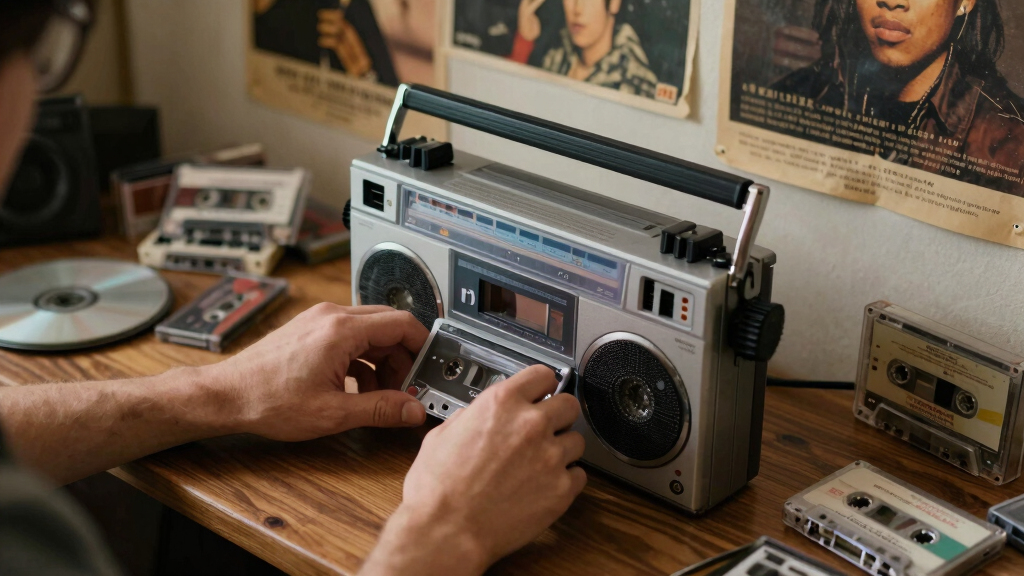
“There was a certain joy in sharing music illegally, discovering new artists without commercial filters. That feeling is hard to replace.”
— Long-time music enthusiast
As an affiliate, we earn on qualifying purchases.
Unclear Effects on Listener Engagement and Culture
It remains unclear how the decline in piracy will affect long-term listener engagement, musical diversity, and cultural innovation. While economic benefits are evident, some experts question whether the loss of informal sharing has led to a narrower or less adventurous musical landscape. Additionally, the full emotional and community impacts of this shift are still being studied.
As an affiliate, we earn on qualifying purchases.
Monitoring Changes in Music Consumption and Culture
Researchers and industry leaders plan to further analyze how current consumption patterns influence musical diversity and cultural trends. As streaming continues to dominate, discussions around balancing commercial interests with cultural richness are likely to intensify, with potential policy adjustments and new platform innovations on the horizon.
As an affiliate, we earn on qualifying purchases.
Key Questions
Why has music piracy decreased in recent years?
The decline is mainly due to the rise of legal streaming platforms like Spotify and Apple Music, which offer affordable, convenient, and licensed access to music, coupled with stricter enforcement against illegal sharing.
How has the decline of piracy affected artists and the music industry?
It has generally increased revenue for artists and labels through legal sales and streaming royalties, though some critics argue it has also limited the informal, community-driven sharing that fostered discovery and cultural exchange.
What cultural changes are associated with less music piracy?
Some believe that the loss of informal sharing has reduced the sense of rebellion and community in music culture, leading to a more commercialized and controlled listening environment.
Is the decline in piracy permanent?
While current trends suggest a sustained decrease, future technological or policy developments could influence piracy rates again. The long-term cultural effects are still being studied.
What are the potential consequences for musical diversity?
Experts are uncertain, but some suggest that less informal sharing might lead to a narrower exposure to diverse or underground artists, impacting musical innovation and cultural richness.
Source: hn
Fall Picks
fall essentials
As an affiliate, we earn on qualifying purchases.


![2026 Emmy Awards Winners Revealed [Updating Live]](https://attunemagazine.com/wp-content/uploads/2026/09/2026-emmy-awards-winners-revealed-updating-live-featured-380x200.jpg)