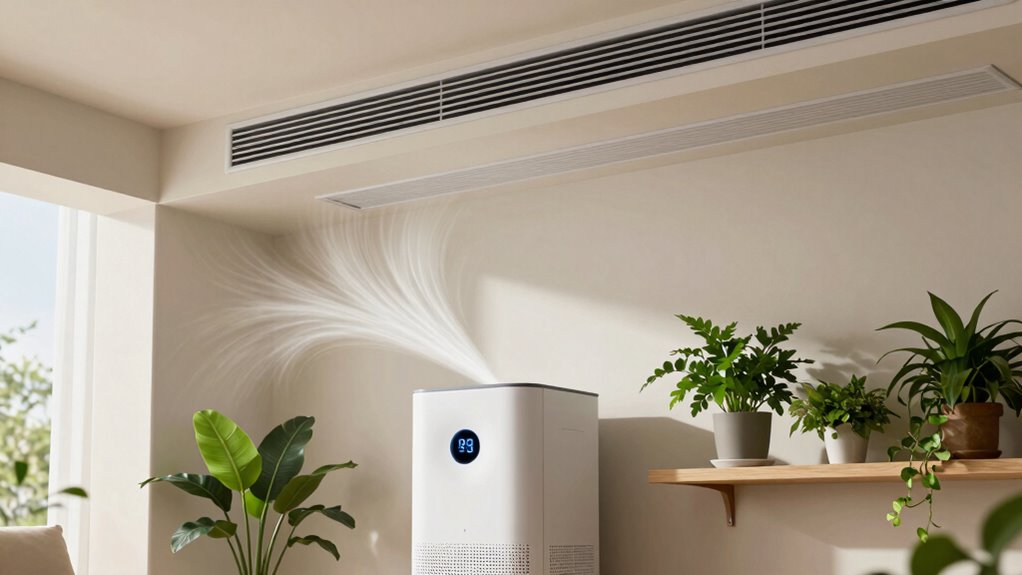

To create a healthier home, focus on using high-quality air filters like HEPA to trap airborne particles and guarantee they’re replaced regularly. Incorporate proper ventilation to bring in fresh air while removing stale indoor air, especially in airtight spaces. Keep your home clean by dusting, vacuuming, and controlling moisture levels to reduce pollutant sources. Combining these strategies boosts your indoor air quality, and if you want to learn more, there’s plenty to explore on each element’s role.

Get audio and creator gear delivered free with Prime
- Fast, free delivery on millions of items
- Prime Video, Amazon Music and more included
- Member-only deals all year
Key Takeaways
- Combine high-quality filters like HEPA with proper ventilation to effectively reduce indoor pollutants.
- Regularly maintain and replace filters to ensure optimal air cleaning performance.
- Use mechanical ventilation systems to control airflow, especially in airtight homes.
- Keep your home clean by dusting, vacuuming, and controlling humidity to minimize pollutant sources.
- Adopt a holistic approach by integrating filtration, ventilation, and cleanliness for healthier indoor air.
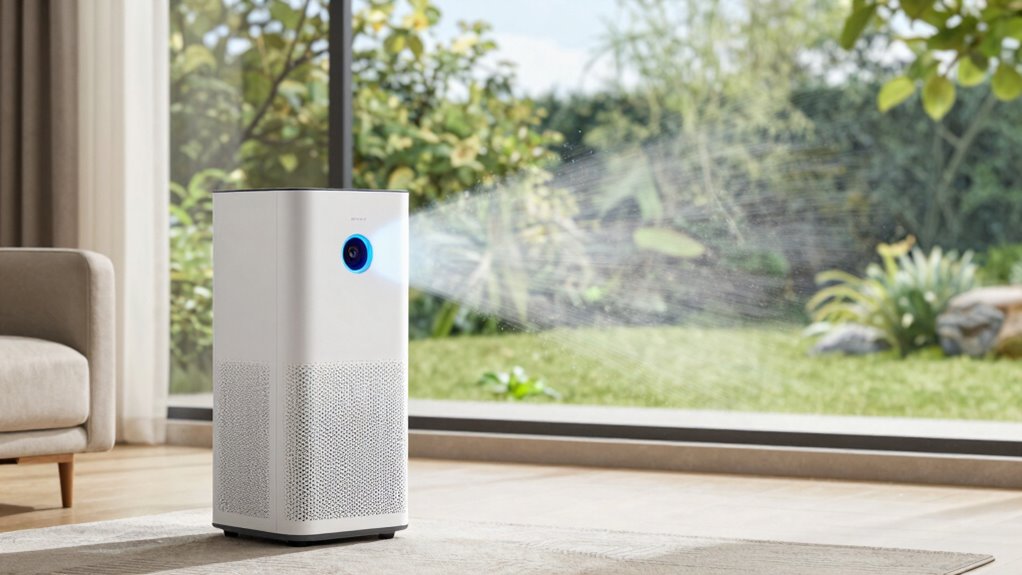
Ensuring clean indoor air is essential for your health and comfort, but understanding how air filters, ventilation, and home cleanliness work together can be confusing. When you focus on improving air quality, it’s easy to get overwhelmed by the different options and technical terms. The key is to see these elements as parts of a system designed to remove pollutants and bring in fresh air, making your home a healthier place. Filtration systems are at the heart of this effort. They trap airborne particles like dust, pollen, pet dander, and even some bacteria and viruses. The quality and type of filter you choose matter greatly. High-efficiency filters, like HEPA filters, can capture very small particles, markedly improving indoor air quality. But remember, a filter’s effectiveness depends on regular maintenance and replacement, so keeping an eye on your system’s needs is essential.
Effective filtration traps dust, pollen, pet dander, and bacteria, but requires regular maintenance for optimal performance.
Ventilation is another important piece. It involves bringing in fresh outdoor air and exhausting stale indoor air. Without proper ventilation, pollutants can accumulate, even if your filtration systems are excellent. Mechanical ventilation systems, such as exhaust fans or heat recovery ventilators, can be controlled to guarantee a steady flow of fresh air without losing energy. In more airtight homes, mechanical ventilation becomes even more important because natural airflow is limited. Proper ventilation not only dilutes indoor pollutants but also helps control humidity, which can prevent mold growth and reduce dust mites. Recognizing the importance of home ventilation systems can significantly improve indoor air quality. Understanding how air exchange rates affect your home’s air quality can help you better manage these systems. Additionally, knowing about indoor air pollutants can help you identify and reduce sources of contamination. Maintaining proper air circulation also plays a crucial role in distributing filtered air evenly throughout your home.
Home cleanliness complements these systems by reducing the sources of indoor pollutants. Regular dusting, vacuuming with a HEPA filter vacuum, and minimizing clutter can greatly lower the amount of dust and allergens in your home. Keeping surfaces clean prevents the buildup of dirt and pet dander that can circulate in the air. Additionally, controlling moisture levels through proper cleaning and ventilation helps prevent mold, which can severely impact air quality. Think of home cleanliness as the foundation that supports the effectiveness of your filtration and ventilation efforts.
Ultimately, to think about your home’s air quality holistically, recognize that each element plays an essential role. Good filtration systems trap what’s already in the air, ventilation systems keep fresh air coming in and stale air going out, and cleanliness reduces the pollutants at their source. When you coordinate these strategies, you create a healthier environment that not only feels better but also supports your overall well-being.
As an affiliate, we earn on qualifying purchases.
Frequently Asked Questions
How Often Should I Replace My Air Filters for Optimal Air Quality?
You should replace your air filter every 1 to 3 months for ideal air quality. The air filter lifespan varies depending on factors like usage, household size, and filter type. Regularly check your filter, especially if you notice dust buildup or reduced airflow. Adhering to the recommended replacement frequency guarantees your HVAC system runs efficiently and maintains healthy indoor air, preventing allergens and pollutants from accumulating.
What Are the Best Ventilation Methods for Small Apartment Spaces?
You should prioritize natural ventilation, mechanical ventilation systems, and cross-ventilation. Open windows to create fresh air flow, especially during good weather. Use exhaust fans in the kitchen and bathroom to remove moisture and odors. Consider installing a small air exchange system or an air purifier with a ventilation feature to improve air flow. These methods work together to keep your small apartment fresh, reduce pollutants, and maintain a healthier environment.
Do Certain Air Filters Remove Specific Pollutants More Effectively?
Yes, certain air filters target specific pollutants more effectively. HEPA filtration excels at capturing airborne particles like dust, pollen, and pet dander, helping reduce allergies and asthma triggers. Activated carbon filters absorb odors, volatile organic compounds (VOCs), and chemical fumes, making your home smell fresher and safer. Using both HEPA and activated carbon filters together offers all-encompassing air cleaning, effectively removing a wide range of pollutants and improving indoor air quality.
How Can I Improve Indoor Air Quality Without Costly Equipment?
To improve indoor air quality affordably, focus on freshening your space with natural ventilation and maintaining your existing air purifier. Regularly change filters and keep vents clear, ensuring ideal airflow. Open windows daily to dilute indoor pollutants and bring in fresh air. Combining consistent air purifier maintenance with natural ventilation creates a cleaner, healthier home without costly equipment, helping you breathe easier and boost overall well-being.
Are There Health Risks Associated With Using High-Efficiency Air Filters?
Using HEPA filters for allergy relief generally doesn’t pose health risks. In fact, they trap tiny particles like pollen, dust, and pet dander, improving indoor air quality. However, if filters aren’t changed regularly, they can become clogged and less effective, potentially circulating pollutants. Verify you follow manufacturer instructions for maintenance, and if you have respiratory issues, consult a healthcare professional to ensure proper filter use.
mechanical ventilation system for house
As an affiliate, we earn on qualifying purchases.
As an affiliate, we earn on qualifying purchases.
Conclusion
By choosing the right air filters, optimizing ventilation, and maintaining a clean home, you take control of your indoor air quality. You breathe easier, breathe deeper, and breathe healthier. You reduce allergens, remove pollutants, and create a safer environment. You invest in your well-being, your comfort, and your peace of mind. So, prioritize air quality, stay vigilant, and make your home a sanctuary of fresh, clean air—because you deserve it.
As an affiliate, we earn on qualifying purchases.
As an affiliate, we earn on qualifying purchases.
Fall Picks
fall essentials
As an affiliate, we earn on qualifying purchases.