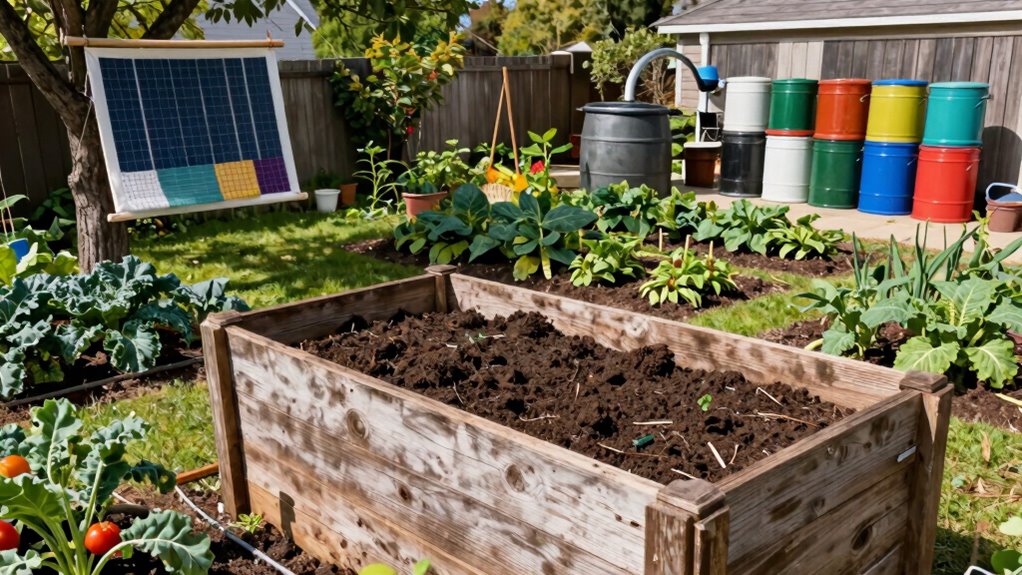

Living sustainably without perfection means making ongoing, small improvements that fit your life. You can support green energy, reduce waste with reusable items, and be mindful of your habits. Don’t stress about doing everything perfectly—every effort counts and adds up over time. Embrace setbacks as part of the process and celebrate your progress. Keep going, because understanding how steady, imperfect actions make a difference can lead to meaningful change.

Get audio and creator gear delivered free with Prime
- Fast, free delivery on millions of items
- Prime Video, Amazon Music and more included
- Member-only deals all year
Key Takeaways
- Prioritize consistent small actions over perfect behavior, recognizing progress as the goal.
- Embrace reusable items and waste reduction gradually, without aiming for zero waste immediately.
- Develop sustainable habits over time, forgiving setbacks and focusing on mindful choices.
- Engage with community efforts to amplify impact beyond individual efforts.
- Celebrate small wins and understand that sustainability is an ongoing journey, not perfection.
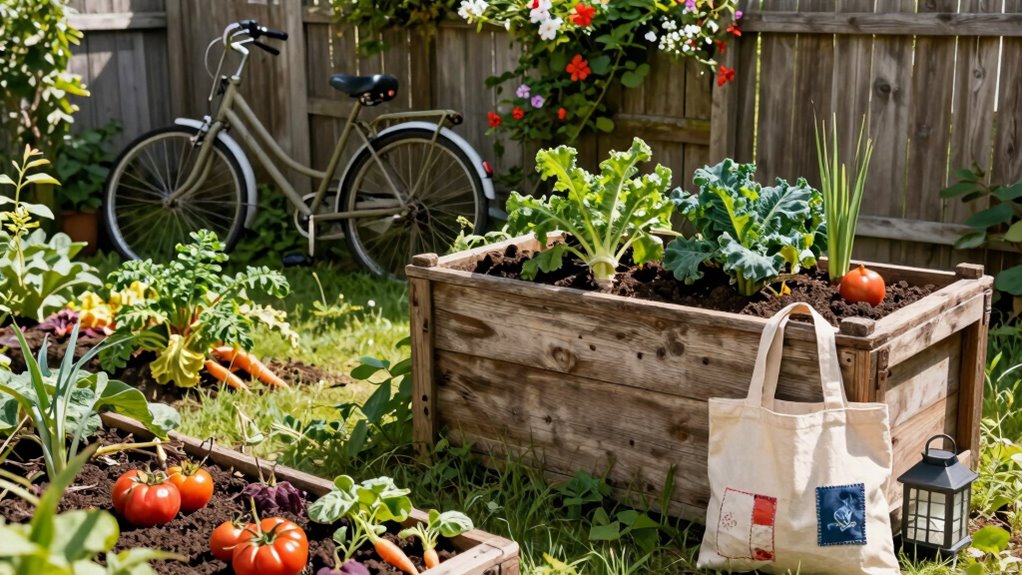
Have you ever felt overwhelmed by the idea of living perfectly sustainable? It’s easy to get caught up in the notion that every action must be flawless to make a difference. But sustainability isn’t about perfection; it’s about making consistent, meaningful choices that add up over time. For instance, you might consider switching to renewable energy sources, like solar panels or wind power, to reduce your carbon footprint. Even if you can’t go completely off-grid, small steps—like using energy-efficient appliances or supporting green energy providers—make a difference. It’s about progress, not perfection.
Living zero waste might seem intimidating at first. You might worry about the challenge of eliminating all plastic or avoiding packaging entirely. Instead, focus on reducing what you can. Bring your own reusable bags, bottles, and containers whenever possible. Opt for products with minimal packaging, and try to repair rather than replace items. Perhaps compost your food scraps or find local stores that bulk-buy items, minimizing waste. These small actions may not make you entirely zero waste overnight, but they greatly reduce your environmental impact. Remember, the goal isn’t to be perfect but to continually improve.
Sustainable living without perfection also involves shifting your mindset. It’s about being mindful of your consumption and waste, making thoughtful choices, and accepting that setbacks happen. For example, if you forget your reusable bag at home, don’t beat yourself up. Just make a plan to remember it next time. It’s about creating habits that align with your values and understanding that progress is more important than flawlessness. Incorporating sustainable behaviors into your daily routine can help foster lasting change and make these practices feel more natural over time. Recognizing that renewable energy sources are accessible and practical for many can empower you to take meaningful steps forward. Over time, these small adjustments become second nature, and you’ll find yourself living more sustainably without feeling burdened or guilty.
Additionally, community plays an essential role. Sharing your journey with friends or neighbors can inspire collective action. You might participate in local clean-up events, join a community-supported agriculture program, or even swap tips with others on reducing waste. Remember, sustainable living isn’t a solo effort; it’s about building a supportive environment where everyone makes incremental changes. These collective efforts can have a more profound impact than individual perfection. Embracing community involvement can help sustain your motivation and amplify positive change.
Ultimately, living sustainably without striving for perfection means embracing the process. It’s about making better choices whenever you can, forgiving yourself when you fall short, and celebrating the small wins. Sustainability isn’t a destination but an ongoing journey, one where your intention and effort matter more than flawless execution. And in that journey, you’ll discover that even imperfect actions contribute to a healthier planet.
As an affiliate, we earn on qualifying purchases.
Frequently Asked Questions
How Do I Start Sustainable Living With a Tight Budget?
You can start sustainable living on a tight budget by focusing on minimal consumption, like reducing waste and conserving energy. Switch to renewable energy options, such as solar-powered chargers or bulbs if possible, or look into community solar programs. Simple steps like using reusable bags and avoiding single-use plastics also make a difference without costing much. Small, consistent changes add up, helping you live more sustainably without breaking the bank.
What Are Simple Ways to Reduce Waste Daily?
You can reduce waste daily by adopting simple recycling tips and composting methods. Investigate how different materials can be recycled properly—like plastics, paper, and metals—and set up a compost bin for organic waste. This not only minimizes landfill contributions but also enriches your soil naturally. Small consistent actions, like reusable bags and avoiding single-use plastics, make a significant impact over time. Your efforts add up toward a more sustainable lifestyle.
Can I Be Eco-Friendly Without Significant Lifestyle Changes?
Yes, you can be eco-friendly without major lifestyle changes. Start with small eco-friendly habits like using reusable bags, reducing plastic, and conserving water. These simple lifestyle adjustments add up over time. You don’t need perfection—just focus on making mindful choices daily. Even minor changes, like switching to eco-friendly products or composting food scraps, help the environment and make sustainable living more achievable without a complete overhaul of your routine.
How Do I Stay Motivated Despite Setbacks?
To stay motivated despite setbacks, focus on motivation strategies like setting small, achievable goals and celebrating progress. Remember, overcoming setbacks is part of sustainable living; don’t be too hard on yourself. Keep a positive mindset, reflect on your reasons for making eco-friendly choices, and seek support when needed. By staying consistent and patient, you’ll build resilience, turning setbacks into opportunities for growth and renewed motivation.
What Are Common Mistakes to Avoid in Sustainable Living?
You might think avoiding mistakes means being perfect, but it’s more about learning. Common pitfalls include relying solely on renewable energy without reducing consumption and overusing eco-friendly products without addressing waste or overproduction. To improve, balance your efforts, focus on meaningful changes, and stay flexible. Remember, sustainable living isn’t about perfection but progress—embrace mistakes as lessons on your eco-friendly journey.
reusable food storage containers
As an affiliate, we earn on qualifying purchases.
As an affiliate, we earn on qualifying purchases.
Conclusion
Remember, sustainable living isn’t about being perfect—it’s about making steady, mindful changes. You don’t have to move mountains overnight; even small steps add up over time. Embrace progress, not perfection, and know that every effort counts. It’s like planting seeds—you won’t see the full forest immediately, but with patience and persistence, your impact will grow. Keep going, and soon you’ll see how far you’ve come on this journey.
As an affiliate, we earn on qualifying purchases.
As an affiliate, we earn on qualifying purchases.
Halloween Picks
halloween
As an affiliate, we earn on qualifying purchases.