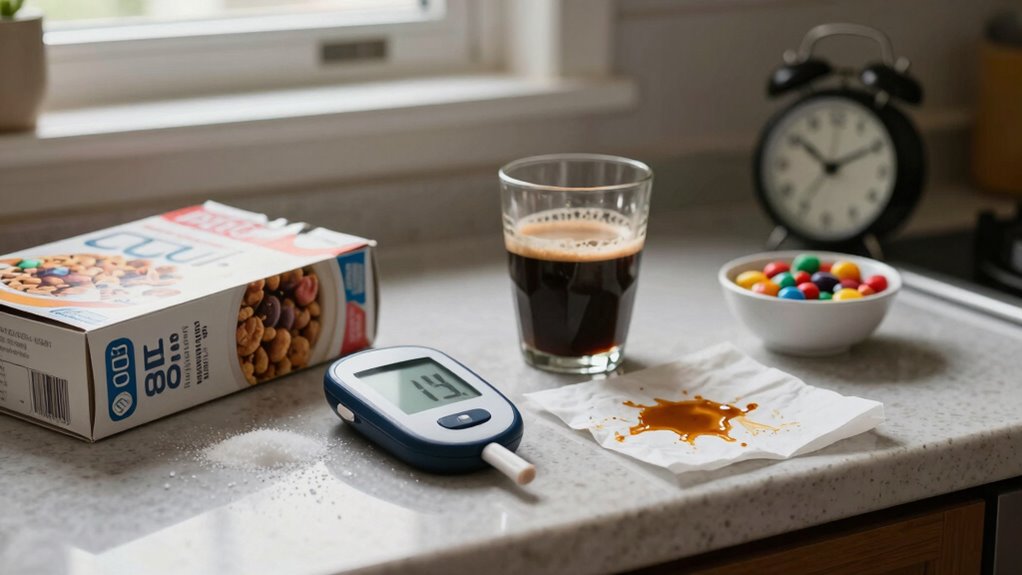

You might overlook minor signs like energy dips, irritability, or frequent hunger after meals, but these can signal blood sugar imbalances. Watch for unexplained headaches, jitters, or mood swings—common early indicators of insulin resistance. Your diet also plays a role; sugary snacks cause quick spikes, while balanced meals stabilize levels. If you notice these subtle clues, paying attention can help you catch issues early—exploring further reveals how to better manage your blood sugar.

Get audio and creator gear delivered free with Prime
- Fast, free delivery on millions of items
- Prime Video, Amazon Music and more included
- Member-only deals all year
Key Takeaways
- Minor energy dips and irritability are subtle signs of blood sugar imbalance often dismissed as mood swings.
- Frequent hunger after meals may indicate poor blood sugar regulation, even without obvious symptoms.
- Headaches and jitteriness can be early indicators of blood sugar fluctuations, overlooked as dehydration or stress.
- Irregular meal timing, like skipping meals or overeating, significantly impacts blood sugar stability.
- Unnoticed daily patterns, such as mood swings or fatigue, can reveal underlying blood sugar dysregulation.

Understanding your blood sugar levels is essential because they can reveal important clues about your overall health. Many people overlook how subtle changes in blood sugar can manifest in everyday life, often mistaking them for normal fatigue or mood swings. One common sign is blood sugar fluctuations, which happen when your body’s ability to regulate glucose isn’t steady. These fluctuations aren’t always dramatic; sometimes, they cause minor energy dips or irritability that you dismiss as just a bad day. Recognizing these small patterns can help you catch underlying issues early, especially if they happen regularly after meals or during periods of stress.
Your dietary choices play a significant role in these fluctuations. The dietary impact on blood sugar is profound because what you eat directly influences how your body processes glucose. For example, consuming high-carb or sugary snacks can cause a quick spike in blood sugar, followed by a rapid drop. This rollercoaster effect can leave you feeling tired, hungry, or cranky shortly after eating. Conversely, meals rich in fiber, healthy fats, and protein tend to promote more stable blood sugar levels, giving you sustained energy and reducing the risk of sudden dips. Paying attention to how different foods affect you can be a game-changer in managing your blood sugar.
Many people miss the subtle signs that indicate their blood sugar isn’t well-controlled. For instance, frequent hunger even after eating, unexplained headaches, or feeling jittery or shaky can all be signals that your blood sugar levels are out of balance. These symptoms often get dismissed or attributed to stress or dehydration, but they can be early indicators of larger issues like insulin resistance or prediabetes. Recognizing the link between your dietary impact and these symptoms allows you to make smarter food choices and prevent more serious health problems down the line. Being aware of blood sugar regulation mechanisms can help you better understand why these symptoms occur. Additionally, understanding your body’s responses to different foods can help you identify patterns of glucose variability.
Another common oversight is neglecting the timing of meals and snacks. Skipping meals or going long periods without eating can cause your blood sugar to drop, leading to fatigue and difficulty concentrating. On the flip side, overeating or consuming large portions in one sitting can cause spikes. Staying aware of how your body responds throughout the day helps you fine-tune your eating habits to maintain more consistent blood sugar levels. Small, balanced meals and regular snacks can help you avoid the highs and lows that often go unnoticed but significantly affect your energy and mood. Recognizing these patterns is part of understanding how blood sugar fluctuations influence your overall wellbeing and daily functioning. Incorporating mindful eating practices can further support stable blood sugar management and prevent unnecessary fluctuations. Being aware of glycemic response can help you make more informed dietary choices that support your health.
Popular right now

Bose QuietComfort Wireless Noise-Cancelling Headphones, Sandstone

Ninja Crispi Microwave and Air Fryer with FusionCrisp, Silver, MW101

Shark NV752 Rotator Powered Lift-Away TruePet Upright Vacuum, Bordeaux
As an affiliate, we earn on qualifying purchases.
Frequently Asked Questions
Can Stress Levels Affect Blood Sugar Without Symptoms?
Yes, stress levels can affect your blood sugar without obvious symptoms. When you’re stressed, your body releases stress hormones like cortisol, which can cause cortisol spikes. These spikes signal your liver to release more glucose, raising your blood sugar levels. Even if you don’t feel stressed or notice symptoms, your blood sugar might still be fluctuating because of these hormonal changes. Monitoring your stress and blood sugar helps keep them balanced.
How Does Sleep Quality Influence Blood Sugar Fluctuations?
Poor sleep quality and disrupted sleep patterns can cause blood sugar fluctuations. When your sleep is restless or you experience bad dream quality, your body releases stress hormones like cortisol, which can raise blood sugar levels. Lack of restorative sleep impairs insulin sensitivity, making it harder for your body to regulate blood sugar effectively. Prioritizing consistent sleep and enjoying deep, peaceful dreams can help stabilize your blood sugar levels naturally.
Are There Hidden Sugars in Seemingly Healthy Foods?
Yes, hidden sugars often lurk in seemingly healthy snacks, making it tricky to manage blood sugar. Check labels carefully, as ingredients like syrups, dextrose, or fruit concentrates can boost sugar content without you realizing. Opt for whole foods and natural options, like nuts or fresh fruit, to avoid hidden sugars. Being vigilant helps you maintain balanced blood sugar levels and supports overall health.
Can Dehydration Impact Blood Sugar Readings?
Dehydration can indeed impact your blood sugar readings. When you’re dehydrated, your hydration levels drop, leading to increased blood concentration. This concentration makes your blood sugar appear higher than it actually is. Scientific studies confirm that low hydration levels can cause falsely elevated blood glucose readings, so it’s essential to stay well-hydrated. Proper hydration helps maintain accurate blood sugar measurements and overall health.
What Role Does Physical Activity Play in Unnoticed Blood Sugar Changes?
Physical activity influences your blood sugar levels by boosting insulin sensitivity, allowing your body to use insulin more effectively. It also enhances glucose absorption into your muscles, which can lower blood sugar unnoticed. You might not realize how even light exercises, like walking, impact your levels throughout the day. Regular activity helps regulate your blood sugar, preventing spikes and dips that you might overlook, promoting better overall health.
Conclusion
Pay attention to these blood sugar clues, because ignoring them could turn your life into chaos faster than you can blink. Small symptoms like sudden fatigue or frequent urination aren’t just inconveniences—they’re warning signs screaming for your attention. If you dismiss them, you risk releasing a health storm so fierce it could upend your entire world. Stay vigilant, catch these signals early, and take control before your body’s silent alarms become unavoidable catastrophes.