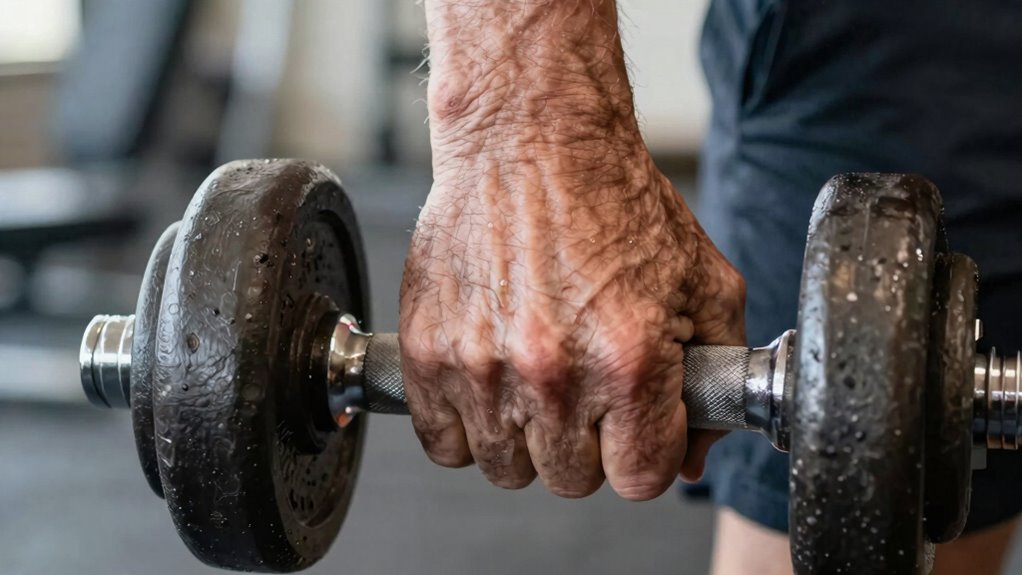

Grip strength keeps showing up in health research because it’s a simple, reliable way to gauge overall physical function and importance. It reflects how strong and resilient your muscles are, connecting to daily activities and broader health outcomes like aging, cardiovascular health, and neurological function. By measuring grip strength, researchers can quickly identify potential health issues early. If you want to discover how it influences your well-being, keep exploring what lies beyond the surface.

Get audio and creator gear delivered free with Prime
- Fast, free delivery on millions of items
- Prime Video, Amazon Music and more included
- Member-only deals all year
Key Takeaways
- Grip strength is a simple, non-invasive marker that reflects overall physical function and vitality.
- It predicts diverse health outcomes, including risks for cardiovascular, neurological, and age-related conditions.
- Its ease of measurement makes it ideal for large-scale health studies and routine clinical assessments.
- Declines in grip strength can indicate early signs of health issues like fatigue or neurological decline.
- It captures the combined influence of muscular health, endurance, and resilience, providing a comprehensive health indicator.
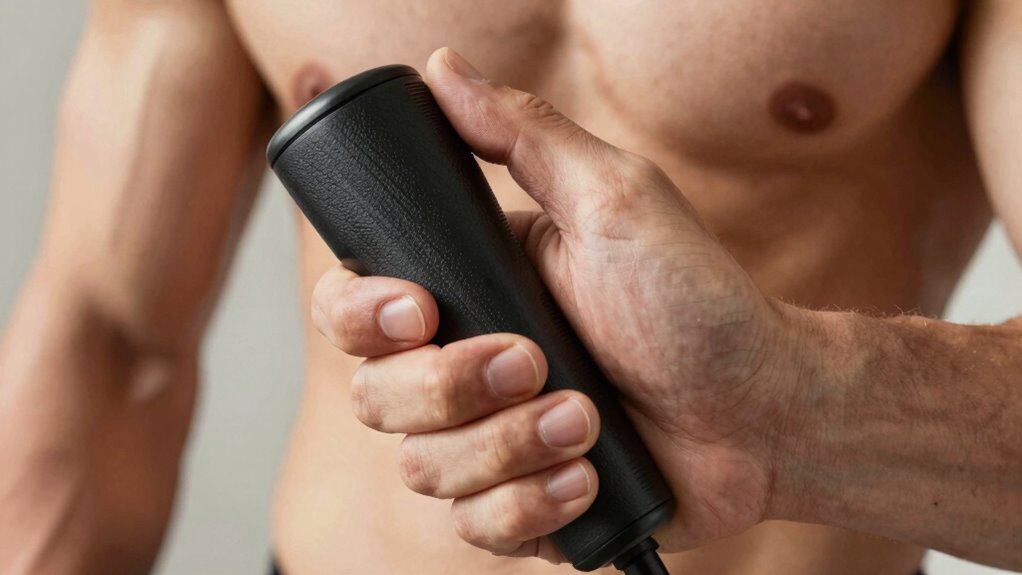
Grip strength has emerged as a simple yet powerful indicator in health research, offering insights into overall physical function and predicting various health outcomes. When you measure your grip, you’re not just testing your hand’s raw strength—you’re tapping into a broader picture of your health. This measurement reflects not only hand endurance, or how long you can sustain a grip, but also forearm power, which influences your ability to perform daily tasks and maintain muscle health as you age. Because grip strength correlates with multiple aspects of physical vitality, researchers find it a convenient, reliable marker for overall health status.
Grip strength reveals overall health by reflecting hand endurance and forearm power, key indicators of physical vitality and resilience.
Your hand endurance plays an essential role here. It’s not just about how hard you can squeeze once, but how long you can maintain that grip. This endurance indicates muscular stamina and resilience, which are indispensable for tasks like holding objects, carrying groceries, or even supporting your body during physical activity. When grip endurance declines, it often signals broader issues such as muscular fatigue, dehydration, or neurological decline, making it a useful early warning sign in health assessments. Forearm power, on the other hand, links directly to muscle mass and strength in your upper limbs, which are fundamental for both everyday activities and athletic performance. Strong forearm muscles contribute to better grip strength, but they also signify overall muscular health.
By measuring your grip strength, health professionals gain quick, non-invasive insights into your physical condition. A decline in grip strength can be an early indicator of age-related health issues, like osteoporosis, cardiovascular disease, or even cognitive decline. Because it’s easy to administer and requires minimal equipment, grip strength tests are often included in large-scale health studies. They serve as a practical proxy for more complex assessments of physical function, especially in older adults. Consistent monitoring can reveal trends over time, helping you and your healthcare provider identify risks before symptoms become severe.
In essence, grip strength keeps showing up in health research because it captures the combined influence of hand endurance and forearm power. It’s a straightforward yet holistic measure of muscular health, functional capacity, and overall vitality. Whether you’re young or old, maintaining good grip strength can be a sign of good health, and monitoring it can help you catch potential issues early. That’s why, across various studies and populations, grip strength remains a trusted, meaningful indicator of overall health and physical resilience. Additionally, biodiversity and environmental factors can influence physical health and muscular function, highlighting the importance of holistic well-being. Recognizing the impact of lifestyle choices and environmental influences can further enhance your understanding of your health status. Regular physical activity and proper nutrition can positively affect muscular health, reinforcing the importance of a well-rounded approach to health. An awareness of environmental influences can also motivate proactive steps to protect and improve your health.
As an affiliate, we earn on qualifying purchases.
Frequently Asked Questions
Can Grip Strength Predict Future Cardiovascular Events?
Yes, grip strength can predict future cardiovascular events. When you measure your grip or hand endurance, you’re evaluating overall muscle strength and vascular health. Strong grip endurance often correlates with better cardiovascular health, signaling lower risk for future issues. Conversely, weak grip strength might indicate poor vascular function or reduced physical fitness, which are linked to higher cardiovascular risk. So, regularly testing your grip can be a simple way to monitor your heart health.
How Does Grip Strength Relate to Mental Health?
Your grip strength is linked to mental health because it reflects mental resilience and emotional well-being. When you maintain a strong grip, it signals good neurological function and overall physical health, which are connected to better mood and stress management. Conversely, weaker grip strength may indicate underlying mental health issues like depression or anxiety. Improving your grip can boost confidence, resilience, and foster a positive mindset, supporting your mental well-being.
Is Grip Strength Affected by Different Types of Exercise?
Absolutely, your hand grip can change dramatically with different types of exercise! Strength training, like weightlifting, supercharges your grip, making it nearly unbreakable. Endurance exercises, such as climbing or gripping tools, boost your stamina. Even activities like yoga subtly improve grip impact over time. So, whether you’re lifting heavy or holding poses, various exercises can markedly enhance your grip strength, transforming your hand power into an unstoppable force!
What Age Groups Benefit Most From Grip Strength Testing?
You benefit most from grip strength testing if you’re in older age groups, as it helps identify early signs of decline. This allows you to implement age-specific interventions and tailor strength training strategies to maintain your hand and overall upper body strength. Regular testing encourages proactive health management, enabling you to adjust exercises and prevent functional limitations, ultimately supporting your independence and quality of life as you age.
Are There Cultural Differences in Grip Strength Norms?
Cultural variations influence grip strength norms more than you might expect. Imagine two people, one from a rural community with manual labor, and another from a city with a desk job—yet their grip strength readings differ markedly. These differences shape normative standards worldwide. Recognizing this, health assessments adapt to cultural contexts, ensuring accurate evaluations. So, your grip strength isn’t just about strength but also about understanding cultural influences behind the numbers.
As an affiliate, we earn on qualifying purchases.
Conclusion
So, it’s almost funny how grip strength keeps popping up in health studies—you might think it’s just a coincidence, but it actually reveals a lot about your overall health. When you consider how everyday activities, stress, and aging all influence your grip, it’s no surprise researchers keep paying attention to it. Maybe, in a strange way, your grip is quietly telling you more than you realize about your body’s true condition.
As an affiliate, we earn on qualifying purchases.
grip endurance training equipment
As an affiliate, we earn on qualifying purchases.
As an affiliate, we earn on qualifying purchases.
Halloween Picks
halloween
As an affiliate, we earn on qualifying purchases.