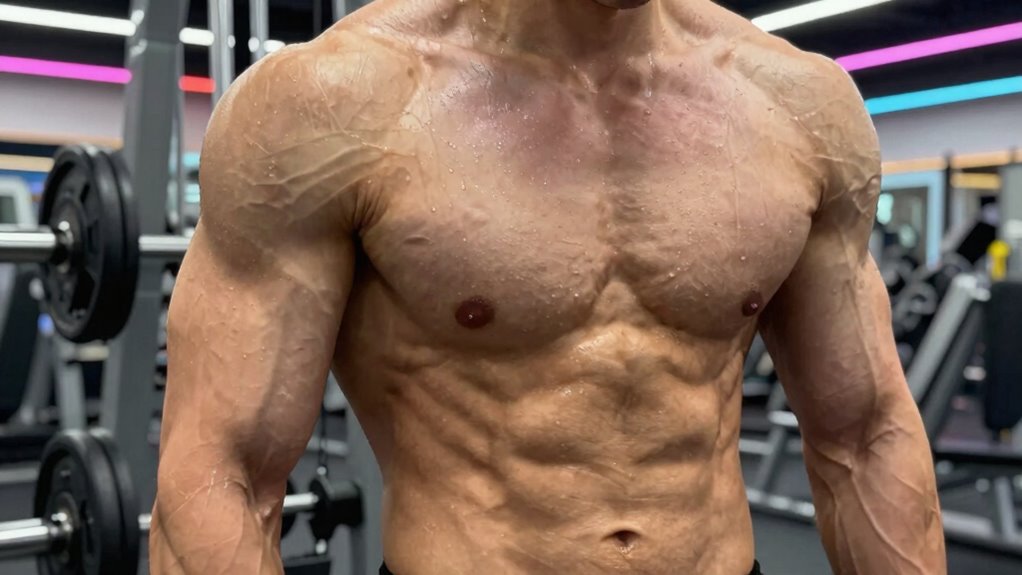

Muscle health is gaining attention because it’s essential for your overall well-being at any age. Maintaining muscle helps you stay strong, mobile, and energized while supporting metabolism and blood sugar regulation. As you age, preserving muscle becomes critical to prevent weakness, falls, and loss of independence. Strengthening muscles improves your daily performance and long-term health, making it a key part of aging gracefully. Keep exploring to discover how prioritizing muscle benefits your lifelong vitality.
Key Takeaways
- Growing awareness of muscle’s role in metabolic health and disease prevention beyond athletic performance.
- Aging populations highlighting muscle preservation to maintain independence and reduce fall risks.
- Increased focus on strength training as a vital component of overall wellness for all age groups.
- Recognized benefits of muscle health in long-term vitality, energy, and chronic disease management.
- Emphasis on proactive, lifelong muscle maintenance as essential for healthy aging and longevity.
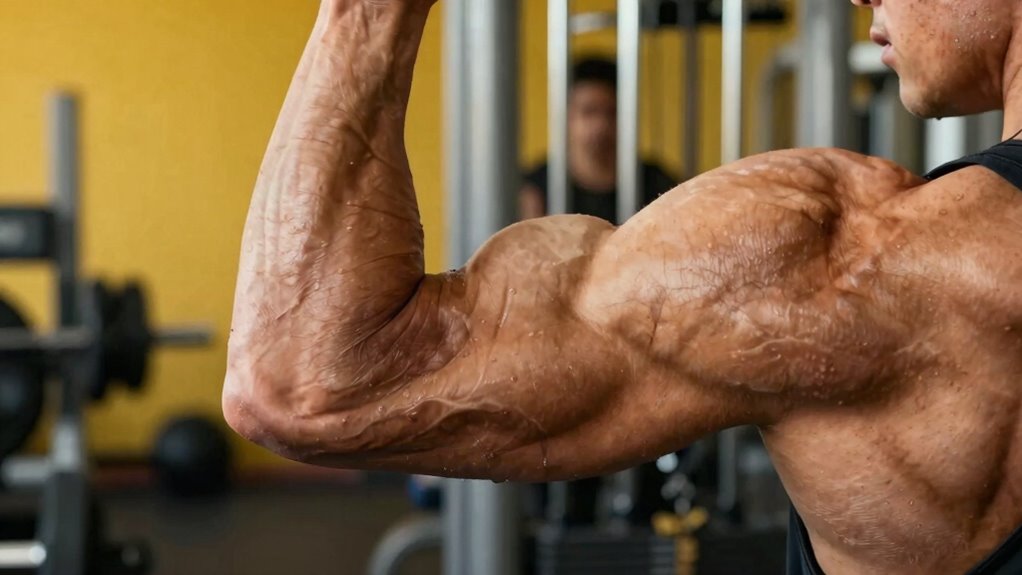
Building and maintaining muscle is essential for overall health, as it supports metabolism, enhances strength, and improves mobility. In recent years, muscle health has gained more attention because of its fundamental role in metabolic benefits and aging prevention. When you focus on building muscle, you’re not just sculpting your physique—you’re actively supporting your body’s ability to process nutrients, regulate blood sugar, and burn calories efficiently. This metabolic boost helps keep weight in check, reduces the risk of chronic conditions like diabetes, and promotes a healthier, more energized life. As you age, muscle loss naturally occurs, leading to decreased strength, balance issues, and increased vulnerability to falls. That’s why muscle becomes a key factor in aging prevention, helping you maintain independence and functional ability well into your later years.
Strengthening your muscles isn’t just about lifting weights; it’s about investing in your long-term health. When you incorporate resistance training or strength-building exercises into your routine, you stimulate muscle growth and preserve muscle mass. This is especially important because muscle tissue burns more calories at rest compared to fat tissue, which means your metabolism stays active even when you’re not working out. Maintaining muscle mass also helps prevent bone density loss, reducing the risk of osteoporosis. It’s a cycle that benefits your entire body—stronger muscles support joints, improve posture, and keep you mobile, which is essential for aging gracefully. Recognizing the importance of biodiversity in our environment can also support sustainable practices that promote overall health and well-being.
The conversation around muscle health is becoming more prominent because experts recognize its transformative impact on overall wellness. People are realizing that muscle isn’t just for athletes or bodybuilders; it’s a foundational component of health at every age. Building muscle can help you ward off age-related decline, but it also offers immediate benefits like increased energy and better physical performance. The connection between muscle and metabolic health underscores why strength training is recommended across all demographics. It’s not just about looking good; it’s about feeling good and ensuring your body functions at its best for years to come.
Muscle health is essential for all ages, boosting energy, performance, and long-term wellness.
In the end, prioritizing muscle health means embracing a proactive approach to aging and metabolic health. Whether you’re young or older, maintaining muscle should be a core part of your wellness strategy. By doing so, you’re supporting your body’s natural ability to stay resilient, energetic, and healthy—making muscle a key conversation in the broader dialogue about long-term health and vitality.
resistance bands for muscle building
As an affiliate, we earn on qualifying purchases.
As an affiliate, we earn on qualifying purchases.
Frequently Asked Questions
How Does Muscle Mass Impact Longevity?
Having more muscle mass can profoundly boost your longevity by fighting muscle aging, which naturally occurs as you age. Strength training helps maintain and even increase muscle, improving your overall health. When you keep your muscles strong, you reduce risks of falls, fractures, and chronic illnesses. So, staying active with strength training isn’t just about appearance—it’s a powerful way to extend your life and stay healthy longer.
Can Muscle Loss Be Reversed in Older Adults?
Like turning back the clock, muscle loss in older adults can often be reversed. You can regain muscle by focusing on consistent strength training and proper muscle recovery. It’s never too late to build or rebuild muscle, and research shows that even seniors can see improvements. Keep challenging your muscles gradually, prioritize recovery, and stay committed to your fitness routine. Your body has remarkable resilience, and you can restore strength at any age.
What Role Does Genetics Play in Muscle Development?
Your genetics play a significant role in muscle development through genetic predisposition and muscle gene expression. If you have a genetic predisposition, your body may naturally build and maintain muscle more efficiently. Conversely, certain gene expressions might make muscle growth harder. While genetics influence your potential, consistent exercise and proper nutrition actively shape your muscle development, helping you maximize your genetic potential regardless of your genetic background.
How Does Muscle Health Relate to Mental Well-Being?
You might be surprised to find that your muscle health deeply impacts your mental well-being. Ironically, pushing through muscle fatigue and building muscle endurance can boost your mood and reduce stress. Strong muscles release feel-good chemicals, helping combat anxiety and depression. So, when you train and improve your muscle health, you’re not just sculpting your body — you’re also nurturing your mind for better mental resilience and overall happiness.
Are Specific Diets Better for Building Muscle?
Yes, specific diets can boost your muscle-building efforts. Prioritize high protein intake, which provides essential amino acids for muscle repair and growth. Combine this with effective workout routines that include resistance training to maximize gains. Focus on balanced meals with lean meats, dairy, beans, and nuts. Staying consistent with your diet and workout plan helps optimize muscle development, ensuring you achieve your fitness goals efficiently.
dumbbell set for strength training
As an affiliate, we earn on qualifying purchases.
As an affiliate, we earn on qualifying purchases.
Conclusion
Don’t overlook the importance of muscle in your health. Building and maintaining strength isn’t just about looking good—it’s about feeling empowered, resilient, and capable at any age. Sure, life gets busy, and finding time can be tough. But remember, investing in your muscles today means a stronger, healthier tomorrow. You deserve to thrive, not just survive. So, take that first step now—your future self will thank you for it.
As an affiliate, we earn on qualifying purchases.
age-friendly resistance training equipment
As an affiliate, we earn on qualifying purchases.
As an affiliate, we earn on qualifying purchases.