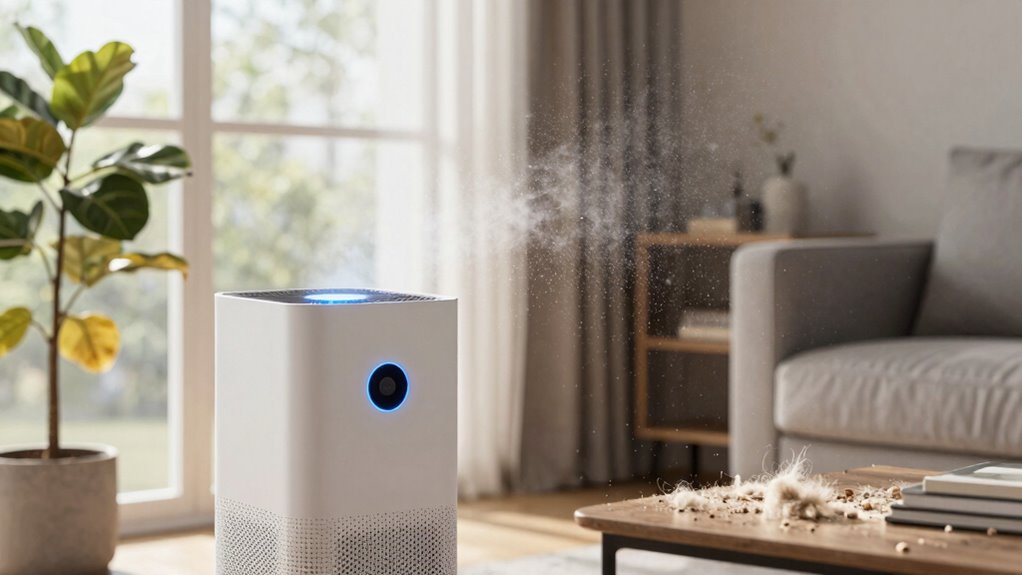
Poor indoor air quality can become a bigger liability issue because health concerns, legal standards, and regulations are tightening. If you don’t manage ventilation properly, you risk mold growth, respiratory problems, and occupant injuries, which lead to legal and financial consequences. Customers and tenants now expect safer indoor environments, making non-compliance more costly. Staying ahead by understanding how to maintain air quality not only protects health but also safeguards your property’s reputation. Keep exploring to learn more about managing these risks effectively.

Get audio and creator gear delivered free with Prime
- Fast, free delivery on millions of items
- Prime Video, Amazon Music and more included
- Member-only deals all year
Key Takeaways
- Increasing awareness of health risks linked to poor indoor air quality raises legal and liability concerns for property owners.
- Non-compliance with ventilation standards can lead to regulatory penalties and increased exposure to lawsuits.
- Mold growth from inadequate ventilation and humidity control can cause property damage and health-related liabilities.
- Failure to maintain good indoor air quality may result in tenant disputes and damage to property reputation.
- Stricter regulations and occupant health expectations make indoor air quality a growing legal liability risk.

Indoor air quality has become a critical concern for property owners and managers because poor air can lead to health issues and legal liabilities. When the air inside your buildings isn’t properly managed, it can cause respiratory problems, allergic reactions, and other health complications among occupants. As awareness grows, so do the expectations around maintaining safe indoor environments, making compliance with ventilation standards more essential than ever. If you neglect these standards, the risk of exposure to harmful pollutants increases, and so does your liability.
Proper ventilation is essential for health, safety, and legal compliance in indoor environments.
Ventilation standards are the foundation of good indoor air quality. They set the minimum requirements for how fresh air circulates within your property, helping to dilute indoor pollutants and prevent the buildup of harmful substances. When these standards aren’t met, airborne contaminants like dust, volatile organic compounds (VOCs), and other irritants can accumulate, leading to health risks for occupants. Ensuring your ventilation system is up to code isn’t just about compliance; it’s about safeguarding the well-being of everyone inside. Proper ventilation also plays a pivotal role in mold prevention. Mold thrives in damp, poorly ventilated environments, and once it takes hold, it can cause serious health problems and structural damage.
Neglecting ventilation standards often results in stagnant, humid air that fosters mold growth. If you don’t address moisture issues and maintain adequate airflow, mold spores can spread quickly, especially in areas like bathrooms, kitchens, and basements. Mold isn’t just an aesthetic concern; it’s a liability risk that can lead to costly lawsuits and damage your reputation. Protecting your property from mold involves implementing effective ventilation strategies, regularly inspecting for signs of moisture intrusion, and controlling indoor humidity levels. These measures are essential for mold prevention and for maintaining a healthy indoor environment. Additionally, ventilation standards play a vital role in controlling indoor humidity, which is key to preventing mold growth. Proper indoor air quality management can significantly reduce the risk of mold and other health hazards associated with poor ventilation.
Incorporating ventilation best practices** can also improve energy efficiency, which benefits both the environment and your operating costs. Ensuring consistent maintenance of ventilation systems and understanding indoor air quality standards** are crucial steps in risk mitigation.
As occupant health concerns rise and regulations tighten, the importance of proper ventilation and mold prevention will only grow. Failing to meet ventilation standards puts you at risk of legal action, especially if poor indoor air quality causes health problems for tenants, employees, or visitors. By investing in quality ventilation systems and adhering to best practices, you reduce your liability and demonstrate your commitment to occupant safety. Ultimately, maintaining good indoor air quality isn’t just about compliance; it’s about proactive risk management that protects your property, your reputation, and the people inside.
As an affiliate, we earn on qualifying purchases.
Frequently Asked Questions
How Can Businesses Proactively Improve Indoor Air Quality?
You can proactively improve indoor air quality by upgrading your ventilation systems to guarantee proper airflow and removing stale air. Incorporate high-quality air filtration units to trap pollutants, allergens, and pathogens. Regularly maintain and replace filters, and consider adding air purifiers in high-traffic areas. Educate staff on best practices for cleanliness and ventilation, creating a healthier environment that minimizes liability and promotes well-being.
What Are the Long-Term Health Impacts of Poor Indoor Air Quality?
Poor indoor air quality is a ticking time bomb for your health, with indoor pollutants silently harming your respiratory health over time. Exposure can lead to chronic respiratory issues, allergies, and even lung diseases. The long-term impacts are serious, potentially diminishing your quality of life and increasing healthcare costs. Addressing indoor pollutants now can safeguard your health, preventing these hidden dangers from turning into costly liabilities.
Which Industries Are Most at Risk for Indoor Air Quality Liabilities?
You’re most at risk in industries with high exposure to occupational hazards like manufacturing, healthcare, and cleaning services. Poor indoor air quality can lead to liability issues, so you should prioritize liability mitigation strategies. Regular air quality assessments, proper ventilation, and adhering to safety standards help protect your business from potential liabilities while ensuring a healthier environment for workers and visitors alike.
How Do Regulations Vary Across Different Regions Regarding Indoor Air Quality?
Imagine stepping into a space where the air feels crisp and clean, yet regulations differ across regions. You see signs of compliance and enforcement varied from place to place. Regional standards set the bar for indoor air quality, but regulatory enforcement can be inconsistent, making it tricky to navigate. You must stay updated on local rules to avoid liabilities, ensuring your indoor environment meets the specific standards of each region.
What Are the Most Common Sources of Indoor Air Pollution?
You’ll find that common sources of indoor air pollution include poor HVAC efficiency, which can trap pollutants and allergens, and mold growth in damp areas. Volatile organic compounds from cleaning products, tobacco smoke, and household chemicals also contribute. To improve air quality, focus on mold prevention by controlling humidity and ensuring proper ventilation, and maintain your HVAC system regularly to reduce airborne contaminants and promote healthier indoor environments.
As an affiliate, we earn on qualifying purchases.
Conclusion
As you can see, indoor air quality isn’t just a health concern—it’s a growing liability issue. With studies showing that poor indoor air increases sick days by up to 30%, the risks are clear. Ignoring these issues could lead to costly legal and financial consequences down the line. Stay proactive, improve ventilation, and address indoor pollutants early. Taking these steps now can protect your property and peace of mind, making indoor air quality a top priority.
As an affiliate, we earn on qualifying purchases.
As an affiliate, we earn on qualifying purchases.
Halloween Picks
halloween
As an affiliate, we earn on qualifying purchases.