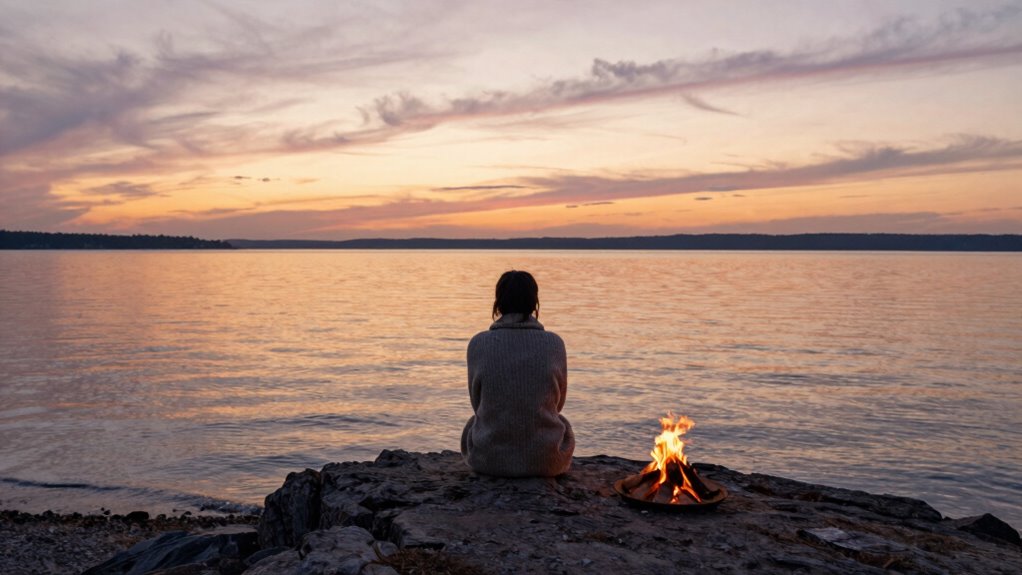

You need solitude when you choose to spend time alone for self-reflection, growth, and recharging, which helps build resilience and self-awareness. Feeling isolated, however, is an involuntary experience of loneliness and disconnection that drains your emotional energy and makes you feel alienated. Recognizing the difference allows you to respond appropriately—embracing solitude for personal growth or reconnecting to restore social bonds. Understanding this balance can support your overall emotional well-being; keep exploring to learn how.

Get audio and creator gear delivered free with Prime
- Fast, free delivery on millions of items
- Prime Video, Amazon Music and more included
- Member-only deals all year
Key Takeaways
- Needing solitude is a conscious choice for self-reflection, while feeling isolated is an involuntary sense of disconnection.
- Solitude enhances self-awareness and emotional resilience; isolation often leads to loneliness and emotional fragility.
- Solitude involves healthy activities that promote growth; isolation may cause emotional exhaustion and alienation.
- Recognizing internal cues helps differentiate between seeking solitude and experiencing unwanted isolation.
- Balancing solitude and social connection supports mental health and prevents feelings of loneliness.
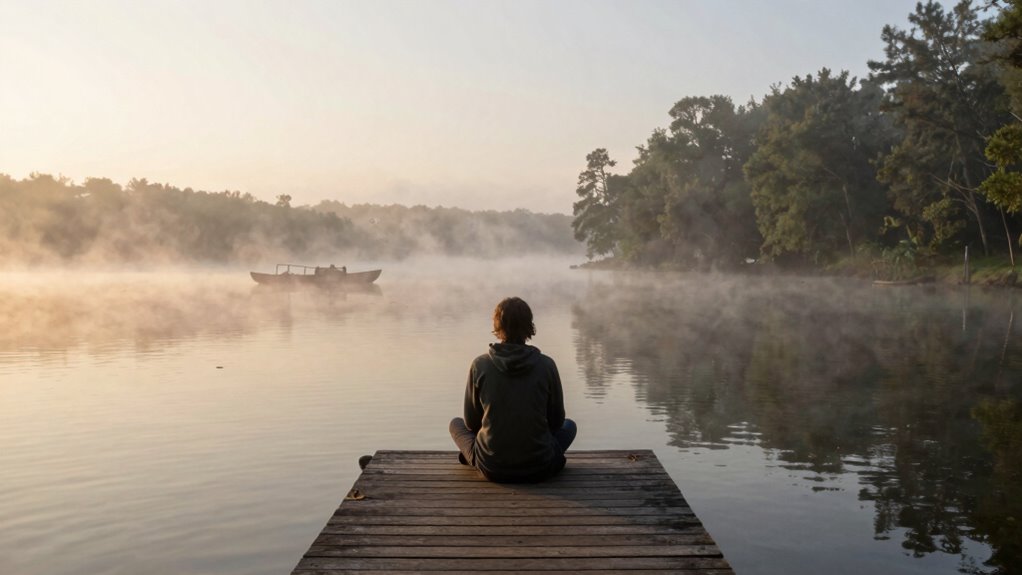
Sometimes, seeking solitude feels like an invigorating retreat, a way to recharge and reconnect with yourself. You might crave these moments to build emotional resilience, giving yourself space to process feelings and clear your mind. When you intentionally carve out time for solitude, it’s about nurturing your well-being rather than escaping from life’s realities. It’s a conscious choice to step back, reflect, and regain your balance, knowing that solitude can enhance your emotional strength. This form of alone time often deepens your social connection in a different way—by helping you understand yourself better, you become more present and authentic in your interactions with others.
Seeking solitude to recharge, reflect, and deepen self-awareness for stronger, more authentic connections with others.
But feeling isolated is a different experience altogether. It’s a sense of disconnection, often accompanied by loneliness, that leaves you feeling cut off from the world around you. Unlike solitude, which is chosen and purposeful, isolation can feel involuntary and overwhelming. You might sense a gap between your inner needs and your external environment, leading to feelings of alienation. When you’re isolated, the emotional resilience you’ve built might feel fragile, and you struggle to find comfort in your own company or in your relationships. Instead of recharging, you feel drained, which worsens your sense of loneliness. Recognizing the impact of emotional resilience can help you better understand how to address feelings of isolation. Developing a sense of self-awareness can be a powerful tool to navigate these feelings and regain a sense of control. Sometimes, understanding the psychological impact of loneliness can guide you toward effective coping strategies. Additionally, understanding the difference between solitude and isolation can empower you to make healthier choices for your well-being.
Understanding this difference is vital because it influences how you respond to each situation. When you recognize that your need for solitude is about self-care, you’re more likely to seek out healthy ways to be alone—reading, meditating, or simply enjoying quiet moments. These activities nurture your emotional resilience, helping you face challenges with greater strength. Conversely, if you start feeling isolated, it’s a signal that you need to reconnect with others. Sometimes, reaching out to friends, joining a community, or sharing your feelings can bridge the gap and restore that vital social connection. These steps remind you that no one is truly alone, even when it feels like it.
Ultimately, the key lies in listening to your internal cues. When you need solitude, embrace it as a tool for growth and self-awareness. When you feel isolated, take deliberate actions to re-establish social bonds. Balancing these needs helps you sustain your emotional resilience and maintain meaningful social connections, ensuring that solitude remains a source of renewal rather than a pathway to loneliness. Recognizing the difference empowers you to nurture your mental health, respond compassionately to your feelings, and foster a more connected, resilient sense of self.
meditation cushion for mindfulness
As an affiliate, we earn on qualifying purchases.
As an affiliate, we earn on qualifying purchases.
Frequently Asked Questions
How Can I Tell if I Need Solitude or Am Feeling Isolated?
You can tell if you need solitude or are feeling isolated by checking in with your inner reflection. If you crave time alone to recharge and reflect without feeling lonely, you likely need solitude. However, if social connections feel distant or you feel disconnected despite being around others, you might be feeling isolated. Respect your personal boundaries and observe how you feel in different situations to better understand your true needs.
Can Loneliness Occur Even When I’M Around Others?
Yes, loneliness can occur even when you’re around others. You might be in social settings but still feel disconnected if your personal space isn’t respected or if social boundaries aren’t clear. You may crave genuine connection, yet feel isolated despite the presence of others. Recognizing this, try to assess if your needs for intimacy and understanding are met, or if you’re simply missing meaningful interactions that fulfill your emotional well-being.
What Are Common Signs of Emotional Isolation?
Imagine feeling emotionally vulnerable, yet avoiding conversations and withdrawing socially—that’s a sign of emotional isolation. You might notice you’re hesitant to share feelings, even with close friends, or prefer solitude over social interactions. These behaviors indicate emotional vulnerability and social withdrawal, which can deepen feelings of loneliness. Recognizing these signs helps you address underlying issues and reconnect with others, fostering emotional well-being and reducing isolation.
How Does Solitude Benefit Mental Health?
Solitude benefits your mental health by giving you space to reflect and recharge. It fosters benefits of solitude like increased self-awareness and reduced stress. Plus, solitude and creativity go hand in hand; when you’re alone, your mind can wander freely, sparking new ideas. Regularly spending time alone helps you reconnect with yourself, boost emotional resilience, and improve overall mental well-being, making solitude a essential part of maintaining good mental health.
What Steps Can I Take to Reconnect if I Feel Isolated?
To reconnect when you feel isolated, start by reaching out to friends or family, then try mindful journaling to process your feelings, and finally, go on nature walks to reconnect with yourself and the environment. These steps help you reflect, engage, and build new connections. Consistency is key—make these activities part of your routine to foster genuine relationships and restore your sense of belonging.
As an affiliate, we earn on qualifying purchases.
Conclusion
Understanding the line between needing solitude and feeling isolated is key to your well-being. When you seek solitude, you’re recharging and reconnecting with yourself; feeling isolated, on the other hand, leaves you lonely and cut off. Remember, it’s all about balance—knowing when to step back and when to reach out. Don’t let yourself become a lone wolf wandering too far; sometimes, it’s okay to ask for help and find your way back to the pack.
noise-canceling headphones for solitude
As an affiliate, we earn on qualifying purchases.
As an affiliate, we earn on qualifying purchases.
adult coloring books for relaxation
As an affiliate, we earn on qualifying purchases.
As an affiliate, we earn on qualifying purchases.
Columbus Day / Indigenous Peoples' Day Picks
long weekend sales
As an affiliate, we earn on qualifying purchases.





![Mike Love Rejoins The Beach Boys On Stage Amid Health Issues [Updated]](https://attunemagazine.com/wp-content/uploads/2026/10/mike-love-rejoins-the-beach-boys-on-stage-amid-health-issues-updated-featured-260x140.jpg)