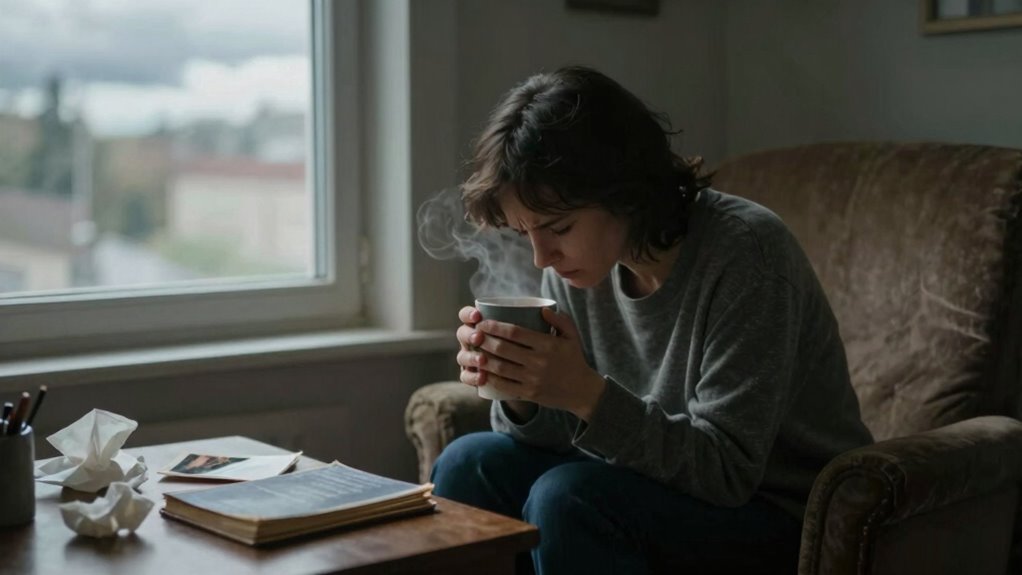

You’ll notice your coping habits stop helping when you experience emotional shifts like increased anxiety, irritability, or numbness despite your routines. Keep an eye on behavioral cues such as social withdrawal or impulsive actions, along with physical signs like headaches or fatigue. When your usual ways no longer relieve stress, it’s a signal to assess and adapt. Staying tuned to these signals helps you respond proactively—learn more to support your well-being.

Get audio and creator gear delivered free with Prime
- Fast, free delivery on millions of items
- Prime Video, Amazon Music and more included
- Member-only deals all year
Key Takeaways
- Pay attention to emotional shifts like increased anxiety, irritability, or numbness despite using usual coping methods.
- Notice behavioral changes such as social withdrawal or impulsive actions that persist despite efforts to manage stress.
- Recognize physical symptoms like headaches or fatigue that worsen or don’t improve with your typical routines.
- Reflect honestly on whether your current coping strategies still provide relief or if stress remains unresolved.
- Be proactive in seeking new strategies or support when emotional, behavioral, or physical signals indicate your current methods are ineffective.

Coping habits can provide quick relief during stressful times, but they don’t always remain effective. Over time, what once helped you manage anxiety or frustration might start to lose its power, leaving you feeling stuck or overwhelmed. Recognizing when these habits stop serving you is essential for maintaining your mental health. One way to do this is by developing emotional awareness. When you pay close attention to your feelings, you can notice subtle shifts in your emotional state that signal your coping strategies aren’t working as well as they used to. For example, if you find yourself feeling more anxious, irritable, or numb despite engaging in your usual routines, it’s a sign that your current habits might need reevaluation.
Recognize when coping habits no longer help by tuning into your feelings and noticing subtle emotional shifts.
Along with emotional awareness, observing behavioral cues is vital. Behavioral cues are specific actions or patterns that reveal how your coping mechanisms are impacting you. If you notice yourself withdrawing from social interactions, neglecting responsibilities, or engaging in impulsive behaviors like overeating or substance use, these can be signs that your coping habits are no longer effective or healthy. Sometimes, you might catch yourself using the same coping method even when it clearly isn’t helping, like turning to alcohol when you’re stressed, but feeling increasingly detached or unable to function afterward. These cues serve as red flags, alerting you that it’s time to reassess your approach. Recognizing behavioral cues early can help you intervene before habits become deeply ingrained or harmful.
You might also notice physical signs that your coping strategies aren’t working. Tension headaches, fatigue, or frequent stomach issues can all be linked to unresolved stress. These physical symptoms often accompany emotional and behavioral signals, forming a pattern that indicates your current habits aren’t enough. When you recognize these signs early, you’re better positioned to make changes before stress takes a bigger toll on your well-being. Recognizing physical signs early can help prevent the escalation of stress-related health issues and promote a healthier response to stressors. Additionally, understanding the role of physical symptoms in stress management helps you develop a more comprehensive approach to your health.
Paying attention to your emotional awareness and behavioral cues isn’t about self-criticism; it’s about honest self-assessment. When you notice that your usual coping habits aren’t providing relief anymore, it’s a chance to explore new ways to handle stress. This might mean seeking support, trying mindfulness techniques, or developing healthier routines. The key is staying attuned to your emotional and physical signals so you can adapt before these habits become detrimental. Recognizing when your coping strategies stop helping empowers you to take proactive steps toward better mental and emotional health.
As an affiliate, we earn on qualifying purchases.
Frequently Asked Questions
Can Coping Habits Become Harmful Over Time?
Yes, coping habits can become harmful over time if habit reinforcement occurs without addressing underlying issues. When you rely solely on these habits, your emotional resilience may weaken, making it harder to handle stress healthily. You might notice increased frustration or anxiety instead of relief. Recognizing these signs helps you adjust your coping strategies, ensuring they support your well-being rather than hinder it.
How Quickly Do Coping Habits Typically Lose Effectiveness?
Coping habits can lose effectiveness surprisingly quickly, often within weeks or months, depending on how consistently you rely on them. You might notice a gradual habit deterioration, where your usual strategies no longer provide relief, and the effectiveness decline becomes evident. If you find yourself needing more of the same to feel better or feeling worse despite your efforts, it’s a sign your coping mechanisms are losing their power and might need adjustment.
Are There Signs I Should Seek Professional Help?
If you notice persistent feelings of hopelessness, overwhelming anxiety, or difficulty functioning despite your coping strategies, it’s time to seek professional help. A professional assessment can identify underlying issues, while emotional support from a mental health expert can guide you toward healthier habits. Don’t hesitate to reach out if your coping methods no longer provide relief or if your distress worsens, as early intervention can make a significant difference.
Can New Coping Strategies Improve My Mental Health?
Imagine stepping into a vibrant garden, where new coping strategies bloom like colorful flowers. Yes, trying mindfulness practices and nurturing social connections can boost your mental health. These fresh approaches help you stay grounded and connected, making it easier to handle stress. Embracing new coping methods can refresh your mindset, giving you tools to manage challenges more effectively and fostering a sense of growth and resilience in your life.
How Do I Differentiate Between Temporary and Lasting Changes?
You can differentiate between temporary fluctuations and lasting changes by observing patterns over time. If your feelings or behaviors improve and then revert quickly, it’s a temporary fluctuation. However, if you notice persistent improvements or declines that last weeks or months, those likely have a lasting impact. Pay attention to how your coping strategies influence your daily life and emotional well-being consistently, not just in short-term moments.
As an affiliate, we earn on qualifying purchases.
Conclusion
When your coping habits feel like a well-worn path leading nowhere, it’s time to pause and reassess. Just as a garden needs tending to flourish, your mental health needs fresh strategies to thrive. Listen to your inner voice—if your usual tools no longer bring relief, don’t ignore the signals. Break free from the cycle before it becomes a tangled knot; growth begins when you recognize the need for change and find new ways to nurture yourself.
physical symptom relief products
As an affiliate, we earn on qualifying purchases.
As an affiliate, we earn on qualifying purchases.
As an affiliate, we earn on qualifying purchases.
Halloween Picks
halloween
As an affiliate, we earn on qualifying purchases.