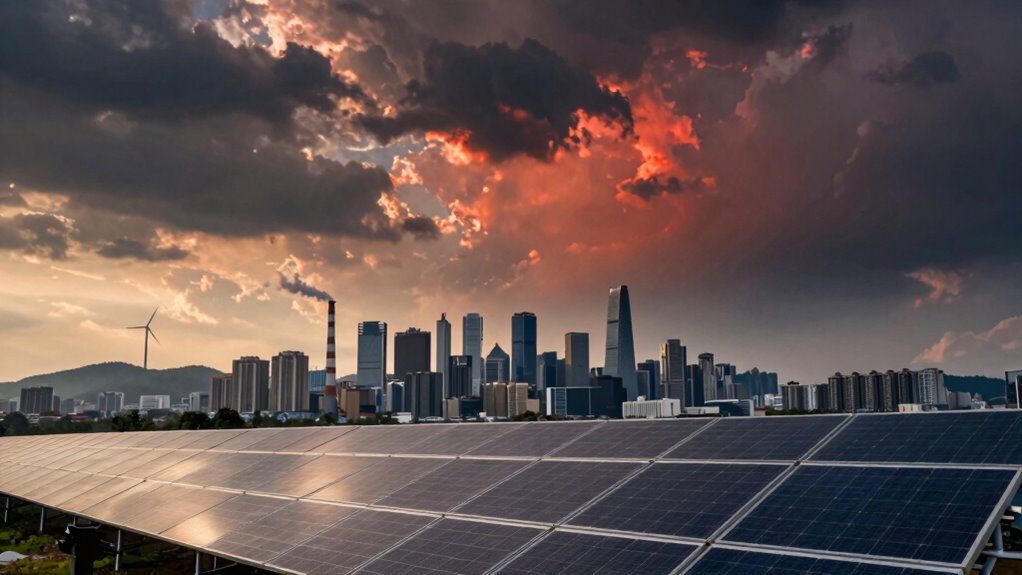
Climate finance remains one of the biggest stories to watch because it drives the global shift toward sustainable investments and innovative green tools like green bonds and carbon pricing. As nations intensify efforts to meet climate goals, the scale and speed of investments must grow rapidly. New financial instruments and transparency efforts are essential for mobilizing private sector resources and ensuring funds are used effectively. Keep exploring this topic to understand how these evolving strategies shape our climate future.

Get audio and creator gear delivered free with Prime
- Fast, free delivery on millions of items
- Prime Video, Amazon Music and more included
- Member-only deals all year
Key Takeaways
- Climate finance drives the massive investments needed to meet global climate targets quickly and effectively.
- Innovative financial instruments like green bonds and blended finance boost private sector engagement.
- Transparency and accountability improvements ensure funds are used efficiently for climate resilience.
- Increasing climate finance flows reflect rising global awareness and commitment to sustainable development.
- Evolving financial tools and partnerships are critical for mobilizing resources and adapting to climate challenges.

As the world grapples with escalating climate challenges, the flow of climate finance has become more critical than ever. You see, directing investments toward sustainable projects isn’t just about meeting environmental goals; it’s about shaping the future economy. Central to this effort are mechanisms like carbon pricing, which puts a tangible cost on greenhouse gas emissions. When governments or companies implement carbon pricing, they incentivize industries to reduce their carbon footprint by making pollution more expensive. This approach encourages innovation and shifts business practices toward greener alternatives, making climate finance a powerful tool for driving change. Alongside carbon pricing, green bonds have gained prominence as a key instrument to fund environmentally sustainable projects. These bonds attract investors seeking both financial returns and positive environmental impact, channeling billions into renewable energy, energy efficiency, and conservation projects. You’re likely to see an increasing number of governments and corporations issuing green bonds because they serve as a clear signal that sustainability is a priority, boosting investor confidence and expanding capital flows into climate solutions.
The importance of climate finance also lies in the scale and speed needed to meet global climate targets. As nations set more ambitious commitments under agreements like the Paris Accord, the demand for innovative financing options grows. You might notice that discussions around climate finance are shifting from mere pledges to tangible investments, with countries and institutions exploring new financial instruments and partnerships. For example, integrating carbon pricing into national budgets or expanding green bond markets can unlock billions of dollars annually for climate mitigation and adaptation efforts. This isn’t just about raising money; it’s about creating a sustainable financial ecosystem that aligns economic growth with environmental stewardship. Additionally, financial instruments like climate risk insurance and sustainability-linked loans are increasingly being tailored to support climate resilience and adaptation strategies. The development of these financial tools is essential for mobilizing private sector resources effectively, especially as innovative climate financing approaches continue to evolve. Moreover, efforts to improve transparency and accountability are crucial to ensure that climate funds are used effectively and build investor trust. An understanding of climate policies can further enhance the effectiveness of these financial strategies, ensuring alignment with global climate goals.
Moreover, climate finance isn’t static; it’s evolving to address emerging challenges. You’ll see efforts to improve transparency and accountability, ensuring that funds are used effectively. International organizations and financial institutions are developing frameworks to track climate-related investments, making it easier for investors and policymakers to measure impact. The ongoing innovation in financial tools—like blended finance, climate risk insurance, and sustainability-linked loans—demonstrates a commitment to mobilizing private sector resources. All these developments keep climate finance at the forefront of global conversations, emphasizing that investing in climate solutions isn’t just necessary—it’s urgent and profitable. You can expect that as awareness and ambition grow, the flow of climate finance will continue to accelerate, shaping a resilient, sustainable future for all.
Popular right now

Bose QuietComfort Headphones (2nd Gen), Wireless Noise-Cancelling Over-Ear Headphones, Eucalyptus Green

Shark AI Ultra Robot Vacuum with Self-Empty Base

Ninja Foodi 10-Qt DualZone Smart XL Air Fryer, 6-in-1, DZ550
As an affiliate, we earn on qualifying purchases.
Frequently Asked Questions
How Does Climate Finance Impact Developing Countries Differently?
You see, climate finance impacts developing countries differently because of climate equity concerns. These nations often receive less adaptation funding, which hampers their ability to tackle climate risks effectively. When funding is directed fairly, it helps build resilience and promotes sustainable growth. Without equitable climate finance, developing countries struggle more with climate change, widening global disparities and making it harder for them to recover from environmental challenges.
What Are the Main Sources of Climate Finance?
You might be surprised to learn the main sources of climate finance—Green Bonds and Climate Funds. Green Bonds raise capital specifically for environmentally friendly projects, while Climate Funds, often provided by governments and international organizations, support climate adaptation and mitigation efforts. These sources mobilize billions, fueling innovative solutions and sustainable development. Their impact grows as more investors and nations commit, making climate finance a pivotal force in combating climate change.
How Is Climate Finance Measured and Reported Globally?
You measure and report climate finance globally by tracking funding flows through standardized frameworks like the OECD and UNFCCC. You consider climate risk when evaluating investments, guaranteeing they address vulnerabilities. Funding transparency is essential, so you rely on clear disclosures from governments and organizations. Regular reporting, combined with international guidelines, helps you evaluate progress, identify gaps, and confirm climate finance effectively targets climate change mitigation and adaptation efforts worldwide.
What Role Do Private Investors Play in Climate Finance?
Private investors play a pivotal role in climate finance by channeling funds into sustainable projects. You can see this through private equity investments that support clean energy startups and green bonds issued to fund environmental initiatives. These investors drive innovation, boost capital availability, and expedite the shift to a low-carbon economy. Your involvement helps shape a sustainable future, making private sector participation essential in addressing climate change challenges.
How Can Climate Finance Ensure Long-Term Sustainability?
You can guarantee long-term sustainability in climate finance by prioritizing green bonds and sustainable investments. These tools direct funds toward projects that promote environmental health and resilience. By supporting policies that encourage transparent reporting and accountability, you help build a reliable financial ecosystem. Additionally, fostering collaboration between governments, private investors, and communities makes sustainable investments more impactful, securing a healthier planet for future generations.
Conclusion
So, don’t dismiss climate finance as just another buzzword. It’s your best chance to see real change—funding projects that cut emissions and build resilience. Some might say it’s too slow or complicated, but every investment brings us closer to a sustainable future. By staying engaged and pushing for smarter policies, you can help turn these financial commitments into tangible results. After all, climate action starts with you and your voice.