

Your gut and brain constantly send messages to each other through a network of nerves, chemicals, and signals. The microbes in your gut produce substances that can influence your mood and health, while your brain sends signals that affect gut function. This exchange helps regulate how you feel and respond to stress or illness. Keeping this system balanced is key to feeling good and staying healthy. If you want to understand how this connection works, there’s more to discover below.

Get audio and creator gear delivered free — and shop member deals
- Fast, free delivery on millions of items
- Access to Prime Big Deal Days deals on October 6–7
- Prime Video, Amazon Music and more included
Key Takeaways
- The gut and brain communicate through nerves, chemicals, and immune signals, influencing mood, digestion, and overall health.
- Microbes in the gut produce substances like neurotransmitters that can affect how we feel and think.
- Signals travel both ways: from the gut to the brain and from the brain to the gut, creating a two-way link.
- An unhealthy gut microbiome can lead to stress, fatigue, and mental health issues.
- Maintaining good gut health through diet, stress control, and sleep supports overall well-being.
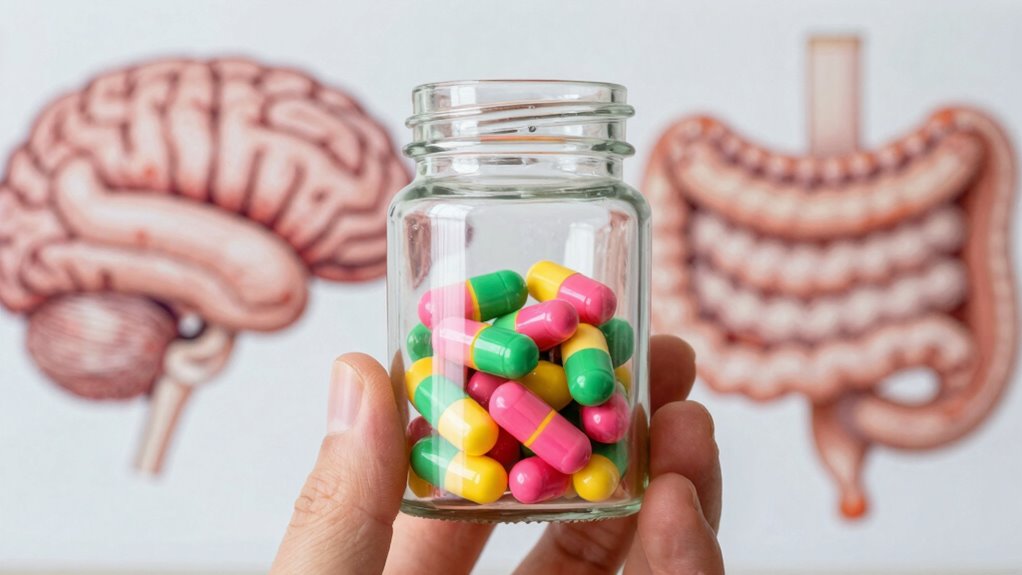
The gut-brain axis is a complex communication network that links your gastrointestinal system with your brain, influencing your mood, behavior, and overall health. At its core, this connection relies heavily on microbiome health, which refers to the community of tiny microorganisms living in your gut. These microbes are more than simple passengers; they actively communicate with your brain through neural pathways, chemicals, and immune signals, shaping how you feel and function every day.
Your gut’s microbes produce a variety of compounds—neurotransmitters, for example—that can travel directly to your brain or influence it indirectly. When your microbiome is balanced and healthy, these signals work smoothly, helping regulate everything from your mood to your immune response. But if your gut bacteria become imbalanced—due to poor diet, stress, or illness—the communication lines get disrupted. This imbalance can lead to issues like anxiety, depression, or even cognitive decline, showing how crucial microbiome health really is.
Balanced microbiome signals support mood, immunity, and cognitive health; imbalance can lead to anxiety, depression, and decline.
Neural communication is a key player here. Your vagus nerve, a major nerve running from your brainstem to your gut, acts like a highway for messages. It transmits signals back and forth, allowing your brain to monitor and respond to what’s happening in your digestive system. When your gut microbes produce certain chemicals, they can activate this nerve, signaling your brain about the state of your digestion, inflammation levels, or even nutrient absorption. Conversely, your brain can influence your gut environment by sending signals that impact microbial balance, creating a two-way street of communication. This bidirectional signaling underscores how interconnected your mental and physical health are.
This constant exchange affects your overall well-being. For example, if your microbiome is thriving, you’re more likely to experience a positive mood and good digestion. However, if your gut bacteria are out of sync, you might notice feelings of stress or fatigue. It’s also important to recognize that this microbiome-gut-brain connection has been linked to various health conditions, emphasizing its significance beyond just digestive health. Maintaining microbiome health can also influence your body’s immune response, which is critical for overall health and resilience. It’s not just about mood—these signals also influence your immune system, helping you fend off infections or, if disrupted, making you more vulnerable.
In essence, maintaining microbiome health isn’t just about digestion; it’s about supporting a healthy dialogue between your gut and your brain. When neural communication flows freely, your mental clarity, emotional stability, and physical health tend to improve. Taking care of your gut—through balanced eating, stress management, and proper sleep—can keep this essential communication network running smoothly, by supporting microbiome health, benefiting your entire body and mind.
As an affiliate, we earn on qualifying purchases.
Frequently Asked Questions
How Quickly Can Gut Health Influence Mental State?
Your gut health can influence your mental state within hours, thanks to its role in neurotransmitter regulation and stress response modulation. When your gut flora is balanced, it quickly impacts mood by producing mood-related chemicals and reducing stress hormones. Conversely, poor gut health can cause mood swings or anxiety. You might notice changes in your mental state as soon as your gut microbiome shifts, highlighting how closely your gut and brain work together.
Are Specific Foods Better for Gut-Brain Communication?
Certain foods do support gut-brain communication better. For example, foods high in dietary fibers can boost beneficial gut bacteria, which may reduce brain inflammation. Imagine your gut as a busy highway; fiber acts like the traffic controller, keeping signals clear and smooth. Consuming fiber-rich foods like fruits, vegetables, and whole grains helps strengthen this connection, potentially improving mood and mental clarity over time.
Can Gut Issues Cause Long-Term Brain Problems?
Yes, gut issues can lead to long-term brain problems. When your microbiome diversity decreases, harmful bacteria may overgrow, triggering brain inflammation. This inflammation can impair cognitive functions and contribute to mental health conditions over time. Maintaining a healthy gut with diverse microbes helps protect your brain, so addressing gut issues early is essential for long-term brain health. Eating nutrient-rich foods and managing stress support this critical connection.
What Are Signs of a Disrupted Gut-Brain Connection?
You might notice mood swings, brain fog, or digestive issues, which can signal a disrupted gut-brain connection. Research shows that reduced microbiome diversity can impair communication with your brain, affecting mental clarity and emotional balance. Additionally, a compromised blood-brain barrier allows harmful substances to enter your brain, leading to cognitive problems. If these signs persist, it’s a clear indication your gut-brain axis might need some attention.
Do Probiotics Improve Mental Health Through the Gut?
Yes, probiotics can improve mental health by enhancing your microbiome diversity and supporting neurotransmitter production. When you take probiotics, they help balance your gut bacteria, which influences how your brain functions. A diverse microbiome produces more mood-regulating neurotransmitters like serotonin and GABA. As a result, you might experience better mood, reduced anxiety, and improved overall mental well-being. Incorporating probiotics into your routine could positively impact your gut-brain connection.
As an affiliate, we earn on qualifying purchases.
Conclusion
Now that you’ve seen how your gut and brain are tightly linked, it’s clear that taking care of your digestive health isn’t just about avoiding discomfort — it’s about nurturing your mind too. When you give your gut the attention it deserves, you’re setting the stage for better mood, focus, and overall well-being. Remember, you can’t judge a book by its cover, so don’t overlook what’s happening inside — because what’s inside truly matters.
As an affiliate, we earn on qualifying purchases.
As an affiliate, we earn on qualifying purchases.
Fall Picks
fall essentials
As an affiliate, we earn on qualifying purchases.