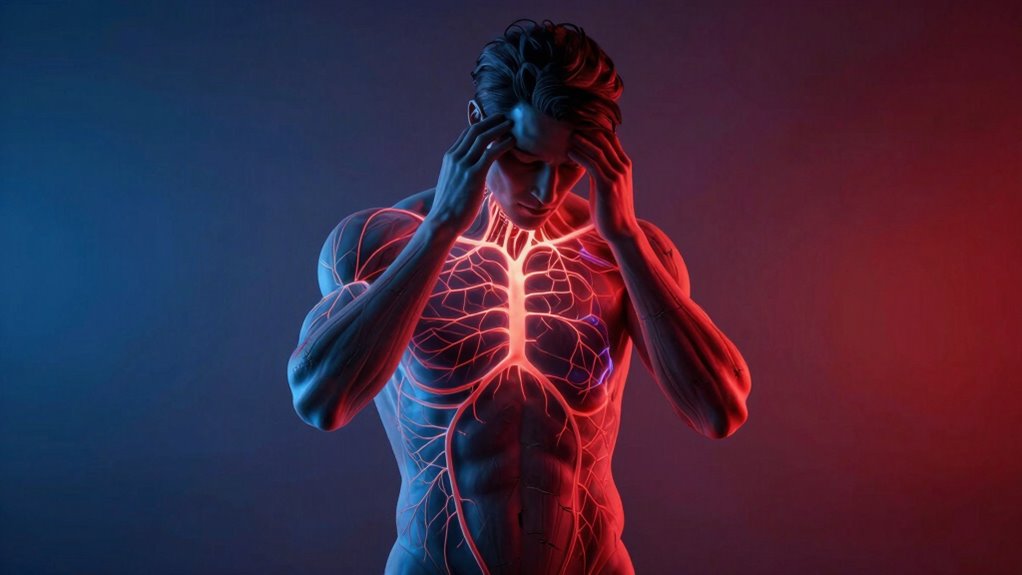

Over time, stress causes your hormones, like cortisol and adrenaline, to fluctuate wildly, disrupting sleep, weight, and blood sugar levels. Chronic stress weakens your immune system, making you more prone to illnesses and longer recoveries. It also impacts your mental health, leading to anxiety, depression, and memory issues. Persistent stress raises your risk of heart disease and other serious conditions. If you want to understand how to protect your health, keep exploring these effects further.

Get audio and creator gear delivered free with Prime
- Fast, free delivery on millions of items
- Prime Video, Amazon Music and more included
- Member-only deals all year
Key Takeaways
- Chronic stress causes hormonal imbalances, disrupting sleep, weight, and blood sugar regulation.
- Prolonged stress suppresses immune function, increasing infection risk and slowing recovery.
- Long-term stress impairs cognitive functions like memory and concentration, and raises mental health issues.
- Sustained stress elevates blood pressure, raises cardiovascular risk, and can lead to chronic health conditions.
- Ignoring stress effects diminishes resilience, making the body more vulnerable to illness and long-term health problems.

Stress triggers a series of changes in your body that can accumulate over time, affecting your health in ways you might not immediately notice. When you’re under stress, your body releases hormones like adrenaline and cortisol to help you respond quickly. These hormonal fluctuations are essential in short bursts, but when stress becomes chronic, they can throw your body’s balance off. Persistent high levels of cortisol, for example, can interfere with your body’s ability to regulate other hormones, leading to issues like disrupted sleep, weight gain, and even imbalanced blood sugar levels. Over time, this hormonal chaos can weaken your overall health, making you more vulnerable to illnesses.
Chronic stress disrupts hormonal balance, impairing sleep, weight, blood sugar, and overall health over time.
One of the key ways stress impacts your body is through your immune response. In the short term, stress can actually boost your immune system, helping you fight off infections. However, prolonged stress suppresses your immune defenses, leaving you more susceptible to colds, flu, and other illnesses. When your immune response is consistently compromised, your body struggles to heal wounds and fight off harmful pathogens. This sustained immune suppression can lead to longer recovery times and increased risk of chronic disease. As your immune system becomes less effective, you might notice you’re catching illnesses more often or taking longer to recover from minor ailments.
The ongoing hormonal fluctuations caused by chronic stress also influence your mental and physical health. Elevated cortisol levels over extended periods can impair your memory, concentration, and mood, increasing the risk of anxiety and depression. Physically, these hormonal shifts can contribute to high blood pressure and increased cardiovascular risk, as stress keeps your heart working harder than necessary. Your body’s natural balance gets disrupted, and you might find yourself feeling fatigued, irritable, or overwhelmed more frequently. These changes don’t happen overnight but gradually erode your resilience and overall well-being. Additionally, hormonal imbalance caused by chronic stress can negatively impact your metabolism, leading to further health complications. Recognizing the importance of stress management techniques can help mitigate these effects and promote long-term health. Moreover, understanding the long-term effects of stress can motivate you to prioritize your mental and physical well-being.
If you ignore the signs of ongoing stress, the cumulative effects can become serious. Your body’s ability to maintain homeostasis diminishes, and health problems that seem minor at first can turn into chronic conditions. Recognizing how stress influences hormonal fluctuations and weakens your immune response is crucial. Developing awareness about stress-related health issues can empower you to take proactive steps. By actively managing stress through exercise, relaxation techniques, or seeking support, you can help restore harmony within your body and prevent these long-term health issues from taking hold. Furthermore, understanding the impact of chronic stress can motivate you to adopt healthier lifestyle choices for better resilience.
stress relief essential oil diffuser
As an affiliate, we earn on qualifying purchases.
As an affiliate, we earn on qualifying purchases.
Frequently Asked Questions
Can Stress Symptoms Vary Between Individuals?
Yes, stress symptoms can vary between individuals because of differences in stress adaptation and individual resilience. Some people might experience anxiety, headaches, or fatigue, while others may notice irritability or changes in sleep. Your body’s response depends on your unique coping mechanisms and biological makeup. Recognizing these differences helps you understand that stress affects everyone differently, and tailoring stress management strategies can improve your overall well-being.
How Does Chronic Stress Affect Mental Health Long-Term?
Chronic stress is like a storm cloud that won’t lift, draining your mental strength. It floods your brain with stress hormones, eroding emotional resilience and increasing risks of anxiety and depression. Over time, these effects can dull your ability to handle daily challenges, making you feel overwhelmed and disconnected. Without intervention, long-term stress can profoundly impair your mental health, leaving you feeling trapped in a cycle of worry and despair.
Are There Specific Foods That Can Reduce Stress Effects?
You can reduce stress effects by eating stress reducing foods like dark chocolate, nuts, and berries, which boost your mood and lower cortisol levels. Incorporate calming herbal teas such as chamomile or lavender into your routine, as they promote relaxation and calm your nerves. These natural options support your body’s ability to handle stress better, helping you feel more centered and less overwhelmed during tense moments.
What Role Does Genetics Play in Stress Response?
Genetics plays a vital role in your stress response, influencing your genetic predispositions and stress resilience. You inherit tendencies that can either make you more vulnerable or more resilient to stress. Your genes shape how your body reacts, manages, and recovers from stressors. Recognizing this helps you understand your unique responses and empowers you to develop personalized strategies to improve your resilience and better handle life’s challenges.
Can Stress-Related Changes Be Fully Reversed?
Yes, stress-related changes can be fully reversed if you adopt effective stress management techniques. By practicing regular relaxation methods, exercising, and maintaining a healthy lifestyle, you help restore hormonal balance and reduce the physical impacts of stress. Consistency is key; over time, these habits can undo many of the adverse effects, allowing your body to recover and return to a healthier state.
As an affiliate, we earn on qualifying purchases.
Conclusion
As you navigate life’s storms, stress becomes the silent tide shaping your vessel. Over time, it etches deep scars into your foundation, whispering warnings like distant thunder. Recognize these subtle signs—a crack in your armor or a flicker of smoke—and tend to your inner fire before it’s extinguished. Remember, you hold the oars; steer wisely through these turbulent waters, for your resilience is the lighthouse guiding you safely back to calmer seas.
As an affiliate, we earn on qualifying purchases.
As an affiliate, we earn on qualifying purchases.
Fall Picks
fall essentials
As an affiliate, we earn on qualifying purchases.