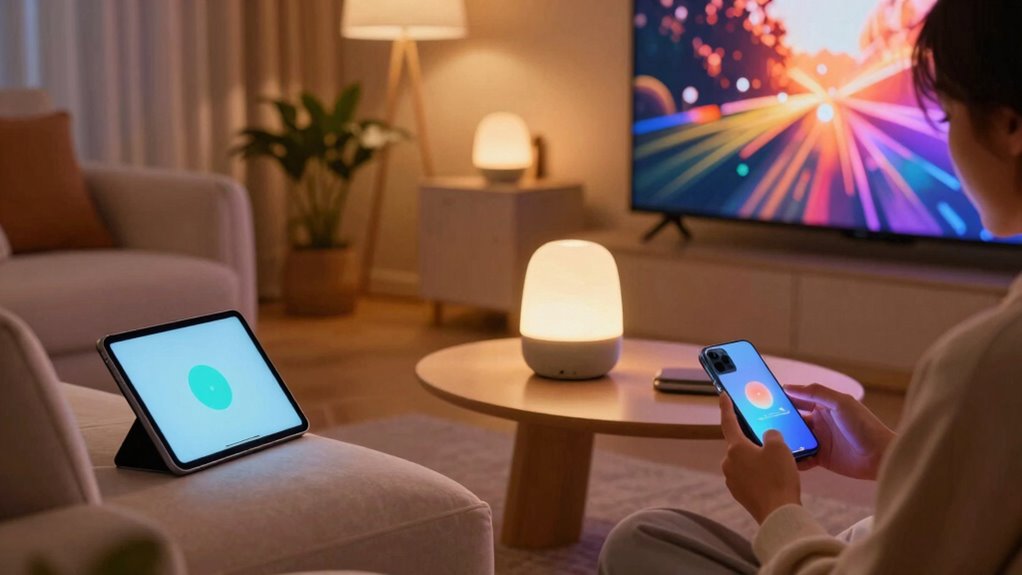

Device ecosystems are designed to keep you engaged longer than expected by offering seamless, interconnected experiences that become part of your daily routine. They encourage habit formation through psychological triggers, making you rely on their features, services, and updates. Convenience, notifications, and incentives deepen your connection, creating a sense of familiarity and trust. As your routines intertwine with these ecosystems, you may stay longer than you planned—discover how these strategies shape your habits as you explore further.
Key Takeaways
- Ecosystems are designed to create seamless, integrated experiences that encourage continuous, habitual device usage.
- Interoperability issues lead to increased dependence on the ecosystem’s solutions, reducing the likelihood of switching.
- Habit-forming features and psychological strategies foster emotional attachment and routine use.
- Strategic incentives and personalized services deepen user engagement and trust over time.
- Convenience, notifications, and multitasking opportunities extend user interaction beyond initial intentions.

Device ecosystems have become a powerful tool for brands to lock in customers and boost loyalty. When you’re immersed in a seamless network of products—like a smartphone, tablet, smart speaker, and wearable—it’s easy to lose track of time. These ecosystems are designed to keep you engaged, making it convenient to perform everyday tasks without switching devices or apps. The convenience encourages you to spend more time within a single environment, strengthening your connection to the brand. But this convenience isn’t accidental; it’s a carefully crafted strategy to create a sticky environment that keeps you coming back.
Device ecosystems intentionally foster loyalty by creating seamless, engaging experiences that make switching or leaving increasingly difficult.
One of the main reasons you might stay longer than planned is because of interoperability challenges. Many device ecosystems are built to work flawlessly together, but the reality isn’t always perfect. Sometimes, you encounter hiccups—devices that don’t sync properly or software that’s less intuitive than it should be. These issues can frustrate you, but they also make you more dependent on the ecosystem’s solutions. You learn to navigate around these challenges, which ironically deepens your commitment to the brand. The more you rely on the ecosystem for your daily needs, the less likely you are to switch to alternatives, even if interoperability issues pop up now and then. Additionally, device integration is a key aspect that influences how seamlessly these systems function, further impacting user loyalty. Recognizing the importance of user experience can help brands refine their ecosystems to minimize frustration and maximize engagement. Moreover, the design of these ecosystems often includes habit-forming features that subtly encourage repeated use, further reinforcing user loyalty. This intentional design taps into psychological principles to foster a sense of attachment and routine. As these systems become more ingrained in your daily routines, they can alter your behavior patterns and expectations over time.
Your loyalty is further reinforced by brand loyalty strategies that focus on creating an integrated, interconnected experience. Companies know that once you’re embedded in their ecosystem, switching becomes a hassle. They offer incentives like exclusive features, seamless device integration, and personalized services that make leaving less appealing. These strategies subtly nudge you to stay longer, whether it’s through automatic updates, cross-device syncing, or tailored recommendations based on your usage patterns. Over time, these tactics foster a sense of familiarity and trust, making the ecosystem feel like a natural extension of your daily life. Understanding these strategies can help consumers recognize how their habits are influenced and how to make more conscious choices. Additionally, habit formation is an essential aspect that helps ecosystems maintain user engagement and loyalty over the long term.
Ultimately, it’s the combination of convenience, occasional frustrations, and strategic incentives that keep you glued to a device ecosystem longer than you initially intended. The more you use it, the more your routines become intertwined with the ecosystem’s offerings. Even when you plan to spend a quick moment with your device, the experience often evolves into a longer stay—whether it’s binge-watching shows, managing smart home devices, or simply scrolling through notifications. All these factors work together to make device ecosystems not just useful, but habit-forming, ensuring you stay connected longer than you might have expected.
As an affiliate, we earn on qualifying purchases.
Frequently Asked Questions
How Do Device Ecosystems Influence Daily User Routines?
Device ecosystems influence your daily routines by enabling cross-platform integration and seamless synchronization. You find it easier to switch between devices without losing progress, making tasks more efficient. This interconnected setup encourages you to spend more time on your devices, as everything works smoothly together. Over time, it becomes natural to rely on the ecosystem, subtly extending your device usage beyond your initial plans.
What Role Do Exclusive Features Play in User Retention?
Exclusive features boost your user loyalty by offering unique benefits that you can’t get elsewhere. When you find features that work seamlessly within a device ecosystem, you’re more likely to stick with that brand, knowing you’ll miss out if you switch. These features create a sense of value and convenience, making it harder to leave, and encouraging you to stay longer than you initially planned because the ecosystem becomes indispensable.
Can Switching Ecosystems Be Easily Reversed?
Switching ecosystems isn’t always easy, but it’s possible if you consider ecosystem compatibility and shift ease. Imagine disconnecting from a web of familiar devices—your smart home, apps, and data—each thread woven tightly together. Reversing the switch can feel like unraveling that web, which takes effort and patience. While some ecosystems offer smoother transition ease, be prepared for a bit of a challenge if you decide to switch back.
How Do Device Ecosystems Impact Data Privacy Concerns?
Device ecosystems can heighten your data privacy concerns because they often share data across devices, increasing vulnerability. You need to pay close attention to data encryption, ensuring your information stays protected. Adjust your privacy settings regularly to control what data gets shared and who has access. Without these precautions, your sensitive information could be exposed or misused, making it vital to stay vigilant within these interconnected systems.
Are There Demographic Differences in Ecosystem Loyalty?
Yes, demographic preferences influence ecosystem loyalty. Younger users often prioritize cutting-edge features and brand image, while older demographics value seamless integration and reliability. Loyalty factors include familiarity, perceived value, and ecosystem compatibility. You might find that certain age groups stick with a brand longer because they’re comfortable with its ecosystem, making switching costs higher. Understanding these differences helps companies tailor their offerings and retain diverse user bases effectively.
As an affiliate, we earn on qualifying purchases.
Conclusion
You see, device ecosystems keep you hooked because they create a seamless experience that’s hard to walk away from. They make everything work together effortlessly, so you stay longer than you planned—like a moth to a flame. Once you’re in, it’s tough to break free, and suddenly, your tech habits are glued tighter than ever. So, be mindful; sometimes, the best decision is to not put all your eggs in one basket.
As an affiliate, we earn on qualifying purchases.
smartphone and tablet integration
As an affiliate, we earn on qualifying purchases.
As an affiliate, we earn on qualifying purchases.