
When selecting a studio condenser microphone, the goal is to find a device that captures detailed, transparent sound for vocals and instruments. The RØDE NT1 5th Gen stands out as the overall best, offering a balanced mix of clarity and reliability. The Audio-Technica AT2035 is a close runner-up for its versatile cardioid pattern and durability. However, buyers often face tradeoffs between price, sound quality, and features—more expensive models tend to deliver better detail but may be overkill for casual use. Continue reading for a detailed breakdown of the top picks and what makes each suitable for different needs.

Get audio and creator gear delivered free — and shop member deals
- Fast, free delivery on millions of items
- Access to Prime Big Deal Days deals on October 6–7
- Prime Video, Amazon Music and more included
Complete the kit

Key Takeaways
- The RØDE NT1 5th Gen offers exceptional clarity, making it ideal for professional vocal work.
- Budget-friendly options like the Audio-Technica AT2020 provide surprisingly good sound for entry-level setups.
- Large-diaphragm models generally deliver richer, fuller tones suitable for vocals and instruments.
- Build quality and included accessories vary widely, impacting long-term value and ease of use.
- Choosing between XLR and USB-C models depends on your recording setup and portability needs.
| RØDE NT1 5th Gen Studio Condenser Microphone, XLR + USB-C, Silver |  | Best Overall for Versatile Studio Recording | Connectivity: XLR and USB-C | Color: Silver | Sample Rate: up to 192kHz | VIEW LATEST PRICE | See Our Full Breakdown |
| Tascam TM-80 Large Diaphragm Condenser Microphone, Silver |  | Best Value for Home Recording with Accessories | Connectivity Technology: Wired | Connector Type: XLR | Maximum Sound Pressure Level: 136dB SPL | VIEW LATEST PRICE | See Our Full Breakdown |
| Melon Audio MA-87 Studio Condenser Microphone with Accessories |  | Best for Vocal Clarity and Durability | Capsule Size: 26mm | Diaphragm Type: Large diaphragm | Power Requirement: 48V phantom power | VIEW LATEST PRICE | See Our Full Breakdown |
| AKG Pro Audio P120 – 2/3-Inch Condenser Microphone for Vocals & Instruments |  | Best for Versatile Studio and Live Use | Polar Pattern: Cardioid | Frequency Bandwidth: 20 – 20000 Hz | Maximum SPL: 150dB | VIEW LATEST PRICE | See Our Full Breakdown |
| 512 Audio Skylight Large Diaphragm Studio Condenser XLR Microphone with Shock Mount and Bag |  | Best for Warm, Professional Vocal Recordings | Capsule Type: Condenser | Capsule Size: 34mm | Polar Pattern: Cardioid | VIEW LATEST PRICE | See Our Full Breakdown |
| Audio-Technica AT2035 Cardioid Condenser Microphone with Shock Mount |  | Best Overall for Versatile Studio Use | Polar Pattern: Cardioid | Diaphragm: Large | High Pass Filter: Switchable 80 Hz | VIEW LATEST PRICE | See Our Full Breakdown |
| Audio-Technica AT2020 Cardioid Condenser Studio XLR Microphone, Black |  | Best Value for Home and Project Studios | Connectivity Technology: Wired | Connector Type: XLR | Frequency Response: 20 Hz – 20 kHz | VIEW LATEST PRICE | See Our Full Breakdown |
| RØDE NT1 Signature Series Studio Condenser Microphone, Black |  | Best for Ultra-Low Noise Studio Recording | Type: Condenser Microphone | Pattern: Cardioid | Self-noise: Among the lowest ever made | VIEW LATEST PRICE | See Our Full Breakdown |
| Mackie EM-Series Large-Diaphragm Condenser Microphone (EM-91C) |  | Best Budget-Friendly Professional-Quality Mic | Type: Condenser Microphone | Polar Pattern: Cardioid | Includes: Shock mount, XLR cable | VIEW LATEST PRICE | See Our Full Breakdown |
| Shure SM4 XLR Studio Condenser Microphone Kit for Recording |  | Best for Versatile Studio and Stage Use | Type: Condenser Microphone | Polar Pattern: Cardioid | Maximum SPL: 140 dB | VIEW LATEST PRICE | See Our Full Breakdown |
| studio condenser microphone | Polar Pattern |
|---|---|
| RØDE NT1 5th Gen Studio Conden | — |
| Tascam TM-80 Large Diaphragm C | — |
| Melon Audio MA-87 Studio Conde | — |
| AKG Pro Audio P120 | Cardioid |
| 512 Audio Skylight Large Diaph | Cardioid |
| Audio-Technica AT2035 Cardioid | Cardioid |
| Audio-Technica AT2020 Cardioid | — |
| RØDE NT1 Signature Series Stud | — |
| Mackie EM-Series Large-Diaphra | Cardioid |
| Shure SM4 XLR Studio Condenser | Cardioid |
More Details on Our Top Picks
RØDE NT1 5th Gen Studio Condenser Microphone, XLR + USB-C, Silver
The RØDE NT1 5th Gen stands out for its flexibility, offering both XLR and USB-C connectivity, making it suitable for a wide range of recording environments. Its extremely low self-noise and high SPL handling deliver professional-quality results whether recording vocals, instruments, or podcasts. Compared with the 512 Audio Skylight, the NT1’s dual connectivity options provide more flexibility, though it comes at a higher price point and requires additional equipment for XLR setups. The durable build and high-grade materials ensure longevity, but the need for external gear can be a drawback for beginners or those seeking simplicity. This microphone suits those wanting a versatile, high-fidelity option that adapts to both home and professional studios.
Pros:- Dual XLR and USB-C connectivity for maximum versatility
- Low self-noise ideal for studio-quality recordings
- High SPL handling for capturing loud sources
Cons:- Higher cost relative to entry-level mics
- Requires additional equipment for XLR connection
Best for: Professional musicians, voice actors, or streamers who need flexible connection options and top-tier sound quality.
Not ideal for: Beginners or casual users seeking an affordable, plug-and-play USB microphone without extra gear requirements.
- Connectivity:XLR and USB-C
- Color:Silver
- Sample Rate:up to 192kHz
- Self-Noise:Extremely low
- Maximum SPL:High
- Body Material:High-grade aluminium with nickel plating and ceramic coating
Our verdict“This microphone is best for users who need a flexible, high-quality solution capable of professional results in varied recording setups.”
Tascam TM-80 Large Diaphragm Condenser Microphone, Silver
The Tascam TM-80 offers a compelling package for home recording, featuring an 18mm aluminum diaphragm that captures vocals and instruments with clarity. Its high SPL handling (up to 136dB) makes it suitable for recording loud sources without distortion. Unlike the AKG P120, which is more straightforward, the TM-80 includes a comprehensive set of accessories like a shockmount and XLR cable, making it a strong value. However, its wired-only connection and lack of built-in features mean it’s not as convenient for mobile setups. The mic’s simple design and included accessories make it ideal for beginners or budget-conscious hobbyists. This pick suits those starting out in home studios or looking for a complete package at an affordable price.
Pros:- Includes stand, shockmount, and XLR cable — excellent value
- High sound pressure handling for loud instruments
- Optimized circuitry reduces noise and distortion
Cons:- Limited to wired connection only
- No onboard gain control or advanced features
Best for: Beginners, hobbyists, or home studio owners seeking an all-in-one starter microphone with accessories.
Not ideal for: Users who require wireless, USB, or more advanced features for professional-grade recordings.
- Connectivity Technology:Wired
- Connector Type:XLR
- Maximum Sound Pressure Level:136dB SPL
- Frequency Response:20 KHz
- Body Material:Aluminum
- Weight:8 ounces
Our verdict“This microphone is ideal for newcomers and home users who want a complete, budget-friendly recording solution.”
Melon Audio MA-87 Studio Condenser Microphone with Accessories
The Melon Audio MA-87 is designed to produce clear, balanced vocal recordings with its 26mm large diaphragm capsule. Its construction emphasizes durability, making it suitable for frequent use in home or semi-professional studios. Compared to the 512 Audio Skylight, the MA-87’s emphasis on a classic design and included accessories like a shock mount and pop filter add value, especially for streaming or podcasting. However, it requires phantom power and an audio interface, which could be an obstacle for those just starting out without existing studio gear. Its vintage-inspired aesthetic may also be a concern for those seeking authentic vintage sound versus modern digital clarity. This microphone is best for vocalists and streamers prioritizing durability and balanced sound.
Pros:- High-quality, balanced sound with rich low-mids
- Durable metal construction for longevity
- Includes essential accessories for immediate use
Cons:- Requires external phantom power and audio interface
- No USB or wireless connectivity
Best for: Podcasters, streamers, and vocalists who want a durable, professional-looking mic with balanced sound quality.
Not ideal for: Beginners or mobile users who lack phantom power or an audio interface setup.
- Capsule Size:26mm
- Diaphragm Type:Large diaphragm
- Power Requirement:48V phantom power
- Connectivity:XLR
- Included Accessories:Shock mount, foam filter, XLR cable, mic bag
- Build Material:Metal
Our verdict“This mic is well-suited for users who already have or plan to invest in a dedicated recording setup and seek dependable, balanced sound.”
AKG Pro Audio P120 – 2/3-Inch Condenser Microphone for Vocals & Instruments
The AKG P120 offers a straightforward, reliable option for capturing vocals and instruments, with a cardioid pattern that reduces background noise. It handles high SPLs up to 150dB, making it suitable for loud sources like drums or guitar amps. Compared to the RØDE NT1, the P120 is more budget-friendly but slightly less refined in sound quality, especially in the high frequencies. Its rugged construction makes it durable for both studio and live settings, although its limited to cardioid polar pattern might restrict flexibility in more complex recording environments. It’s an excellent choice for those seeking an all-around microphone without the need for elaborate features. This model is best for multi-purpose use in both live and studio contexts, especially for those on a budget.
Pros:- Handles high SPLs up to 150dB without distortion
- Rugged build suitable for live and studio use
- Good value for versatile vocal and instrument recording
Cons:- Limited to cardioid pattern only
- Requires additional accessories like stand and cables
Best for: Multi-instrumentalists or small studios needing a durable, versatile condenser mic for vocals and loud instruments.
Not ideal for: Users who require multiple polar patterns or studio-grade sonic detail for critical recording work.
- Polar Pattern:Cardioid
- Frequency Bandwidth:20 – 20000 Hz
- Maximum SPL:150dB
- Sensitivity:24 mV/Pa
- Impedance:<= 200 Ohms
- Recommended Load Impedance:>= 1000 Ohms
Our verdict“This microphone fits users who need a durable, all-purpose condenser for various recording scenarios without high-end features.”
512 Audio Skylight Large Diaphragm Studio Condenser XLR Microphone with Shock Mount and Bag
The 512 Audio Skylight excels at delivering warm, rich vocal tones thanks to its large 34mm gold-plated capsule. Its cardioid pattern helps reduce ambient noise, making it ideal for studio vocals, streaming, and podcasting. Unlike the Melon Audio MA-87 with its vintage aesthetic, the Skylight emphasizes modern, professional-grade components, including a shock mount and pop filter, included in the package. Heavier than typical desktop mics, it’s less portable but offers excellent noise reduction and plosive rejection. Its XLR-only design may limit use for those seeking USB convenience, but it provides superior sound quality for dedicated studio setups. This mic is perfect for users prioritizing high-quality vocal recordings with professional accessories.
Pros:- Rich, warm, and clear vocal reproduction
- Includes shockmount, pop filter, and carry bag
- Designed with high-quality components for studio use
Cons:- Requires XLR connection, not USB
- Heavier than some desktop microphones
Best for: Podcasters, streamers, or vocalists seeking a warm, professional sound with comprehensive accessories.
Not ideal for: Beginners or casual users who prefer USB mics or need lightweight, portable options.
- Capsule Type:Condenser
- Capsule Size:34mm
- Polar Pattern:Cardioid
- Frequency Range:20Hz – 20kHz
- Sensitivity:-42dB +3dB
- Max SPL:144dB
Our verdict“This microphone is ideal for serious vocal recordings where quality and included accessories are a priority, and portability is less critical.”
Audio-Technica AT2035 Cardioid Condenser Microphone with Shock Mount
The Audio-Technica AT2035 stands out for its exceptional sound quality and versatile features, making it ideal for both professional studios and streaming setups. Its large diaphragm provides a natural, smooth tone that compares favorably to the RØDE NT1, but with more onboard controls like an switchable high-pass filter and 10 dB pad, offering greater flexibility for different recording scenarios. The included shock mount enhances sound isolation, which is a key advantage over many budget options. However, its reliance on XLR means it’s less suited for beginners who want plug-and-play simplicity, and it’s primarily designed for studio environments. Tradeoffs include needing a dedicated audio interface and some familiarity with professional gear. This microphone makes the most sense for serious content creators seeking high sound fidelity without sacrificing features.
Pros:- Excellent natural sound with smooth, detailed tone
- Switchable high-pass filter and 10 dB pad for versatile use
- Includes a custom shock mount for superior sound isolation
Cons:- Requires an XLR connection and audio interface, adding complexity and cost
- Not suitable for casual or mobile recording setups
Best for: Professional podcasters and streamers who want high-quality, flexible recording capabilities
Not ideal for: Beginners or those seeking a USB microphone for quick setup and portability
- Polar Pattern:Cardioid
- Diaphragm:Large
- High Pass Filter:Switchable 80 Hz
- Pad:10 dB
- Output:XLR
- Includes:Custom shock mount
Our verdict“This microphone is perfect for serious users who need professional-grade sound and flexibility in a studio setting.”
Audio-Technica AT2020 Cardioid Condenser Studio XLR Microphone, Black
The Audio-Technica AT2020 offers an affordable yet high-quality entry into studio recording, making it a strong competitor to the Mackie EM-91C for budget-conscious users. Its low-mass diaphragm delivers an extended frequency response, capturing vocals and instruments with clarity comparable to more expensive models, but without the advanced features of the AT2035. While it handles high SPLs effectively, it lacks onboard controls like a high-pass filter or pad, and it doesn’t include accessories like a shock mount—so users might need additional gear. Its XLR connectivity means it’s not as straightforward as a USB mic for beginners, but it remains a durable choice for those willing to invest in a simple, reliable setup. Tradeoffs include limited onboard features and no included accessories, making it less flexible out of the box.
Pros:- Excellent sound quality with extended frequency response
- Robust metal construction for durability
- High SPL handling suitable for various instruments
Cons:- Requires phantom power and additional gear
- No included shock mount or onboard controls
Best for: Budget-conscious home studio owners and beginners who want clear sound without extra bells and whistles
Not ideal for: Mobile creators or those seeking a USB microphone for plug-and-play use
- Connectivity Technology:Wired
- Connector Type:XLR
- Frequency Response:20 Hz – 20 kHz
- Signal-to-Noise Ratio:74 dB
- Impedance:200 ohm
- Color:Black
Our verdict“This mic offers solid sound quality at a budget, ideal for entry-level studio setups willing to add necessary accessories.”
RØDE NT1 Signature Series Studio Condenser Microphone, Black
The RØDE NT1 Signature makes a compelling choice for vocalists and streamers seeking pristine clarity, especially compared to the Mackie EM-91C. Its ultra-low self-noise—among the lowest ever produced—ensures recordings are free from unwanted background hiss. The included accessories, such as a shock mount and pop filter, provide a ready-to-use package that appeals to those who want professionalism straight out of the box. However, the need for an external audio interface and the higher price point may deter casual users or those just starting out. Compared to the Shure SM4, the NT1’s focus on ultra-quiet operation makes it ideal for detailed voice work, but it lacks the robust noise rejection features of the SM4’s interference shielding. Tradeoffs include higher cost and the need for additional equipment to connect.
Pros:- Ultra-low self-noise for professional-quality vocals
- Includes comprehensive accessories for quick setup
- Focused cardioid pattern reduces room noise
Cons:- Requires an external interface, increasing setup complexity
- Higher price compared to entry-level options
Best for: Vocalists, voice-over artists, and streamers who prioritize ultra-clean recordings
Not ideal for: Beginners or users on a tight budget without an interface
- Type:Condenser Microphone
- Pattern:Cardioid
- Self-noise:Among the lowest ever made
- Included Accessories:Shock mount, pop filter, XLR cable, dust cover
- Color:Black
Our verdict“This microphone excels at capturing detailed, noise-free vocals, making it ideal for professionals and serious content creators.”
Mackie EM-Series Large-Diaphragm Condenser Microphone (EM-91C)
The Mackie EM-91C offers a solid balance of quality and affordability, making it suitable for both large and home studios. Its rugged build and included shock mount provide durability similar to the Shure SM4, but at a more accessible price. The cardioid pattern effectively isolates vocals and instruments, though it limits flexibility for more complex recording setups. Compared to the Audio-Technica AT2020, the EM-91C’s build quality feels more robust, but it lacks some advanced features like onboard controls. For users willing to add their own accessories, this mic presents a practical choice that doesn’t compromise on core sound quality. Its main tradeoff is needing additional equipment, like a stand or pop filter, to complete the setup.
Pros:- Affordable, professional-quality sound
- Rugged construction with included shock mount
- Suitable for a variety of studio applications
Cons:- Limited to cardioid pattern, less flexible for complex setups
- Requires additional accessories for optimal use
Best for: Home studio owners and semi-professionals looking for a durable, affordable condenser
Not ideal for: Mobile creators or those seeking a plug-and-play USB solution
- Type:Condenser Microphone
- Polar Pattern:Cardioid
- Includes:Shock mount, XLR cable
Our verdict“This mic delivers reliable, quality recordings at an accessible price point for semi-professionals and home users.”
Shure SM4 XLR Studio Condenser Microphone Kit for Recording
The Shure SM4 offers a well-rounded package with superior noise rejection and durability, making it suitable for both studio recording and live environments. Its dual-diaphragm capsule produces natural, balanced audio, comparable in clarity to the RØDE NT1 but with added interference shielding and a large sweet spot that minimizes proximity effects. The included pop filter, shock mount, and brass stand adapter provide a comprehensive setup for professional recordings. However, the absence of specific frequency response data and its higher price might be drawbacks for budget-conscious users. Compared with the NT1, the SM4’s robust interference rejection makes it more adaptable to noisy environments, but it might lack some finesse for ultra-sensitive vocal recordings. Tradeoffs include needing external gear and higher investment.
Pros:- Excellent noise rejection and interference shielding
- Reduces proximity effect for consistent sound
- Durable all-metal construction with comprehensive accessories
Cons:- Lacks detailed frequency response info
- Requires XLR connection and additional equipment
Best for: Producers and musicians who need a durable, versatile condenser for studio and stage
Not ideal for: Beginners seeking a simple USB microphone or casual users
- Type:Condenser Microphone
- Polar Pattern:Cardioid
- Maximum SPL:140 dB
- Included Accessories:Pop filter, shock mount, brass stand adapter, carrying case
- Construction:All-metal
Our verdict“This microphone delivers versatile, high-quality sound suitable for demanding recording environments and live use, ideal for professionals investing in durability and performance.”
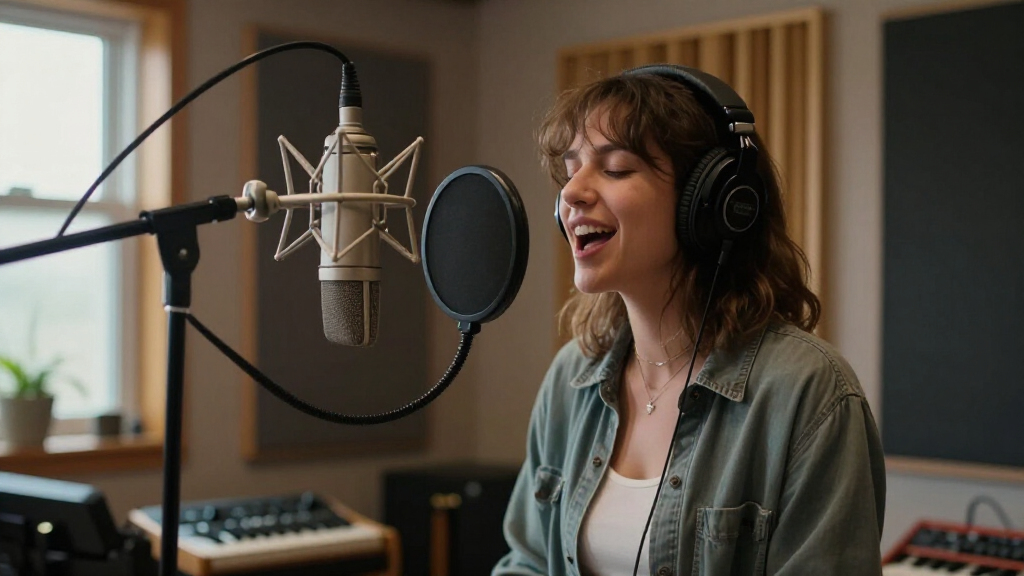
How We Picked
Each microphone was evaluated based on performance, sound quality, build durability, and usability in a studio setting. Priority was given to models that offer a balanced frequency response and low self-noise, ensuring clear recordings. We also considered versatility, such as compatibility with different recording interfaces, and included both XLR and USB options to cater to various user needs. The ranking reflects a combination of audio quality, value for money, and practical features that make the microphone suitable for both professional and home studio environments.Factors to Consider When Choosing Studio Condenser Microphones
Selecting the right studio condenser microphone involves more than just brand names. It’s important to understand how factors like polar pattern, frequency response, and connectivity impact your recording quality. A well-chosen microphone can dramatically improve your sound, but overpaying for unnecessary features can inflate your costs. This guide highlights key considerations to help you find a microphone that matches your recording goals and budget.Sound Quality and Frequency Response
For capturing vocals or detailed instrument recordings, look for a microphone with a broad and flat frequency response. This ensures the microphone reproduces the natural tone of your voice or instrument without coloration. Pay attention to the self-noise level as well; lower self-noise means cleaner recordings, especially in quiet studio environments. Remember, a microphone with excellent specs can still sound dull if it isn’t paired with proper placement and room acoustics.
Polar Pattern and Versatility
The polar pattern determines how well a microphone isolates sound from different directions. Cardioid microphones are most common for vocals, as they reject background noise behind the mic. Omnidirectional models pick up sound equally from all directions, which can be useful in specific recording situations but may introduce unwanted ambient noise. Consider your recording environment and choose a pattern that minimizes room noise and feedback, especially if you’ll be recording in less controlled spaces.
Connectivity and Compatibility
Deciding between XLR and USB connections is key. XLR microphones typically require an audio interface but offer better sound quality and upgradeability. USB microphones, on the other hand, are more convenient for plug-and-play setups, making them suitable for beginners or mobile recording. Think about your existing gear and future expansion plans—investing in an XLR model might be more cost-effective long-term if you plan to upgrade your studio equipment.
Build Quality and Accessories
Durability matters if you’ll be moving your microphone frequently or setting up in different locations. Many models include shock mounts, pop filters, or carrying cases, which add value by protecting the microphone and improving sound quality. Cheaper models often lack these accessories or require additional purchases, which can increase your overall costs. Consider these extras as part of the total investment for a reliable studio setup.
Price and Long-Term Value
While higher-priced microphones generally deliver superior sound and build quality, they aren’t always necessary for casual or beginner use. Balance your budget against your recording needs—if you’re just starting out, a mid-range model might suffice. Conversely, if you’re a professional or aiming for studio-grade recordings, investing in a premium microphone can provide the clarity and durability required for serious work. Be wary of extremely cheap options that compromise on noise levels and longevity.
Frequently Asked Questions
Should I choose an XLR or USB condenser microphone?
Choosing between XLR and USB depends on your setup and future plans. XLR microphones generally offer better sound quality and flexibility, but require an audio interface. USB microphones are more straightforward, ideal for quick setups or beginners without additional gear. Consider whether you want a simple plug-and-play device or are willing to invest in a more expandable, professional system. Your choice will impact your sound quality, upgrade options, and overall workflow.
What features are most important for vocal recording?
For vocals, look for a microphone with a smooth, flat frequency response and low self-noise to capture natural sound without harshness or background hiss. A cardioid polar pattern is typically preferred because it isolates the voice from ambient noise. Additionally, a sturdy build and included accessories like a shock mount can help reduce handling noise and improve overall clarity. Remember, proper placement and room acoustics also play crucial roles in achieving professional vocal recordings.
Is a more expensive microphone worth the investment?
Higher-priced microphones usually provide better sound fidelity, lower self-noise, and increased durability. If you’re a professional or serious hobbyist, investing in a premium model can significantly improve your recording quality and workflow. However, for beginners or casual users, mid-range microphones often offer excellent value and sufficient performance. Consider your specific needs and how much you prioritize sound quality versus budget when making this choice.
How important is the included accessories like shock mounts or pop filters?
Accessories such as shock mounts and pop filters enhance your recording experience by reducing unwanted noise and protecting your microphone. Shock mounts isolate the mic from vibrations, while pop filters minimize plosive sounds that can cause distortion. While many budget models omit these extras, including them can save money and improve sound quality. For long-term reliability and professional results, investing in these accessories is often worthwhile.
Can I use a condenser microphone for live performances?
Condenser microphones are generally designed for studio use and are more sensitive to sound, making them less suitable for live performances where background noise and feedback are concerns. Dynamic microphones are typically preferred for live settings because they handle high sound pressure levels better and are more resistant to feedback. If you plan to record in a controlled environment, however, a condenser microphone can deliver superior sound quality for vocals and instruments.
Halloween Picks
halloween
As an affiliate, we earn on qualifying purchases.