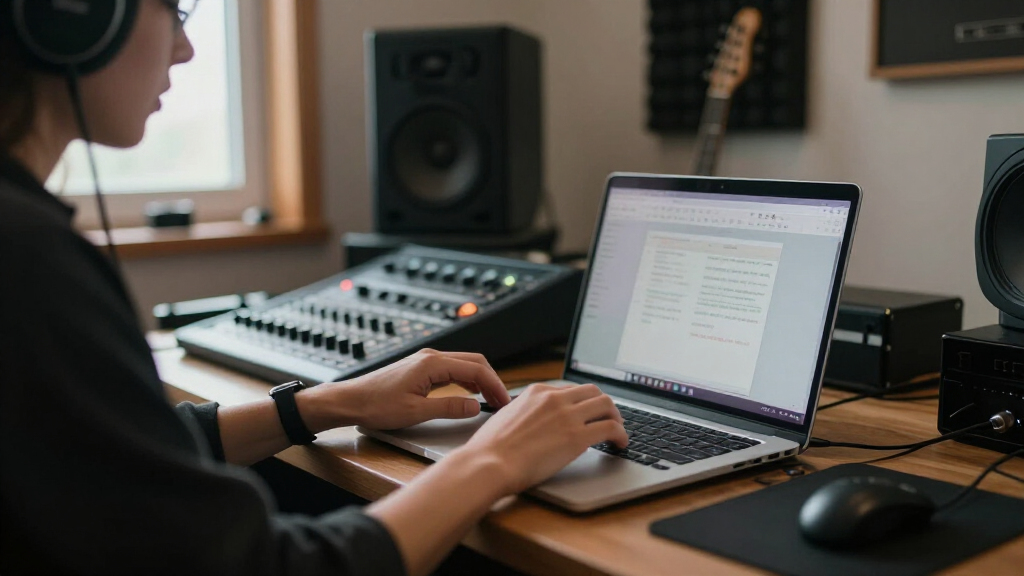

The best wireless studio headphones have to solve a problem regular Bluetooth headphones can’t: latency. When you’re mixing or DJing, even a small audio delay between what you see and what you hear throws off your timing and ruins your ability to make accurate decisions. OneOdio Studio Max 2 earns my best overall pick thanks to its 9ms latency and LDAC support, which gets close to wired performance without the cable. AIAIAI TMA-2 Studio Wireless stands out for producers who want a modular, mixing-focused design, while the Audio-Technica ATH-M50XBT2 remains the safest all-around choice if you also want a familiar studio sound and a detachable cable for wired sessions. The main tradeoff in this category is between low-latency 2.4GHz wireless (great for tracking and DJing) and standard Bluetooth codecs (great for convenience but riskier for critical work). Read on for the full breakdown of all 14 models and which one fits your workflow.

Get audio and creator gear delivered free with Prime
- Fast, free delivery on millions of items
- Prime Video, Amazon Music and more included
- Member-only deals all year
Complete the kit


Key Takeaways
- Latency specs were the biggest differentiator in this roundup: the OneOdio Studio Max 2 (9ms) and Studio Max 1 (20ms) use low-latency 2.4GHz wireless, while standard Bluetooth models like the Beats Studio Pro can’t match that timing precision for tracking or beatmatching.
- Every serious studio option here includes a wired fallback — the ATH-M50XBT2, AIAIAI TMA-2 Studio Wireless, and all OneOdio models double as wired monitors, which is why purely wireless models ranked lower for studio use.
- Three wired-only models (ATH-M20x, ATH-M50X, OneOdio A70 wired mode) appeared in this comparison, and they only make sense if you never move between setups — their wireless siblings cost little more and add flexibility.
- The OneOdio lineup dominated the value tier, but the A70 and Pro C trade latency performance for battery life (110 hours on the Pro C), making them better for long sessions than live DJ work.
- The two Beats Studio Pro listings are essentially the same headphone in different colors — strong noise cancelling and consumer comfort, but a hyped low end that makes them a questionable choice for mixing decisions.
| PUPGSIS 2.4GHz Wireless DJ Headphones with Low Latency and Multiple Connectivity Modes |  | Best for Low-Latency Flexibility | Connectivity: 2.4GHz, Bluetooth 5.3, AUX | Battery life: Up to 30 hours in 2.4GHz mode; up to 60 hours in Bluetooth mode | Driver size: 50mm | VIEW LATEST PRICE | See Our Full Breakdown |
| Audio-Technica ATH-M20x Professional Studio Monitor Headphones, Black |  | Best for Wired Studio Tracking | Driver size: 40mm | Design: Circumaural | Cable exit: Single side | VIEW LATEST PRICE | See Our Full Breakdown |
| Audio-Technica ATH-M20xBT Wireless Over-Ear Headphones, Black |  | Best for Wireless Studio Basics | Driver size: 40mm | Design: Over-ear | Connectivity: Wireless | VIEW LATEST PRICE | See Our Full Breakdown |
| OneOdio Studio Max 1 Wireless DJ & Wired Studio Headphones, 20ms Latency |  | Best for Long Sessions and Codec Options | Connectivity: Bluetooth 5.3, 3.5mm and 6.35mm wired | Latency: 20ms | Battery life: Up to 120 hours Bluetooth; up to 50 hours dongle | VIEW LATEST PRICE | See Our Full Breakdown |
| Wireless Over Ear Headphones with 3.5mm Jack for DJ, Mixing, Recording |  | Best for Wired Backup and Battery Endurance | Driver size: 50mm | Frequency response: 20Hz–20kHz | Wireless connectivity: Bluetooth 5.4 | VIEW LATEST PRICE | See Our Full Breakdown |
| AIAIAI TMA-2 Studio Wireless Black Over-Ear Headphones |  | Best Modular Wireless Studio Pick | Connectivity: W+ Link, Bluetooth, detachable cable | Playback Time: 20+ hours | Ear Cushions: High-grade memory foam with PU leather | VIEW LATEST PRICE | See Our Full Breakdown |
| OneOdio Studio Max 2 Wireless DJ Headphones, 9ms Latency, Studio LDAC |  | Best for Latency-Sensitive Monitoring | Latency: 9ms | Codec: LDAC | Driver Size: 45mm | VIEW LATEST PRICE | See Our Full Breakdown |
| Audio-Technica ATH-M50XBT2 Wireless Headphones, Black |  | Best Overall Sound Pedigree | Battery Life: Up to 50 hours | Rapid Charge: 3 hours of use from a 10-minute charge | Drivers: 45mm proprietary | VIEW LATEST PRICE | See Our Full Breakdown |
| Beats Studio Pro Wireless Over-Ear Headphones | 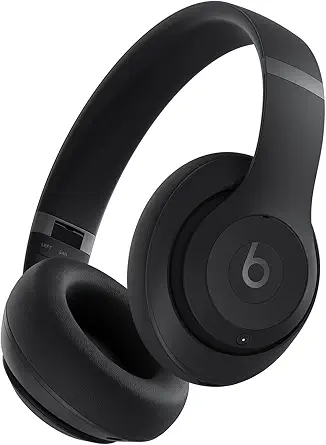 | Best Premium All-Rounder | Battery Life: Up to 40 hours | Active Noise Cancelling: Yes, with transparency mode | Connectivity: Bluetooth, USB-C, 3.5mm audio | VIEW LATEST PRICE | See Our Full Breakdown |
| OneOdio A70 Bluetooth Over-Ear Headphones, Hi-Res Wired DJ Studio – Black | 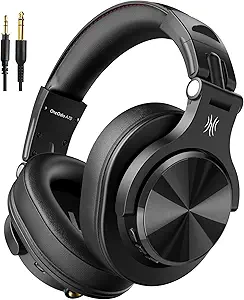 | Best Budget Workhorse | Battery Life: 72 hours | Connectivity: Bluetooth and wired (3.5mm and 6.35mm) | Drivers: 40mm neodymium | VIEW LATEST PRICE | See Our Full Breakdown |
| OneOdio Pro C Wired & Wireless Over-Ear Headphones, 110H, 50mm Drivers |  | Best Battery Life | Battery Life: 110 hours | Driver Size: 50mm | Connectivity: Wireless and wired (3.5mm jack) | VIEW LATEST PRICE | See Our Full Breakdown |
| Audio-Technica ATH-M50X Professional Studio Monitor Headphones, Black | 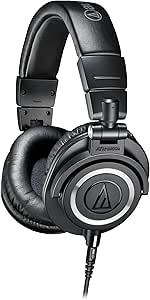 | Best Studio Reference (Wired) | Driver Size: 45mm large aperture | Magnet Type: Rare earth | Voice Coils: Copper clad aluminum wire | VIEW LATEST PRICE | See Our Full Breakdown |
| Beats Studio Pro Wireless Over-Ear Headphones – Up to 40-Hour Battery, Active Noise Cancelling, Sand Gray | 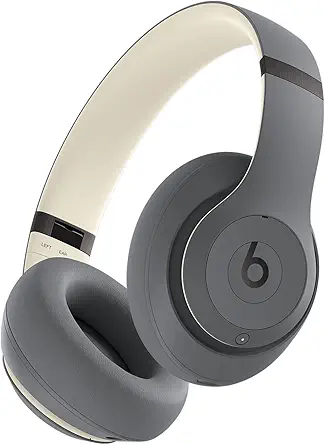 | Best for Travel and Commuting | Battery Life: Up to 40 hours | Active Noise Cancelling: Yes | Connectivity: Bluetooth, USB-C, 3.5 mm audio cable | VIEW LATEST PRICE | See Our Full Breakdown |
| OneOdio A70 Bluetooth Over-Ear Headphones, Hi-Res Wired DJ Studio – Silver |  | Best for Shared Listening Sessions | Driver Size: 40mm neodymium | Connectivity: Bluetooth and wired | Playtime: 72 hours wireless | VIEW LATEST PRICE | See Our Full Breakdown |
| wireless studio headphone | Connectivity | Battery life | Driver size |
|---|---|---|---|
| PUPGSIS 2.4GHz Wireless DJ Hea | 2.4GHz, Bluetooth 5.3, AUX | Up to 30 hours in 2.4GHz mode; up to 60 hours in Bluetooth mode | 50mm |
| Audio-Technica ATH-M20x Profes | — | — | 40mm |
| Audio-Technica ATH-M20xBT Wire | Wireless | — | 40mm |
| OneOdio Studio Max 1 Wireless | Bluetooth 5.3, 3.5mm and 6.35mm wired | Up to 120 hours Bluetooth; up to 50 hours dongle | 50mm |
| Wireless Over Ear Headphones w | — | Up to 100 hours | 50mm |
| AIAIAI TMA-2 Studio Wireless B | W+ Link, Bluetooth, detachable cable | — | — |
| OneOdio Studio Max 2 Wireless | — | 120 hours | 45mm |
| Audio-Technica ATH-M50XBT2 Wir | Bluetooth with multipoint pairing | Up to 50 hours | — |
| Beats Studio Pro Wireless Over | Bluetooth, USB-C, 3.5mm audio | Up to 40 hours | — |
| OneOdio A70 Bluetooth Over-Ear | Bluetooth and wired (3.5mm and 6.35mm) | 72 hours | — |
| OneOdio Pro C Wired & Wireless | Wireless and wired (3.5mm jack) | 110 hours | 50mm |
| Audio-Technica ATH-M50X Profes | — | — | 45mm large aperture |
| Beats Studio Pro Wireless Over | Bluetooth, USB-C, 3.5 mm audio cable | Up to 40 hours | — |
| OneOdio A70 Bluetooth Over-Ear | Bluetooth and wired | — | 40mm neodymium |
More Details on Our Top Picks
PUPGSIS 2.4GHz Wireless DJ Headphones with Low Latency and Multiple Connectivity Modes
The PUPGSIS stands out for buyers who want wireless monitoring with a 20ms latency claim and the option to switch among 2.4GHz, Bluetooth, and AUX. That makes it more adaptable across a DJ setup, compatible gaming gear, and everyday listening than the wired Audio-Technica ATH-M20x. Its 50mm drivers and stated 20Hz–40kHz response cover a broad range, while the battery is rated for up to 30 hours in 2.4GHz mode or 60 hours over Bluetooth. Those figures make long sessions less dependent on charging, though battery life varies by connection mode. The tradeoff is a bulkier over-ear design, and the product data does not specify which devices support its 2.4GHz connection. Choose it for connection flexibility; skip it if you need a simple, established wired monitoring setup.
Pros:- Offers 2.4GHz, Bluetooth 5.3, and AUX connections
- 20ms stated latency supports responsive monitoring on compatible equipment
- Battery rated for up to 30 hours on 2.4GHz or 60 hours on Bluetooth
- Foldable design with 180° rotating ear cups
Cons:- Bulky over-ear fit may be uncomfortable for some users
- 2.4GHz performance depends on compatible equipment
- Battery life is shorter in 2.4GHz mode than in Bluetooth mode
Best for: DJs and home creators who need low-latency wireless monitoring, AUX backup, and long sessions across compatible devices.
Not ideal for: Studio users who need a straightforward wired-only setup or cannot confirm compatibility with the 2.4GHz connection.
- Connectivity:2.4GHz, Bluetooth 5.3, AUX
- Battery life:Up to 30 hours in 2.4GHz mode; up to 60 hours in Bluetooth mode
- Driver size:50mm
- Frequency response:20Hz–40kHz
- THD:<0.5%
- Ear cushion material:Protein leather
- Foldable:Yes
- Ear cup rotation:180°
Our verdict“Pick the PUPGSIS if flexible wireless connections matter more than a compact fit or the simplicity of the wired ATH-M20x.”
Audio-Technica ATH-M20x Professional Studio Monitor Headphones, Black
The ATH-M20x is the clear choice in this group for buyers who want wired studio monitoring and do not need wireless playback. Its circumaural design is described as providing sound isolation, which can help keep distractions down while tracking in a noisy room. Unlike the ATH-M20xBT, it avoids a wireless connection and battery as part of the setup, but it also gives up the freedom to move around without a cable. The 40mm drivers and single-side cable exit are the available concrete details; the listing does not specify a detachable cable or battery. That makes this a more focused studio tool than the multi-mode PUPGSIS, though it offers fewer ways to connect. Choose it for a basic wired tracking station, and skip it if wireless studio monitoring is a requirement.
Pros:- Circumaural ear cups are designed to provide sound isolation
- 40mm drivers are specified for studio tracking and mixing
- Single-side cable exit keeps the connection routed from one ear cup
- No wireless battery or charging requirement is listed
Cons:- Wired-only design limits movement around a studio
- The listing provides few connection and cable details
- Heavier feel may be an issue during long sessions
Best for: Home recording musicians who monitor vocals or instruments at a fixed studio position and prefer a wired connection.
Not ideal for: DJs or creators who need wireless listening, portable freedom, or a stated low-latency wireless mode.
- Driver size:40mm
- Design:Circumaural
- Cable exit:Single side
- Use:Studio tracking and mixing
- Sound isolation:Circumaural design described as providing sound isolation
- Color:Black
Our verdict“Choose the ATH-M20x for fixed-position wired tracking, but choose the ATH-M20xBT or PUPGSIS if wireless listening is part of your workflow.”
Audio-Technica ATH-M20xBT Wireless Over-Ear Headphones, Black
The ATH-M20xBT is the straightforward wireless pick for someone who wants the familiar over-ear studio-monitor format without the PUPGSIS model’s 2.4GHz mode or the OneOdio Studio Max 1’s larger feature set. Its 40mm drivers, circumaural fit, and collapsible design suit portable listening and casual studio work where a wireless connection is convenient. The supplied information describes detailed midrange clarity, but does not give battery life, codecs, or a wired fallback, so buyers cannot plan around those details from this listing. It also has no stated active noise cancellation; the ear-cup design provides passive coverage rather than a specified electronic noise-control feature. Compared with the wired ATH-M20x, this model prioritizes freedom of movement, while giving up the certainty of a wired-only connection.
Pros:- Wireless connectivity makes listening less tethered than the ATH-M20x
- 40mm drivers and stated midrange clarity suit detail-focused listening
- Circumaural design provides an over-ear fit
- Collapsible construction helps with storage and transport
Cons:- Battery life is not specified in the provided product data
- Active noise cancellation is not listed
- Bass response may feel limited for listeners who prioritize low frequencies
Best for: Students and home creators who want collapsible wireless over-ear headphones for listening and light studio tasks.
Not ideal for: Buyers who require published battery-life figures, active noise cancellation, or a specified wired backup for critical sessions.
- Driver size:40mm
- Design:Over-ear
- Connectivity:Wireless
- Color:Black
- Cable exit:Single side
- Portability:Collapsible
Our verdict“Pick the ATH-M20xBT for portable wireless basics, but look to the PUPGSIS if you need stated low latency and multiple connection modes.”
OneOdio Studio Max 1 Wireless DJ & Wired Studio Headphones, 20ms Latency
The OneOdio Studio Max 1 packs the broadest stated feature set in this batch: Bluetooth 5.3, wired connections, LDAC and LC3 decoding, plus a 20ms latency claim. Its battery rating of up to 120 hours over Bluetooth or 50 hours with the dongle gives it more stated endurance than the PUPGSIS, whose maximum depends on using Bluetooth. A five-minute quick charge is also useful when a session starts before the headphones are ready. The included travel case and 1/4-inch adapter make the wired studio connection easier to manage. This versatility has a cost in complexity, and the listing notes that the headphones are heavy. Choose them if multiple modes and long battery life matter; the ATH-M20x is a simpler fit for fixed wired tracking.
Pros:- Battery rated for up to 120 hours on Bluetooth or 50 hours with the dongle
- Bluetooth 5.3 and wired 3.5mm/6.35mm connections
- LDAC and LC3 decoding are listed alongside Hi-Res Audio
- Includes travel case and 1/4-inch to 1/8-inch adapter
Cons:- Heavy design may cause fatigue during extended wear
- Multiple connection and codec features may complicate casual use
- 20ms latency is a stated figure, but the provided data does not detail performance across devices
Best for: DJs and producers who want long battery life, wireless and wired options, and support for the listed high-resolution codecs.
Not ideal for: Casual listeners who prefer light headphones and a simple setup over multiple connection and codec options.
- Connectivity:Bluetooth 5.3, 3.5mm and 6.35mm wired
- Latency:20ms
- Battery life:Up to 120 hours Bluetooth; up to 50 hours dongle
- Quick charge:5 minutes for 5 hours of use
- Driver size:50mm
- Audio support:Hi-Res Audio, LDAC, LC3
- Foldable:Yes
- Microphone:Dual-Mic ENC
- Included accessories:Travel case, 1/4-inch to 1/8-inch adapter
Our verdict“Choose the Studio Max 1 for long sessions and connection flexibility, while the ATH-M20x is a simpler option for wired tracking.”
Wireless Over Ear Headphones with 3.5mm Jack for DJ, Mixing, Recording
This model pairs Bluetooth 5.4 and a long coiled cable, making it a practical option for DJs who want wireless listening but still need a wired path to studio gear. Its battery is rated for up to 100 hours, while the 9.8-foot cable and 6.35mm and 3.5mm jacks give it more specified wired flexibility than the ATH-M20xBT. Compared with the OneOdio Studio Max 1, it has fewer listed wireless audio features and a shorter stated maximum battery life, but its 260g weight is specified and it includes 90° swiveling ear cups for monitoring. A limitation is that wired and wireless modes do not support device switching, so changing sources may interrupt a workflow. Choose it for long battery life and cable options, not seamless multi-device use.
Pros:- Battery rated for up to 100 hours
- Bluetooth 5.4 with wired 3.5mm and 6.35mm compatibility
- Includes a 9.8-foot coiled cable for studio setups
- 90° swiveling ear cups support one-ear monitoring
Cons:- Device switching between wired and wireless modes is not supported
- At 260g, the listed weight may feel heavy over long sessions
- The 20Hz–20kHz response range is narrower than the PUPGSIS’s stated range
Best for: DJs and home recordists who want long wireless playback plus a long coiled cable for connecting to mixers or interfaces.
Not ideal for: People who frequently switch between wired and wireless devices or want a lightweight pair for extended wear.
- Driver size:50mm
- Frequency response:20Hz–20kHz
- Wireless connectivity:Bluetooth 5.4
- Battery life:Up to 100 hours
- Wired compatibility:6.35mm and 3.5mm jacks
- Cable length:9.8 ft coiled
- Weight:260g
- Ear cup rotation:90° swivel
Our verdict“Choose this model for long battery life and a useful coiled cable, but skip it if frequent source switching or a lighter fit is a priority.”
AIAIAI TMA-2 Studio Wireless Black Over-Ear Headphones
The AIAIAI TMA-2 Studio Wireless stands out for its low-latency W+ Link connection, which puts it closer to a cable-free studio workflow than anything else in this lineup. Compared with the OneOdio Studio Max 2, which also chases low latency, the AIAIAI adds app-based EQ shaping and a genuinely modular design philosophy, letting the sound adapt to different monitoring tasks. The tradeoff is that sound customization lives entirely in the app, so buyers who prefer plug-and-play simplicity may find it fiddly. The premium price also buys studio credibility that casual listeners won’t fully exploit. For producers who want wireless freedom without timing drift and don’t mind software tweaks, this pick makes the most sense.
Pros:- W+ Link ultra-low latency wireless for real-time monitoring
- Customizable EQ via the AIAIAI app
- 20+ hour battery with comfortable memory foam cushions
- Triple connectivity: W+ Link, Bluetooth, and detachable cable
Cons:- Sound customization requires the app, adding setup complexity
- Premium price is hard to justify for non-studio use
Best for: Producers and beatmakers who want cable-free tracking and mixing with app-tunable sound
Not ideal for: Casual listeners on a budget — the price and app dependency are wasted on everyday streaming
- Connectivity:W+ Link, Bluetooth, detachable cable
- Playback Time:20+ hours
- Ear Cushions:High-grade memory foam with PU leather
- Sound Customization:EQ via AIAIAI app
- Design:Over-ear, modular
- Intended Use:Studio and everyday listening
Our verdict“A studio-first wireless headphone for creators who need dependable low latency and are willing to tune it themselves.”
OneOdio Studio Max 2 Wireless DJ Headphones, 9ms Latency, Studio LDAC
Latency is the killer of wireless studio work, and the Studio Max 2 attacks it directly with a 9ms wireless delay — dramatically tighter than the OneOdio Studio Max 1’s 20ms figure, and comfortably ahead of the AIAIAI’s latency claims for anyone editing video or DJing live. Add LDAC high-resolution streaming and a 120-hour battery, and this model becomes the endurance-and-timing champion of the roundup. The tradeoffs are physical and financial: the 45mm-driver construction feels built for a booth rather than a commute, and the professional feature set pushes the cost above sibling models like the OneOdio A70. This option is better suited to desks and DJ rigs than backpacks.
Pros:- Ultra-low 9ms latency suitable for live monitoring
- LDAC support for high-resolution audio
- Massive 120-hour battery life
- Flexible connection modes including 3.5mm and 6.35mm wired
Cons:- Bulky design impractical for portable everyday use
- Pro-grade features inflate the price over simpler models
Best for: Video editors, DJs, and gamers who need near-zero wireless delay for accurate monitoring
Not ideal for: Commuters and casual listeners — the size and pro-focused features add bulk and cost with no everyday benefit
- Latency:9ms
- Codec:LDAC
- Driver Size:45mm
- Battery Life:120 hours
- Rapid Charge:5 minutes for 9 hours playback
- Connection Modes:Wireless, Bluetooth 6.0, wired (3.5mm, 6.35mm)
- Intended Use:Professional monitoring, video editing, gaming, DJing
Our verdict“The pick for anyone whose work depends on wireless timing accuracy rather than lifestyle convenience.”
Audio-Technica ATH-M50XBT2 Wireless Headphones, Black
The ATH-M50XBT2 carries the reputation of the wired M50X — a studio staple — into Bluetooth territory, and the translation largely holds. Its 45mm proprietary drivers deliver the deep, accurate bass that made the original famous, which puts it ahead of the OneOdio A70 on refinement even if the A70 wins on raw battery hours. With up to 50 hours of playback and a 10-minute charge yielding 3 hours of use, it handles marathon sessions without anxiety. Multipoint pairing is a genuine quality-of-life upgrade over single-device models like the Studio Max 2. The notable gap: unlike most rivals here, there’s no stated wired fallback, so a dead battery means silence — a real consideration for studio buyers who want a safety net.
Pros:- Studio-grade sound with deep, accurate bass from 45mm drivers
- Up to 50 hours of battery life
- Rapid charging: 10 minutes gives 3 hours of use
- Multipoint Bluetooth pairing for two devices at once
Cons:- No wired connection option listed as a fallback
- Somewhat bulky for frequent portable use
Best for: Audio enthusiasts and home studio users who want trusted M50X sound without a cable
Not ideal for: Buyers who need a wired backup mode for zero-latency work — this model leans entirely on Bluetooth
- Battery Life:Up to 50 hours
- Rapid Charge:3 hours of use from a 10-minute charge
- Drivers:45mm proprietary
- Connectivity:Bluetooth with multipoint pairing
- Design:Over-ear, black
- Sound Signature:Deep, accurate bass with studio tuning
Our verdict“The safest all-around choice for listeners who prioritize proven sound quality over feature count.”
Beats Studio Pro Wireless Over-Ear Headphones
The Beats Studio Pro takes a different path from everything else here: instead of studio-first monitoring, it aims at the creator who splits time between production, travel, and calls. Its active noise cancelling is something no other pick in this batch offers, and lossless audio plus personalized spatial audio give it a polish the OneOdio models can’t match. With 40 hours of battery and USB-C plus 3.5mm wired options, it’s more flexible than the ATH-M50XBT2 on paper. The catch: spatial audio features depend on device compatibility, and the consumer-tuned tuning is less neutral than the Audio-Technica, making it weaker as a sole mixing reference. This model is better suited to hybrid use than dedicated studio duty.
Pros:- Effective active noise cancelling and transparency modes
- Lossless audio support with personalized spatial audio
- 40-hour battery with fast charging
- Wired USB-C and 3.5mm options alongside Bluetooth
Cons:- Spatial audio and full features depend on device compatibility
- Tuning leans consumer-friendly rather than studio-neutral
Best for: Creators and travelers who want premium ANC, spatial audio, and one headphone for everything
Not ideal for: Mixing engineers needing a neutral reference — the consumer tuning colors judgment
- Battery Life:Up to 40 hours
- Active Noise Cancelling:Yes, with transparency mode
- Connectivity:Bluetooth, USB-C, 3.5mm audio
- Audio Features:Lossless audio, personalized spatial audio
- Compatibility:Apple and Android
- Included Accessories:Carrying case, audio cable, USB-C charging cable, quick start guide, warranty card
Our verdict“A premium lifestyle-first headphone that flatters music rather than dissects it — great everywhere, ideal only sometimes.”
OneOdio A70 Bluetooth Over-Ear Headphones, Hi-Res Wired DJ Studio – Black
For buyers who want maximum endurance per dollar, the OneOdio A70 undercuts its siblings while covering the basics well. Its 72-hour battery trails only the Studio Max 2’s 120 hours, and the dual wired options (3.5mm and 6.35mm) make it more studio-flexible than the Bluetooth-only ATH-M50XBT2. The 40mm neodymium drivers deliver punchy hi-res sound with bass emphasis — enjoyable, but less analytical than the Audio-Technica, so treat it as a tracking and jamming tool rather than a final-mix reference. The foldable, rotatable build with memory-cotton cushions earns its keep during long sessions, though the multi-cable wired mode gets cumbersome. Audio sharing is a nice bonus for co-listening or teaching.
Pros:- Up to 72 hours of wireless playback
- Both 3.5mm and 6.35mm wired modes with jack lock
- Foldable, rotatable ergonomic design for long sessions
- Audio sharing and built-in HD microphone
Cons:- Wired mode requires juggling multiple cables
- Bulky frame is awkward for daily portable use
Best for: Budget-conscious home studio owners and students who need long battery life and wired flexibility
Not ideal for: Detail-obsessed mixers — the bass-forward tuning and 40mm drivers lack the neutrality of pricier references
- Battery Life:72 hours
- Connectivity:Bluetooth and wired (3.5mm and 6.35mm)
- Drivers:40mm neodymium
- Design:Over-ear, foldable, rotatable earcups
- Materials:Memory cotton, skin-friendly protein leather
- Additional Features:Audio sharing, jack lock system, HD microphone
Our verdict“A dependable, long-running utility headphone that gets studio essentials done without the premium invoice.”
OneOdio Pro C Wired & Wireless Over-Ear Headphones, 110H, 50mm Drivers
For buyers who treat battery endurance as the deciding factor, this option stands out with a claimed 110 hours of playtime — nearly double the OneOdio A70’s 72 hours and almost triple the Beats Studio Pro’s 40. That kind of runtime means charging becomes a weekly event rather than a daily habit, which matters for producers who move between rooms and studios. The 50mm drivers are the largest in this lineup, delivering punchy bass that suits DJ monitoring and casual tracking, even if the tuning leans more energetic than the flatter Audio-Technica ATH-M50X. Dual wired and wireless operation keeps it usable when the battery eventually drains.
The tradeoff is precision: compared with the ATH-M50X, the Pro C favors excitement over analytical accuracy, so mixing engineers chasing a neutral reference may find it colors the sound.
Pros:- Exceptional 110-hour battery life leads the entire roundup
- Large 50mm drivers produce punchy bass and clear vocals
- Dual wired and wireless modes for flexible use
- Foldable, ergonomic design travels well
Cons:- Tuning is bass-forward rather than studio-neutral
- Fit can feel too tight or too loose depending on head size
- Wireless battery life drops under heavy volume use
Best for: DJs and producers who want maximum wireless runtime between charges without giving up a wired backup
Not ideal for: Mixing engineers who need a flat, neutral reference — the bass-forward tuning colors critical decisions
- Battery Life:110 hours
- Driver Size:50mm
- Connectivity:Wireless and wired (3.5mm jack)
- Design:Over-ear, foldable, ergonomic
- Microphone:Built-in HD with noise reduction
- Mode:Dual mode (wireless/wired)
Our verdict“This pick makes the most sense for anyone who prioritizes marathon battery life and wired fallback over studio-grade neutrality.”
Audio-Technica ATH-M50X Professional Studio Monitor Headphones, Black
This is the closest thing to a studio industry standard in the batch, and it earns that reputation through accuracy rather than flash. Where the OneOdio Pro C amplifies bass for impact, the ATH-M50X aims for a balanced, honest signature built on 45mm large-aperture drivers — which is exactly what mixing and tracking demand. The detachable cable is a longevity feature disguised as convenience: when a cable frays, you replace it instead of the headphones. Swiveling earcups enable one-ear monitoring, a workflow detail the Beats Studio Pro simply doesn’t support.
The honest caveat for this roundup’s theme: this is a wired-only model. Compared with the wireless ATH-M50XBT2 sibling or the Studio Max 2, you lose Bluetooth freedom entirely, so buyers must decide whether reference accuracy or wireless convenience matters more.
Pros:- Widely trusted flat, accurate monitoring signature
- Detachable cable extends product lifespan
- Swiveling earcups for one-ear DJ monitoring
- Strong passive sound isolation for loud environments
Cons:- No wireless connectivity despite the roundup’s theme
- Heavier and less portable than consumer wireless options
- Isolation depends heavily on achieving a proper seal
Best for: Producers and engineers who want an accurate wired reference for mixing, tracking, and critical listening
Not ideal for: Buyers who specifically need wireless freedom — this model has no Bluetooth at all
- Driver Size:45mm large aperture
- Magnet Type:Rare earth
- Voice Coils:Copper clad aluminum wire
- Ear Cup Design:Circumaural, swiveling
- Cable:Detachable
- Color:Black
- Warranty:2 years
Our verdict“This model is better suited to buyers who judge headphones by mixing accuracy first and can live without Bluetooth.”
Beats Studio Pro Wireless Over-Ear Headphones – Up to 40-Hour Battery, Active Noise Cancelling, Sand Gray
Among studio-adjacent wireless options, this one plays a different role: it’s the pick for life outside the studio. The active noise cancelling and transparency modes are features no other product in this batch offers — the OneOdio A70 and Pro C rely on passive isolation only — making this the clear choice for flights, trains, and open offices. Seamless device switching across Apple and Android ecosystems adds everyday convenience, and the 40-hour battery holds its own against dedicated studio models. Connectivity is unusually flexible too, with Bluetooth, USB-C, and 3.5mm options.
But the framing matters: compared with the ATH-M50X, this model prioritizes an enjoyable consumer sound over analytical accuracy, and its lightweight build feels less rugged than hard-working DJ gear.
Pros:- Active noise cancelling plus transparency mode, unique in this lineup
- 40-hour battery with fast charging
- Bluetooth, USB-C, and 3.5mm connectivity options
- Comfortable over-ear fit for long travel days
Cons:- Sound signature is consumer-tuned, not a studio reference
- Lightweight construction feels less durable than pro gear
- Wired mode lacks the monitoring workflow of dedicated studio cans
Best for: Travelers and commuters who want ANC and everyday comfort while still dabbling in music production
Not ideal for: Engineers doing critical mixing — the consumer-tuned sound and lightweight build favor listening over analysis
- Battery Life:Up to 40 hours
- Active Noise Cancelling:Yes
- Connectivity:Bluetooth, USB-C, 3.5 mm audio cable
- Compatibility:Apple & Android
- Color:Sand Gray
- Weight:2.24 ounces
- Dimensions:8.81 x 6.33 x 3.97 inches
Our verdict“Compared with pure studio picks, this option makes the most sense for buyers whose headphones spend more time in transit than in a control room.”
OneOdio A70 Bluetooth Over-Ear Headphones, Hi-Res Wired DJ Studio – Silver
This model’s standout trick is audio sharing — a feature no other headphone in this roundup offers, letting multiple listeners plug in at once. That makes it unusually practical for collaborative sessions where a producer and artist need to hear the same playback simultaneously. The 72-hour battery sits between the Pro C’s 110 and the Beats Studio Pro’s 40, and the wired fallback with a jack lock system keeps connections stable during active DJ use. Its 40mm neodymium drivers deliver energetic hi-res sound with a bass bias similar to its OneOdio siblings.
The compromises are physical: it’s bulkier and heavier than the foldable Pro C, which hurts portability, and long sessions can tax the neck compared with lighter options like the Beats Studio Pro.
Pros:- Unique audio sharing feature for multiple simultaneous listeners
- 72-hour wireless battery with wired fallback
- Jack lock system keeps cables secure during DJ use
- Hi-res sound with powerful bass from 40mm neodymium drivers
Cons:- Bulky build is less portable than foldable rivals
- Wired mode depends on carrying extra cables
- Can feel heavy during extended sessions
Best for: Producers and DJs who collaborate — audio sharing lets two people monitor the same source at once
Not ideal for: Frequent travelers or commuters — the bulky frame is the least portable wireless option in this lineup
- Driver Size:40mm neodymium
- Connectivity:Bluetooth and wired
- Playtime:72 hours wireless
- Audio Sharing:Yes
- Jack Lock System:Yes
- Color:Silver
Our verdict“This pick makes the most sense for collaborative creators who value shared monitoring and marathon battery over portability.”
How We Picked
I ranked these headphones on five criteria, weighted for studio work rather than casual listening. Latency came first: anything using a 2.4GHz connection or claiming sub-30ms latency scored well, because timing accuracy determines whether a headphone is usable for tracking, beatmatching, or video work. Sound neutrality was second — studio headphones need to reveal flaws, not flatter a mix, which is why hyped consumer tunings ranked below flatter monitor-style signatures. Wired fallback mattered heavily: a detachable cable or analog mode turns a wireless headphone into a backup studio monitor, effectively doubling its usefulness.
Beyond that, I weighed battery life against comfort for long sessions, build repairability, and whether the connectivity options (2.4GHz dongle, Bluetooth multipoint, 3.5mm) actually fit studio workflows. Duplicate listings and wired-only models were placed according to how well they serve someone specifically shopping for wireless studio use — which is why a legendary wired monitor like the ATH-M50X sits below its own Bluetooth version. Value was judged relative to what a producer or DJ actually gets, not just feature counts.
Factors to Consider When Choosing Wireless Studio Headphones
Wireless studio headphones sit in an awkward middle ground between consumer Bluetooth and professional wired monitors. Before spending money, it helps to understand where the real tradeoffs live — because the wrong choice can quietly sabotage your mixes.Latency Matters More Than Sound Quality for Some Workflows
Latency is the spec most buyers misunderstand. Standard Bluetooth adds anywhere from 100 to 300ms of delay, which is invisible while streaming music but disastrous when recording vocals, beatmatching, or syncing audio to video. Headphones using a 2.4GHz USB dongle or proprietary low-latency mode cut that to under 30ms, fast enough for most live work. The mistake I see most often is buyers assuming ‘Bluetooth 5.3’ means low latency — it doesn’t; the codec and connection type determine delay, not the version number. If your work involves real-time monitoring, prioritize latency specs above almost everything else and treat standard Bluetooth as a convenience feature only. If you mostly mix pre-recorded tracks, latency becomes irrelevant and you can focus purely on tonal accuracy.
Flat Response vs. Enjoyable Listening — Know Which You’re Buying
Studio headphones are tuned to be honest, sometimes painfully so. A flat or neutral signature exposes harsh sibilance, muddy low mids, and unbalanced mixes — exactly what you need for making decisions, but not what makes your favorite playlist sound exciting. Consumer-leaning models like the Beats Studio Pro boost bass and highs, which feels great in a store and misleads you at the mixing desk: mixes translated on a hyped headphone tend to sound thin on neutral systems. The trap is buying one pair expecting it to do both jobs brilliantly. My advice: if you can only own one headphone and you do any serious mixing, choose the neutral one and accept less fun listening. You can always learn a slightly boring headphone; you can’t un-hear a flattering lie.
Wired Mode Is Your Safety Net
Batteries die, Bluetooth drops, and firmware updates occasionally break things at the worst moment. That’s why a detachable 3.5mm cable with passive wired playback is the single most practical feature in this category — it turns your wireless headphone into a dependable wired monitor when needed. Check whether wired mode works with the battery depleted, because some models lock out analog playback once the power dies. Also look at the cable connector: a standard 3.5mm jack with a screw-on 6.35mm adapter covers both interfaces and controllers, while proprietary connectors tie you to replacements from one manufacturer. This is one area where studio-focused brands consistently outdesign consumer brands, and it’s a legitimate reason to pay more.
Battery Life and Comfort for Long Sessions
Studio sessions routinely run four to eight hours, so battery capacity and physical comfort deserve more scrutiny than casual listening would demand. Clamping force is the hidden factor: a firm fit keeps isolation consistent for critical listening, but too much pressure causes fatigue before the battery runs out. Ear cup depth matters too, especially if your ears touch the drivers — a problem you won’t notice in a store but will feel acutely at hour three. Weight distribution also differs between models with large 50mm drivers and slimmer builds. Models offering 60 to 110 hours of playback are genuinely useful here, not just marketing numbers, because you spend more time making music than charging. Fast charging is a nice backup, but it shouldn’t substitute for real capacity.
Codec Support and Device Ecosystem
Codec support determines both audio quality and latency over Bluetooth. LDAC and aptX transmit more detail than the default SBC codec, and LDAC in particular matters for high-resolution playback on Android — though iOS users get none of it, since Apple devices only support AAC. Meanwhile, 2.4GHz dongles bypass codecs entirely, which is why they’re the preferred route for studio receivers and computers. Think about your actual chain: if you work on a laptop with a USB port, a dongle-based model gives predictable performance everywhere. If you bounce between phone, tablet, and computer, multipoint Bluetooth pairing saves real frustration. Buying headphones with premium codecs you can’t use is wasted money, so match the feature set to the devices you already own.
Repairability and Long-Term Cost
The cheapest headphone over five years is often not the one with the lowest price tag. Professional studio headphones earn their keep through replaceable parts — earpads, headbands, cables, and even drivers on modular designs like the AIAIAI platform. Sealed consumer headphones with glued-in batteries effectively have an expiration date: when the cell degrades after a few hundred charge cycles, the whole product is e-waste unless wired mode saves it. Replacement earpads also change the sound, so check availability before buying, especially for lesser-known brands. If you treat headphones as a long-term studio tool, factor in the cost of two pad replacements and one cable. If you upgrade every couple of years anyway, this matters far less and value brands become more attractive.
Frequently Asked Questions
Can wireless headphones actually be used for serious mixing, or do I need wired?
For final mixing decisions, wired still holds the edge because it removes latency and codec compression from the equation entirely — every Bluetooth codec alters the signal slightly, and even LDAC isn’t bit-perfect. That said, wireless is genuinely usable for mixing if you treat it as a secondary reference: the low-latency options in this roundup, like the OneOdio Studio Max 2 with its 9ms connection and LDAC, get close enough that the timing feels natural for arrangement and rough balance work. The practical approach many producers take is using a wireless-capable model with a wired mode, like the ATH-M50XBT2, so the same headphone serves both roles. What you shouldn’t do is mix exclusively on a bass-boosted consumer wireless headphone and expect translations to hold. If your budget only allows one pair, choose a dual-mode model and mix in wired mode.
Is 20ms latency low enough for DJing and recording?
As a rule of thumb, anything under about 30ms feels immediate enough for DJ cueing, and under 10ms is effectively imperceptible for most people. At 9ms, the OneOdio Studio Max 2 behaves like a wired connection for practical purposes, and even 20ms models like the Studio Max 1 work well for beatmatching because the delay stays below your ear-brain threshold for detecting offset. Recording is more demanding than DJing: vocalists monitoring themselves through 20ms of latency may hear a slight doubling effect against their own voice. For tracking vocals or instruments, either use a wired connection, drop to the lowest latency mode available, or monitor through the interface directly. The mistake to avoid is judging latency by the Bluetooth spec sheet — a dongle-based 2.4GHz connection at 20ms beats standard Bluetooth at any version number.
Why do the same OneOdio and Audio-Technica models keep appearing in different colors — are they different headphones?
In most cases, no — color variants like the two Beats Studio Pro listings or the OneOdio A70 in black and silver share identical drivers, tuning, and features, so you should simply pick whichever costs less at the time you buy. The listings that look similar but aren’t identical are the model tiers: the OneOdio A70, Pro C, Studio Max 1, and Studio Max 2 are different headphones with different latency figures and battery claims, despite the shared brand styling. Similarly, the Audio-Technica ATH-M20x and M50X are wired monitors at different performance levels, and the M20xBT and M50XBT2 are their wireless counterparts with slightly retuned amplification. The pattern to watch for is suffixes: ‘BT’ almost always means Bluetooth was added to an existing wired design, which usually means the sound signature carries over but the battery and electronics add weight. When in doubt, compare latency specs and whether wired playback works with the battery dead — those two details separate the variants more than color ever will.
Are noise cancelling headphones good for studio work?
Active noise cancelling is a commuting feature, not a studio feature, and in some cases it actively hurts accuracy. ANC works by generating anti-noise, which subtly alters the frequency response — that’s acceptable on a plane but questionable when you’re making EQ decisions. The bigger problem is that ANC models are almost always tuned for consumer enjoyment, with elevated bass of the kind you hear on the Beats Studio Pro, which flatters mixes rather than revealing them. Where ANC-adjacent features do help is passive isolation: a well-sealed closed-back studio headphone blocks enough room noise for recording without any electronic processing. The exception worth noting is if you produce in a noisy environment and can’t treat your space — in that case, a noise cancelling model used purely for rough work, with a neutral wired pair for final decisions, is a reasonable two-headphone setup. For a single do-everything headphone, skip ANC and prioritize isolation and neutral tuning.
What’s the minimum battery life I should accept for studio sessions?
For studio work, plan around 30 hours minimum, because session length is unpredictable and recharging mid-project breaks focus. The practical floor is really about your workflow: a four-hour session three times a week means a 30-hour headphone needs charging roughly every two weeks, which is easy to maintain, while a 60-to-110-hour model like the OneOdio Pro C can go a month or more. Also check how the headphone behaves at low battery — some models compress dynamics or drop into a power-saving codec when the cell runs down, which can quietly degrade your monitoring without you noticing. Wired fallback changes the math entirely: if the headphone plays passively over a 3.5mm cable, battery life becomes a convenience rather than a limitation, and even a modest 20-hour rating stops mattering. The mistake to avoid is paying a premium for extreme battery claims while skipping a wired mode, when the wired mode is the more reliable insurance.
Conclusion
After comparing all 14 models, the right choice depends less on specs and more on how you work. Best overall goes to the OneOdio Studio Max 2 — its 9ms latency, LDAC support, and wired fallback make it the most complete studio tool in the lineup. Best premium pick is the AIAIAI TMA-2 Studio Wireless, which earns its price through modular repairability and a genuinely mixing-focused tuning that outlasts disposable consumer designs. Best value is the OneOdio Studio Max 1, which keeps 20ms low-latency wireless at a budget tier where nothing else in this comparison comes close on timing.
For beginners, the Audio-Technica ATH-M20xBT is the low-risk entry point — a trusted studio signature with wireless convenience and room to grow. For producers who want one headphone for everything, the ATH-M50XBT2 blends a proven monitor sound with wireless freedom and a detachable cable. And for long marathon sessions where battery is the priority, the OneOdio Pro C with its 110-hour runtime fits best. The Beats Studio Pro models, both colorways, are better saved for travel and casual listening — enjoyable, but not honest enough to trust with a final mix. Whatever you pick, favor a wired fallback: it’s the feature that turns a wireless purchase into a genuine studio investment.
Fall Picks
fall essentials
As an affiliate, we earn on qualifying purchases.