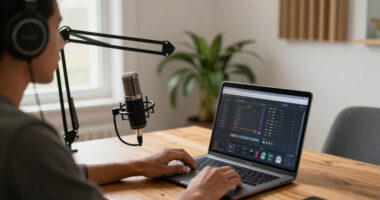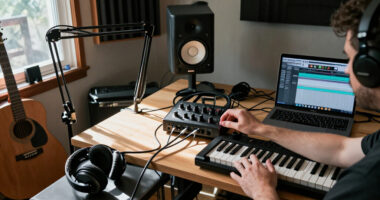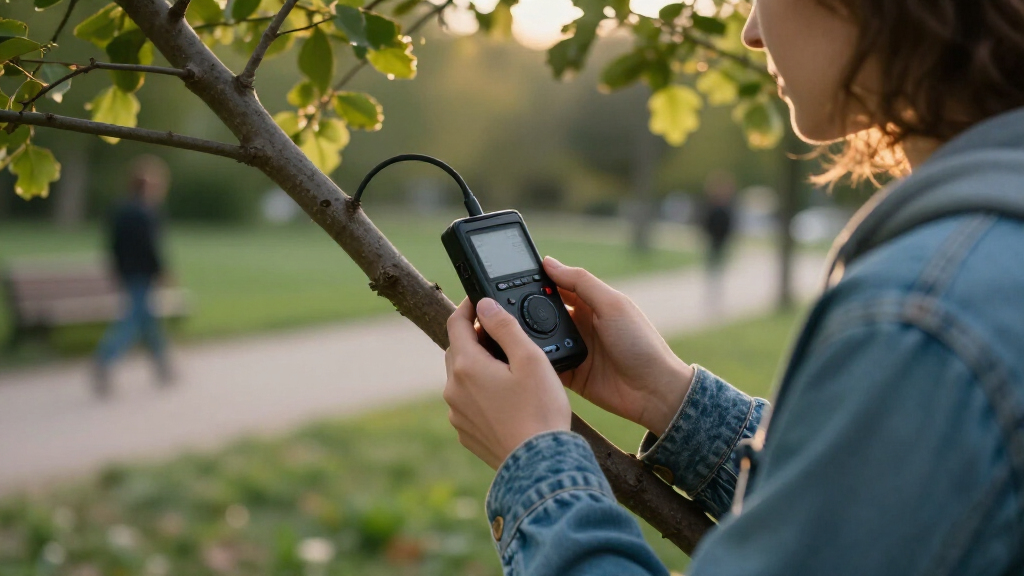

When searching for portable audio recorders, the goal is to find a device that balances ease of use, sound quality, and versatility. The Zoom H1 Essential stands out as the best overall thanks to its reliable performance and portability. For those on a tighter budget, the Soniy ICD-PX370 offers solid features at a lower price point, while the Zoom H4 Essential provides professional-level sound for content creators and musicians. The main tradeoffs in this category often involve balancing recording quality against size, battery life, and feature set. Continue reading to see how these options compare and find the best fit for your needs.

Get audio and creator gear delivered free with Prime
- Fast, free delivery on millions of items
- Prime Video, Amazon Music and more included
- Member-only deals all year
Complete the kit


Key Takeaways
- Top picks balance sound quality, ease of use, and portability for different user needs.
- Larger storage capacities and noise reduction features often come at a higher price but significantly improve usability.
- Some devices excel in specific applications, like music recording or lecture capture, highlighting the importance of matching features to purpose.
- Compact models tend to prioritize portability but may sacrifice advanced features or battery life.
- Price correlates with features—more expensive recorders often include professional-grade microphones and editing options.
| Cappsu Digital Voice Recorder with Playback, 32GB Built-in Memory, Voice Activated, 1536Kbps Audio |  | Best Overall for Simplicity and High-Quality Audio | Storage Capacity: 32 GB | Recording Quality: 1536Kbps | Battery Life: 20 hours | VIEW LATEST PRICE | See Our Full Breakdown |
| Tonfarb 64GB Digital Voice Recorder with Playback |  | Best for Extended Recording and Advanced Features | Storage Capacity: 64GB | Battery Life: up to 48 hours | Recording Format: WAV | VIEW LATEST PRICE | See Our Full Breakdown |
| Digital Voice Recorder 8GB Voice Activated Audio Recorder for Lectures, Meetings, Interviews |  | Best for Basic Needs with Long Battery Life | Capacity: 8GB | Battery Life: 20 hours | Recording Time: 128 hours at 192 kbps | VIEW LATEST PRICE | See Our Full Breakdown |
| Zoom H1 Essential Recorder for Musicians, Podcasters & Content Creators |  | Best for Creative Content and Environmental Recording | Use Cases: Music recording, podcasting, content creation | Connectivity: USB-C | Sound Capture: Stereo | VIEW LATEST PRICE | See Our Full Breakdown |
| 132G Voice Activated Recorder with AI Noise Reduction and 9800 Hours Storage |  | Best for Long-Term, Discreet Recording with AI Noise Reduction | Storage Capacity: 136 GB | Battery Life: 100 hours | Recording Time: 9800 hours | VIEW LATEST PRICE | See Our Full Breakdown |
| Tonfarb 136GB Digital Voice Recorder with Playback, 9775 Hours Audio Recording |  | Best Overall for Long-Form Recording and User-Friendly Operation | Memory Storage Capacity: 136 GB | Battery Life: 68 hours | Recording Format: MP3, WAV | VIEW LATEST PRICE | See Our Full Breakdown |
| 160GB Digital Voice Recorder with Built-in Speaker |  | Best for Long Recordings with User-Friendly Features | Storage: 160GB (32GB internal + 128GB microSD) | Audio Format: WAV | Display: Large LCD screen | VIEW LATEST PRICE | See Our Full Breakdown |
| Zoom H1 XLR 2-Channel Recorder for Filmmakers, Musicians & Podcasters |  | Best for High-Quality Professional Audio with Multiple Input Options | Recording Quality: 32-bit / 96kHz | Inputs: Two XLR/TRS combo inputs | Display: OLED waveform display | VIEW LATEST PRICE | See Our Full Breakdown |
| Sony ICD-PX370 Mono Digital Voice Recorder with Built-In USB |  | Best Budget-Friendly Choice for Basic Recording Needs | Compatible Devices: Personal Computer | Hardware Interface: USB | Microphone Form Factor: Built-In | VIEW LATEST PRICE | See Our Full Breakdown |
| Zoom H4 Essential Handheld Recorder for Musicians, Podcasters & Filmmakers |  | Best for 4-Track Versatility and Multi-Source Recording | Number of Tracks: 4 | Inputs: 2 XLR/TRS inputs | Microphone: Built-in stereo microphones | VIEW LATEST PRICE | See Our Full Breakdown |
| 128GB Digital Voice Recorder for Lectures and Meetings – EVIDA 9296 Hours Voice Activated Recording Device with Playback and Password |  | Best Overall for Large Capacity and Versatility | Memory Storage Capacity: 128 GB | Battery Life: 54 hours | Recording Time: 54 hours | VIEW LATEST PRICE | See Our Full Breakdown |
| Digital Voice Recorder Vandlion V11 32GB HD Clear Recording |  | Best for Compact Portability and Durability | Memory Storage Capacity: 32 GB | Battery Life: 25 hours | Recording Time: 450 hours | VIEW LATEST PRICE | See Our Full Breakdown |
| 136GB AI Noise Reduction Voice Activated Recorder with OTG Transfer |  | Best for Long-Term Use with AI Noise Reduction | Storage Capacity: 136GB | Recording Hours: 18800 hours | Noise Reduction: DSP 5.0 AI chip | VIEW LATEST PRICE | See Our Full Breakdown |
| 64GB Digital Voice Recorder with Playback and Voice Activation |  | Best for Reliable, Clear Recordings with Simple Operation | Storage Capacity: 64GB | Battery: 500mAh | Charging: Type-C USB | VIEW LATEST PRICE | See Our Full Breakdown |
| Digital Voice Recorder 16GB with Playback and USB Rechargeable |  | Best for Compact, Easy-to-Use Recording | Storage Capacity: 16 GB | Battery Life: 30 hours | Recording Format: WAV | VIEW LATEST PRICE | See Our Full Breakdown |
| portable audio recorder | Battery Life |
|---|---|
| Cappsu Digital Voice Recorder | 20 hours |
| Tonfarb 64GB Digital Voice Rec | up to 48 hours |
| Digital Voice Recorder 8GB Voi | 20 hours |
| Zoom H1 Essential Recorder for | — |
| 132G Voice Activated Recorder | 100 hours |
| Tonfarb 136GB Digital Voice Re | 68 hours |
| 160GB Digital Voice Recorder w | — |
| Zoom H1 XLR 2-Channel Recorder | — |
| Sony ICD-PX370 Mono Digital Vo | — |
| Zoom H4 Essential Handheld Rec | — |
| 128GB Digital Voice Recorder f | 54 hours |
| Digital Voice Recorder Vandlio | 25 hours |
| 136GB AI Noise Reduction Voice | Up to 48 hours |
| 64GB Digital Voice Recorder wi | — |
| Digital Voice Recorder 16GB wi | 30 hours |
More Details on Our Top Picks
Cappsu Digital Voice Recorder with Playback, 32GB Built-in Memory, Voice Activated, 1536Kbps Audio
This recorder stands out for its combination of high-quality 1536Kbps audio and straightforward operation, making it ideal for users who want reliable, crystal-clear recordings without extra complexity. Compared with the Zoom H1 Essential, it offers superior audio quality in a compact, lightweight package, though it lacks multi-channel support and rugged features. The large 32GB storage ensures ample space for most recording needs, and voice activation helps conserve battery and storage. Its USB-C connection streamlines data transfer, but the limited 20-hour recording runtime may be restrictive for all-day sessions. Overall, this pick is perfect for students, journalists, and professionals prioritizing ease of use and sound clarity in a portable form.
Pros:- High-quality 1536Kbps audio recording ensures clear playback
- Large 32GB built-in storage eliminates need for external cards
- Compact, lightweight design enhances portability
- One-click recording with clear indicator simplifies operation
Cons:- Limited to 20 hours of continuous recording per charge
- No rugged or waterproof features for tough environments
- Requires USB-C connection for data transfer, which may be less common
Best for: Individuals who need a high-quality, easy-to-use recorder for meetings, lectures, or interviews without extra bells and whistles.
Not ideal for: Heavy-duty outdoor use or prolonged recording sessions where ruggedness and extended battery life are critical.
- Storage Capacity:32 GB
- Recording Quality:1536Kbps
- Battery Life:20 hours
- Dimensions:4.16 x 1.46 x 0.47 inches
- Weight:1.6 ounces
- Connectivity:USB Type C
Our verdict“This recorder suits users seeking reliable, high-quality audio in a compact, easy-to-operate device for everyday recording tasks.”
Tonfarb 64GB Digital Voice Recorder with Playback
The Tonfarb 64GB recorder excels for its large storage capacity and rich feature set, including noise reduction, scheduled recording, and MP3 playback, making it well-suited for professionals with demanding recording needs. Compared with the Cappsu, it offers double the storage and more advanced functions, but its larger size and complex controls may hinder portability for quick, on-the-go recording. Its 48-hour battery life supports extensive sessions, though continuous use can drain power faster. This device is best for journalists, researchers, or content creators who need flexible, feature-rich recording options in a portable package.
Pros:- High-capacity 64GB storage for extensive recordings
- Rich feature set including noise reduction and scheduled recording
- Easy one-click recording with ergonomic controls
- Supports multiple formats and MP3 playback
Cons:- Larger size may reduce portability for quick use
- Battery life, while long, may be limited with heavy feature use
- Complex controls can be overwhelming for beginners
Best for: Professionals needing high-capacity storage and versatile recording options for interviews, lectures, or fieldwork.
Not ideal for: Casual users or those seeking a simple device, as its advanced features require learning and setup.
- Storage Capacity:64GB
- Battery Life:up to 48 hours
- Recording Format:WAV
- Screen Size:1.44 inches
- Additional Features:Voice-activated, password protection, scheduled recording
- Microphone:Built-in stereo
Our verdict“This recorder is ideal for users who need a feature-rich device with ample storage and are comfortable navigating advanced functions.”
Digital Voice Recorder 8GB Voice Activated Audio Recorder for Lectures, Meetings, Interviews
This model provides a solid balance between performance and simplicity, with high-definition stereo sound and voice activation that reduces unnecessary files. Compared to the Tonfarb 64GB, it offers less storage but is more compact and easier to operate, making it suitable for students, teachers, or professionals who value straightforward controls. Its 20-hour battery life supports daily use, though storage capacity limits longer recordings. The basic three-button operation makes it accessible for beginners, but advanced users may find the controls somewhat limiting for complex tasks. Overall, it’s a reliable choice for those who need clear audio without extra complexity.
Pros:- High-definition stereo sound with noise reduction
- Voice-activated recording reduces unnecessary files
- Long battery life supports extended use
- Simple operation with minimal controls
Cons:- Limited storage capacity for long or multiple recordings
- Requires USB connection for file transfer
- Basic controls may lack advanced features
Best for: Students, educators, and professionals who want an easy-to-use device for moderate recording tasks with decent sound quality.
Not ideal for: Users with long recording sessions or extensive storage needs, as its 8GB capacity can fill quickly.
- Capacity:8GB
- Battery Life:20 hours
- Recording Time:128 hours at 192 kbps
- File Formats:MP3, WAV
- Dimensions:1.1 inches screen
- Connectivity:USB 2.0
Our verdict“This recorder makes sense for users seeking a straightforward, reliable device for daily recording with decent audio quality.”
Zoom H1 Essential Recorder for Musicians, Podcasters & Content Creators
The Zoom H1 excels in delivering clear stereo sound for musicians, podcasters, and content creators, with its ease of use and USB-C connectivity for streaming and calls. It offers better audio quality than basic models like the Digital Voice Recorder 8GB for multi-purpose content creation, but it lacks multi-channel support and detailed controls for advanced recording. Its compact design and versatile use make it a favorite for capturing music performances, environmental sounds, or quick interviews. However, for users needing multi-track recording or rugged durability, this device may fall short. It’s an excellent choice for creators prioritizing sound clarity and simplicity in a portable package.
Pros:- High-quality stereo sound capture
- Versatile for music, podcasting, and environmental sounds
- Easy USB-C connection for streaming and calls
Cons:- Limited to stereo recording, no multi-channel support
- Battery life not specified, which can be a concern for long sessions
- Additional accessories may be needed for advanced setups
Best for: Musicians, podcasters, and vloggers who need a portable device for stereo recordings and streaming in a compact form.
Not ideal for: Professional studio recordings or outdoor fieldwork in demanding environments—more advanced gear is needed for those tasks.
- Use Cases:Music recording, podcasting, content creation
- Connectivity:USB-C
- Sound Capture:Stereo
Our verdict“This device suits content creators seeking high-quality stereo audio with portability and simple connectivity for streaming and recording tasks.”
132G Voice Activated Recorder with AI Noise Reduction and 9800 Hours Storage
This recorder offers an extraordinary capacity with up to 9800 hours of storage, making it ideal for long-term, discreet surveillance or ongoing interviews. Its AI-powered noise reduction and voice activation significantly improve audio clarity in complex environments, surpassing the basic noise handling of models like the Digital Voice Recorder 8GB. Despite its larger size, it’s designed for users who need continuous, hands-free recording over extended periods. The device’s bulkiness might be a drawback for discreet or mobile use, but its impressive storage and intelligent noise reduction make it a standout for professional or investigative purposes. It’s best suited for security personnel, legal professionals, or researchers who value extended, high-quality recording without frequent data management.
Pros:- Massive 9800 hours of storage for extended recordings
- AI noise reduction for clearer audio in noisy environments
- Voice activation for hands-free operation
- Includes essential accessories like microphone and USB-C cable
Cons:- Bulkier size limits discreetness and portability
- Battery life, while long, may require recharging for intensive use
- Higher complexity might be overwhelming for beginners
Best for: Professionals needing continuous, long-duration recording in discreet or security-sensitive setups, with emphasis on audio clarity.
Not ideal for: Casual users or those requiring a small, lightweight device for short-term recordings or quick notes.
- Storage Capacity:136 GB
- Battery Life:100 hours
- Recording Time:9800 hours
- Dimensions:4.5″D x 4″W x 1.1″H
- Weight:0.17 kg
- Connectivity:USB Type-C
Our verdict“This recorder is perfect for users who need long, continuous recordings with intelligent noise handling in a less portable but highly capable device.”
Tonfarb 136GB Digital Voice Recorder with Playback, 9775 Hours Audio Recording
This recorder stands out for its massive 136GB storage, making it ideal for those who need to record lengthy sessions without interruption. Its noise-canceling microphones and voice activation improve audio clarity, surpassing the capabilities of more basic models like the Sony ICD-PX370. However, its limited format support (MP3, WAV) and small LCD could hinder ease of use for some users. Compared to the Zoom H1 XLR, it offers simpler operation but fewer professional input options. Its long battery life supports extended sessions, making it perfect for professionals needing reliable, high-capacity recording in a compact package.
Pros:- High-capacity 136GB storage for lengthy recordings
- Excellent noise reduction and voice activation for clear audio
- Long-lasting 68-hour battery supports extended sessions
- Easy one-touch recording for quick operation
Cons:- Limited to MP3 and WAV formats, restricting flexibility
- Small LCD screen may be difficult for some users to read
- No external microphone input support
Best for: Professionals, journalists, or students needing extensive, high-quality recordings with minimal fuss
Not ideal for: Users requiring external microphone compatibility or advanced multi-channel setups
- Memory Storage Capacity:136 GB
- Battery Life:68 hours
- Recording Format:MP3, WAV
- Microphone:Built-in, noise cancellation
- Display:1.44 inches LCD
- Dimensions:0.47″D x 1.45″W x 4″H
- Weight:100 g
- Included Storage:128GB TF card
Our verdict“This recorder is best suited for those prioritizing large storage and straightforward operation in professional environments.”
160GB Digital Voice Recorder with Built-in Speaker
Compared to the Tonfarb, which emphasizes extended recording capacity, this device offers a similar high storage volume but adds the convenience of a built-in speaker and features like A/B repeat and password protection. Its large LCD makes navigation straightforward, yet it relies on a microSD card for full capacity, adding an extra step for setup. While battery life isn’t specified, its long-lasting design makes it suitable for long sessions. Its simplicity makes it appealing for users who want more than just basic recording but don’t need complex inputs like the Zoom H4.
Pros:- High-capacity 160GB storage (including 32GB internal + microSD)
- WAV audio quality for clear recordings
- User-friendly features like A/B repeat and password protection
- Built-in speaker for immediate playback
Cons:- Requires microSD card for full storage, adding extra step
- No wireless connectivity options
- Battery life details are not provided
Best for: Lecturers, interviewers, or meeting attendees who value ease of use and large storage capacity
Not ideal for: Users needing external microphone inputs or professional multi-mic recording capabilities
- Storage:160GB (32GB internal + 128GB microSD)
- Audio Format:WAV
- Display:Large LCD screen
- Battery:Long-lasting
- Additional features:Built-in speaker, A/B repeat, password protection
Our verdict“This device is well-suited for those who want simple, long-term recording with easy access to playback features.”
Zoom H1 XLR 2-Channel Recorder for Filmmakers, Musicians & Podcasters
Compared with the Tonfarb and the 160GB recorder, the Zoom H1 excels in audio fidelity, offering 32-bit/96kHz recording suitable for professional use. Its dual XLR/TRS inputs allow connection of microphones and instruments, making it more versatile for content creators needing multiple sources. Its OLED waveform display offers precise level monitoring, yet its reliance on external mics and limited to just two channels might restrict its use for complex multi-mic setups. While its high-quality recordings are a clear advantage, beginners may find its input options and setup process daunting.
Pros:- High-fidelity 32-bit/96kHz recording for professional sound quality
- Versatile inputs for mics and instruments
- OLED display for real-time level monitoring
- Supports SDXC cards up to 1TB for extended sessions
Cons:- No built-in microphone, relies on external inputs
- Limited to 2 channels, not suited for multi-mic recording
- May be complex for users new to audio equipment
Best for: Filmmakers, musicians, or podcasters seeking professional-grade audio with flexible input options
Not ideal for: Beginners or users requiring multi-channel multi-mic recordings without external gear
- Recording Quality:32-bit / 96kHz
- Inputs:Two XLR/TRS combo inputs
- Display:OLED waveform display
- Inputs/Outputs:3.5mm stereo input and headphone output
- Storage Support:SDXC cards up to 1TB
Our verdict“Ideal for professionals who need flexible, high-quality recording with external mic support and detailed monitoring.”
Sony ICD-PX370 Mono Digital Voice Recorder with Built-In USB
While the Sony ICD-PX370 offers a simple, compact solution with up to 57 hours of battery life, it lacks the advanced features of the Tonfarb or Zoom H4, making it a good choice for casual users. Its built-in USB simplifies file transfer, but its mono and stereo modes limit audio flexibility compared to higher-end models like the Zoom H1. The small screen and basic controls suit those who prioritize portability and ease of use over professional features. This recorder is ideal for students or everyday note-takers who want reliable, straightforward functionality without extra complexity.
Pros:- Long battery life of up to 57 hours
- Built-in USB for quick file transfer
- Auto voice recording reduces background noise
- Compact and lightweight for portability
Cons:- Limited to mono and stereo recording modes
- Requires 2 AA batteries (not included)
- Basic interface without advanced features
Best for: Students or casual users needing basic voice recording in a lightweight, affordable package
Not ideal for: Professional podcasters or musicians requiring multi-mic inputs and high-resolution audio
- Compatible Devices:Personal Computer
- Hardware Interface:USB
- Microphone Form Factor:Built-In
- Format:MP3
- Audio Headphones Jack:2.5 millimeters
- Memory Storage Capacity:4 GB
- Battery Average Life:57 hours
- Digital Recording Time:57 hours
Our verdict“Perfect for casual users seeking a simple, reliable recorder with decent battery life and basic features.”
Zoom H4 Essential Handheld Recorder for Musicians, Podcasters & Filmmakers
Compared to the simpler H1 model, the Zoom H4 offers four tracks and more input flexibility, making it suitable for musicians and filmmakers needing multi-mic setups. Its built-in stereo microphones combined with XLR/TRS inputs enable capturing a range of sources simultaneously, unlike the Tonfarb or Sony, which are more focused on single-user recordings. Its interface, while feature-rich, can be complex for beginners, and its handheld design might be less suited for studio use. Still, for on-the-go multi-source recordings, the H4 provides a balanced mix of portability and professional features.
Pros:- High-quality 4-track recording capability
- Multiple input options for mics and instruments
- Dual recording to device and SD card for backup
- User-friendly interface with spoken guidance
Cons:- May be complex for users without prior audio experience
- Limited to handheld design, less optimal for studio use
- Battery life varies with usage
Best for: Musicians, filmmakers, or podcasters who require multi-track recording with multiple input options
Not ideal for: Beginners or users primarily recording solo voice in controlled environments
- Number of Tracks:4
- Inputs:2 XLR/TRS inputs
- Microphone:Built-in stereo microphones
- Connectivity:USB-C
- Recording Media:SD card
Our verdict“Suitable for creative professionals needing flexible multi-mic recording in a portable format.”
128GB Digital Voice Recorder for Lectures and Meetings – EVIDA 9296 Hours Voice Activated Recording Device with Playback and Password
This model stands out for its massive 128GB storage, making it ideal for long recordings like conferences or lectures without needing frequent file transfers. Compared with the 136GB AI Noise Reduction Voice Activated Recorder, the EVIDA offers more straightforward file management and playback options, though it requires a C battery, which could be inconvenient. Its multi-functionality as a USB drive and MP3 player adds convenience, especially for users who want a single device for multiple tasks. The voice activation feature effectively minimizes unnecessary audio, saving storage and making playback easier. However, the lack of a headphone jack limits immediate audio monitoring, and the small screen can hinder navigation. Overall, this device suits professionals needing high capacity and multi-use features in a portable form, though those seeking wireless or more user-friendly interfaces may prefer alternatives.
Pros:- High-capacity 128GB storage for extensive recordings
- Voice activation reduces unnecessary audio snippets
- Multi-function device as a voice recorder, MP3 player, and USB drive
- Long battery life of up to 54 hours
Cons:- No headphone jack included for real-time listening
- Requires C batteries, which may need frequent replacement
- Small display size may make navigation less user-friendly
Best for: Professionals and students needing extensive recording capacity and multi-functionality
Not ideal for: Users who prefer wireless connectivity or require a headphone jack for real-time monitoring
- Memory Storage Capacity:128 GB
- Battery Life:54 hours
- Recording Time:54 hours
- Microphone:Mono, Noise Cancellation
- Format:WAV
- Compatible Devices:Personal Computer
- Interface:USB 2.0
- Item Dimensions:2.59″D x 0.41″W x 0.77″H
- Item Weight:3.35 ounces
Our verdict“This recorder is best suited for those who need large storage and multifunctional use in a portable package, accepting some tradeoffs in ease of use.”
Digital Voice Recorder Vandlion V11 32GB HD Clear Recording
The Vandlion V11 distinguishes itself through its sleek, durable aluminum alloy design and portability, making it perfect for users who need a discreet recording device. With 32GB of storage, it can record up to 450 hours at a time, which is ample for most interview or lecture scenarios, although less than the 136GB AI Noise Reduction Recorder, it remains more pocket-friendly. Its noise reduction and voice activation features enhance sound quality, yet voice activation must be manually enabled, adding a step for users. The tiny screen (0.01 inches) limits navigation, which might frustrate some users. Compared to larger models like the 128GB EVIDA, it sacrifices capacity for a more compact form factor. This recorder fits best for users prioritizing durability and portability over extensive storage or advanced features.
Pros:- Compact, durable aluminum alloy construction
- High-capacity 32GB storage for lengthy recordings
- Advanced noise reduction and voice activation
- Lightweight at only 34 grams
Cons:- Voice activation is disabled by default, requiring manual setup
- Limited screen size complicates navigation
- No Wi-Fi or cloud options for remote file management
Best for: Field reporters or students who need a rugged, portable recorder for short-term use
Not ideal for: Users needing large storage or advanced connectivity features like Wi-Fi or cloud access
- Memory Storage Capacity:32 GB
- Battery Life:25 hours
- Recording Time:450 hours
- Audio Format:MP3, WAV
- Microphone:Built-in stereo
- Dimensions:0.31″D x 0.9″W x 2.87″H
- Weight:34 g
- Connectivity:USB Type C
Our verdict“Ideal for users seeking a small, durable recorder with quality audio, but not for those needing extensive storage or connectivity features.”
136GB AI Noise Reduction Voice Activated Recorder with OTG Transfer
This recorder offers an impressive 136GB of storage, capable of capturing up to 18,800 hours of audio—far surpassing most competitors like the EVISTR L357. Its smart voice-activated recording and AI noise reduction produce exceptionally clear audio even in noisy environments, making it highly suitable for professional settings. The lightweight design at just 1 ounce and seamless OTG transfer support make it ideal for busy professionals or students on the move. However, it is limited to digital storage, and its advanced features may overwhelm users unfamiliar with technology. Compared to the Vandlion V11, it provides much more storage and noise reduction but at the expense of a slightly more complex interface and lack of physical media options. This device targets users who need extensive, high-quality recordings in a compact, easy-to-carry form.
Pros:- Large 136GB storage for up to 18,800 hours of audio
- Smart voice activation and AI noise reduction for clarity
- Lightweight with seamless OTG transfer
- Fast charging capabilities
Cons:- Limited to digital storage without physical media options
- May be complex for less tech-savvy users
- Requires compatible devices for OTG transfer
Best for: Business professionals or researchers requiring large storage and AI-enhanced audio quality
Not ideal for: Casual users or those preferring physical media or simple operation without AI features
- Storage Capacity:136GB
- Recording Hours:18800 hours
- Noise Reduction:DSP 5.0 AI chip
- Battery Life:Up to 48 hours
- Charge Time:1.5 hours
- Weight:1 ounce
Our verdict“Best suited for professionals needing extensive, high-quality recordings with minimal fuss about storage limits, accepting some complexity.”
64GB Digital Voice Recorder with Playback and Voice Activation
The EVISTR L357 makes the list for its balance of capacity and ease of use. With 64GB of storage, it can record over 4,600 hours, providing ample room for most interview or lecture scenarios. Its noise reduction and voice activation ensure clarity without complex editing, though it lacks advanced editing features found in higher-end models like the 136GB AI Recorder. The two-button operation simplifies recording and playback, making it accessible for users who prefer straightforward devices. Battery life is decent, but it varies with use, and voice activation requires manual adjustment. Compared to the smaller, more basic Digital Voice Recorder 16GB, this offers more storage and better sound quality, though it still remains a basic recorder overall. It fits best for those seeking reliable, high-capacity recording with minimal fuss.
Pros:- High-capacity 64GB storage for long recordings
- Clear stereo sound with noise reduction
- Simple two-button operation
- Effective voice activation
Cons:- Limited to basic recording features
- Battery life may fluctuate with usage
- Requires manual setup for voice activation sensitivity
Best for: Students and professionals needing dependable recordings with simple controls
Not ideal for: Power users seeking advanced editing, cloud connectivity, or extensive customization
- Storage Capacity:64GB
- Battery:500mAh
- Charging:Type-C USB
- Recording Format:WAV/MP3
- Recording Time:up to 32 hours
- Playback Time:up to 35 hours
- Microphone:Dynamic noise reduction
Our verdict“An excellent choice for users who want reliable, high-quality recordings with straightforward operation, without extra bells and whistles.”
Digital Voice Recorder 16GB with Playback and USB Rechargeable
This small recorder excels in portability and simplicity, making it suitable for quick notes or short interviews. With only 16GB of storage, it is more limited than bigger models like the 64GB EVISTR, but its compact size (just over 3 inches tall) makes it easy to carry everywhere. The one-button operation streamlines recording, while noise reduction ensures clear audio, similar to larger devices. Its main tradeoff is the limited storage capacity, which may require frequent file transfers for longer recording sessions. Compared to the 128GB EVIDA, it’s less versatile but more pocket-friendly. This device is best for users who prioritize portability and ease of use over capacity and advanced features.
Pros:- Compact and highly portable
- High-quality noise reduction
- Supports voice-activated recording
- USB rechargeable for convenience
Cons:- Limited to 16GB storage, requiring frequent file management
- Mono microphone operation
- Small display may hinder navigation
Best for: On-the-go users who need a lightweight recorder for quick, short recordings
Not ideal for: Users with long recording sessions or who need extensive storage capacity
- Storage Capacity:16 GB
- Battery Life:30 hours
- Recording Format:WAV
- Microphone:Mono, Noise Cancellation
- Dimensions:0.5″D x 1.4″W x 3.3″H
- Weight:35 g
- Interface:USB
- Headphone Jack:3.5 mm
Our verdict“Perfect for quick, straightforward recordings where portability outweighs storage capacity, but less suited for extensive sessions.”

How We Picked
To determine the best portable audio recorders, I evaluated each device based on core criteria such as recording performance, build quality, ease of use, battery life, storage capacity, and additional features like noise reduction or USB connectivity. I prioritized products that offer reliable audio quality in portable form factors, as well as those with user-friendly interfaces suitable for beginners and professionals alike. Devices were ranked by how well they balance these factors, with special attention to value for money and versatility. This approach ensures that each recommendation addresses distinct needs, from casual recording to professional content creation.Factors to Consider When Choosing Portable Audio Recorders
Choosing the right portable audio recorder involves understanding several key factors that impact usability and performance. While features like storage and microphone quality are important, considering overall build quality, battery life, and ease of operation helps avoid common pitfalls. This guide explores the most relevant aspects to help you find a device that matches your specific recording needs and budget.Sound Quality and Microphone Capabilities
High-quality microphones and sound processing features significantly improve recording clarity, especially in noisy environments. Look for devices with built-in noise reduction or stereo capabilities if capturing music or interviews. Cheaper models may suffice for casual use but can compromise on fidelity, making professional or critical recordings less reliable.
Storage Capacity and File Management
Ample storage ensures longer recording sessions without frequent transfers. Many models offer large internal memory or support SD cards, which is crucial for prolonged use. Consider how easy it is to transfer files—USB connectivity and compatibility with common formats can streamline your workflow and prevent frustrations.
Battery Life and Power Options
Long battery life is essential if you plan to record outdoors or during extended sessions. Some recorders use rechargeable batteries, while others may support AA batteries. Think about portability versus convenience—rechargeable units reduce waste but may need frequent charging, whereas disposable batteries offer quick replacements in the field.
Ease of Use and Interface
An intuitive interface and straightforward controls save time and reduce errors during recording. Features like one-touch recording, clear displays, and simple menu navigation are especially valuable for beginners. Advanced users might prioritize customizable settings and editing options, but complexity can hinder quick start-up.
Additional Features and Connectivity
Extras like built-in speakers, Bluetooth, or app integration can enhance usability but may add to the cost and size. Consider your primary use case—if mobility is key, a compact recorder with essential features might be best. Conversely, if you require professional editing, models supporting multi-channel inputs or external microphones are worth the investment.
Frequently Asked Questions
How do I choose between a stereo and mono recorder?
Deciding between stereo and mono depends on your recording purpose. Stereo recorders capture a wider sound field, making them ideal for music, interviews with ambient sounds, or capturing a sense of space. Mono recorders, on the other hand, are often simpler and more compact, suitable for lectures, meetings, or voice memos where directional sound isn’t as critical. Consider how you’ll use the recordings and whether spatial detail enhances your work.
Is extra storage worth paying for in a portable recorder?
Additional storage allows for longer recording sessions without interruptions, which is especially useful for field recording or extended interviews. If you frequently record in environments where transferring files isn’t practical, investing in higher capacity models or those with removable SD cards can save time and prevent data loss. However, if your needs are occasional or short, lower-capacity devices might suffice and keep costs down.
Should I prioritize built-in microphones or external inputs?
Built-in microphones are convenient and sufficient for casual or quick recordings, but external inputs are vital for professional-quality audio or specialized microphones. If you plan to record music, interviews, or environments with specific audio needs, choosing a recorder with external microphone support offers greater flexibility and sound fidelity. Be sure to check compatibility with the microphones you wish to use.
How important is battery life in choosing a portable recorder?
Battery life is a key factor, especially if you’ll record outdoors or away from power sources. Longer battery life means fewer interruptions during critical sessions, while shorter battery life requires planning for frequent recharging or carrying spare batteries. Consider whether the device uses rechargeable batteries or disposable ones, and match that to your typical recording environment.
Can I edit recordings directly on the device?
Many modern recorders include basic editing features, such as trimming or overwriting, which can be handy for quick adjustments. However, for more advanced editing, transferring files to a computer and using dedicated software is often necessary. If editing in the field is a priority, look for devices with onboard editing capabilities and easy file transfer options.
Conclusion
For general use and excellent portability, the Zoom H1 Essential offers balanced features suitable for beginners and professionals alike. If you seek the best value, the Sony ICD-PX370 provides reliable recording at a lower price point, ideal for students and casual users. Musicians and content creators who need professional-grade audio should consider the Zoom H4 Essential with its versatile inputs. For those prioritizing ease of use and long recording sessions, larger-capacity models like the Tonfarb 136GB are worth the investment. Ultimately, your choice should align with your specific recording needs and budget.Fall Picks
fall essentials
As an affiliate, we earn on qualifying purchases.