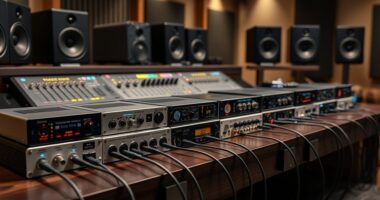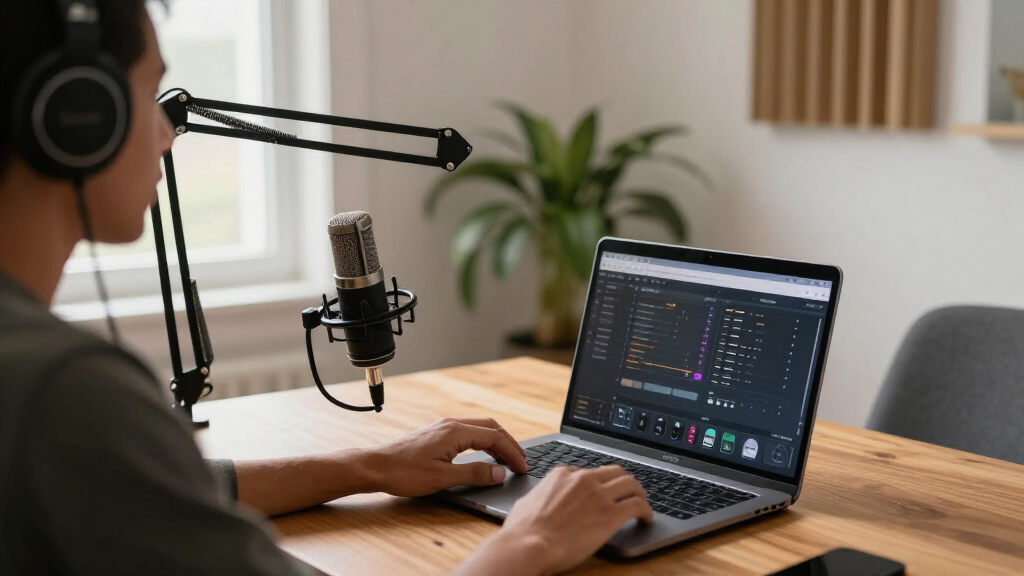

The best USB microphone for podcasting overall in this roundup is the FIFINE AmpliGame AM8: its dynamic design and USB/XLR connections suit close-miked speech and leave room to expand later. The Logitech Blue Yeti stands out for hosts who want multiple pickup patterns, while the MAONO PD200W offers a wireless option for more flexible setups. The main tradeoffs are how well a mic handles room noise, how much control it gives you, and whether you want an easy desktop setup or a kit that can grow with your recording needs. Read on for the full breakdown, buying advice, and picks by podcasting style.

Get audio and creator gear delivered free — and shop member deals
- Fast, free delivery on millions of items
- Access to Prime Big Deal Days deals on October 6–7
- Prime Video, Amazon Music and more included
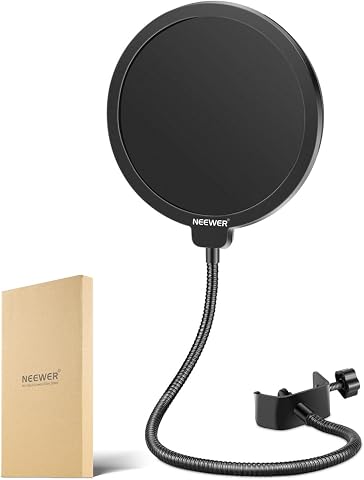
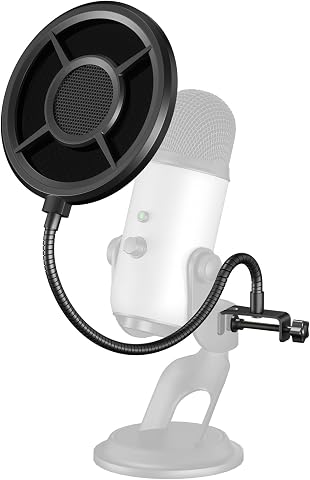
Complete the kit

Key Takeaways
Dynamic USB/XLR models lead for untreated rooms. The amazon.com/dp/B0BMFQP2ZZ?tag=attunemagazine-20&ascsubtag=dc-1158658″ target=”_blank” rel=”nofollow sponsored noopener”>FIFINE AM8, AM8T, and K688CT are the lineup’s clearest choices for close-miked speech and a possible move to an XLR interface.
The Blue Yeti’s three finishes share the same core appeal. Silver, Blackout, and Midnight Blue offer four pickup patterns and Blue VO!CE, so choose among them for setup needs and appearance rather than expecting a different recording role.
Condenser kits favor quiet rooms and ready-to-use accessories. The MAONO A04 and FIFINE T669 bundle a more complete desktop recording setup, but sensitive condensers can pick up more room sound than a close-used dynamic mic.
Not every mic here is aimed at a full podcast setup. The CMTECK G009 and Amazon Basics model prioritize simple desktop voice capture, while gaming-oriented AmpliGame models add visual styling that may matter less for audio-only shows.
Included hardware changes the value of a pick. The AM8T and K688CT kits reduce the need to source a boom arm or related gear separately, while smaller desktop models make more sense when space and simplicity matter most.
| ZealSound K66 USB Podcast Microphone with Noise Reduction, Gain and Volume Controls, and Mute Button |  | Best for Multi-Device Podcasting | Microphone type: USB condenser | Pickup pattern: Cardioid | Frequency response: 40 Hz–18 kHz | VIEW LATEST PRICE | See Our Full Breakdown |
| MAONO PD200W Hybrid Wireless Dynamic Podcast Microphone |  | Best for Wireless Two-Person Podcasts | Microphone type: Dynamic | Pickup pattern: Unidirectional (cardioid) | Connectivity: Wireless, USB, and XLR | VIEW LATEST PRICE | See Our Full Breakdown |
| FIFINE AmpliGame AM8 USB/XLR Dynamic Microphone |  | Best Wired USB-to-XLR Upgrade | Microphone type: Dynamic | Polar pattern: Cardioid (unidirectional) | Connectivity: USB and XLR | VIEW LATEST PRICE | See Our Full Breakdown |
| FIFINE AmpliGame A6V USB Gaming Microphone, Condenser RGB Mic for Streaming |  | Best Bundled USB Desktop Setup | Microphone type: USB condenser | Listed polar pattern: Bidirectional; product description also refers to cardioid | Connectivity: USB | VIEW LATEST PRICE | See Our Full Breakdown |
| FIFINE AmpliGame AM8T USB/XLR Dynamic Gaming Microphone Kit with Boom Arm |  | Best Complete Boom-Arm Kit | Microphone type: Dynamic | Polar pattern: Unidirectional (cardioid) | Connectivity: USB and XLR | VIEW LATEST PRICE | See Our Full Breakdown |
| Logitech Blue Yeti USB Microphone with Blue VO!CE, Four Pickup Patterns, Silver |  | Best for Flexible Podcast Setups | Connectivity: USB | Connector: USB Type-A | Pickup patterns: Cardioid, omnidirectional, bidirectional, stereo | VIEW LATEST PRICE | See Our Full Breakdown |
| MAONO A04 USB Condenser Microphone Kit |  | Best Complete Starter Kit | Connectivity: USB, USB Type-C | Audio resolution: 192 kHz/24-bit | Microphone type: 16 mm electret condenser | VIEW LATEST PRICE | See Our Full Breakdown |
| Logitech Blue Yeti USB Microphone, Blackout |  | Best for Headphone-Monitored Recording | Connectivity: USB | Microphone design: Three-capsule array | Pickup patterns: Cardioid, omnidirectional, bidirectional, stereo | VIEW LATEST PRICE | See Our Full Breakdown |
| FIFINE T669 USB Condenser Microphone Kit |  | Best for Boom-Arm Desk Recording | Connectivity: USB | Connectors: USB Type-A, USB Type-C | Polar pattern: Unidirectional | VIEW LATEST PRICE | See Our Full Breakdown |
| TONOR TC-777 USB Condenser Microphone with Tripod Stand and Pop Filter | 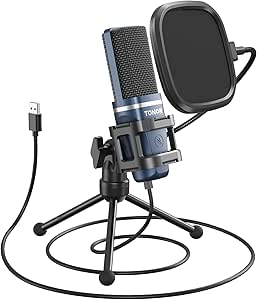 | Best Simple Tripod Setup | Model: TC-777 | Connectivity: USB Type-A | Polar pattern: Unidirectional | VIEW LATEST PRICE | See Our Full Breakdown |
| FIFINE K669B USB Condenser Microphone |  | Best Value for a Simple Desk Setup | Microphone type: Desktop condenser | Connectivity: USB | Pickup pattern: Unidirectional | VIEW LATEST PRICE | See Our Full Breakdown |
| CMTECK G009 USB Desktop Microphone with Mute Button |  | Best for Calls and Frequent Muting | Microphone type: Condenser | Connectivity: USB | Form factor: Gooseneck desktop microphone | VIEW LATEST PRICE | See Our Full Breakdown |
| Amazon Basics USB Condenser Microphone with Cardioid Pickup and Adjustable Stand |  | Best Compact Mic with Flexible Mounting | Microphone type: Condenser, large diaphragm | Connectivity: USB | Pickup pattern: Cardioid (unidirectional) | VIEW LATEST PRICE | See Our Full Breakdown |
| Logitech Blue Yeti USB Microphone with Blue VO!CE, Midnight Blue |  | Best for Multi-Format Podcast Recording | Microphone type: Tri-capsule array condenser | Connectivity: USB Type-A | Pickup patterns: Cardioid, omnidirectional, bidirectional, stereo | VIEW LATEST PRICE | See Our Full Breakdown |
| FIFINE AmpliTank K688CT USB/XLR Dynamic Podcast Microphone Kit | 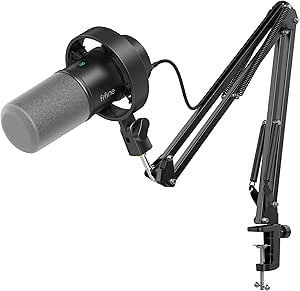 | Best for a Podcast Setup That Can Grow | Microphone type: Dynamic | Connectivity: USB and XLR | Polar pattern: Unidirectional (cardioid) | VIEW LATEST PRICE | See Our Full Breakdown |
| USB microphones for podcasting | Connectivity | Signal-to-noise ratio | Microphone type | Frequency response |
|---|---|---|---|---|
| ZealSound K66 USB Podcast Micr | USB; USB-C and Lightning adapters included | — | USB condenser | 40 Hz–18 kHz |
| MAONO PD200W Hybrid Wireless D | Wireless, USB, and XLR | 82 dB | Dynamic | — |
| FIFINE AmpliGame AM8 USB/XLR D | USB and XLR | 80 dB | Dynamic | 50 Hz–16 kHz |
| FIFINE AmpliGame A6V USB Gamin | USB | 70 dB | USB condenser | — |
| FIFINE AmpliGame AM8T USB/XLR | USB and XLR | 80 dB | Dynamic | 50 Hz–16 kHz |
| Logitech Blue Yeti USB Microph | USB | 100 dB | — | 20 Hz–20 kHz |
| MAONO A04 USB Condenser Microp | USB, USB Type-C | 70 dB | 16 mm electret condenser | 30 Hz–16 kHz |
| Logitech Blue Yeti USB Microph | USB | 100 dB | — | 20 Hz–20 kHz |
| FIFINE T669 USB Condenser Micr | USB | 78 dB | — | 20 Hz–20 kHz |
| TONOR TC-777 USB Condenser Mic | USB Type-A | 80 dB | — | 20 KHz |
| FIFINE K669B USB Condenser Mic | USB | — | Desktop condenser | 20 Hz–20 kHz |
| CMTECK G009 USB Desktop Microp | USB | 76 dB | Condenser | — |
| Amazon Basics USB Condenser Mi | USB | — | Condenser, large diaphragm | — |
| Logitech Blue Yeti USB Microph | USB Type-A | 70 dB | Tri-capsule array condenser | 20 Hz–20 kHz |
| FIFINE AmpliTank K688CT USB/XL | USB and XLR | 80 dB | Dynamic | — |
More Details on Our Top Picks
ZealSound K66 USB Podcast Microphone with Noise Reduction, Gain and Volume Controls, and Mute Button
The ZealSound K66 is a flexible pick for podcasters who may record on a computer one day and a compatible phone or tablet the next. Its included USB-C and Lightning adapters make that broader setup easier than the computer-focused FIFINE AM8, while the K66’s condenser design can suit a treated, quieter recording space. A 3.5 mm zero-latency headphone jack and separate controls for mic level, monitoring, and echo put routine adjustments within reach. Noise reduction can help with common background sounds, but it is not a substitute for a quiet room, and echo controls may not suit a natural spoken-word sound. Choose this over the dynamic AM8 when device flexibility matters more than a dynamic mic’s more focused podcasting approach.
Pros:- Includes USB-C and Lightning adapters for compatible mobile devices
- Zero-latency headphone monitoring through a 3.5 mm jack
- Separate controls for microphone volume, monitoring volume, and echo
- Mute button has a visible LED indicator
Cons:- Noise reduction may lessen common background sounds but does not eliminate them
- Condenser pickup may be less forgiving of room noise than the dynamic FIFINE AM8
- Device and platform compatibility depends on suitable connections
Best for: Solo podcasters who record on a computer and compatible iPhone, iPad, or USB-C device and want onboard monitoring and level controls.
Not ideal for: Podcasters recording in noisy rooms who want strong background rejection, or buyers who need guaranteed compatibility with every device or platform.
- Microphone type:USB condenser
- Pickup pattern:Cardioid
- Frequency response:40 Hz–18 kHz
- Sampling rate:46 kHz
- Sensitivity:–45 dB ±3 dB
- Monitoring:3.5 mm headphone jack; zero-latency
- Controls:Microphone volume, monitoring volume, echo, and mute
- Connectivity:USB; USB-C and Lightning adapters included
Our verdict“Choose the K66 if you want a control-rich USB mic that can also connect to compatible mobile devices; skip it if room-noise rejection is your main priority.”
MAONO PD200W Hybrid Wireless Dynamic Podcast Microphone
For a podcast that needs to move beyond a single desk, the MAONO PD200W offers something the USB-only K66 cannot: wireless, USB-C, and XLR connectivity, plus support for two wireless microphones recorded to separate tracks. Separate tracks give an editor more control over each speaker’s level, while the stated range of up to 60 m supports recording away from the computer. Its dynamic, cardioid design and three-stage noise cancellation are aimed at voice capture, though sound settings in the MaonoLink app add a software step. The claimed battery life reaches 60 hours with RGB off, but camera and Lightning accessories are sold separately. Compared with the FIFINE AM8T, the PD200W favors wireless flexibility and multi-mic recording over a bundled boom arm.
Pros:- Wireless, USB, and XLR connectivity accommodate different recording setups
- Supports two wireless microphones on separate tracks
- Up to 60 m wireless range and up to 60 hours of battery life with RGB off
- Dynamic cardioid design with three-stage noise cancellation
Cons:- Camera and Lightning accessories are sold separately
- Some sound settings require the MaonoLink app
- At 1.32 kg, it is a comparatively substantial microphone
Best for: Two-person podcast teams who want wireless recording, separate microphone tracks, and the option to connect by USB-C or XLR.
Not ideal for: Podcasters seeking a simple wired desktop setup, buyers who need included camera or Lightning accessories, or anyone avoiding companion apps.
- Microphone type:Dynamic
- Pickup pattern:Unidirectional (cardioid)
- Connectivity:Wireless, USB, and XLR
- Signal-to-noise ratio:82 dB
- Maximum SPL:128 dB
- Wireless range:Up to 60 m
- Battery life:Up to 60 hours with RGB off
- Weight:1.32 kg
Our verdict“Pick the PD200W for wireless, separately tracked two-person sessions; choose a wired model such as the FIFINE AM8T for a simpler desktop kit.”
FIFINE AmpliGame AM8 USB/XLR Dynamic Microphone
The FIFINE AmpliGame AM8 suits podcasters who want to start with a direct USB connection but keep an XLR upgrade path for a mixer or audio interface. Its dynamic cardioid design is a sensible fit for close-miked speech, and USB mode adds headphone monitoring, gain adjustment, and tap-to-mute without requiring extra gear. Unlike the MAONO PD200W, this is a wired-only choice, and it does not offer separate wireless tracks; its appeal is a more straightforward desk or boom-arm workflow. RGB lighting and function keys stop working in XLR mode, and an XLR cable is not included, so the upgrade path brings extra purchases and fewer onboard conveniences. It also compares well with the A6V for spoken-word use if a dynamic mic matters more than the A6V’s bundled desktop accessories.
Pros:- USB and XLR connections support both direct recording and interface-based setups
- Dynamic cardioid pickup suits close-miked speech
- USB mode includes headphone monitoring, gain control, and tap-to-mute
- Built-in 3/8-inch and 5/8-inch threads fit common microphone stands
Cons:- XLR cable is not included
- RGB lighting and function keys are inactive in XLR mode
- USB features depend on a corded connection
Best for: New podcasters who want to record over USB now and connect the same dynamic microphone to an XLR interface later.
Not ideal for: People who need wireless recording, a supplied XLR cable, or RGB and USB controls to remain active with an XLR setup.
- Microphone type:Dynamic
- Polar pattern:Cardioid (unidirectional)
- Connectivity:USB and XLR
- Frequency response:50 Hz–16 kHz
- Signal-to-noise ratio:80 dB
- Channels:1
- Monitoring:Headphone jack with monitoring volume control
- Stand threads:3/8-inch and 5/8-inch
Our verdict“Choose the AM8 if a wired USB mic with a practical XLR upgrade path matters more than wireless recording or an included boom arm.”
FIFINE AmpliGame A6V USB Gaming Microphone, Condenser RGB Mic for Streaming
The FIFINE AmpliGame A6V is a practical choice for someone who wants a ready-to-place desktop mic rather than a separate microphone and accessory hunt. The supplied pop filter, shock mount, and tripod offer a basic path to controlling plosives and desk vibration, while the gain knob and illuminated mute button keep common recording adjustments close at hand. Compared with the dynamic FIFINE AM8, the A6V is a USB-only condenser, so it lacks an XLR route for future interface use and may be less suited to a room with distracting sounds. Its listed polar pattern is bidirectional, despite the description also referring to cardioid capture; that inconsistency makes pickup behavior less clear for solo podcasting. Treat the high sampling-rate claim as less important than room acoustics and mic placement.
Pros:- Includes a detachable pop filter, shock mount, and tripod stand
- Gain knob and tap-to-mute button provide accessible onboard control
- USB plug-and-play connection works with PC, Mac, PS4, and PS5
- RGB indicator makes mute status visible
Cons:- USB-only design does not offer the XLR upgrade path available on the FIFINE AM8
- Product information conflicts about whether the pickup pattern is bidirectional or cardioid
- Condenser design may pick up more room sound than a close-miked dynamic option
Best for: A solo beginner recording at a computer or PlayStation who wants a USB mic with a pop filter, shock mount, and tripod included.
Not ideal for: Podcasters who need XLR connectivity, a clearly specified cardioid pickup pattern, or a microphone suited to a noisy room.
- Microphone type:USB condenser
- Listed polar pattern:Bidirectional; product description also refers to cardioid
- Connectivity:USB
- Frequency range:60 Hz–18 kHz
- Signal-to-noise ratio:70 dB
- Sampling rate:192 kHz (listed in product description)
- Included accessories:Detachable pop filter, shock mount, and tripod stand
- Compatible devices:PC, Mac, PS4, and PS5
Our verdict“Pick the A6V for a convenient USB desktop bundle, but choose the AM8 if you want a dynamic mic and an XLR upgrade path.”
FIFINE AmpliGame AM8T USB/XLR Dynamic Gaming Microphone Kit with Boom Arm
The FIFINE AmpliGame AM8T pairs a dynamic cardioid microphone with a boom arm and desk clamp, making it the more complete desk-positioning kit compared with the stand-ready AM8. Bringing the mic closer to your mouth can support consistent podcast levels while keeping the desktop clearer. USB mode supplies gain and mute controls plus headphone monitoring; XLR adds a route to a mixer or interface, though the XLR cable is not included. The AM8T otherwise shares the AM8’s core tradeoff: this is a wired, single-microphone setup, unlike the wireless two-mic MAONO PD200W. Check your desk before choosing it, since the clamp only fits surfaces up to two inches thick. RGB is customizable and can be turned off, but it is secondary to the kit’s practical positioning advantage.
Pros:- Includes a boom arm and desk clamp for adjustable mic placement
- Dynamic cardioid pickup is suited to close-miked spoken voice
- USB and XLR connections support computer recording and interface use
- Onboard mute, gain, and headphone monitoring controls
Cons:- XLR cable is not included
- Desk clamp supports surfaces only up to two inches thick
- Wired single-mic setup lacks the PD200W’s wireless two-microphone recording
Best for: Solo podcasters setting up a fixed desk studio who want a dynamic USB/XLR mic and an included boom arm for close placement.
Not ideal for: People with desks thicker than two inches, buyers who need wireless or two-speaker recording, or anyone who expects an XLR cable in the box.
- Microphone type:Dynamic
- Polar pattern:Unidirectional (cardioid)
- Connectivity:USB and XLR
- Frequency response:50 Hz–16 kHz
- Sensitivity:–50 dB
- Signal-to-noise ratio:80 dB
- Included accessories:Boom arm, C-clamp, 8.2 ft USB-to-USB-C cable, and windscreen
- Desk clamp fit:Desktop thickness up to 2 inches
Our verdict“Choose the AM8T if you want a boom arm bundled with a dynamic USB/XLR mic; pick the PD200W for wireless, two-person sessions.”
Logitech Blue Yeti USB Microphone with Blue VO!CE, Four Pickup Patterns, Silver
The Blue Yeti Silver is the most adaptable option here for podcasters who may record solo one day and interview guests around a table the next. Its four pickup patterns include cardioid for a single voice, bidirectional for two speakers facing each other, and omnidirectional for a group. That range sets it apart from the MAONO A04 and FIFINE T669, both of which use cardioid pickup only. Onboard gain, mute, pattern, and headphone controls make routine adjustments easier without reaching for software, while Blue VO!CE adds optional vocal processing. The tradeoff is a desk-focused setup: the included stand takes space, and Logitech G HUB is needed for full software functionality. Buyers recording only one speaker may find the extra patterns less useful than a simpler kit with a boom arm.
Pros:- Four pickup patterns support several podcast recording arrangements
- Onboard mute, gain, pattern, and headphone-volume controls simplify adjustments
- Blue VO!CE provides optional vocal effects and processing
- Plug-and-play USB setup includes an adjustable desktop stand
Cons:- Full Blue VO!CE functionality requires Logitech G HUB
- Desktop stand occupies space and does not provide the boom-arm positioning included with the MAONO A04 or FIFINE T669
- Extra pickup patterns offer limited value for podcasters who record only one speaker
Best for: Podcasters who alternate between solo narration, two-person interviews, and small group conversations at a computer
Not ideal for: Solo podcasters with limited desk space who want a boom arm and accessories included, or anyone avoiding companion software
- Connectivity:USB
- Connector:USB Type-A
- Pickup patterns:Cardioid, omnidirectional, bidirectional, stereo
- Frequency response:20 Hz–20 kHz
- Signal-to-noise ratio:100 dB
- Audio sensitivity:120 dB
- Impedance:16 ohms
- Compatibility:PC, Mac
Our verdict“Choose the Blue Yeti Silver if you want one USB mic for changing podcast formats and can accommodate its desktop stand and software.”
MAONO A04 USB Condenser Microphone Kit
The MAONO A04 suits a first podcast setup where getting the mic positioned and controlling plosives matter as much as the microphone itself. Its kit includes a scissor arm, shock mount, pop filter, and windscreen, so it is more ready for close-mic desk recording than the desktop-stand Blue Yeti Silver. The cardioid pattern is aimed at one speaker, which fits solo shows and remote voice tracks but cannot switch to the Yeti’s interview or group patterns. The listed 192 kHz/24-bit audio support gives recording software a high-resolution capture option, though it does not by itself guarantee better-sounding speech. Check the desk before buying: the clamp is limited to surfaces under 2.1 inches thick. It also does not work with Xbox, and its relatively low listed signal-to-noise ratio is a reason to prioritize a quiet recording space.
Pros:- Includes a scissor arm, shock mount, pop filter, and foam windscreen
- Cardioid pickup is suited to a single speaker recording from the front
- Supports 192 kHz/24-bit audio capture
- Plug-and-play setup works across a range of computers and listed mobile devices
Cons:- Cardioid-only pickup lacks the Blue Yeti Silver’s multiple interview and group patterns
- Desk clamp only fits desktops under 2.1 inches thick
- Not compatible with Xbox
Best for: New solo podcasters who want a boom arm, pop filter, and shock mount in one computer-focused kit
Not ideal for: Podcasters recording several speakers around one mic, Xbox users, or people with desks thicker than the clamp limit
- Connectivity:USB, USB Type-C
- Audio resolution:192 kHz/24-bit
- Microphone type:16 mm electret condenser
- Polar pattern:Cardioid
- Frequency response:30 Hz–16 kHz
- Signal-to-noise ratio:70 dB
- Weight:1.35 kg
- Included accessories:Scissor arm stand, shock mount, pop filter, foam windscreen, boom arm base, USB-A/USB-C to USB-B cable
- Compatibility:Computers, PCs, laptops, desktops, Macs, PS4, PS5, and mobile phones; not Xbox
Our verdict“Pick the MAONO A04 for a solo podcast desk setup when you want the arm and basic acoustic accessories included.”
Logitech Blue Yeti USB Microphone, Blackout
The Blue Yeti Blackout makes sense for podcasters who want to monitor their voice directly while recording and keep controls close at hand. Its no-latency monitoring and onboard mute, gain, and headphone-volume controls help with recording adjustments, while the three-capsule array supports four patterns for solo episodes, interviews, or group discussion. Like the Blue Yeti Silver, it offers more format flexibility than the cardioid-only FIFINE T669; the Blackout model’s listed two-channel configuration also distinguishes it from the Silver’s one-channel spec. Both Yeti options still rely on a desktop stand out of the box, although this version can also be mounted on a compatible mic stand or boom arm. The main drawback is that full Blue VO!CE functionality requires Logitech G HUB, and the extra patterns may be unnecessary for a solo show.
Pros:- Four pickup patterns cover solo, interview, and group recording arrangements
- No-latency headphone monitoring supports real-time voice checks
- Onboard mute, gain, and headphone-volume controls are easy to reach
- Can use the included stand or a compatible mic stand or boom arm
Cons:- Full Blue VO!CE functionality requires Logitech G HUB
- Included desktop stand takes up desk space compared with the FIFINE T669 boom arm
- Multiple pickup patterns may be unnecessary for a single-speaker podcast
Best for: Computer-based podcasters who want direct headphone monitoring and may change between solo and multi-person recording
Not ideal for: Buyers seeking a compact, boom-arm-equipped starter kit or a simple mic with no companion software requirement
- Connectivity:USB
- Microphone design:Three-capsule array
- Pickup patterns:Cardioid, omnidirectional, bidirectional, stereo
- Channels:2
- Frequency response:20 Hz–20 kHz
- Signal-to-noise ratio:100 dB
- Impedance:16 ohms
- Included stand:Adjustable desktop stand
- Compatibility:PC and Mac
Our verdict“Choose the Blackout Yeti if headphone monitoring and flexible pickup patterns matter more than a compact kit with an included boom arm.”
FIFINE T669 USB Condenser Microphone Kit
For a solo podcaster who wants the mic suspended near speaking position rather than sitting on the desk, the FIFINE T669 is a practical kit-led choice. Its 30-inch boom arm, shock mount, and double-layer pop filter give it a more adjustable desk arrangement than either Blue Yeti model with its included desktop stand. The unidirectional cardioid pattern favors a voice in front of the mic and is intended to reduce ambient pickup, but it cannot handle a round-table conversation as flexibly as the Yeti’s four patterns. An 8.2-foot cable offers room to route the connection across a typical setup. The tradeoff is a more focused feature set: it lacks the Yeti’s onboard pattern selection and Blue VO!CE effects. It also needs USB and is not compatible with Xbox, so console users should check platform support before choosing it.
Pros:- Includes a boom arm with up to 30 inches of reach
- Shock mount and double-layer pop filter support close-mic voice recording
- Cardioid pickup focuses on sound from the front
- 8.2-foot cable allows flexible routing around a desk
Cons:- Single unidirectional pattern is less adaptable than either Blue Yeti model
- Requires a USB connection and does not offer wireless operation
- Not compatible with Xbox
Best for: Solo podcasters who want adjustable mic placement and included pop protection without buying a separate boom arm
Not ideal for: Hosts who record multiple speakers around one microphone, need wireless connection, or use Xbox
- Connectivity:USB
- Connectors:USB Type-A, USB Type-C
- Polar pattern:Unidirectional
- Frequency response:20 Hz–20 kHz
- Signal-to-noise ratio:78 dB
- Cable length:8.2 ft
- Boom arm reach:30 in
- Compatible devices:Laptop, desktop, PC, PS4, PS5
Our verdict“Choose the FIFINE T669 for a single-host podcast setup where boom-arm positioning and included pop protection take priority over multiple pickup modes.”
TONOR TC-777 USB Condenser Microphone with Tripod Stand and Pop Filter
The TONOR TC-777 is the straightforward pick for a new podcaster who wants a small desktop arrangement rather than the larger arm-and-clamp setup of the FIFINE T669. Its foldable tripod, mini shock mount, and pop filter provide a basic starting point, while one-click mute and volume controls make quick changes accessible during a recording. The unidirectional pickup is aimed at a single voice, so it suits solo narration better than the Blue Yeti Silver, which can switch patterns for interviews and group sessions. The TC-777’s simpler footprint comes with less positioning range: its tripod sits on the desk instead of suspending the mic overhead. The listed specs describe single-channel audio, and Xbox is unsupported. Buyers should also note that the stated 20 KHz frequency response is limited data and does not provide a full response range.
Pros:- Foldable tripod, shock mount, and pop filter are included
- One-click mute and volume controls simplify basic recording adjustments
- Plug-and-play USB Type-A connection supports listed PC, Mac, and PlayStation use
- Lighter, simpler desktop arrangement than the FIFINE T669 boom-arm kit
Cons:- Tripod placement offers less reach and positioning flexibility than the FIFINE T669 boom arm
- Single-channel, unidirectional design is intended for one speaker rather than group recording
- Not compatible with Xbox
Best for: Beginning solo podcasters who want a compact USB mic, basic mute control, and a foldable desktop stand
Not ideal for: Interview or round-table hosts who need multiple pickup patterns, or podcasters who want a boom arm to keep the mic off the desk
- Model:TC-777
- Connectivity:USB Type-A
- Polar pattern:Unidirectional
- Frequency response:20 KHz
- Signal-to-noise ratio:80 dB
- Impedance:680 ohm
- Cable length:70 in / 180 cm
- Weight:345 g
- Included accessories:Foldable tripod, mini shock mount, pop filter
Our verdict“Pick the TC-777 for a simple solo podcast desk setup; choose the FIFINE T669 instead if you need a longer-reaching boom arm.”
FIFINE K669B USB Condenser Microphone
The FIFINE K669B is a straightforward starting point for a solo podcaster who wants a USB mic with fewer setup steps. Its unidirectional pickup is intended to favor your voice over sound from other directions, while the onboard volume control makes quick level adjustments easier than reaching for computer settings. A compact tripod is included, and the metal construction gives it a sturdier feel than a bare-plastic desktop mic. Compared with the Amazon Basics USB Condenser Microphone, the K669B offers a simple physical volume control but lacks a one-tap mute button and adjustable stand. Its fixed desktop setup also gives you less flexibility than the boom-arm-equipped FIFINE AmpliTank K688CT. Choose it for basic computer podcasting; skip it if you need phone or Xbox support, since neither is compatible.
Pros:- Plug-and-play USB connection simplifies setup with compatible computers.
- Unidirectional pickup is designed to prioritize voice over sound from other directions.
- On-mic volume control allows quick adjustment without opening software.
- Metal body and included tripod provide a ready-to-place desktop setup.
Cons:- Not compatible with phones or Xbox systems.
- USB-only connection offers no XLR upgrade path.
- Included tripod keeps the microphone on the desk rather than positioning it on a boom arm.
Best for: Solo beginners recording podcasts at a computer who want plug-and-play USB setup, a physical volume control, and an included tripod.
Not ideal for: Podcasters recording on phones or Xbox, or anyone who needs a boom arm, headphone monitoring, or a mute button.
- Microphone type:Desktop condenser
- Connectivity:USB
- Pickup pattern:Unidirectional
- Frequency response:20 Hz–20 kHz
- Cable:USB-B to USB-A/C, 6.5 ft
- Controls and stand:Volume control; included tripod stand
- Compatible devices:Laptop, desktop, PC, PS4, PS5
Our verdict“Choose the K669B for simple, solo computer podcasting, but pick the K688CT if you want a boom arm and a future XLR option.”
CMTECK G009 USB Desktop Microphone with Mute Button
The CMTECK G009 suits podcasters who record short segments at a shared desk or often need to mute between takes. Its button with an LED status indicator makes mute state visible at a glance, while the adjustable gooseneck helps aim the mic without moving its compact base. A pop filter and noise-cancelling chip are intended to help with unwanted noise, though they are not a substitute for a quiet room. Compared with the FIFINE K669B, the G009 adds a dedicated mute button and a more adjustable neck, but the K669B’s unidirectional pickup specification is clearer. The G009’s supplied description and specifications conflict on whether its pattern is omnidirectional or unidirectional, which makes it harder to judge for isolating a solo voice. I’d favor it for calls and classes, not a buyer focused on predictable podcast pickup.
Pros:- Plug-and-play USB setup requires no driver installation on compatible systems.
- LED indicator shows the microphone’s mute status.
- Adjustable gooseneck allows the mic to be aimed while the base stays put.
- Includes a pop filter and noise-cancelling chip intended to help reduce unwanted noise.
Cons:- Product information conflicts on whether the pickup pattern is omnidirectional or unidirectional.
- Not compatible with Raspberry Pi, Linux, or Android.
- Desktop base offers less flexible positioning than the K688CT boom-arm kit.
Best for: Remote workers and beginner podcasters who record at a desk, frequently mute, and want a visible mute indicator.
Not ideal for: Podcasters who need a clearly specified directional pickup pattern, or users of Linux, Android, or Raspberry Pi.
- Microphone type:Condenser
- Connectivity:USB
- Form factor:Gooseneck desktop microphone
- Pickup pattern:Conflicting listing information: omnidirectional in description, unidirectional in specifications
- Mute function:Button with LED status indicator
- Signal-to-noise ratio:76 dB
- Compatibility:Windows 7, 8, 10 and Mac OS; desktop, laptop, PC, PS4
- Dimensions:2.68 x 4.21 x 4.41 inches
Our verdict“Pick the G009 for desk recording where visible, frequent muting matters more than clearly documented voice isolation.”
Amazon Basics USB Condenser Microphone with Cardioid Pickup and Adjustable Stand
The Amazon Basics USB Condenser Microphone balances a small desktop footprint with more mounting flexibility than a basic tripod mic. Its 14 mm diaphragm and cardioid pickup are aimed at capturing a solo speaker while limiting sound from behind, and the 360° adjustable stand helps position it toward the host. A one-tap mute is useful for interruptions, while the detachable mount can attach to a standard 5/8-inch thread. Compared with the FIFINE K669B, this model adds mute and mounting options; the K669B instead lists an on-mic volume control. Both are single-channel, corded USB condensers, so neither is designed for separate tracks from multiple speakers. The Amazon Basics mic makes sense for a compact solo setup, but its stand is not the included boom-arm arrangement of the FIFINE AmpliTank K688CT.
Pros:- Cardioid pickup is designed to focus on a solo speaker and reduce sound from behind.
- One-tap mute gives quick control during recording.
- 360° adjustable stand makes it easier to point the mic toward the host.
- Detachable mount supports standard 5/8-inch threads.
Cons:- Single-channel design is not intended to provide separate audio channels for multiple speakers.
- Corded USB connection limits placement to within cable reach.
- Does not include the boom arm or XLR connection offered by the FIFINE AmpliTank K688CT.
Best for: Solo podcasters with limited desk space who want a cardioid USB mic, quick mute, and the option to use a standard threaded mount.
Not ideal for: Two-person podcast hosts, mobile recorders, or buyers who want an included boom arm and XLR connection.
- Microphone type:Condenser, large diaphragm
- Connectivity:USB
- Pickup pattern:Cardioid (unidirectional)
- Diaphragm size:14 mm
- Stand:360° adjustable
- Mount compatibility:Standard 5/8-inch thread
- Compatibility:Windows 7 or higher; macOS 10.10 or higher
- Weight:0.2 kg
Our verdict“Choose this compact mic for a solo USB setup with flexible mounting; choose the K688CT for a boom arm and XLR growth path.”
Logitech Blue Yeti USB Microphone with Blue VO!CE, Midnight Blue
The Blue Yeti earns its place for podcasters who change recording formats: its four pickup patterns cover solo speech, a face-to-face interview, a group around the mic, and stereo capture. That flexibility is the key difference from the FIFINE K669B and Amazon Basics USB Condenser Microphone, both of which use a single directional pattern. Onboard controls for gain, mute, pattern selection, and headphone monitoring can make session adjustments faster, and monitoring lets a host hear the mic feed while recording. The tradeoff is a more involved feature set: Logitech G HUB is required for full functionality, and this remains a corded USB mic rather than an XLR system. For a simple solo voice setup, it may offer more pattern choices than needed; the FIFINE AmpliTank K688CT is a better fit for buyers who want a dynamic mic and an XLR path.
Pros:- Four pickup patterns support several podcast recording arrangements.
- Onboard gain, mute, pattern, and headphone controls make adjustments accessible.
- Real-time headphone monitoring helps the host hear the microphone feed while recording.
- USB plug-and-play setup includes a desktop stand.
Cons:- Logitech G HUB is needed for full functionality.
- USB-only connectivity provides no XLR upgrade path.
- The extra pickup patterns may be unnecessary for a host who records only solo episodes.
Best for: Podcast hosts who alternate between solo episodes, in-person interviews, and group recordings and want onboard monitoring and controls.
Not ideal for: Solo podcasters seeking a simple directional mic, or users who want an XLR connection rather than USB.
- Microphone type:Tri-capsule array condenser
- Connectivity:USB Type-A
- Pickup patterns:Cardioid, omnidirectional, bidirectional, stereo
- Frequency response:20 Hz–20 kHz
- Signal-to-noise ratio:70 dB
- Channels:2
- Controls:Onboard gain, mute, pattern selection, and headphone controls
- Compatibility:PC, Mac
Our verdict“Choose the Blue Yeti if your podcast format changes often and you will use its pattern selection and monitoring controls.”
FIFINE AmpliTank K688CT USB/XLR Dynamic Podcast Microphone Kit
The FIFINE AmpliTank K688CT is the most recording-focused kit here for a host who wants to start on USB and keep an XLR option for a later studio upgrade. Its dynamic cardioid design is suited to close-mic speech, while the included boom arm, shock mount, and windscreen provide a more complete positioning setup than the desktop stands supplied with the FIFINE K669B or Amazon Basics USB Condenser Microphone. In USB mode, gain, tap-to-mute, and headphone monitoring controls support a direct-to-computer workflow. The tradeoff is that those controls are unavailable over XLR, so switching connection types changes how you operate the mic. The desk clamp also fits surfaces under 2 inches thick. For a podcaster committed to a simple condenser setup, the Blue Yeti offers more pickup patterns; the K688CT is the stronger fit for close-voice recording and an XLR path.
Pros:- USB and XLR connectivity support a computer setup now and a compatible XLR setup later.
- Dynamic cardioid pickup is suited to close-mic voice recording.
- Included boom arm, shock mount, and windscreen provide a ready-to-position kit.
- USB mode adds tap-to-mute, gain adjustment, and headphone monitoring.
Cons:- Onboard microphone controls are unavailable when connected through XLR.
- Desk clamp fits desks under 2 inches thick.
- The included boom-arm arrangement takes more desk space than compact desktop stands.
Best for: Podcast hosts building a close-mic desk setup who want USB convenience now, included positioning accessories, and the option to use XLR later.
Not ideal for: People with desks 2 inches thick or more, or buyers who need the microphone’s onboard controls while using XLR.
- Microphone type:Dynamic
- Connectivity:USB and XLR
- Polar pattern:Unidirectional (cardioid)
- Maximum SPL:130 dB
- Frequency range:50 Hz–16 kHz
- Signal-to-noise ratio:80 dB
- Included accessories:Metal boom arm, shock mount, windscreen
- USB controls:Tap-to-mute, gain, headphone monitoring, and volume control
- Desk clamp capacity:Desks under 2 inches thick
Our verdict“Choose the K688CT if you want a complete close-mic podcast kit with USB simplicity and the option to move to XLR.”
How We Picked
I compared these microphones as tools for spoken-word podcasting, weighing voice-focused pickup, practical controls, connection options, setup demands, and the accessories included. For a typical home studio, I gave more weight to predictable close-mic use and useful mute or gain controls than to features aimed mainly at gaming or general desktop calls. Build and mounting flexibility mattered because a mic that is awkward to position can complicate recording even when its feature list looks strong.
The order favors microphones that balance podcast-friendly sound capture, usability, and room to adapt. That puts versatile dynamic USB/XLR options near the top, while feature-rich multi-pattern models remain strong for hosts who want different recording configurations. Condenser kits rank well when their accessories and straightforward USB setup suit a quiet space; basic desktop mics sit lower because they offer fewer ways to tailor a podcast setup. The three Blue Yeti finishes are treated as closely related options rather than separate performance tiers.
| USB microphones for podcasting | Connectivity |
|---|---|
| ZealSound K66 USB Podcast Micr | USB; USB-C and Lightning adapters included |
| MAONO PD200W Hybrid Wireless D | Wireless, USB, and XLR |
| FIFINE AmpliGame AM8 USB/XLR D | USB and XLR |
| FIFINE AmpliGame A6V USB Gamin | USB |
| FIFINE AmpliGame AM8T USB/XLR | USB and XLR |
| Logitech Blue Yeti USB Microph | USB |
| MAONO A04 USB Condenser Microp | USB, USB Type-C |
| Logitech Blue Yeti USB Microph | USB |
| FIFINE T669 USB Condenser Micr | USB |
| TONOR TC-777 USB Condenser Mic | USB Type-A |
| FIFINE K669B USB Condenser Mic | USB |
| CMTECK G009 USB Desktop Microp | USB |
| Amazon Basics USB Condenser Mi | USB |
| Logitech Blue Yeti USB Microph | USB Type-A |
| FIFINE AmpliTank K688CT USB/XL | USB and XLR |
Factors to Consider When Choosing USB Microphones For Podcasting
Choosing a podcast mic is less about collecting features and more about matching the microphone to your room, recording habits, and plans for the show. These factors help explain when a simple USB desktop mic is enough and when a more adaptable setup earns its place.
Match the Microphone to the Room
Room sound can shape a spoken-word recording as much as the microphone itself. A dynamic mic used close to the speaker is often a practical choice in a room with computer fans, reflections, or household noise, while a condenser can capture more detail in a quieter, treated space. A common mistake is buying a sensitive mic to solve a room problem; sensitivity does not remove echo or background noise. Before choosing, record a short sample from the place where you will actually podcast. If the room is lively, prioritize mic placement, soft furnishings, and a close speaking distance before adding more recording features.
Choose a Pickup Pattern for Your Format
A solo host usually needs a straightforward front-facing pickup, while interviews and roundtable recordings can call for a different arrangement. Multi-pattern microphones such as the Blue Yeti give more options, but those settings do not replace separate, well-positioned microphones for several speakers. If two people share one mic, each speaker’s distance and direction can vary, making levels and room sound harder to control. For remote guests, separate tracks from each participant’s own mic are usually easier to edit than trying to capture everyone around one desktop device. Buy extra patterns only if you have a real recording format that benefits from them.
Decide Whether USB-Only Is Enough
USB offers a direct route to a computer, with fewer components to connect and manage. USB/XLR models add a path to an audio interface or mixer, which can help if you later want a multi-microphone studio or a different recording workflow. That flexibility is useful only if you expect to use it; XLR also brings extra equipment and setup decisions. New podcasters can start with USB and focus on mic technique, editing, and a consistent recording routine. If you already plan to record several local speakers, a model with XLR may reduce the chance of needing to replace the mic as your setup changes.
Value Controls You Can Reach While Recording
A physical mute button can prevent an off-mic conversation or a cough from reaching the recording, while gain controls can make quick level adjustments easier. These controls are most useful when they are easy to reach without moving the microphone or creating handling noise. Headphone monitoring, where available, can help catch distortion or background sound before a session is over. Do not treat built-in noise reduction as a substitute for good mic placement: aggressive processing can alter the voice, and it cannot reliably remove every unwanted sound. Choose controls around the tasks you perform during a session, not simply the length of the feature list.
Budget for the Complete Recording Position
The microphone is only one part of a workable podcast station. A stand or boom arm affects positioning, a pop filter can reduce plosive bursts, and headphones help you check the signal without relying on speakers. Bundled kits can save sourcing time, but check that the included mount fits your desk and gives enough reach for comfortable posture. A compact tripod may be convenient yet place the mic too low or too far away for a consistent voice. If you already own a suitable stand and accessories, a bare microphone may be the cleaner choice; if not, compare what is included before deciding.
Plan for More Than One Speaker
One USB microphone is simplest for a solo host, but recording two people in the same room introduces a different set of needs. A single multi-pattern mic may capture both voices, though it can also pick up more room reflections and makes independent level control difficult. Two USB microphones connected to one computer can raise compatibility and synchronization questions, so check the recording software’s support before building that setup. For an ongoing in-person co-host show, separate XLR mics and an interface or mixer can offer more control. For occasional guests, a remote recording service or separate local recordings may be easier than stretching one desktop mic beyond its intended role.
Frequently Asked Questions
Should I choose a dynamic or condenser USB microphone for podcasting at home?
Start with your room rather than a general claim that one type always sounds better. A dynamic model used close to your mouth can be a sensible fit for a noisy or untreated space, while a condenser can suit a quieter room where you want a more open capture. Condensers may also pick up keyboard noise, room reflections, and nearby activity more readily. In this lineup, the AM8 family represents the dynamic USB/XLR route, while the MAONO A04 and FIFINE T669 offer condenser-kit alternatives. If you cannot control your recording environment, prioritize close placement and a suitable pickup pattern.
Is the Logitech Blue Yeti a good choice if I only record solo?
It can be, especially if you want its multiple pickup patterns and Blue VO!CE features for different recording situations. For a solo host who will always record close to the mic in one room, those options may be more than necessary. A simpler cardioid-focused microphone can reduce setup decisions and may take up less attention during a session. The Yeti’s flexibility is most useful when you expect to change recording formats or need more than one pattern. Choose it for those options, not just because a larger feature set sounds automatically better.
Can I record two podcast hosts with one USB microphone?
Yes, but the result depends on the room, mic placement, and how evenly both speakers can stay positioned. A multi-pattern microphone can capture more than one direction, but it generally will not give each host an independent audio track or separate level control. That can make interruptions and different speaking volumes harder to edit. If two people will record together regularly, separate microphones and a suitable interface or recording workflow usually offer more control. For occasional shared recordings, test the arrangement first and listen for room echo and uneven voice levels.
Do I need an XLR connection if I am starting a podcast?
No. USB can be a complete starting setup when you record directly to a computer and want a straightforward connection. XLR becomes more useful if you plan to use an audio interface, add microphones for co-hosts, or connect to a mixer-based workflow. A hybrid model such as the FIFINE AM8 gives you that option, but the extra connection does not improve a recording by itself. Choose XLR for a specific expansion plan rather than paying attention to it as a badge of quality. A good USB workflow and consistent mic technique can serve a solo show well.
What should I prioritize if I record in a small room with a computer nearby?
Prioritize a microphone you can position close to your mouth, a stable mount, and a pickup approach suited to your speaking direction. A dynamic option can be a practical starting point when computer noise and room sound are hard to control, though it will still capture sounds that reach the mic. Keep the computer or keyboard farther from the microphone when possible, and use headphones to check the recording. Avoid assuming that a software noise-reduction feature will fix echo or every fan sound without affecting speech. A short test recording in your actual setup can reveal more than a spec sheet.
Conclusion
For most solo podcasters who want a voice-focused mic with a way to expand later, I’d choose the FIFINE AmpliGame AM8 as the best overall. The best value for a ready-made desk setup is the FIFINE T669, particularly if its included accessories suit your space; for a simpler entry, the best beginner pick is the TONOR TC-777. If you want broader recording-pattern choices, the Logitech Blue Yeti is the premium-feature option in this group, while the MAONO PD200W best fits buyers who want wireless flexibility. For a kit with a boom arm and hybrid connections, compare the AM8T and K688CT; for a quiet room and condenser capture, consider the MAONO A04. Choose based on your room and recording format first, then let convenience, controls, and included gear break the tie.
Halloween Picks
halloween
As an affiliate, we earn on qualifying purchases.