Prosumer espresso machines bridge the gap between convenient countertop appliances and café-style equipment. I rank the Breville Barista Pro as the best overall here for its integrated grinder and fast, hands-on workflow; the Gaggia Classic E24 stands out for buyers who want a simpler machine to learn on, while the Rocket Appartamento TCA suits those prioritizing a more traditional premium setup. The key tradeoff is convenience versus control: built-in grinders and guided interfaces simplify routines, while more hands-on machines ask you to manage more of the process. Grinder quality, milk-drink habits, counter space, and willingness to learn all affect which one makes sense. Read on for the full comparison and a guide to choosing by brewing style.
Complete the kit


Key Takeaways
- The Barista Pro is the strongest all-rounder in this lineup: its integrated grinder and quick workflow suit buyers who want room to refine their routine without assembling a separate setup.
- The Barista Express prioritizes an accessible all-in-one format, while the Barista Touch puts more emphasis on guided controls; neither replaces the tactile, hands-on approach of the Gaggia machines.
- The Gaggia Classic E24 and two Classic Evo Pro listings point toward a simpler manual experience, but buyers should compare the exact version and included accessories before treating them as interchangeable.
- The Rocket Appartamento TCA and Diletta Bello serve buyers drawn to traditional machine design; they make more sense for a dedicated setup than for someone seeking the fewest steps.
- Integrated grinders reduce setup complexity, not the need for dialing in. All-in-one Breville models save counter planning, while separate-grinder machines allow a more modular setup.
| Gaggia Classic E24 Espresso Machine, Thunder Black |  | Best for Hands-On Beginners | Pressure: 9 bar | Portafilter: 58mm | Water capacity: 2.1 liters | VIEW ON AMAZON | See Our Full Breakdown |
| Breville BES870XL Barista Express Espresso Machine, Brushed Stainless Steel |  | Best Value All-in-One | Operation mode: Manual | Portafilter: 54mm stainless steel | Grinder: Built-in conical burr grinder | VIEW ON AMAZON | See Our Full Breakdown |
| Diletta Bello Espresso Machine – Black |  | Best for Manual Milk-Drink Workflow | Boiler type: Heat exchanger | Water capacity: 3 liters | Wattage: 1500 watts | VIEW ON AMAZON | See Our Full Breakdown |
| Gaggia Classic Evo Pro Espresso Machine, Industrial Grey |  | Best for Pod-Compatible Manual Brewing | Operation mode: Semi-automatic | Coffee input: Ground coffee and pods | Pressure: 9 bar | VIEW ON AMAZON | See Our Full Breakdown |
| Breville BES880BSS Barista Touch Espresso Machine, Brushed Stainless Steel |  | Best for Guided Convenience | Operation mode: Fully automatic | Interface: Touchscreen | Bean hopper capacity: 4.2 pounds as listed | VIEW ON AMAZON | See Our Full Breakdown |
| Breville BES878BSS Barista Pro Espresso Machine, Brushed Stainless Steel |  | Best All-in-One Prosumer Pick | Water tank capacity: 67 oz | Bean hopper capacity: 1/2 lb | Built-in grinder: Precision conical burr | VIEW ON AMAZON | See Our Full Breakdown |
| Rocket Espresso Appartamento TCA Espresso Machine, Black (Copper) |  | Best for Traditional Prosumer Control | Boiler type: Heat exchanger | Boiler capacity: 1.8 L | Group head: E61 | VIEW ON AMAZON | See Our Full Breakdown |
| Gaggia RI9380/46 Classic Evo Pro Espresso Machine | 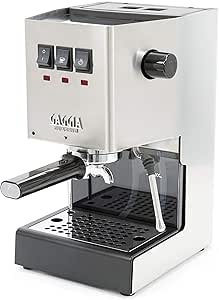 | Best Compact Manual Platform | Pressure: 9 bar | Capacity: 2.1 liters | Wattage: 1200 watts | VIEW ON AMAZON | See Our Full Breakdown |
| espresso machines prosumer | Wattage | Dimensions | Weight | Operation mode |
|---|---|---|---|---|
| Gaggia Classic E24 Espresso Ma | 1200 watts | 8" D x 9.5" W x 14.2" H | 20 pounds | — |
| Breville BES870XL Barista Expr | 1600 watts | 13.8" D x 12.5" W x 15.9" H | 22.1 pounds | Manual |
| Diletta Bello Espresso Machine | 1500 watts | 17.75" D x 11" W x 14.5" H | 50 pounds | — |
| Gaggia Classic Evo Pro Espress | 1200 watts | 8" D x 9.5" W x 14.2" H | 20 pounds | Semi-automatic |
| Breville BES880BSS Barista Tou | 1680 watts | 12.7" D x 15.5" W x 16" H | 21.8 pounds | Fully automatic |
| Breville BES878BSS Barista Pro | 1680 watts | 13"D x 14"W x 16"H | 19.5 pounds | Manual |
| Rocket Espresso Appartamento T | 1350 watts | 17.6"D x 10.7"W x 14"H | 48.5 pounds | Semi-automatic |
| Gaggia RI9380/46 Classic Evo P | 1200 watts | 8"D x 9.5"W x 14.2"H | 20 pounds | Semi-automatic |
More Details on Our Top Picks
Gaggia Classic E24 Espresso Machine, Thunder Black
The Gaggia Classic E24 suits a buyer ready to learn espresso without stepping up to a larger heat-exchanger machine. Its 58mm portafilter matches a common prosumer format, giving you room to build puck-prep skills and use a broad range of compatible accessories. Compared with the Breville Barista Express, it skips the built-in grinder and temperature-control feature listed for that model, so you will need a separate grinder and more attention to your workflow. In return, the Gaggia keeps the controls more direct and its footprint narrower than the Diletta Bello’s. The tradeoff is a manual learning curve: expect to dial in your grind and manage milk steaming yourself, rather than relying on a guided interface or one-touch operation.
Pros:- Commercial-style 58mm portafilter supports a familiar prosumer workflow
- 9-bar brewing pressure and steam wand cover espresso and milk drinks
- Stainless steel housing with brass components
- Listed heat-up time is under 10 minutes
Cons:- No built-in grinder, so the full setup requires another piece of equipment
- Manual operation calls for practice with grinding, dosing, and steaming
- At 20 pounds, it is substantial for a machine of its size
Best for: New home baristas who already own or plan to buy a grinder and want a compact machine with a prosumer-style 58mm portafilter.
Not ideal for: Buyers seeking an all-in-one setup, automatic drink controls, or a machine that can brew and steam simultaneously.
- Pressure:9 bar
- Portafilter:58mm
- Water capacity:2.1 liters
- Wattage:1200 watts
- Voltage:120V
- Dimensions:8″ D x 9.5″ W x 14.2″ H
- Weight:20 pounds
- Color:Thunder Black
Our verdict“Choose the Classic E24 if you want a 58mm manual starting point and are willing to pair it with a separate grinder.”
Breville BES870XL Barista Express Espresso Machine, Brushed Stainless Steel
The Breville Barista Express earns its place by combining a grinder and espresso machine in one counter-ready setup. That makes it a more practical starting point than the grinder-free Gaggia Classic E24 for buyers assembling their first prosumer-style station. Its built-in conical burr grinder shortens the path from whole beans to a shot, while digital temperature control helps keep brewing more consistent. The 54mm portafilter is smaller than the Gaggia’s 58mm format, a meaningful difference for buyers who want to invest in widely shared prosumer accessories. The Express still leaves room for hands-on dialing and milk texturing, but its water tank and bean hopper are better suited to individual drinks than frequent rounds for a group. I’d choose it for convenience, not maximum capacity or a fully manual machine-building experience.
Pros:- Built-in conical burr grinder simplifies the setup and keeps grinding close to brewing
- Digital temperature control supports more consistent extraction
- Steam wand can texture milk for cappuccinos and lattes
- Includes a 54mm portafilter, baskets, tamper, milk jug, and cleaning tools
Cons:- 54mm portafilter is smaller than the 58mm format on the Gaggia Classic E24
- The integrated grinder limits flexibility compared with choosing a separate grinder
- The 67-ounce tank and half-pound hopper may need frequent refilling for multiple users
Best for: Home espresso newcomers who want an integrated grinder, temperature control, and room to learn manual shot-making without buying separate core equipment.
Not ideal for: Baristas prioritizing a 58mm portafilter, larger-volume service, or a grinder they can upgrade independently.
- Operation mode:Manual
- Portafilter:54mm stainless steel
- Grinder:Built-in conical burr grinder
- Bean hopper:1/2 pound
- Water tank:67 ounces
- Wattage:1600 watts
- Dimensions:13.8″ D x 12.5″ W x 15.9″ H
- Weight:22.1 pounds
Our verdict“Pick the Barista Express if you want an integrated grinder and guided convenience while retaining hands-on control over espresso.”
Diletta Bello Espresso Machine – Black
The Diletta Bello is the lineup’s clearest step toward a traditional prosumer workflow: its heat-exchanger boiler lets you brew espresso and steam milk at the same time, which is useful when making a cappuccino or preparing several drinks in succession. That capability separates it from the single-boiler Gaggia Classic E24, where brewing and steaming require a more sequential routine. The Bello also offers a 3-liter capacity and manual controls for buyers who want to shape their technique rather than follow touchscreen prompts like those on the Breville Barista Touch. Those advantages come with real demands: at 50 pounds and nearly 18 inches deep, it needs a sturdy, generous counter space, and it does not include a grinder in the supplied details. Its hands-on operation rewards practice but is a steeper entry point.
Pros:- Heat-exchanger boiler supports brewing and steaming at the same time
- 3-liter capacity suits repeated drink preparation
- Stainless-steel case, frame, and boiler
- Manual controls give the operator direct control over the workflow
Cons:- 50-pound weight and 17.75-inch depth demand substantial counter space
- Manual operation has a steeper learning curve than the Barista Touch
- No grinder is listed, so a separate grinder is needed
Best for: Experienced home baristas who regularly make milk drinks and want simultaneous brewing and steaming in a manual machine.
Not ideal for: Small-kitchen owners, beginners seeking guided controls, or buyers who need an included grinder and an easy-to-move machine.
- Boiler type:Heat exchanger
- Water capacity:3 liters
- Wattage:1500 watts
- Voltage:120 volts
- Power requirement:15A
- Dimensions:17.75″ D x 11″ W x 14.5″ H
- Weight:50 pounds
- Construction:Stainless-steel case, frame, and boiler
Our verdict“Choose the Bello if simultaneous brewing and steaming matter more than a compact footprint or guided operation.”
Gaggia Classic Evo Pro Espresso Machine, Industrial Grey
The Gaggia Classic Evo Pro keeps the straightforward, 58mm-format appeal of the Classic E24 but adds ground-coffee and ESE pod compatibility. That flexibility makes it the better fit for a household where one person wants to weigh and tamp fresh grounds while another prefers a simpler pod routine. Like the E24, it has a 9-bar pump, steam wand, and 2.1-liter capacity; it is not a major capacity upgrade or a more automated machine. Against the Breville Barista Express, the Evo Pro leaves grinder choice to you rather than bundling one into the machine, so it can suit buyers who already have a grinder but asks more of anyone starting from scratch. Its commercial components and manual controls favor participation, not push-button convenience.
Pros:- Accepts ground coffee and ESE pods
- 9-bar pump and commercial components support a hands-on espresso workflow
- Steam wand provides milk frothing capability
- 58mm portafilter format is shared with the Classic E24
Cons:- No built-in grinder is listed, unlike the Barista Express
- Manual operation requires familiarity with espresso preparation
- No automatic drink features are listed
Best for: Households with mixed brewing habits that want a manual espresso machine able to use both ground coffee and ESE pods.
Not ideal for: Buyers who want an included grinder, one-touch drinks, or a low-effort route to consistent espresso.
- Operation mode:Semi-automatic
- Coffee input:Ground coffee and pods
- Pressure:9 bar
- Water capacity:2.1 liters
- Wattage:1200 watts
- Voltage:120V
- Dimensions:8″ D x 9.5″ W x 14.2″ H
- Weight:20 pounds
Our verdict“Pick the Evo Pro if pod flexibility matters alongside manual espresso, and you are comfortable sourcing a grinder separately.”
Breville BES880BSS Barista Touch Espresso Machine, Brushed Stainless Steel
The Breville Barista Touch is the most guided option here, pairing a touchscreen interface with a built-in grinder and customizable drink settings. That makes it easier to repeat familiar drinks than on the manual Gaggia Classic E24, where more of the process rests on the operator. ThermoJet heating is listed for quick warm-up, and the machine’s milk-texturing feature helps bring espresso and milk drinks into one workflow. Compared with the Barista Express, the Touch emphasizes screen-led operation and customization rather than a simpler manual interface; buyers who want to control each step themselves may prefer the Express or a Gaggia. It is still not a hands-off appliance in every respect: the integrated grinder needs adjustment, and its 15.5-inch width takes more counter space than either Gaggia Classic model.
Pros:- Touchscreen interface provides guided operation and customizable settings
- Built-in grinder keeps grinding and brewing in one setup
- ThermoJet technology is listed for quick heat-up
- Milk-texturing feature supports espresso-based milk drinks
Cons:- 15.5-inch width requires more counter space than the Gaggia Classic models
- Integrated grinder offers less freedom to choose or upgrade a separate grinder
- Touchscreen features add complexity for buyers who prefer simple manual controls
Best for: Busy home users who want an integrated grinder, touchscreen drink guidance, and customizable espresso and milk-drink settings.
Not ideal for: Traditionalists who want direct manual control, buyers with narrow counters, or shoppers seeking a machine with a separate grinder.
- Operation mode:Fully automatic
- Interface:Touchscreen
- Bean hopper capacity:4.2 pounds as listed
- Water tank:67 ounces
- Wattage:1680 watts
- Voltage:120V
- Dimensions:12.7″ D x 15.5″ W x 16″ H
- Weight:21.8 pounds
- Warranty:2 years
Our verdict“Choose the Barista Touch if guided, customizable drinks matter more to you than a traditional manual workflow.”
Breville BES878BSS Barista Pro Espresso Machine, Brushed Stainless Steel
The Barista Pro is the easiest fit for buyers who want grinder, espresso machine, and milk-steaming capability in one footprint. Its built-in conical burr grinder and ThermoJet fast heat-up make it more convenient for daily drinks than the separate-grinder workflow of the Rocket Espresso Appartamento TCA. The LCD adds clear brewing guidance, while the manual wand leaves room to practice milk texture and latte art rather than relying on fully automatic frothing.
That convenience comes with a ceiling: the integrated grinder limits upgrade flexibility, and the machine offers less of the traditional, heavy-duty platform feel of the Rocket. Its 19.5-pound body is also substantial, and newcomers will need time to dial in grind and extraction. I’d choose it for a capable, streamlined home setup, not for buyers seeking a highly modular machine.
Pros:- Built-in precision conical burr grinder keeps fresh grinding within the same workflow.
- ThermoJet system reduces waiting before brewing.
- LCD interface makes shot progress and adjustments easier to follow.
- Manual microfoam wand supports latte art and hands-on milk practice.
Cons:- Integrated grinder limits flexibility compared with a separate grinder and machine.
- Dialing in espresso and steaming milk takes practice for beginners.
- Its 19.5-pound weight and advanced feature set may be more machine than casual users need.
Best for: Home baristas who want a built-in grinder, quick startup, and manual milk control without assembling a separate grinder-and-machine setup.
Not ideal for: Buyers who want to upgrade grinder and espresso machine independently, or who prefer a simpler, low-learning-curve workflow.
- Water tank capacity:67 oz
- Bean hopper capacity:1/2 lb
- Built-in grinder:Precision conical burr
- Heating system:ThermoJet
- Wattage:1680 watts
- Operation mode:Manual
- Dimensions:13″D x 14″W x 16″H
- Weight:19.5 pounds
- Material:Stainless steel
Our verdict“Choose the Barista Pro if you want a fast, capable all-in-one prosumer setup and accept less upgrade flexibility than a separate-grinder machine.”
Rocket Espresso Appartamento TCA Espresso Machine, Black (Copper)
The Appartamento TCA suits buyers who want a traditional semi-automatic machine with substantial components and hands-on control. Its E61 group head and 1.8L heat exchanger boiler support brewing and steaming at the same time, a practical advantage when making milk drinks back-to-back. Four brew temperature settings add a degree of adjustment that the simpler Gaggia Classic Evo Pro does not offer in its listed features.
This is a different proposition from the all-in-one Breville Barista Pro: the Rocket leaves grinding to a separate grinder, adding both setup cost and counter space, but gives experienced users a more conventional machine platform. Its 48.5-pound weight and technical workflow make it a poor match for cramped kitchens or casual espresso drinkers. I’d rank it for serious home users who value simultaneous brewing and steaming over convenience.
Pros:- Heat exchanger boiler allows brewing and steaming at the same time.
- Four brew temperature settings provide adjustment for different beans.
- E61 group head and stainless steel construction deliver a traditional prosumer platform.
- Included portafilters, brew basket, tamper, and group brush cover core setup needs.
Cons:- Requires a separate grinder, unlike the integrated Breville Barista Pro.
- At 48.5 pounds, it is difficult to move and takes planning in a small kitchen.
- Its technical controls and workflow may be excessive for occasional espresso drinkers.
Best for: Experienced home baristas who already own or plan to buy a capable grinder and want simultaneous brewing and steaming with adjustable brew temperatures.
Not ideal for: Casual users and small-kitchen owners who need a lighter, integrated setup or do not want to learn a more hands-on workflow.
- Boiler type:Heat exchanger
- Boiler capacity:1.8 L
- Group head:E61
- Brew temperature settings:4
- Water capacity:2.5 liters
- Wattage:1350 watts
- Operation mode:Semi-automatic
- Dimensions:17.6″D x 10.7″W x 14″H
- Weight:48.5 pounds
Our verdict“Pick the Appartamento TCA if you want a traditional, temperature-adjustable machine with simultaneous brewing and steaming, and have room for a separate grinder.”
Gaggia RI9380/46 Classic Evo Pro Espresso Machine
The Gaggia Classic Evo Pro is the compact, hands-on choice in this group. At 9.5 inches wide, it takes up less counter width than the Breville Barista Pro and the Rocket Appartamento TCA, though its 20-pound weight still makes it a substantial appliance rather than a lightweight travel option. The 9-bar pressure system, semi-automatic operation, and professional steam wand give home baristas direct control over brewing and milk texture.
Unlike the Barista Pro, this Gaggia has no built-in grinder, so a separate grinder is part of the real setup. Its multiple filter baskets and pod compatibility offer more input flexibility, but scale prevention and routine care matter. Compared with the Rocket, it gives up simultaneous brewing and steaming and four temperature settings, trading those features for a narrower footprint and a less elaborate machine platform. It makes the most sense for buyers who want to learn espresso without giving up a capable wand.
Pros:- Narrow 9.5-inch width fits counters with less room than the Rocket Appartamento TCA needs.
- 9-bar pressure system and semi-automatic controls support hands-on espresso preparation.
- Professional steam wand enables milk texturing and latte art.
- Multiple filter baskets and pod compatibility allow different brewing inputs.
Cons:- No built-in grinder, unlike the Breville Barista Pro, so a separate grinder is needed for whole beans.
- Cannot brew and steam simultaneously like the Rocket Appartamento TCA.
- Regular scale maintenance is needed to protect performance.
Best for: Space-conscious home baristas who want a semi-automatic machine with a professional steam wand and are willing to pair it with a separate grinder.
Not ideal for: People who want an all-in-one grinder setup, simultaneous brewing and steaming, or minimal maintenance around water scale.
- Pressure:9 bar
- Capacity:2.1 liters
- Wattage:1200 watts
- Operation mode:Semi-automatic
- Coffee input type:Ground coffee and pods
- Dimensions:8″D x 9.5″W x 14.2″H
- Weight:20 pounds
- Materials:Brass, plastic, and stainless steel
- Included components:Water reservoir, portafilter, baskets, tamper, and scoop
Our verdict“Choose the Gaggia Classic Evo Pro if you want a relatively narrow, manual machine for learning espresso and can supply a separate grinder.”

How We Picked
I judged these machines through the priorities that shape a prosumer home setup: control over brewing, ease of learning, milk-drink workflow, grinder arrangement, expected upkeep, and how well each machine fits a buyer’s level of involvement. I gave weight to the difference between an integrated grinder and a separate-grinder setup, since that choice affects counter space, upgrades, and daily workflow as much as it affects the machine itself. I also looked at whether interface features simplify routine use or leave more room for manual adjustment.
The ranking favors broad usefulness, not the longest feature list or the most traditional appearance. The Barista Pro leads for balancing an integrated setup with a more engaged workflow; the Gaggia Classic E24 ranks as a simpler manual entry point, and the Barista Express and Touch follow for buyers who favor all-in-one convenience or guided operation. The Diletta and Rocket options appeal to a more dedicated machine-first setup, while the Classic Evo Pro listings are best judged against the exact version and seller details. No machine is a universal winner: a buyer who values direct control may prefer a different pick from someone who wants an easier daily routine.
| espresso machines prosumer | Operation mode |
|---|---|
| Gaggia Classic E24 Espresso Ma | — |
| Breville BES870XL Barista Expr | Manual |
| Diletta Bello Espresso Machine | — |
| Gaggia Classic Evo Pro Espress | Semi-automatic |
| Breville BES880BSS Barista Tou | Fully automatic |
| Breville BES878BSS Barista Pro | Manual |
| Rocket Espresso Appartamento T | Semi-automatic |
| Gaggia RI9380/46 Classic Evo P | Semi-automatic |
Factors to Consider When Choosing Espresso Machines Prosumer
Before choosing among prosumer machines, I would start with the routine you want rather than the label on the box. These models vary in how much they automate, how much equipment they bundle together, and how much attention they ask from the person making coffee. The following decisions can help you avoid paying for features that do not fit your habits—or overlooking the gear and maintenance a more hands-on setup needs.
Choose Between an Integrated and Separate Grinder
An integrated grinder keeps the setup compact and puts grinding and brewing in one place, which can make the first steps feel more manageable. It also means that grinder upgrades are tied to a more modular purchase plan: if your grinding needs change, the built-in unit cannot be swapped as freely as a standalone grinder. A separate grinder adds another appliance and more counter planning, but lets you choose and replace components independently. A common mistake is to spend the whole equipment budget on the machine and treat the grinder as an afterthought; espresso depends heavily on consistent, adjustable grinding. If you already own a capable espresso grinder, a machine without one may be the more sensible fit. If you are starting from scratch, compare the space and workflow cost of buying two separate pieces with the convenience of an all-in-one model.
Match the Control Level to Your Interest
Manual controls can help you learn how grind setting, dose, and extraction affect the cup, but they also make each adjustment your responsibility. Guided interfaces can shorten the learning curve and make repeated drinks more straightforward, especially when several people share the machine. They do not remove the need to understand coffee freshness, grind changes, and basic cleaning. Buyers sometimes mistake a more automated screen for a machine that will compensate for stale beans or an unsuitable grind. Think about whether you want espresso-making to be a hobby or a quick part of the morning. If you want to experiment, prioritize access to meaningful adjustments; if you want fewer decisions, favor a clear, repeatable workflow.
Plan for Milk Drinks and Back-to-Back Brewing
If you mostly drink straight espresso, the steam system may matter less than shot preparation and the machine’s footprint. Regular cappuccino or latte drinkers should pay attention to how milk steaming fits into the sequence of making drinks, and whether the workflow feels comfortable for one cup or several in a row. Product descriptions do not always make the difference between occasional milk use and a busy household routine clear. Consider how many drinks you make at once, whether users want different milk textures, and how much time you are willing to spend switching between brewing and steaming. A machine that fits a solo routine can feel limiting when several people want drinks together. Leave room for a milk pitcher and cleaning supplies, not just the machine itself.
Budget for the Whole Coffee Station
The machine is only one part of an espresso setup. A grinder, tamper, scale, knock box, pitcher, and water treatment may all affect how consistently and comfortably you can brew. Bundled accessories can reduce the number of separate purchases, but the contents and quality of those accessories should be checked rather than assumed. A frequent buying mistake is to compare machine features without accounting for the extra equipment a separate-grinder setup needs. Decide which tools you already own and reserve space and budget for anything needed to complete the routine. Paying more for an integrated machine may be worthwhile if it avoids a complicated first setup, while a modular route can suit someone who already has compatible gear.
Check Maintenance and Water Requirements
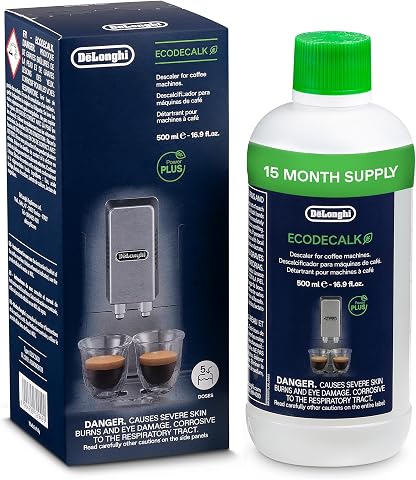
Regular cleaning is part of owning any espresso machine, and the exact routine depends on the design and how often it is used. Before buying, check the manufacturer’s guidance for descaling, cleaning the brew path, caring for the steam wand, and managing water hardness. Using unsuitable water can contribute to scale buildup, while putting off routine cleaning can affect flavor and machine operation. Buyers often focus on the initial setup and underestimate the repeated work after milk drinks or frequent brewing. Consider whether you prefer a machine with reminders or a more hands-on routine you track yourself. Choose a water plan that matches your local supply and the machine’s instructions rather than assuming filtered water always solves every issue.
Measure Your Counter and Your Tolerance for Learning
Measure the available space, including the room needed to fill the water tank, handle the portafilter, and move a milk pitcher around the machine. A compact body can still be awkward if cabinets limit access or the grinder needs clearance. Also think about sound, heat, and how visible you want the equipment to be in a shared kitchen. A traditional, separate-grinder station may suit a dedicated coffee corner but ask more of a small counter than a bundled appliance. New espresso makers should expect some trial and adjustment, regardless of interface. If you want a low-friction start, choose a workflow you can repeat; if you enjoy dialing in, allow space for tools and changes as your routine develops.
Frequently Asked Questions
Should I choose the Barista Express, Barista Pro, or Barista Touch?
I would choose among these by workflow rather than by model name alone. The Barista Express is the straightforward all-in-one option, while the Barista Pro is the stronger fit for someone who wants an integrated grinder but a more hands-on routine. The Barista Touch is better suited to buyers who value guided controls and a more approachable interface. None of them removes the need to adjust the grind as beans change. If learning the process matters most, favor the model that gives you comfortable access to the steps you want to control.
Are the Gaggia Classic E24 and Classic Evo Pro models interchangeable?
I would not assume they are interchangeable based only on the Classic name. The roundup includes a Classic E24 and two Classic Evo Pro listings, so check the exact model identifier, finish, included parts, and manufacturer documentation for the listing you are considering. A seller’s product title may not spell out every version difference. Confirm compatibility for accessories or replacement parts before purchase, especially if you already own equipment for another Gaggia model. If the details remain unclear, choose a listing with explicit version information rather than relying on a similar-looking product photo.
Do I need a separate grinder if I buy one of the Breville Barista machines?
No, the Breville Barista models listed here include integrated grinders, so they can form a complete starting setup without a separate grinder purchase. That convenience can save counter space and simplify the morning routine. A standalone grinder may make more sense if you already own one, want to choose grinding equipment independently, or expect to upgrade that part of the setup later. An integrated grinder still needs correct adjustment for the beans and shot you are making. Treat it as a convenience, not as a promise of automatic consistency.
Is a traditional machine such as the Rocket Appartamento TCA a good first prosumer machine?
It can suit a first-time buyer who is specifically interested in a traditional machine and is willing to learn a more hands-on routine. I would not pick it simply because it looks more like café equipment: the broader setup may involve a separate grinder and added counter planning. Buyers seeking guided steps or an integrated grinder may find a Breville model easier to start with. Compare the complete station you will need, not just the espresso machine. Choose the Rocket when the machine-first setup is part of the appeal, rather than expecting it to reduce effort.
What should I verify before ordering one of the similarly named Gaggia models?
Check the full model number, version, finish, included accessories, warranty terms, and the seller’s return conditions. The two Classic Evo Pro listings in this roundup have different product identifiers, so a shared family name is not enough to confirm that every listing has identical contents or specifications. Look up manufacturer information for the exact identifier and compare it with the listing details. If you plan to buy accessories, confirm compatibility for that exact version first. This small check can prevent confusion about parts and expectations after delivery.
Conclusion
For the best overall fit, I recommend the Breville Barista Pro: it pairs an integrated grinder with a workflow that leaves room to learn. For value and a simpler manual entry point, choose the Gaggia Classic E24, provided you are prepared to plan for a grinder and the other pieces of a full setup. For beginners who want guided operation, the Barista Touch is the clearest match, while the Barista Express suits those who prefer an all-in-one routine with a more direct feel. For a premium, traditional setup, consider the Rocket Appartamento TCA; the Diletta Bello is another machine-first option for buyers drawn to that style. If compact all-in-one convenience matters most, compare the Breville machines against your counter and workflow; if you are focused on Gaggia, verify the precise Classic version before choosing. My final rule is simple: pick the machine that matches how much control, equipment, and daily effort you actually want.