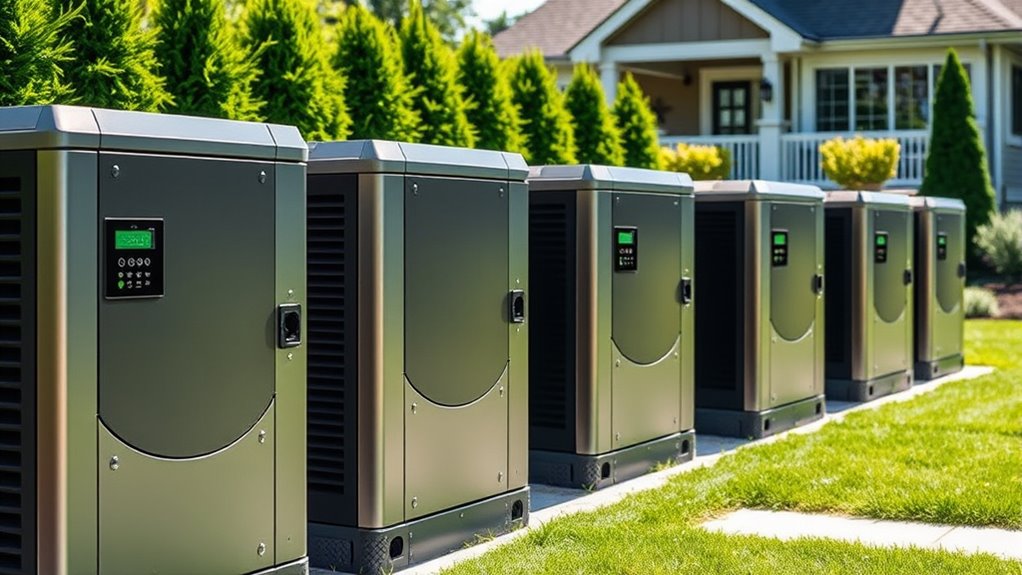

When choosing a standby generator for home backup, the options can feel overwhelming. The Honeywell 14kW generator stands out for its quiet operation and clean power, making it ideal for those prioritizing comfort and reliability. The Generac Guardian 26kW with Wi-Fi monitoring offers maximum capacity and remote management, perfect for larger homes needing full power. Meanwhile, the Generac Guardian 22kW strikes a balance with robust performance and smart features. Each has distinct strengths and tradeoffs, so understanding their differences helps ensure you pick the right backup system for your needs.
Play games included with Prime
Start a Prime free trial and play with Amazon Luna on your devices.
Start playingAs an affiliate, we earn on qualifying purchases.
Complete the kit


Key Takeaways
- The Honeywell 14kW excels in quiet operation and clean power, suited for smaller homes or noise-sensitive environments.
- The Generac Guardian 26kW provides the most power and remote monitoring, ideal for large households or those seeking maximum reliability.
- The Generac Guardian 22kW offers a middle ground with strong performance and Wi-Fi features, fitting for mid-sized homes.
- The Generac 18kW with cellular connectivity emphasizes automatic, remote-controlled backup, suitable for tech-savvy users in cold climates.
- Cost, installation complexity, and capacity are the main tradeoffs among these options.
| Honeywell 14kW Home Standby Generator |  | Best for Quiet, Clean Power & All-Weather Durability | Power Output: 14kW | Engine: Generac G-Force Engine | Technology: PrecisionPower | VIEW ON AMAZON | See Our Full Breakdown |
| Generac Guardian 26kW Home Generator, Transfer Switch & WiFi Monitoring |  | Best for Maximum Capacity & Remote Monitoring | Generator Power: 26,000 watts | Transfer Switch: 200 Amp | Warranty: 5-Year Limited | VIEW ON AMAZON | See Our Full Breakdown |
| Generac Guardian 22kW Home Generator, Transfer Switch & WiFi Monitoring |  | Best for Mid-Size Homes & Smart Connectivity | Power Output: 22,000 watts | Transfer Switch: 200 Amp NEMA 3R | Warranty: 5 Years | VIEW ON AMAZON | See Our Full Breakdown |
| Generac 18kW Whole Home Generator with Cellular Connectivity |  | Best for Automatic Backup & Cold Climate Resilience | Power Output: 18kW | Connectivity: Cellular | Fuel Efficiency: Electronic fuel & ignition control | VIEW ON AMAZON | See Our Full Breakdown |
| standby generators for home backup | Power Output | Engine | Transfer Switch | Warranty |
|---|---|---|---|---|
| Honeywell 14kW Home Standby Ge | 14kW | Generac G-Force Engine | — | — |
| Generac Guardian 26kW Home Gen | — | G-Force Engine | 200 Amp | 5-Year Limited |
| Generac Guardian 22kW Home Gen | 22,000 watts | G-Force Engine | 200 Amp NEMA 3R | 5 Years |
| Generac 18kW Whole Home Genera | 18kW | — | — | — |
More Details on Our Top Picks
Honeywell 14kW Home Standby Generator
The Honeywell 14kW generator stands out for producing clean power with minimal harmonic distortion, making it ideal for sensitive electronics. Its quiet operation is a major plus for homes where noise is a concern. Built with a durable all-aluminum enclosure finished with RhinoCoat, it’s designed to withstand harsh weather. The advanced Smart Controls and LCD monitor simplify maintenance and performance tracking. Compared with larger models, it offers less capacity but is more than enough for small to medium homes. The main tradeoff is its higher price due to the sophisticated features, which might not appeal to budget-conscious buyers.
Pros:- Produces clean, reliable power with low harmonic distortion
- Quiet operation with fuel-efficient self-test mode
- Durable all-weather aluminum enclosure
- User-friendly LCD control panel
Cons:- Higher cost compared to simpler models
- Limited capacity for larger homes
Best for: Homeowners prioritizing quiet, reliable, and clean power for smaller or noise-sensitive spaces.
Not ideal for: Large households requiring whole-house power or those on a strict budget.
- Power Output:14kW
- Engine:Generac G-Force Engine
- Technology:PrecisionPower
- Enclosure:All-Aluminum with RhinoCoat
- Self-Test Mode:Quiet-Test
Our verdict“An excellent choice for those seeking quiet, clean power in a compact, weather-resistant package.”
Generac Guardian 26kW Home Generator, Transfer Switch & WiFi Monitoring
This Generac 26kW model is tailored for larger homes or those who want full-house backup with minimal hassle. It includes a 200 Amp transfer switch and Wi-Fi connectivity for remote performance tracking. Its robust G-Force engine offers reliable, high-capacity power, ensuring your entire home remains functional during outages. The all-metal enclosure enhances durability, and the 5-year limited warranty provides peace of mind. Compared with smaller options, it comes at a higher upfront cost but offers unmatched capacity and remote management features. The main tradeoff is the need for professional installation, which adds to the overall expense and complexity.
Pros:- Remote Wi-Fi monitoring for convenience
- Whole house power with transfer switch
- Durable outdoor aluminum enclosure
- Engineered for reliability and efficiency
Cons:- Requires professional installation
- Higher initial investment
Best for: Large households or those requiring complete home coverage with remote system management.
Not ideal for: Homeowners with smaller budgets or those needing only partial backup power.
- Generator Power:26,000 watts
- Transfer Switch:200 Amp
- Warranty:5-Year Limited
- Engine:G-Force Engine
- Monitoring:Wi-Fi connectivity
Our verdict“Ideal for large homes or users seeking maximum power and remote system oversight, despite higher costs.”
Generac Guardian 22kW Home Generator, Transfer Switch & WiFi Monitoring
The 22kW version strikes a balance, offering robust power suitable for most full-home needs. It features a durable outdoor transfer switch and Wi-Fi monitoring, allowing remote oversight of generator status. Its engine delivers low harmonic distortion, ensuring clean power for sensitive devices. The 5-year warranty underscores its durability. Compared with the larger 26kW, it’s a more affordable option that still provides ample capacity for mid-sized homes, though it may still require professional installation. The main consideration is cost, which can be significant for some budgets. For those needing a reliable, remotely manageable backup, this model hits the sweet spot.
Pros:- Remote Wi-Fi monitoring for convenience
- Reliable power with low harmonic distortion
- Suitable for full-home backup
- 5-year warranty for peace of mind
Cons:- Installation requires a certified electrician
- Higher price point for mid-range capacity
Best for: Mid-sized homes seeking a balance of power, smart features, and value.
Not ideal for: Very large homes or users on a tight budget who need maximum capacity.
- Power Output:22,000 watts
- Transfer Switch:200 Amp NEMA 3R
- Warranty:5 Years
- Engine:G-Force Engine
- Monitoring:Wi-Fi connectivity
Our verdict“A smart, dependable choice for mid-sized homes with an eye on remote management and cost-efficiency.”
Generac 18kW Whole Home Generator with Cellular Connectivity
This 18kW generator is designed for automatic operation, making it a strong choice for users who want seamless, hands-free backup. Its cellular connectivity enables remote monitoring and control, ideal for those seeking flexibility without complicated setups. It’s especially suited for colder regions, with built-in cold start support to ensure reliable operation in low temperatures. The generator’s cost-effective fuel management and compatibility with energy management systems like ecobee or PWRcell expand its appeal for tech-savvy homeowners. However, the need for a Mobile Link subscription for full remote features makes ongoing costs a factor to consider. The setup can be complex, especially for those unfamiliar with home automation systems.
Pros:- Automatic backup during outages
- Remote monitoring via cellular connectivity
- Supports integration with home energy systems
- Cold start support for reliable operation in low temperatures
Cons:- Requires Mobile Link premium subscription
- Setup and integration can be complex
Best for: Homeowners in cold climates or those wanting automatic, remote-controlled backup with smart home integration.
Not ideal for: Budget-conscious buyers or those preferring simpler, manual backup solutions.
- Power Output:18kW
- Connectivity:Cellular
- Fuel Efficiency:Electronic fuel & ignition control
- Cold Start Support:Yes
- Compatibility:ecobee, PWRcell
Our verdict“A compelling choice for tech-savvy homeowners needing automatic, reliable backup with remote control and smart features, especially in colder regions.”
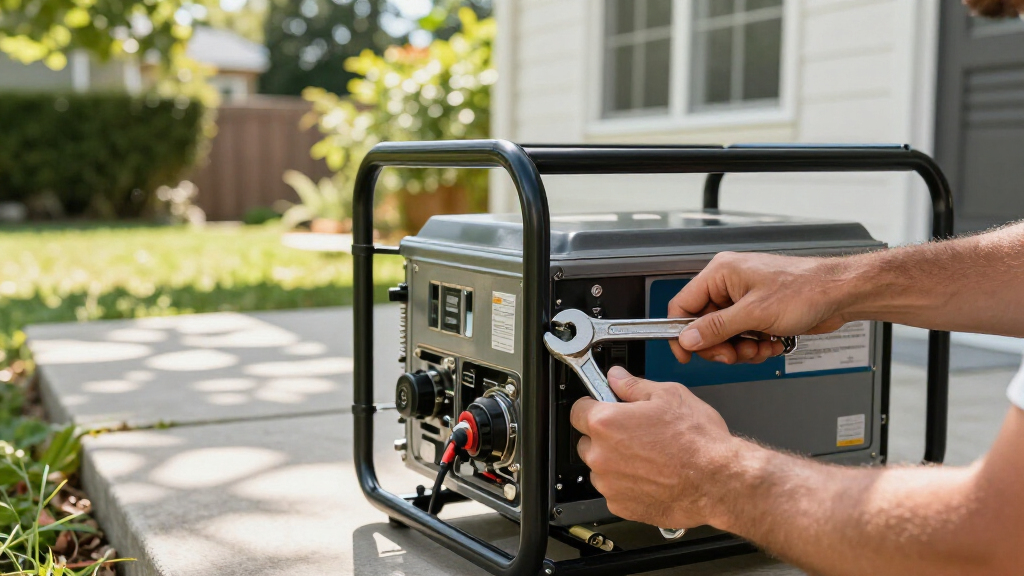
How We Picked
Our selection process focused on power capacity, reliability, ease of monitoring, and suitability for different-sized homes. We prioritized brands with proven durability, advanced features like Wi-Fi or cellular connectivity, and models that balance performance with value. Each generator was evaluated based on its technical specs, user reviews, and how well it meets the needs of typical homeowners seeking dependable backup power.
| standby generators for home backup | Engine |
|---|---|
| Honeywell 14kW Home Standby Ge | Generac G-Force Engine |
| Generac Guardian 26kW Home Gen | G-Force Engine |
| Generac Guardian 22kW Home Gen | G-Force Engine |
| Generac 18kW Whole Home Genera | — |
Factors to Consider When Choosing Standby Generators For Home Backup
Choosing a standby generator involves balancing power needs, budget, installation complexity, and desired features. Consider the size of your home, the critical appliances you want to keep running, and whether remote monitoring or automation is a priority. The capacity you choose should match your home’s total load to avoid over- or under-sizing. Features like Wi-Fi or cellular connectivity offer peace of mind, but may come with added costs and setup considerations. Understanding these factors helps you select a generator that offers reliable backup power tailored to your home’s specific demands.
Capacity & Power Needs
Assess your home’s essential loads—such as heating, refrigeration, lighting, and communication systems. For small to medium homes, a generator in the 14kW to 22kW range often suffices, providing enough power for essential circuits. Larger homes or those with high energy demands should consider models in the 26kW range, ensuring uninterrupted comfort during outages. Oversizing can lead to unnecessary costs, while undersizing risks inadequate backup performance.
Monitoring & Smart Features
Remote monitoring via Wi-Fi or cellular connectivity can significantly ease maintenance and troubleshooting, especially if you travel or live in a remote area. Wi-Fi-enabled models like the Generac Guardian 22kW or 26kW allow you to track performance and receive alerts directly. Cellular options, such as the Generac 18kW, provide even greater independence from local Wi-Fi networks but often require subscription plans. Consider your comfort with technology and ongoing costs when choosing these features.
Installation & Cost
Professional installation is nearly always required, especially for larger models with transfer switches. Expect costs to vary based on system size, location, and complexity. While larger generators demand a higher upfront investment, they also offer greater peace of mind for whole-house backup. Smaller units are simpler and cheaper to install but may not provide full coverage. Evaluate your budget against your backup needs to find the best fit.
Climate & Durability
If you live in a cold climate, look for models with cold start support and durable enclosures designed for harsh weather. The Generac 18kW with Cold Start Support is engineered specifically for such conditions. For milder climates, standard models like the Honeywell 14kW or Generac 22kW will generally perform well. Durability and weather resistance are key to ensuring long-term operation, especially in areas prone to storms or extreme temperatures.
Frequently Asked Questions
How does capacity affect my backup power?
The capacity of a generator directly impacts how much of your home it can power during an outage. A smaller unit like the Honeywell 14kW is suitable for essential circuits and smaller homes, but it won’t run your entire house. Larger units such as the Generac Guardian 26kW can support the whole household, including high-demand appliances. Choosing the right size involves calculating your critical loads and ensuring the generator can handle peak power demands without overloading.
Are remote monitoring features worth the extra cost?
Remote monitoring adds convenience by allowing you to track generator performance and receive alerts without manual checks. Wi-Fi or cellular connectivity can help prevent issues before they become major problems, especially when you’re away. However, these features often require ongoing subscriptions or setup complexity. If you value peace of mind and proactive maintenance, investing in remote monitoring makes sense; otherwise, simpler models without these features might be sufficient.
What’s the typical installation process like?
Installation of a standby generator generally involves a site assessment, electrical connections, and possibly a transfer switch setup. Most models, especially those over 14kW, require a licensed electrician to complete the work safely and in compliance with local codes. The process can take from a day to several days, depending on the complexity of your electrical system and site conditions. Budgeting for professional installation is important, as it’s a critical part of ensuring reliable and safe operation.
How long do standby generators last?
With proper maintenance, most standby generators can last 20 years or more. Regular oil changes, inspections, and testing help extend their lifespan. High-quality models like those from Generac or Honeywell are built with durable components designed for frequent use. Keep in mind that parts may need replacement over time, and some models may require more upkeep than others. Investing in a generator with a strong warranty and easy access to service can further protect your long-term investment.
Is a generator suitable for cold climates?
Many generators include features like cold start support or heated enclosures to ensure reliable operation in low temperatures. The Generac 18kW is specifically designed for cold climates, offering automatic start even in freezing conditions. If you live in an area with harsh winters, choosing a model with these features is essential to prevent startup failures during outages. Regular maintenance and proper installation also contribute to cold weather readiness.
Conclusion
For homeowners seeking maximum power and remote management, the Generac Guardian 26kW is the best fit, despite its higher price. Those who prioritize quiet operation and clean power should consider the Honeywell 14kW, especially if noise sensitivity is a concern. Mid-sized households or those wanting a balance of features and affordability will find the Generac Guardian 22kW to be a reliable, smart choice. Finally, residents in cold climates or who desire fully automatic backup with cellular control should look at the Generac 18kW with cellular connectivity. Each option caters to different needs, so understanding your home’s size, budget, and feature preferences helps ensure you choose the most suitable standby generator for 2026.
As an affiliate, we earn on qualifying purchases.NFL season / tailgating Picks
team gear