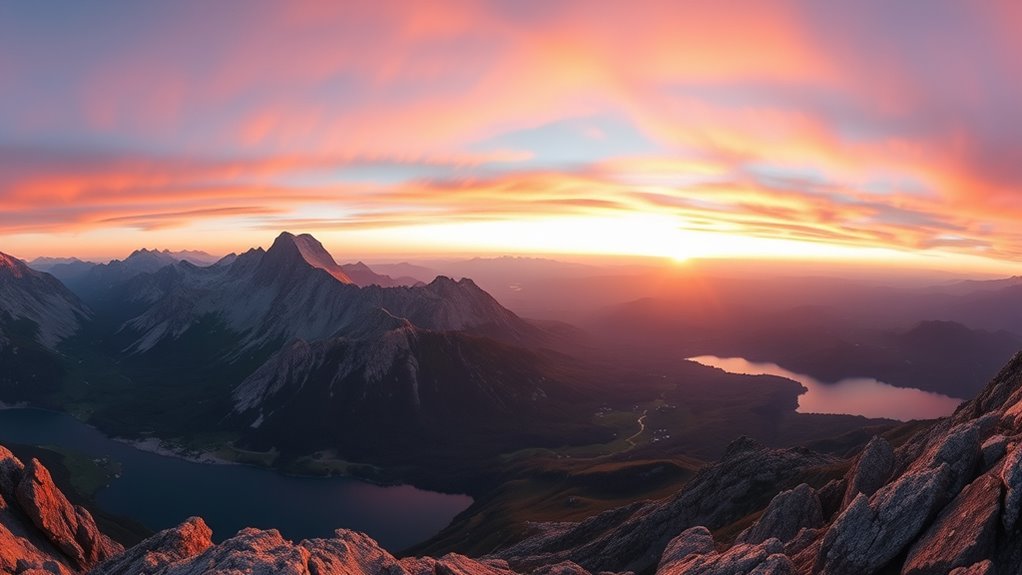

When choosing wide angle lenses for landscape pros, the key considerations are image quality, versatility, and build quality. The OM SYSTEM Olympus M.Zuiko Digital ED 8-25mm F4.0 PRO stands out as the best overall for its combination of sharpness and flexibility. The Canon RF 16mm F2.8 STM offers a compact, sharp prime option ideal for travel, while the Olympus M.Zuiko Digital ED 7-14mm f/2.8 PRO (Renewed) provides a brighter aperture for low-light landscapes. Readers should weigh tradeoffs like aperture size, weight, and price, as these impact usability and image results. Continue reading for a detailed breakdown of each lens and how they compare for landscape photography in 2026.

Get audio and creator gear delivered free with Prime
- Fast, free delivery on millions of items
- Prime Video, Amazon Music and more included
- Member-only deals all year
Complete the kit


Key Takeaways
- The top picks balance sharpness, distortion control, and build quality to meet professional landscape needs.
- Wide zoom ranges like 7-14mm or 8-25mm offer flexibility but often come with higher prices and larger sizes.
- Prime lenses such as the Canon RF 16mm F2.8 provide superior sharpness and compactness for travel-heavy workflows.
- Lens compatibility and sensor size are essential; Micro Four Thirds lenses are smaller but can introduce cropping effects.
- Price varies widely, with premium options delivering better optical performance but at a premium cost.
| OM SYSTEM Olympus Zuiko 7-14mm f/4.0 Aspherical Super ED Lens for Olympus Digital SLR Cameras |  | Best Overall for Durability and Image Quality | Focal Length: 7-14mm | Equivalent Focal Length: 14-28mm | Maximum Aperture: f/4.0 | VIEW ON AMAZON | See Our Full Breakdown |
| Xenvo Pro Lens Kit for iPhone and Android with LED Light and Travel Case | 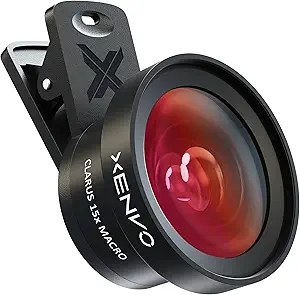 | Best Value for Versatile Smartphone Landscape Shooting | Compatibility: All smartphones, tablets, and laptops | Wide Angle Lens: 0.45x | Macro Lens: 15x | VIEW ON AMAZON | See Our Full Breakdown |
| 10-18mm F2.8 DC DN Lens for E Mount |  | Best for Versatile Wide-Angle Video and Travel | Focal Length: 10-18mm | Aperture: F2.8 | Compatibility: E Mount | VIEW ON AMAZON | See Our Full Breakdown |
| Canon RF 16mm F2.8 STM Lens, Ultra Wide-Angle Prime for EOS R Series |  | Best Compact Prime for Full-Frame Landscapes | Focal Length: 16mm | Maximum Aperture: f/2.8 | Minimum Aperture: f/16 | VIEW ON AMAZON | See Our Full Breakdown |
| OM SYSTEM Olympus M.Zuiko Digital ED 8-25mm F4.0 PRO Lens for Micro Four Thirds Camera |  | Best Premium Versatile Zoom for Micro Four Thirds | Focal Length: 8-25mm | Maximum Focal Length: 25mm | Minimum Focal Length: 8mm | VIEW ON AMAZON | See Our Full Breakdown |
| Olympus M.Zuiko Digital ED 7-14mm f/2.8 PRO Lens for Micro Four Thirds Cameras (Renewed) |  | Best Overall for Micro Four Thirds Landscape Pros | Focal Length: 7-14mm | Maximum Aperture: f/2.8 | Lens Mount: Micro Four Thirds | VIEW ON AMAZON | See Our Full Breakdown |
| Canon EF-S 10-18mm f/4.5-5.6 IS STM Lens |  | Best Budget-Friendly Ultra-Wide for Canon APS-C Cameras | Focal Length: 10-18mm | Maximum Aperture: f/4.5-5.6 | Lens Mount: Canon EF-S | VIEW ON AMAZON | See Our Full Breakdown |
| wide angle lenses for landscape pro | Focal Length | Maximum Aperture |
|---|---|---|
| OM SYSTEM Olympus Zuiko 7-14mm | 7-14mm | f/4.0 |
| Xenvo Pro Lens Kit for iPhone | — | — |
| 10-18mm F2.8 DC DN Lens for E | 10-18mm | — |
| Canon RF 16mm F2.8 STM Lens | 16mm | f/2.8 |
| OM SYSTEM Olympus M.Zuiko Digi | 8-25mm | — |
| Olympus M.Zuiko Digital ED 7-1 | 7-14mm | f/2.8 |
| Canon EF-S 10-18mm f/4.5-5.6 I | 10-18mm | f/4.5-5.6 |
More Details on Our Top Picks
OM SYSTEM Olympus Zuiko 7-14mm f/4.0 Aspherical Super ED Lens for Olympus Digital SLR Cameras
This lens stands out for its combination of wide-angle versatility and rugged build, making it ideal for landscape pros who often shoot outdoors. Its 7-14mm focal length provides a broad field of view, perfect for capturing sweeping vistas or architectural details. Compared with the Olympus M.Zuiko Digital ED 7-14mm f/2.8 PRO Lens, this model offers a more lightweight and affordable option, though it sacrifices some low-light performance due to its maximum aperture of f/4. The multiple ED elements help minimize aberrations, ensuring sharp images across the frame, but the manual focus clutch might slow down quick adjustments. Its splash and dustproof construction makes it more durable in challenging conditions, yet the manual focus may require practice for fast-paced shooting. With its compact size and weather sealing, this lens makes a compelling choice for landscape photographers who prioritize portability and ruggedness.
Pros:- Wide 7-14mm focal length ideal for expansive landscapes and architecture
- Splash and dustproof construction enhances durability outdoors
- Lightweight design reduces fatigue during extended shoots
- Multiple ED elements effectively minimize aberrations
Cons:- Manual focus clutch may require practice for quick adjustments
- Maximum aperture of f/4 limits low-light performance
Best for: Landscape photographers who need a durable, lightweight lens for outdoor adventures.
Not ideal for: Low-light shooters or those who prefer fast autofocus in dynamic environments.
- Focal Length:7-14mm
- Equivalent Focal Length:14-28mm
- Maximum Aperture:f/4.0
- Lens Elements:3 Super ED, 1 ED, 2 to diminish aberrations
- Closest Focusing Distance:7.5 cm
- Weight:Approximately 60% of full-frame lens weight
Our verdict“This lens suits landscape pros who prioritize ruggedness and sharpness over speed in variable conditions.”
Xenvo Pro Lens Kit for iPhone and Android with LED Light and Travel Case
This kit offers an accessible way for landscape enthusiasts to elevate their mobile photography, combining a wide-angle lens with macro capabilities and helpful accessories. Its 0.45x wide-angle lens broadens your smartphone’s field of view, making it easier to capture sweeping vistas without bulky gear, unlike larger dedicated lenses like the OM SYSTEM Olympus M.Zuiko Digital ED 8-25mm F4.0 PRO Lens. The included LED light and protective case add convenience for shooting in varied conditions, though the macro lens’s 15x magnification requires close proximity, which can be tricky in outdoor landscapes. While the build quality is solid thanks to aircraft-grade aluminum, the macro lens may fall short for distant details, and the LED light’s brightness might not suffice in very dark environments. Still, this kit provides a practical upgrade for mobile landscape shooters seeking portability and versatility.
Pros:- Compatible with virtually all smartphones, tablets, and laptops
- Includes useful accessories like LED light and carrying case
- High-quality optical lenses with durable construction
- Compact and easy to carry for outdoor adventures
Cons:- Macro lens requires close proximity, limiting landscape detail capture
- Not designed for zooming on distant objects
- LED light may not be bright enough in very dark settings
Best for: Amateur or casual landscape photographers using smartphones who want better wide-angle shots on the go.
Not ideal for: Serious professionals needing optical zoom or dedicated DSLR lenses for large-scale projects.
- Compatibility:All smartphones, tablets, and laptops
- Wide Angle Lens:0.45x
- Macro Lens:15x
- LED Light:Rechargeable with 3 brightness settings
- Materials:Aircraft-grade aluminum, optical glass
- Included Accessories:Lens clip, LED light, charging cable, lanyard, case, cleaning cloth
Our verdict“Perfect for mobile landscape shooters seeking an affordable, portable upgrade to their smartphone photography kit.”
10-18mm F2.8 DC DN Lens for E Mount
This ultra-wide-angle zoom lens offers a flexible focal range, combining a large F2.8 aperture with a compact design, making it ideal for landscape, travel, and video work on APS-C cameras. Its 10-18mm range provides a broader view than fixed focal length lenses like the Canon RF 16mm F2.8 STM Lens, with the added benefit of zooming for framing flexibility. However, it’s exclusive to APS-C sensors, which limits full-frame compatibility, and lacks image stabilization, potentially affecting handheld video stability. The fast aperture makes it suitable for low-light conditions, but the higher price point and absence of stabilization mean it’s better suited for users who value versatility and are willing to manage stability manually. This lens makes a strong case for content creators who need a broad, adaptable perspective without extra bulk.
Pros:- Compact and lightweight for travel and on-the-go shooting
- Large F2.8 aperture suitable for low-light scenes
- Wide zoom range offers framing flexibility
- Ideal for landscapes, travel, and video content
Cons:- Limited to APS-C sensor cameras, restricting full-frame use
- No image stabilization, requiring careful handling in video
- Higher price for a zoom lens in this category
Best for: Travel and landscape creators using APS-C cameras who want a versatile zoom with bright aperture.
Not ideal for: Full-frame shooters or those requiring optical stabilization for handheld video in low light.
- Focal Length:10-18mm
- Aperture:F2.8
- Compatibility:E Mount
- Type:Zoom lens
- Sensor Size:APS-C
Our verdict“This lens is well-suited for APS-C users seeking a versatile, fast wide-angle zoom for landscapes and travel videos.”
Canon RF 16mm F2.8 STM Lens, Ultra Wide-Angle Prime for EOS R Series
This prime lens offers an ultra-wide 16mm perspective with a bright F2.8 aperture, making it ideal for capturing expansive landscapes, interiors, and vlogs with a full-frame EOS R camera. Its fixed focal length emphasizes simplicity and optical quality, unlike zoom options such as the OM SYSTEM Olympus M.Zuiko Digital ED 8-25mm F4.0 PRO Lens. The compact design enhances portability, and the smooth autofocus makes it suitable for video, yet the fixed focal length limits framing flexibility. The absence of optical stabilization means handheld shots require steady handling or additional stabilization gear. While it excels in low-light and creative depth of field, this lens is better suited for photographers who prioritize image quality and portability over zoom versatility.
Pros:- Ultra-wide 16mm perspective ideal for landscapes and interiors
- Bright F2.8 aperture for low-light performance and depth effects
- Compact, lightweight design enhances portability
- Smooth autofocus suitable for video recording
Cons:- Fixed focal length limits composition options
- No optical stabilization, requiring steady handling
- Limited to Canon RF mount cameras
Best for: Full-frame landscape and interior shooters who want a lightweight, sharp prime lens.
Not ideal for: Photographers needing zoom flexibility or optical stabilization for handheld videography.
- Focal Length:16mm
- Maximum Aperture:f/2.8
- Minimum Aperture:f/16
- Lens Mount:Canon RF
- Focus Type:Auto Focus
- Filter Size:43mm
Our verdict“This lens is best for full-frame landscape and interior shooters valuing portability and sharpness over zoom range.”
OM SYSTEM Olympus M.Zuiko Digital ED 8-25mm F4.0 PRO Lens for Micro Four Thirds Camera
This lens provides a highly versatile 8-25mm zoom range with a constant F4 aperture, perfect for landscape, architecture, and travel photography with Micro Four Thirds cameras. Its weather-sealed construction and fluorine coating make it a reliable choice for outdoor shoots, comparable to the Olympus Zuiko 7-14mm f/4.0 but with zoom flexibility. While the zoom range covers from ultra-wide to standard, the F4 aperture is less ideal in very low-light conditions compared to faster lenses; however, its optical quality and weather sealing justify the higher price point. The autofocus is fast and precise, making it suitable for both stills and video. This lens appeals most to professionals or serious enthusiasts who need a durable, all-in-one wide zoom for demanding landscape shoots.
Pros:- Versatile 8-25mm zoom covers wide to standard perspectives
- Weather-sealed for outdoor use in challenging conditions
- Fluorine coating simplifies cleaning and maintenance
- Fast autofocus with manual clutch for control
Cons:- Higher price compared to standard zooms
- Maximum aperture of F4 may limit low-light performance
- No image stabilization included
Best for: Professionals and advanced amateurs using Micro Four Thirds cameras seeking a durable, flexible wide zoom.
Not ideal for: Entry-level users or those needing a faster lens for low-light conditions due to its F4 aperture.
- Focal Length:8-25mm
- Maximum Focal Length:25mm
- Minimum Focal Length:8mm
- Lens Design:Zoom
- Focus Type:Auto Focus
- Weather Sealed:Yes
Our verdict“This lens is ideal for landscape professionals who need a weather-resistant, flexible zoom with high optical quality in Micro Four Thirds systems.”
Olympus M.Zuiko Digital ED 7-14mm f/2.8 PRO Lens for Micro Four Thirds Cameras (Renewed)
This Olympus PRO lens stands out for its constant F2.8 aperture, which ensures superior low-light and depth-of-field control, especially valuable in challenging lighting conditions. Its ultra-wide 114° field of view makes it ideal for capturing expansive landscapes and architectural scenes. Compared to the Canon 10-18mm, it offers a brighter aperture and advanced aberration correction, but at a higher price point and with limited compatibility outside Micro Four Thirds systems. The lens’s lightweight, splash-proof design adds durability for outdoor shoots, though manual focus clutching can be less intuitive for quick adjustments. The lens’s advanced optical elements help minimize distortions, ensuring sharp, high-contrast images across the frame. If you shoot primarily on Micro Four Thirds cameras and need a reliable, high-performance wide-angle, this lens makes a compelling choice, despite its premium cost and system limitations.
Pros:- Constant F2.8 aperture delivers excellent low-light performance
- Ultra-wide 114° angle perfect for expansive landscapes and architecture
- Lightweight yet durable, splash and dustproof construction
- Advanced lens elements reduce aberrations for sharp images
Cons:- Premium price may be prohibitive for casual or hobbyist photographers
- Manual focus clutch can be less intuitive for quick adjustments
- Limited to Micro Four Thirds system, restricting compatibility
Best for: Landscape and architecture photographers using Micro Four Thirds cameras who prioritize image quality and durability.
Not ideal for: Canon DSLR users or those seeking a budget-friendly option, since this lens isn’t compatible with full-frame systems and carries a higher price tag.
- Focal Length:7-14mm
- Maximum Aperture:f/2.8
- Lens Mount:Micro Four Thirds
- Weight:Approximately 7.5 oz
- Water Resistance Level:Water Resistant
- Lens Coating:ZERO Coating
Our verdict“Ideal for dedicated Micro Four Thirds landscape pros who need top optical quality and rugged build, despite the higher cost and system constraints.”
Canon EF-S 10-18mm f/4.5-5.6 IS STM Lens
This Canon lens offers a versatile 10-18mm zoom range with optical image stabilization, making it well-suited for landscape shooters on a budget. The maximum aperture of f/4.5-5.6 limits its low-light capabilities compared to the Olympus PRO, but the lens compensates with its compact size and lightweight design, ideal for travel and casual outdoor photography. Compared to the Olympus 7-14mm, it provides a narrower aperture and less overall brightness but is more affordable and easier to carry around. Its autofocus system is smooth, making it a good choice for videographers, though its primary target is APS-C sensors, meaning full-frame users should skip it. The 84-degree field of view captures broad vistas, while the stabilization helps maintain sharpness in handheld shots. This lens makes the most sense for Canon users wanting an affordable, ultra-wide option for landscapes, especially when portability is a priority.
Pros:- Affordable price for an ultra-wide zoom lens
- Optical image stabilization aids in steady handheld shooting
- Compact and lightweight, ideal for travel
- Smooth autofocus suitable for video recording
Cons:- Limited maximum aperture reduces low-light and depth-of-field control
- Narrow zoom range may restrict framing flexibility compared to fixed prime lenses
- Designed primarily for APS-C sensors, not suitable for full-frame cameras
Best for: Canon APS-C camera owners seeking an affordable, lightweight ultra-wide lens for landscape and travel photography.
Not ideal for: Full-frame photographers or those needing superior low-light performance, as the aperture and sensor compatibility are limited.
- Focal Length:10-18mm
- Maximum Aperture:f/4.5-5.6
- Lens Mount:Canon EF-S
- Image Stabilization:Yes
- Field of View:84 degrees
- Weight:Approximately 7.4 oz
Our verdict“This lens is a smart pick for Canon APS-C landscape enthusiasts who need an affordable, portable ultra-wide, accepting some limitations in low-light conditions.”

How We Picked
These lenses were selected based on performance in landscape settings, build quality, usability in field conditions, and compatibility with popular camera systems. We prioritized optical clarity, distortion control, and aperture size, which directly affect image quality and flexibility. Value was also considered, ensuring options cater to different budgets without sacrificing essential landscape features. The ranking reflects a balance between professional-grade performance and practical considerations like size, weight, and price, helping landscape pros choose lenses that enhance their creative potential.| wide angle lenses for landscape pro | Maximum Aperture |
|---|---|
| OM SYSTEM Olympus Zuiko 7-14mm | f/4.0 |
| Xenvo Pro Lens Kit for iPhone | — |
| 10-18mm F2.8 DC DN Lens for E | — |
| Canon RF 16mm F2.8 STM Lens | f/2.8 |
| OM SYSTEM Olympus M.Zuiko Digi | — |
| Olympus M.Zuiko Digital ED 7-1 | f/2.8 |
| Canon EF-S 10-18mm f/4.5-5.6 I | f/4.5-5.6 |
Factors to Consider When Choosing Wide Angle Lenses For Landscape Pros
When selecting a wide angle lens for landscape photography, it’s important to consider several key factors that influence image quality, ease of use, and overall value. Beyond specs, understanding how these factors impact your workflow can save time and money, and help you avoid common pitfalls.Aperture Size and Light Gathering
A wider aperture (smaller f-number) allows more light into the camera, which is crucial for capturing landscapes in low-light conditions such as dawn, dusk, or overcast days. However, larger apertures often come with increased cost and size, and may introduce optical compromises like softness at the edges. For landscape pros, a balance is needed: an aperture of f/2.8 or smaller is ideal for versatility, but for daylight shooting, f/4 or f/5.6 may suffice while keeping the lens compact and affordable.
Optical Quality and Distortion
The main reason for choosing a high-quality wide angle lens is to minimize distortion and maximize sharpness across the frame. Cheaper lenses tend to introduce barrel distortion or chromatic aberration, especially at the edges, which can require post-processing. Look for lenses with good corrective elements and reviews that highlight their performance in real-world landscape shots, especially in high-contrast scenes where clarity is key.
Focal Length Range
Focal length determines how wide your photos will be and what compositional options are available. Ultra-wide lenses (below 14mm) are excellent for expansive vistas, but can sometimes distort the scene unnaturally. Zooms like 8-25mm provide flexibility to frame different landscape scenes without changing lenses, but often at a higher cost and size. Consider your typical shooting environment and whether a prime or zoom lens best fits your style and needs.
Size, Weight, and Handling
Landscape photography often requires hiking and carrying gear for hours. Lightweight, compact lenses reduce fatigue and increase mobility, but might sacrifice some optical performance. Larger, professional-grade lenses tend to offer better image quality but can be cumbersome. Finding a balance based on your travel and shooting style is essential—if you’re often on the move, prioritize smaller, lighter options; for studio or dedicated landscape trips, larger lenses may be justified.
Compatibility and Sensor Size
Lenses are designed for specific camera mounts and sensor sizes, affecting field of view and overall image quality. Micro Four Thirds lenses are smaller and lighter but have a crop factor that affects framing, making ultra-wide angles appear less expansive. Full-frame lenses deliver maximum wide-angle coverage but tend to be larger and more expensive. Confirming compatibility and understanding how sensor size influences your framing is vital for making an informed purchase.
Frequently Asked Questions
Should I choose a zoom or prime wide angle lens for landscape photography?
Choosing between zoom and prime lenses depends on your workflow and shooting style. Zoom lenses like the 8-25mm give flexibility to frame different scenes without changing lenses, which is useful for dynamic landscapes and quick shooting conditions. Prime lenses such as the Canon RF 16mm F2.8 offer superior sharpness and often have a smaller form factor, making them ideal for travel and minimalist setups. Both have their advantages, but for versatility, zooms tend to be more popular among landscape pros who need quick adaptability.
Is a wider aperture necessary for landscape photography?
While larger apertures like f/2.8 or wider are beneficial for low-light conditions or achieving a shallow depth of field, most landscape shots benefit from smaller apertures like f/8 or f/11 to maximize depth of field and sharpness across the scene. An ultra-wide lens with a wide aperture can be advantageous in dim conditions or for creative effects, but in bright daylight, stopping down is often preferable. Therefore, prioritizing a lens with a decent aperture range suitable for various lighting scenarios is wise.
How much should I spend on a wide angle lens for landscape work?
Pricing varies significantly based on optical quality, aperture, and build. Entry-level lenses can be found for under $300 but may introduce distortion or softness. Mid-range lenses around $500-$900 strike a good balance for most landscape photographers, offering better correction and durability. Premium lenses above $1000 deliver exceptional sharpness and build quality but are often reserved for professionals who require the best results. Your budget should reflect your intended use, frequency, and desired image quality.
Do I need a specialized lens for astrophotography landscapes?
While many wide angle lenses are suitable for astrophotography, lenses with wider apertures (f/2.8 or faster) and minimal coma are preferred to capture faint star fields and Milky Way shots. Lenses with good low-light performance can dramatically improve results, but they can also be more costly. If astrophotography is a priority, investing in a lens specifically praised for low-light and star-avoidant aberrations makes sense, otherwise a good general-purpose wide angle lens will suffice for daytime landscapes.
Should I consider weather sealing when buying a landscape wide angle lens?
Weather sealing can be a significant advantage for landscape photographers who shoot in challenging conditions such as rain, fog, or dust. A sealed lens reduces the risk of moisture and debris affecting your gear and can extend its lifespan. However, sealed lenses tend to be more expensive and sometimes bulkier. If you frequently shoot outdoors in unpredictable weather, investing in a weather-sealed model is a wise choice to protect your investment and ensure reliable performance.
Conclusion
For those seeking the best overall performance, the OM SYSTEM Olympus M.Zuiko Digital ED 8-25mm F4.0 PRO offers a versatile zoom with excellent optical quality. Budget-conscious landscape pros will appreciate the Canon EF-S 10-18mm f/4.5-5.6 IS STM for its affordability and decent performance. Travel-focused photographers should consider the Canon RF 16mm F2.8 STM for its compact size and sharpness, while professionals needing a brighter lens might opt for the Olympus M.Zuiko Digital ED 7-14mm f/2.8 PRO (Renewed). Ultimately, your choice depends on your specific needs, whether that’s maximum image quality, portability, or budget constraints. Each of these options caters to different landscape photography styles and priorities, helping you capture stunning vistas in 2026.
Halloween Picks
halloween
As an affiliate, we earn on qualifying purchases.