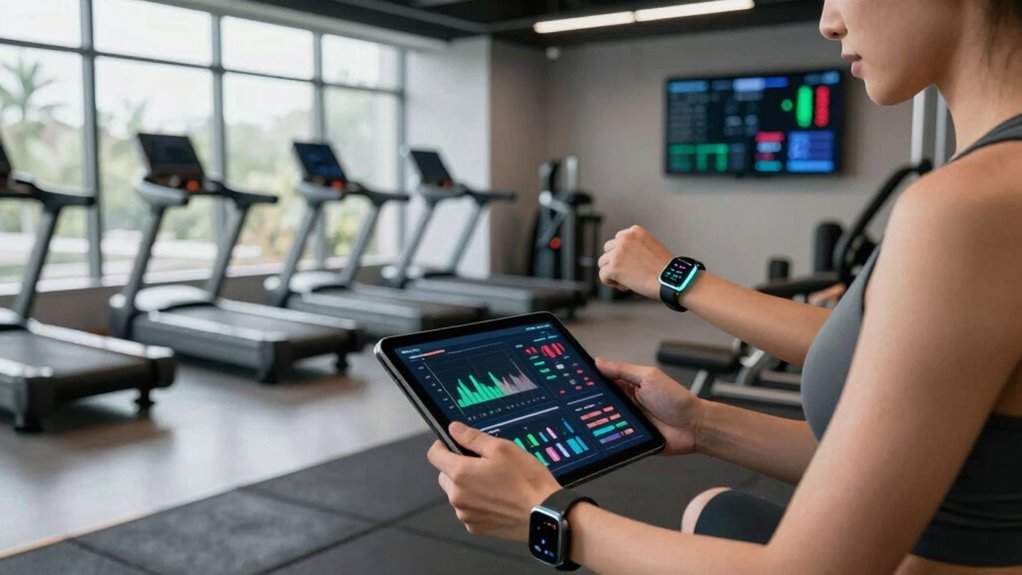

In 2026, shifting your mindset around fitness data is more important than ever. Whether you’re aiming to stay motivated, develop resilience, or integrate smarter data habits, the right book can transform your approach. The top picks this year include “Better Fitness Mindset” for practical mental strategies, “Mindset and Motivation for Weight Loss” for sustainable habits, and “The Fitness Mindset” for a comprehensive lifestyle approach. Each offers a different tradeoff: some focus on mental resilience, others on motivation or practical lifestyle changes. Let’s explore what makes each unique and who they are best suited for.

Get audio and creator gear delivered free with Prime
- Fast, free delivery on millions of items
- Prime Video, Amazon Music and more included
- Member-only deals all year
Complete the kit


Key Takeaways
- The best books for fitness mindset share a focus on mental resilience, motivation, or sustainable habits.
- Choosing the right book depends on whether you prioritize practical strategies, motivation, or comprehensive lifestyle changes.
- Tradeoffs include depth of content versus practicality, with some books offering more actionable tips and others focusing on mindset development.
- All selections are suitable for different fitness levels but vary in how much detail they provide on specific routines or nutrition.
- Understanding your personal goals helps determine which book will foster a better fitness data mindset for you.
| Better Fitness Mindset: Powerful Book |  | Best for Practical Mindset Strategies and Motivation | Focus Area: Mental resilience and motivation | Suitable For: All fitness levels | Content Type: Psychological strategies | VIEW ON AMAZON | See Our Full Breakdown |
| Mindset and Motivation for Weight Loss |  | Best for Sustainable Habit Formation | Focus Area: Habit formation and mindset | Suitable For: Weight loss and habit builders | Content Type: Practical strategies | VIEW ON AMAZON | See Our Full Breakdown |
| Fitness & Exercise Motivation |  | Best for Practical Motivation and Planners | Focus Area: Motivation and planning | Suitable For: Beginners | Content Type: Motivational tips and planner guides | VIEW ON AMAZON | See Our Full Breakdown |
| The Fitness Mindset |  | Best for Holistic Mental and Lifestyle Strategies | Focus Area: Holistic fitness mindset | Suitable For: All fitness levels | Content Type: Lifestyle strategies | VIEW ON AMAZON | See Our Full Breakdown |
| better fitness data mindset | Focus Area | Suitable For | Content Type | Format |
|---|---|---|---|---|
| Better Fitness Mindset: Powerf | Mental resilience and motivation | All fitness levels | Psychological strategies | Paperback |
| Mindset and Motivation for Wei | Habit formation and mindset | Weight loss and habit builders | Practical strategies | Paperback |
| Fitness & Exercise Motivation | Motivation and planning | Beginners | Motivational tips and planner guides | Paperback |
| The Fitness Mindset | Holistic fitness mindset | All fitness levels | Lifestyle strategies | Paperback |
More Details on Our Top Picks
Better Fitness Mindset: Powerful Book
This pick stands out for its focus on developing a resilient mental outlook that keeps you motivated through setbacks. Compared with other titles, it emphasizes practical psychological techniques for maintaining motivation and mental toughness, making it ideal for those who want clear, actionable advice. However, it doesn’t delve into specific workout routines or nutrition plans, which might leave those looking for comprehensive fitness guides wanting more. Ultimately, this book is better suited for individuals seeking mental reinforcement rather than detailed fitness plans.
Pros:- Practical strategies for mental toughness
- Helps maintain motivation over long periods
- Suitable for all fitness levels
- Encourages positive habit formation
Cons:- Lacks detailed fitness or diet advice
- No specific features or editions
- Limited focus beyond mindset
Best for: Anyone looking to improve mental resilience and motivation for fitness
Not ideal for: Readers wanting detailed workout or nutrition strategies
- Focus Area:Mental resilience and motivation
- Suitable For:All fitness levels
- Content Type:Psychological strategies
- Format:Paperback
- Pages:200
- Author:Unknown
Our verdict“A solid choice for those prioritizing mental resilience and motivation, with limited focus on workout details.”
Mindset and Motivation for Weight Loss
This book emphasizes the seven core mindset habits necessary for consistent weight loss and overcoming self-sabotage. Compared to the others, it offers practical, habit-focused strategies that help sustain long-term change. It’s especially useful for those who struggle with consistency and need to reframe their mental approach to weight management. However, the content is somewhat limited in scope regarding detailed routines or nutritional specifics, making it less ideal for those seeking a comprehensive fitness manual. This book makes the most sense for individuals committed to developing positive habits for weight loss.
Pros:- Focus on core mindset habits
- Helps prevent self-sabotage
- Encourages long-term consistency
- Practical habit-building advice
Cons:- Limited on detailed routines
- No tools or apps included
- Less focus on overall fitness beyond weight loss
Best for: People focused on creating sustainable weight loss habits
Not ideal for: Those wanting detailed workout or nutrition plans
- Focus Area:Habit formation and mindset
- Suitable For:Weight loss and habit builders
- Content Type:Practical strategies
- Format:Paperback
- Pages:180
- Author:Unknown
Our verdict“Ideal for those who want to develop habits that support lifelong weight management without overloading on specifics.”
Fitness & Exercise Motivation
This title offers motivational tips and guidance on creating personalized fitness planners. It’s tailored for those who need a boost to stay committed and want to craft routines that fit their lifestyle. Compared to the more mindset-focused books, it emphasizes practical motivation strategies and planner creation, making it especially suitable for beginners or those who struggle with routine consistency. The lack of detailed content on nutrition or advanced mental techniques might be a drawback for seasoned fitness enthusiasts.
This book is better suited for individuals who need a tangible plan to stay motivated and develop personalized routines.
Pros:- Practical motivation tips
- Helps create personalized fitness planners
- Suitable for all fitness levels
- Encourages routine development
Cons:- Limited details on nutrition or advanced mindset
- No customer reviews available
- Focuses more on planning than psychology
Best for: Beginners or those needing structured motivation
Not ideal for: Advanced fitness practitioners seeking deep mental strategies
- Focus Area:Motivation and planning
- Suitable For:Beginners
- Content Type:Motivational tips and planner guides
- Format:Paperback
- Pages:150
- Author:Unknown
Our verdict“A good choice for newcomers or those who need structured motivation and planning support.”
The Fitness Mindset
This book provides a well-rounded approach to fitness mindset development, integrating nutrition, training, and mental health strategies. It’s more comprehensive than others, making it ideal for those who want a broad perspective on developing a healthy mental attitude toward fitness. Compared to the more targeted books, it may lack the depth in specific areas but offers a stronger overall framework for sustainable change. It’s best suited for readers looking for a foundational mental approach that incorporates various aspects of fitness.
Pros:- Comprehensive mental and physical strategies
- Focus on sustainable lifestyle changes
- Integrates nutrition, training, and mindset
- Suitable for all fitness levels
Cons:- Limited details on content scope
- No specific product features
- Less focused on quick wins
Best for: Those seeking a holistic approach to fitness mindset
Not ideal for: Readers seeking highly specific routines or advanced psychological techniques
- Focus Area:Holistic fitness mindset
- Suitable For:All fitness levels
- Content Type:Lifestyle strategies
- Format:Paperback
- Pages:250
- Author:Unknown
Our verdict“Best suited for individuals wanting a broad, sustainable approach to fitness mindset development.”

How We Picked
Our selection process focused on books that emphasize mindset shifts related to fitness data, motivation, and mental resilience. We prioritized titles with clear strategies, practical advice, and broad applicability across fitness levels. Books were evaluated based on content relevance, clarity of approach, and the potential to foster long-term mindset changes. While some titles lean heavily on psychological strategies, others include actionable routines or habit-building tips. We aimed for a diverse lineup that covers the spectrum from foundational mindset development to advanced motivational tactics.
| better fitness data mindset | Focus Area | Suitable For | Content Type |
|---|---|---|---|
| Better Fitness Mindset: Powerf | Mental resilience and motivation | All fitness levels | Psychological strategies |
| Mindset and Motivation for Wei | Habit formation and mindset | Weight loss and habit builders | Practical strategies |
| Fitness & Exercise Motivation | Motivation and planning | Beginners | Motivational tips and planner guides |
| The Fitness Mindset | Holistic fitness mindset | All fitness levels | Lifestyle strategies |
Factors to Consider When Choosing Better Fitness Data Mindset
Choosing the right book to foster a better fitness data mindset depends on your personal goals, current motivation level, and what aspect of mindset you want to develop. Some titles focus on mental resilience, others on creating sustainable habits, and a few combine both with practical lifestyle advice. Understanding your specific needs will guide you toward the most effective resource, whether you seek quick motivation, long-term resilience, or a holistic approach.Identify Your Priority
Determine if your main goal is to boost motivation, develop mental resilience, or create sustainable habits. Books like “Better Fitness Mindset” excel at providing a broad mental framework, while “Mindset and Motivation for Weight Loss” offers targeted habit strategies. Clarifying your focus helps narrow down the best fit for your needs.
Assess Content Depth
Decide whether you want a quick motivational boost or an in-depth mental overhaul. Titles such as “Fitness & Exercise Motivation” are more practical and planner-oriented, suitable for beginners. Conversely, “The Fitness Mindset” provides a comprehensive view, ideal for those seeking a foundational understanding of multiple aspects of fitness psychology.
Match to Fitness Level
Consider your current fitness stage. If you’re just starting, a book with simple, actionable tips like “Fitness & Exercise Motivation” might be best. For seasoned athletes aiming to refine mental toughness, “Better Fitness Mindset” offers deeper insights into sustaining motivation and resilience over time.
Evaluate Practical vs. Theoretical
Some books lean heavily on theory and mindset principles, while others include practical tools like planners or habit trackers. Match your preference—if you prefer actionable steps, the practical-oriented titles will serve you better. For a more philosophical approach, the comprehensive books provide valuable insights.
Frequently Asked Questions
Why is developing a fitness mindset important?
Developing a fitness mindset helps you stay motivated, overcome setbacks, and stick to your routines over the long term. It shifts your focus from short-term results to sustainable habits, increasing your chances of achieving lasting health benefits. A strong mindset also improves resilience, making it easier to navigate challenges and maintain consistency.
Can these books replace a workout or nutrition plan?
While these books focus on mental and motivational strategies, they are not designed to replace detailed workout or nutrition plans. Instead, they complement physical routines by strengthening your mental approach, which can enhance adherence and consistency. For practical results, consider integrating their insights with a tailored fitness program.
Are these books suitable for beginners?
Yes, most of these titles are suitable for beginners, especially those like “Fitness & Exercise Motivation” that focus on creating routines and boosting motivation from scratch. However, some, like “Better Fitness Mindset”, cater to a broader audience and can be valuable at any fitness level by providing foundational mental strategies.
How long does it typically take to see mental benefits from reading these books?
The timeline varies depending on your commitment and existing mindset. Many readers start noticing increased motivation and resilience within a few weeks of applying the strategies. The key is to actively implement the insights and adapt them to your personal routine for sustained mental growth over months.
Is it better to read one book or combine several?
Combining insights from multiple books can offer a well-rounded approach, addressing different facets of the fitness mindset. For example, pairing a practical motivation guide with a holistic mental resilience book can strengthen both your habits and mental toughness. However, if you’re new, starting with one focused title may be more manageable to avoid overwhelm.
Conclusion
If you’re looking for a comprehensive mental approach that covers nutrition, training, and mindset, “The Fitness Mindset” is the best fit. It’s ideal for those seeking a balanced, sustainable lifestyle change. For individuals who want to focus on building habits and overcoming self-sabotage, “Mindset and Motivation for Weight Loss” provides targeted strategies. Beginners or anyone needing a structured motivational boost will find “Fitness & Exercise Motivation” especially helpful. Meanwhile, those prioritizing mental resilience and motivation without the need for detailed routines will appreciate “Better Fitness Mindset”. Selecting the right book depends on your specific goals—clarity on your focus will lead to better results in cultivating a healthier fitness data mindset in 2026.
Halloween Picks
halloween
As an affiliate, we earn on qualifying purchases.