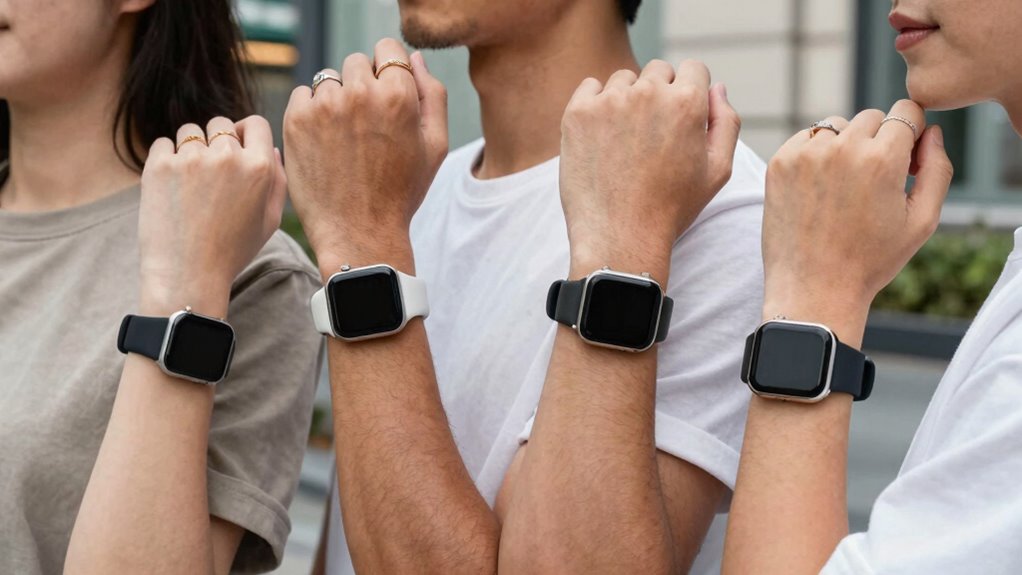

Choosing the right wearable in 2026 involves balancing features, usability, and your specific goals—whether tracking health, enhancing productivity, or blending fashion with function. The Best Overall pick offers versatile features suitable for most users, while options like the Best for Fitness focus on health metrics and activity tracking. Other standout devices excel in areas like accessibility for beginners or premium craftsmanship for tech enthusiasts. The main tradeoffs often come down to price versus feature set, simplicity versus customization, and device compatibility. Keep reading for a detailed breakdown that helps you identify which wearable aligns best with your lifestyle and needs.

Get audio and creator gear delivered free with Prime
- Fast, free delivery on millions of items
- Prime Video, Amazon Music and more included
- Member-only deals all year
Complete the kit


Key Takeaways
- Versatility and ease of use distinguish top wearables from niche devices focused solely on fitness or health.
- Device compatibility with smartphones and ecosystems remains a major factor influencing user experience.
- Advanced health monitoring features are increasingly standard, but their accuracy varies across models.
- Pricing spans from affordable entry-level options to premium devices, with tradeoffs in features and build quality.
- User-specific needs—such as beginner accessibility or data-driven athletes—are the main drivers of the best choice.
| Your Essential Guide To Wearables 2.0: Discover The Buzz And Intrigue Of Smart Glasses, Watches, Health & Fitness Devices, Clothes And Jewelry |  | Best for Industry Insights and Trend Awareness | Coverage: Trends in smart glasses, watches, clothing, jewelry | Focus: Industry insights and innovations | Intended Audience: Tech professionals and enthusiasts | VIEW ON AMAZON | See Our Full Breakdown |
| The Wearable Technology Handbook |  | Best for Holistic Industry and Application Understanding | Content Focus: Applications, development, future trends | Audience: Students and industry professionals | Level of Detail: Broad overview, no specific specs | VIEW ON AMAZON | See Our Full Breakdown |
| AI Wearables for Beginners: Smart Rings, AI Glasses, Health Trackers & Everyday AI Gadgets Explained |  | Best for Beginners and AI Wearable Novices | Audience: Beginners, seniors | Content Focus: Device selection, responsible use | Technical Detail: Basic explanations, no specs | VIEW ON AMAZON | See Our Full Breakdown |
| Wearable Technology: From Basics to Advanced Applications |  | Best for Technical Deep Dive and Professional Use | Depth: From basics to advanced applications | Audience: Students and professionals | Specs Included: Concepts, applications, trends | VIEW ON AMAZON | See Our Full Breakdown |
| AI Wearables Made Simple for Seniors and Beginners |  | Best for Easy-to-Understand Guidance for Novices | Audience: Seniors, beginners | Content Focus: Setup, simple explanations | Technical Detail: Minimal, user-friendly | VIEW ON AMAZON | See Our Full Breakdown |
| How Smartwatches Work: A Deep Dive into Wearable Technology, Advanced Health Monitoring, AI Integration, and the Future of Personal Connectivity |  | Best for Tech Enthusiasts and Industry Followers | Content Focus: Wearable technology, health monitoring, AI, future trends | Format: Informational book | VIEW ON AMAZON | See Our Full Breakdown | |
| The Complete Guide to AI-Powered Smart Rings in 2026: Enhance Your Health and Fitness Journey with the Latest in Wearable Tech |  | Best for Advanced Wearable Tech Enthusiasts and Tech-Savvy Fitness Fans | Focus: AI smart rings, health, fitness | Type: Guidebook | VIEW ON AMAZON | See Our Full Breakdown | |
| Smart Watch Fitness Tracker with Heart Rate, Blood Oxygen, Blood Pressure, Sleep Monitoring, 115 Sports Modes, Waterproof, Compatible with Android & iPhone | 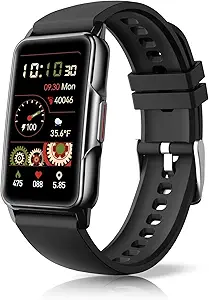 | Best for Active Users Who Prioritize Comprehensive Health Monitoring | Health Monitoring: Heart rate, blood oxygen, blood pressure, sleep | Sports Modes: 115 | Display: 1.47-inch HD full touch screen | VIEW ON AMAZON | See Our Full Breakdown |
| The Ultimate Fitness Wearables Guide: A Step-by-Step Handbook to Using Smartwatches and Fitness Trackers for Better Health, Stronger Habits, and Real Results |  | Best for Beginners and Those Looking to Maximize Wearable Use | Content Focus: Guidance on fitness wearables, health habits | Format: Step-by-step handbook | VIEW ON AMAZON | See Our Full Breakdown | |
| Sleep Smarter with Wearables: A Data-Driven Guide to Rest, Recovery, and Performance (Health Matters Book 66) |  | Best for Sleep and Recovery Optimization | Focus: Sleep, recovery, performance | Approach: Data-driven insights | VIEW ON AMAZON | See Our Full Breakdown |
| choosing the right wearable | Content Focus |
|---|---|
| Your Essential Guide To Wearab | — |
| The Wearable Technology Handbo | Applications, development, future trends |
| AI Wearables for Beginners: Sm | Device selection, responsible use |
| Wearable Technology: From Basi | — |
| AI Wearables Made Simple for S | Setup, simple explanations |
| How Smartwatches Work: A Deep | Wearable technology, health monitoring, AI, future trends |
| The Complete Guide to AI-Power | — |
| Smart Watch Fitness Tracker wi | — |
| The Ultimate Fitness Wearables | Guidance on fitness wearables, health habits |
| Sleep Smarter with Wearables: | — |
More Details on Our Top Picks
Your Essential Guide To Wearables 2.0: Discover The Buzz And Intrigue Of Smart Glasses, Watches, Health & Fitness Devices, Clothes And Jewelry
This book stands out for providing a comprehensive overview of the wearable tech landscape, including smart glasses, watches, and jewelry. Unlike technical guides like Wearable Technology: From Basics to Advanced Applications, it focuses on industry trends and innovations, making it ideal for those wanting a broad understanding rather than technical details. However, its lack of specific product specifications limits its usefulness for buyers seeking precise device comparisons. This resource is perfect for tech enthusiasts and professionals who want to stay updated on the evolving wearable scene, but less so for consumers needing concrete product advice or specifications.
Pros:- Provides an extensive overview of emerging wearable trends
- Includes insights into future innovations in the industry
- Suitable for professionals and enthusiasts wanting industry context
Cons:- Lacks detailed product specifications and technical data
- No practical guidance on selecting individual devices
Best for: Tech enthusiasts and industry professionals seeking a broad overview of wearable trends
Not ideal for: Consumers looking for specific device recommendations or technical specifications
- Coverage:Trends in smart glasses, watches, clothing, jewelry
- Focus:Industry insights and innovations
- Intended Audience:Tech professionals and enthusiasts
Our verdict“This book is ideal for readers wanting a high-level understanding of wearable tech trends rather than device-specific guidance.”
The Wearable Technology Handbook
This handbook offers an extensive overview of wearable devices, their applications, and future trends, making it a solid resource for understanding the broader industry landscape. Compared with Your Essential Guide To Wearables 2.0, it covers more applications and development pathways, but it doesn’t delve into specific products or specifications. It’s well-suited for students, researchers, and industry newcomers aiming for a comprehensive grasp of wearables’ impact and potential, although those seeking quick device comparisons or technical details should look elsewhere.
Pros:- Covers a wide range of wearable applications and development trends
- Includes insights into future industry directions
- Useful for educational and professional growth
Cons:- Lacks detailed product specifications or technical data
- Does not assist in comparing specific device features
Best for: Students, researchers, and professionals seeking a broad understanding of wearable technology’s development and applications
Not ideal for: Consumers who want specific device recommendations or technical specs for purchasing decisions
- Content Focus:Applications, development, future trends
- Audience:Students and industry professionals
- Level of Detail:Broad overview, no specific specs
Our verdict“This book is perfect for those wanting an in-depth industry overview rather than details on individual devices.”
AI Wearables for Beginners: Smart Rings, AI Glasses, Health Trackers & Everyday AI Gadgets Explained
This guide excels at helping newcomers understand the landscape of AI wearables, including smart rings and glasses, with practical advice on choosing and using these devices responsibly. Unlike The Wearable Technology Handbook, which is more industry-focused, this book simplifies complex concepts and emphasizes user confidence. However, its lack of detailed technical specifications or pricing details means it’s less suited for buyers who want to compare specific models or understand costs upfront. It’s an excellent starting point for beginners and seniors unfamiliar with wearable tech, but less helpful for experienced users needing in-depth specs.
Pros:- Simplifies complex AI wearable concepts for beginners
- Provides helpful tips on device selection and responsible data use
- Specifically tailored for seniors and first-time users
Cons:- Does not include detailed technical specs or pricing info
- Limited depth makes it less useful for experienced tech users
Best for: Seniors and beginners seeking straightforward guidance on selecting and using AI wearables
Not ideal for: Advanced users or buyers requiring detailed technical specifications and comparisons
- Audience:Beginners, seniors
- Content Focus:Device selection, responsible use
- Technical Detail:Basic explanations, no specs
Our verdict“This book is ideal for newcomers and seniors wanting clear, simple guidance on AI wearables without technical overload.”
Wearable Technology: From Basics to Advanced Applications
This book offers a thorough exploration of wearable tech, from fundamental concepts to advanced applications, making it suitable for students and professionals. Compared with The Wearable Technology Handbook, it provides deeper technical insights and covers more complex uses, but it still does not include specific device specifications or user-focused comparisons. It’s best for those with a technical background or seeking a detailed understanding of how wearable tech functions and evolves, though casual buyers or consumers seeking quick recommendations might find it too dense or lacking practical device info.
Pros:- Provides an in-depth technical overview of wearable tech
- Covers advanced applications and emerging trends
- Suitable for academic and professional audiences
Cons:- No detailed specifications of individual products
- Heavy focus on theory over practical buying guidance
Best for: Students, researchers, and professionals interested in the technical and advanced applications of wearables
Not ideal for: Casual consumers or buyers looking for quick device comparisons and specifications
- Depth:From basics to advanced applications
- Audience:Students and professionals
- Specs Included:Concepts, applications, trends
Our verdict“This book is best suited for those seeking a detailed technical understanding rather than straightforward purchase advice.”
AI Wearables Made Simple for Seniors and Beginners
This guide excels at breaking down AI wearables into simple terms, specifically targeting seniors and those new to wearable tech. Compared with the more industry-focused Wearable Technology Handbook, it focuses on practical setup and daily use, making it highly accessible. Its main limitation is the absence of detailed technical specifications or product comparisons, which might be a drawback for buyers wanting to evaluate specific devices. Nonetheless, this pick makes the most sense for users who prioritize ease of understanding and straightforward guidance over technical depth or comprehensive specs.
Pros:- Simplifies complex concepts for non-technical users
- Provides step-by-step guidance for setup and use
- Ideal for seniors unfamiliar with technology
Cons:- Lacks detailed technical specifications
- Limited information beyond beginner guidance
Best for: Seniors and beginners seeking easy, confidence-building advice on wearable devices
Not ideal for: Experienced users or buyers wanting detailed specs and device comparisons
- Audience:Seniors, beginners
- Content Focus:Setup, simple explanations
- Technical Detail:Minimal, user-friendly
Our verdict“This guide is perfect for seniors and beginners who need straightforward, non-technical advice on AI wearables.”
How Smartwatches Work: A Deep Dive into Wearable Technology, Advanced Health Monitoring, AI Integration, and the Future of Personal Connectivity
This book stands out for its comprehensive exploration of how smartwatches operate, including details on health monitoring and AI features. Compared with practical wearables, it offers an in-depth understanding of technological innovations but lacks any physical device to test or evaluate. This makes it ideal for readers who want to grasp the broader landscape of wearable tech rather than practical everyday use. It’s less suitable for someone seeking a ready-to-wear device or immediate health tracking tools. The book’s strength lies in its detailed analysis of smart tech trends, but it doesn’t provide hands-on advice or product recommendations, which limits its utility for direct purchase decisions.
Pros:- Deep technical insights into smartwatch technology
- Strong analysis of health and AI integration
- Ideal for understanding future wearable trends
Cons:- No physical product or specifications provided
- Lacks practical guidance or user experience details
Best for: Tech-savvy readers interested in the inner workings and future trends of wearable devices.
Not ideal for: Casual users looking for a ready-to-wear device or immediate health monitoring solutions.
- Content Focus:Wearable technology, health monitoring, AI, future trends
- Format:Informational book
Our verdict“Best suited for those who want to understand the technology behind wearables rather than using one immediately.”
The Complete Guide to AI-Powered Smart Rings in 2026: Enhance Your Health and Fitness Journey with the Latest in Wearable Tech
This guide offers detailed insights into the emerging world of AI-driven smart rings, emphasizing health and fitness features. Unlike the fitness-focused Smart Watch Fitness Tracker, which provides a comprehensive set of health metrics on a larger device, this guide zooms into a smaller, discreet form factor. While it excels at explaining how these rings can enhance wellness routines, it doesn’t include specific product reviews or user experiences, making it less helpful for those seeking immediate purchase advice. The focus on future tech makes it perfect for enthusiasts eager to explore the cutting edge but less ideal for casual users seeking straightforward, tested devices.
Pros:- In-depth coverage of AI-driven smart rings
- Focus on health and fitness applications
- Covers the latest trends in wearable tech
Cons:- No specific product details or user reviews
- May be too technical for casual readers
Best for: Tech enthusiasts and early adopters interested in the latest wearable innovations for health and fitness.
Not ideal for: Casual users or beginners who prefer straightforward, proven wearable devices with clear user reviews.
- Focus:AI smart rings, health, fitness
- Type:Guidebook
Our verdict“Ideal for those eager to learn about the future of wearable health tech through smart rings rather than immediate device purchase.”
Smart Watch Fitness Tracker with Heart Rate, Blood Oxygen, Blood Pressure, Sleep Monitoring, 115 Sports Modes, Waterproof, Compatible with Android & iPhone
This fitness tracker provides a broad suite of health metrics, surpassing basic models with features like blood pressure and blood oxygen monitoring, similar in scope to more advanced wearables but at a more accessible price point. Compared with The Ultimate Fitness Wearables Guide, which offers guidance without specific device details, this tracker makes it easier to integrate health data into daily routines. Its 115 sports modes cater well to athletes and fitness enthusiasts, but the small display may be limiting for some users, and reliance on smartphone connectivity can be inconvenient if the device isn’t nearby. Its long battery life and waterproof design make it a reliable daily companion for active lifestyles.
Pros:- Extensive health metrics including blood pressure and oxygen levels
- Long-lasting battery life up to 12 days
- Waterproof design suitable for swimming
- Over 115 sports modes for diverse activities
Cons:- Requires smartphone connection for full features
- Display may be small for some users
Best for: Active individuals seeking a versatile, highly functional fitness tracker with long battery life.
Not ideal for: Users who prefer larger screens or standalone devices without needing a smartphone for full functionality.
- Health Monitoring:Heart rate, blood oxygen, blood pressure, sleep
- Sports Modes:115
- Display:1.47-inch HD full touch screen
- Waterproof:IP68
- Battery Life:6-7 days heavy use, up to 12 days daily use
- Compatibility:Android 4.4+/iOS 8.4+
Our verdict“A solid choice for active users who want detailed health data in a durable, long-lasting wearable.”
The Ultimate Fitness Wearables Guide: A Step-by-Step Handbook to Using Smartwatches and Fitness Trackers for Better Health, Stronger Habits, and Real Results
This book excels at guiding newcomers and those seeking to make meaningful health changes through wearables, offering clear, step-by-step instructions. While it doesn’t feature specific device data like the Smart Watch Fitness Tracker, its strength lies in helping users understand how to leverage their devices for better results. It’s less suitable for those who want immediate device recommendations or technical specs, but perfect for readers who want to turn data into actionable health improvements. This makes it especially useful for beginners or anyone needing structured guidance to develop healthier habits with their wearables.
Pros:- Provides detailed, easy-to-follow guidance
- Helps establish healthier habits
- Focus on practical results and behavior change
Cons:- No specific device features or technical specs
- Limited for users who want device reviews or advanced insights
Best for: Beginners or users looking for detailed guidance on making the most of their fitness wearables.
Not ideal for: Advanced users or those seeking specific device comparisons and technical details.
- Content Focus:Guidance on fitness wearables, health habits
- Format:Step-by-step handbook
Our verdict“Perfect for beginners who want practical advice on using wearables to improve health and build habits.”
Sleep Smarter with Wearables: A Data-Driven Guide to Rest, Recovery, and Performance (Health Matters Book 66)
This book emphasizes how wearable devices can enhance sleep quality and recovery through detailed data analysis. Unlike the Smart Watch Fitness Tracker, which provides real-time health metrics, this guide focuses on interpreting sleep data and applying insights to improve overall wellness. It’s perfect for those already using or considering wearables primarily for sleep tracking, but it offers no specific device recommendations or reviews. The data-driven approach helps users understand their health better, but it’s less useful for someone seeking immediate device options or technical specs for purchase.
Pros:- Focuses on improving sleep and recovery through data
- Practical advice on leveraging wearable insights
- Helps understand health metrics for better performance
Cons:- No detailed product reviews or specs
- Content centers on book guidance, not device comparison
Best for: Individuals who want to optimize sleep and recovery using wearable health data.
Not ideal for: People looking for specific device recommendations or quick start guides for fitness tracking.
- Focus:Sleep, recovery, performance
- Approach:Data-driven insights
Our verdict“Ideal for those who want to harness wearable data to improve sleep and recovery rather than choosing a device.”
How We Picked
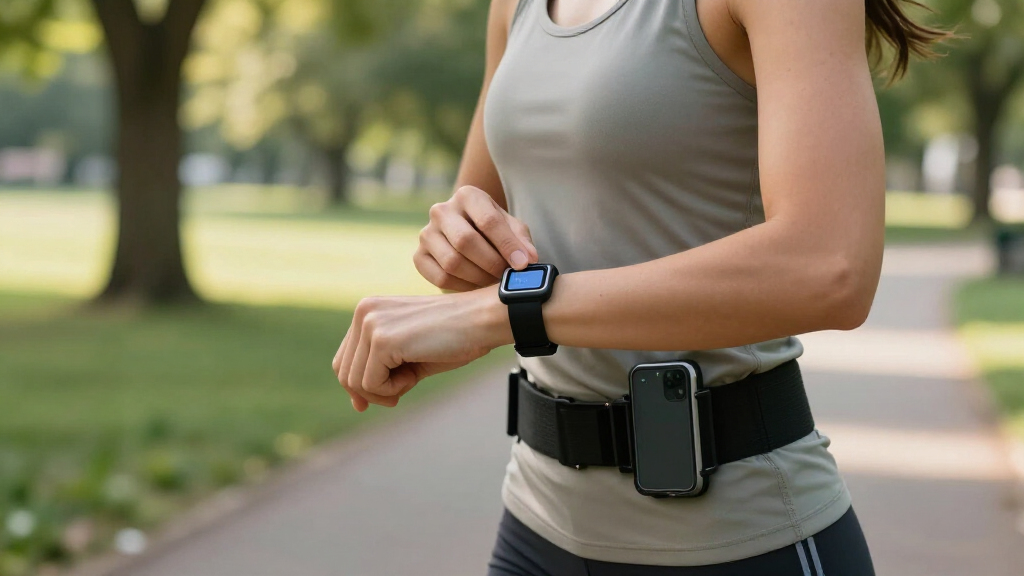
Our evaluation process focused on key factors that matter most to buyers: performance, usability, durability, value, and versatility. We examined each device’s core features like health tracking accuracy, battery life, and compatibility, while also considering build quality and ease of setup. To ensure relevance, we prioritized devices suitable for a broad range of users—from beginners to advanced tech enthusiasts—and included options at various price points. The ranking reflects a balanced view of how well each wearable performs in real-world scenarios, its longevity, and overall value for different user needs.| choosing the right wearable | Content Focus |
|---|---|
| Your Essential Guide To Wearab | — |
| The Wearable Technology Handbo | Applications, development, future trends |
| AI Wearables for Beginners: Sm | Device selection, responsible use |
| Wearable Technology: From Basi | — |
| AI Wearables Made Simple for S | Setup, simple explanations |
| How Smartwatches Work: A Deep | Wearable technology, health monitoring, AI, future trends |
| The Complete Guide to AI-Power | — |
| Smart Watch Fitness Tracker wi | — |
| The Ultimate Fitness Wearables | Guidance on fitness wearables, health habits |
| Sleep Smarter with Wearables: | — |
Factors to Consider When Choosing Choosing The Right Wearable
Choosing the right wearable depends on understanding several core factors that influence daily use and long-term satisfaction. The best device for you should match your lifestyle, budget, and priorities—whether that’s fitness tracking, health insights, or seamless connectivity. Avoid falling for features you won’t use, and consider how the device integrates with your existing tech ecosystem. Keep in mind that more expensive options often offer better build quality and advanced features but may not be necessary for casual users. The following sections highlight key considerations to guide your decision-making process.Performance and Accuracy
Accurate health and fitness data are vital for meaningful insights. Some devices excel at tracking heart rate, blood oxygen, and sleep patterns with high precision, which is crucial for serious athletes or health-conscious users. Cheaper wearables may sacrifice accuracy, leading to misleading results. When choosing, consider user reviews and independent testing results for reliability. Remember, the most expensive device isn’t always the most accurate—balancing cost with proven performance makes for a smarter purchase.
Ease of Use and Setup
A wearable should seamlessly integrate into your daily routine. Devices with intuitive interfaces, simple pairing processes, and clear instructions save time and frustration. Beginners benefit from straightforward apps and minimal setup steps, while advanced users might appreciate customizable options. Beware of overly complicated menus or poor app support, which can diminish the device’s usefulness. Prioritize devices that offer quick onboarding and accessible customer support.
Battery Life and Charging
Long battery life reduces the hassle of frequent charging and ensures the device remains functional during busy days or travel. Some models last multiple days on a single charge, while others require daily top-ups. Consider your typical usage—if you track sleep or workouts extensively, a device with extended battery life becomes more valuable. Conversely, fast-charging features can compensate for shorter durations but may add to cost. Evaluate your lifestyle to pick a device that fits your charging habits.
Design and Comfort
A wearable must feel comfortable enough to wear all day without irritation. Styles vary from sleek smartwatches to minimalistic rings or discreet clips. If you prioritize fashion or plan to wear the device casually, choose a design that complements your wardrobe. For active users, durability and water resistance matter, especially if you swim or exercise outdoors. Remember, a device that’s uncomfortable or looks out of place may be left unused, no matter how feature-rich.
Compatibility and Ecosystem
Ensuring your wearable works smoothly with your smartphone and preferred apps is essential. Most devices sync with iOS or Android, but some perform better within specific ecosystems. For example, Apple Watch pairs seamlessly with Apple devices, while Fitbit or Samsung devices work well across platforms. Compatibility affects app features, data sharing, and future updates. Consider your existing devices to avoid buying a wearable that feels half-baked or incompatible with your daily tech setup.
Frequently Asked Questions
Can I use a wearable if I have limited mobility or arthritis?
Yes, many wearables now feature larger, easier-to-press buttons, simple interfaces, and adjustable straps designed for comfort and accessibility. Devices aimed at seniors or beginners often emphasize ease of use, with minimal setup and clear displays. It’s wise to look for options with voice control or customizable alerts, which can make daily interaction easier. Testing different models or consulting reviews from users with similar needs can help find the most suitable wearable for limited mobility.
Will my wearable work with my existing smartphone or operating system?
Most wearables are designed to be compatible with both iOS and Android, but functionality can vary. Some features—like advanced health metrics or app integrations—may be limited on certain platforms or require specific apps. Checking device specifications and supported systems before purchasing ensures a smoother experience. If you already own a particular brand of smartphone, choosing a wearable from the same ecosystem often results in better integration and fewer frustrations.
How important is battery life for my daily routine?
Battery life can significantly impact how often you need to charge your device, which influences overall convenience. If you rely heavily on your wearable for sleep tracking, workouts, or continuous health monitoring, longer battery life reduces interruptions. Conversely, if you’re comfortable charging daily, shorter-lasting devices may still meet your needs. Consider your daily schedule and charging habits to select a device that fits seamlessly into your routine without becoming a hassle.
Are premium wearables worth the extra cost?
Premium devices often offer superior build quality, more advanced features, and enhanced accuracy, which can justify the higher price for dedicated users or health enthusiasts. However, for casual users or those new to wearables, mid-range options often provide ample functionality at a lower cost. It’s important to assess whether the additional features align with your goals and whether the investment offers meaningful improvements over more affordable models.
Should I prioritize fitness features over health monitoring?
It depends on your primary goals. Fitness-focused wearables excel at tracking activity levels, workouts, and calories, making them ideal for athletes or active individuals. Health monitoring devices often include features like ECG, blood pressure, or sleep analysis, which benefit users concerned about medical conditions or overall wellness. Some devices combine both, offering a balanced approach. Clarifying your main objectives will help you choose a wearable that truly supports your lifestyle.
Conclusion
For general use and versatility, the Best Overall wearable offers a reliable balance of features and ease of use suitable for most users. If you’re seeking the best value, consider budget-friendly models that still deliver accurate health data and good durability. Tech enthusiasts and those willing to invest in advanced features should look at premium options with extensive health monitoring and customization. Beginners or seniors will benefit from simple, ergonomic designs and intuitive interfaces, while athletes and fitness buffs should focus on devices with comprehensive activity tracking. Matching your specific needs and comfort with the right device ensures you get the most from your wearable in 2026.
Fall Picks
fall essentials
As an affiliate, we earn on qualifying purchases.