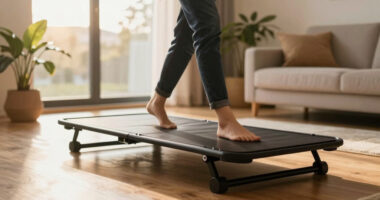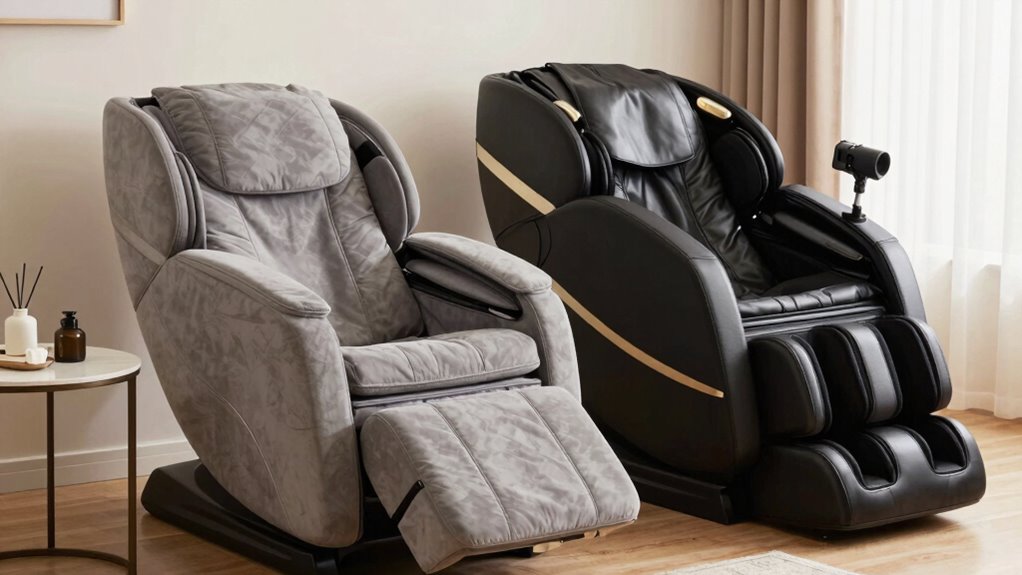

If you’re torn between a recovery chair and a massage chair, think about what you need most. If long-term support, proper posture, and relief from chronic pain matter, a recovery chair is your best bet. But if you want quick muscle relief after workouts or busy days, a massage chair offers immediate relaxation. Consider your space, style, and primary goals. Keep exploring to uncover tips that’ll help you make the right choice for your lifestyle.

Get audio and creator gear delivered free — and shop member deals
- Fast, free delivery on millions of items
- Access to Prime Big Deal Days deals on October 6–7
- Prime Video, Amazon Music and more included
Key Takeaways
- Buyers delay due to uncertainty whether they need long-term ergonomic support or immediate muscle relief.
- Space constraints and aesthetic preferences influence the decision, causing hesitation.
- Unclear understanding of each chair’s primary benefits leads to indecision.
- Concerns about cost versus long-term health benefits contribute to delaying purchase.
- Preference for one function (support or relaxation) often conflicts with the desire for versatility.
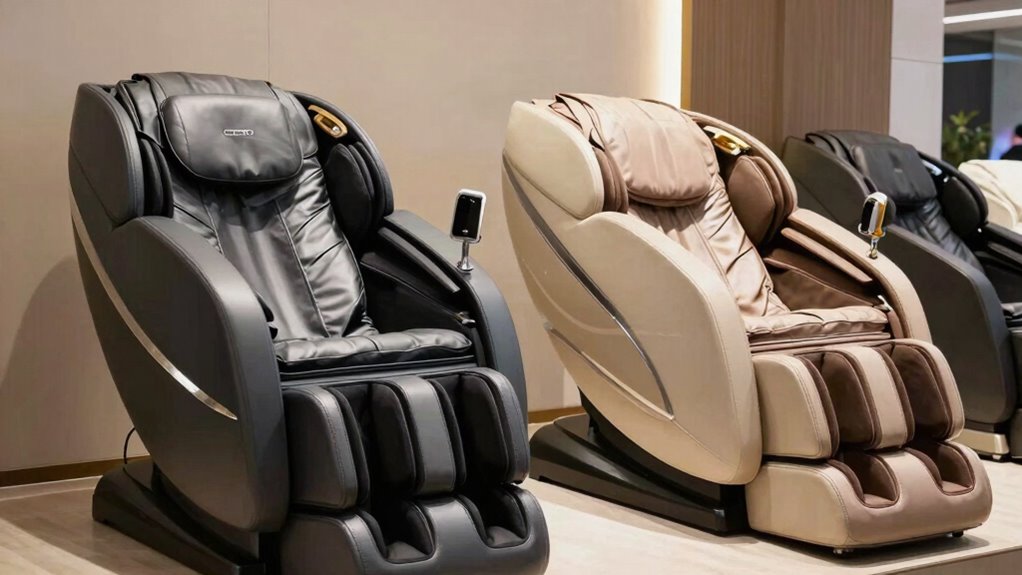
Deciding between a recovery chair and a massage chair can feel overwhelming, especially when you’re enthusiastic to relieve pain and relax, but keep delaying the purchase. Both options promise comfort and relief, yet they serve slightly different needs, making it hard to choose. When evaluating these chairs, one key aspect to consider is their ergonomic benefits. A recovery chair is designed with your body’s natural posture in mind, providing targeted support that can alleviate chronic pain, improve circulation, and reduce muscle tension. Its ergonomic features help you maintain proper spinal alignment, which is essential if you spend long hours sitting or have specific back issues. On the other hand, a massage chair offers a different kind of relief—massaging functions that target various muscle groups to loosen tightness and promote relaxation. While massage chairs may not always emphasize ergonomic design, many models incorporate adjustable settings and contours that conform to your body, enhancing comfort during use. Additionally, considering the home environment and how the chair integrates into your space can help ensure long-term satisfaction with your choice. Incorporating ergonomic design into your decision-making can significantly impact your overall comfort and health benefits. Understanding the importance of posture support can guide you toward a more informed choice that benefits your long-term wellness. Moreover, ergonomic principles play a crucial role in ensuring that your chair supports your body in ways that prevent strain and discomfort over time. Engaging with ergonomic concepts can also help you select a chair that promotes better health and reduces the risk of future pain or injury.
Recovery chairs support your posture and alleviate pain, while massage chairs provide targeted muscle relaxation and stress relief.
Aesthetic appeal plays an important role in your decision, too. You want a chair that not only functions well but also complements your space. Recovery chairs tend to have a more minimalist, sleek look, often resembling traditional recliners, blending seamlessly with home décor. Their clean lines and neutral colors make them versatile choices for living rooms or offices. Massage chairs, however, can be more visually striking, with modern, high-tech designs that evoke a sense of luxury and innovation. Although some may find their bulkier frames less appealing visually, they often come with customizable features and stylish finishes that can elevate your room’s aesthetic.
When you weigh these factors, think about your primary needs. If you’re seeking sustained support for back pain or posture correction, a recovery chair’s ergonomic benefits might make it the better investment. Its design prioritizes long-term health advantages, helping you sit comfortably for extended periods. Conversely, if you crave quick muscle relief after workouts or long days, a massage chair offers immediate relaxation through its therapeutic functions. The aesthetic appeal can also influence your choice; if you prefer a subtle look that fits seamlessly into your living space, a recovery chair might be more suitable. For those who want to make a statement with a high-tech, eye-catching piece, a massage chair could be the ideal addition.
Ultimately, your decision hinges on what you value most—whether it’s ergonomic support, visual harmony, or instant relaxation. Both chairs can markedly enhance your comfort, but understanding your specific needs will help you choose the one you’re less likely to keep delaying.
ergonomic recovery chair for back pain
As an affiliate, we earn on qualifying purchases.
As an affiliate, we earn on qualifying purchases.
Frequently Asked Questions
Are Recovery Chairs Suitable for Acute Injuries or Only Chronic Pain?
Recovery chairs are generally better suited for chronic pain rather than acute injuries. If you have an acute injury, you should consult a healthcare professional first, as recovery chairs might not provide the necessary support or could worsen inflammation. For chronic pain, these chairs offer comfort and relief, but for immediate injury management, rest, ice, and medical advice come first. Always prioritize professional guidance for acute injuries.
Do Massage Chairs Require Professional Maintenance or Servicing?
Massage chairs generally don’t require professional maintenance or servicing. You can easily keep them in good shape by regularly cleaning and checking for loose parts. Many models feature personalized settings, so you can customize your massage experience, and noise levels are designed to be minimal, ensuring a quiet session. If you notice any unusual noises or performance issues, contacting the manufacturer for advice is usually enough, without needing a pro visit.
Can Recovery Chairs Help Improve Posture Over Time?
Recovery chairs can help improve your posture over time by promoting better spinal alignment and supporting posture correction. As you use the chair regularly, it encourages proper sitting habits and relieves pressure on your spine, reducing discomfort and promoting healthy alignment. Consistent use can lead to better posture, decreased pain, and enhanced overall spinal health, making recovery chairs a valuable addition to your wellness routine.
Are There Specific Health Conditions That Contraindicate Massage Chair Use?
If you have specific health conditions, massage chairs might not be suitable, especially if you face contraindication concerns like blood clots, skin infections, or osteoporosis. Always consult your healthcare provider before trying this alternative therapy. Recognizing contraindications helps you avoid risks and guarantees safe, effective relief. Prioritizing your health means understanding when massage chairs can aid recovery or relaxation and when they might do more harm than good.
How Long Do Recovery and Massage Chairs Typically Last With Proper Care?
With proper care, recovery and massage chairs typically last 5 to 10 years, depending on usage and maintenance. You can extend their lifespan by regularly cleaning the aesthetic design and ensuring mechanical components stay in good shape. Choosing a chair from a reputable brand enhances durability and reliability, so you get the most out of your investment. Regular servicing and following manufacturer guidelines also help preserve the chair’s performance over time.
massage chair with adjustable settings
As an affiliate, we earn on qualifying purchases.
As an affiliate, we earn on qualifying purchases.
Conclusion
Choosing between a recovery chair and a massage chair feels like standing at a crossroads—you’re enthusiastic to decide but keep hesitating. Remember, investing in your well-being is like planting a seed; patience and the right choice help it flourish. Whichever you pick, know that taking action now will bring comfort and relief, turning your hesitation into a step toward relaxation. Don’t wait too long—your comfort deserves to be a priority today.
As an affiliate, we earn on qualifying purchases.
As an affiliate, we earn on qualifying purchases.
Evergreen bestsellers Picks
bestsellers
As an affiliate, we earn on qualifying purchases.