
Psychedelic-assisted therapy, once explored in the mid-20th century, faced a major setback when legal restrictions classified psychedelics as Schedule I substances, hindering research and limiting medical use. Today, a resurgence is underway as new studies demonstrate its potential to treat depression and PTSD, with strict regulations ensuring safety. While legal barriers still exist, ongoing research and evolving policies are paving the way for broader acceptance. Exploring this further reveals how science, society, and law are shaping its future.

Get audio and creator gear delivered free with Prime
- Fast, free delivery on millions of items
- Prime Video, Amazon Music and more included
- Member-only deals all year
Key Takeaways
- Early research in the 1950s-60s showed promising therapeutic benefits of psychedelics but was halted by societal backlash and legal restrictions.
- Psychedelics were classified as Schedule I substances in many countries, severely restricting scientific studies and medical use.
- Legal classification delayed advances in psychedelic-assisted therapy, limiting research and clinical applications for decades.
- Recent years have seen a resurgence in controlled clinical trials demonstrating safety and efficacy for conditions like depression and PTSD.
- Evolving regulations and increased scientific interest are paving the way for broader acceptance and integration of psychedelic therapies.
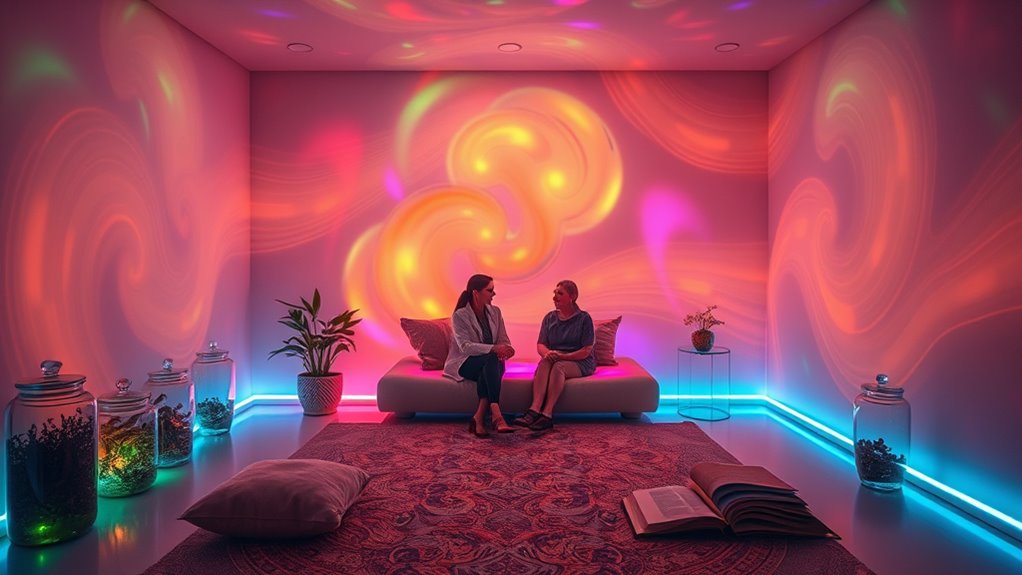
Psychedelic-assisted therapy is gaining recognition as a promising approach to treating mental health conditions like depression, anxiety, and PTSD. To understand its current resurgence, you need to consider the historical context and the legal challenges that have shaped its path. In the early to mid-20th century, psychedelics like LSD and psilocybin were initially explored for their potential to enhance psychological well-being and facilitate profound insights. During the 1950s and 1960s, research flourished, and some clinical studies reported positive outcomes. However, this promising phase faced a sudden halt when psychedelics became associated with counterculture movements and recreational misuse, leading to a societal backlash. This shift prompted governments to impose strict regulations, effectively halting most scientific investigations into these substances for decades.
Psychedelic research thrived in the 1950s and 1960s before societal backlash halted scientific progress for decades.
The legal challenges that followed greatly impacted the trajectory of psychedelic research. By the late 1960s, psychedelics were classified as Schedule I substances in many countries, including the United States. This designation implied a high potential for abuse and no recognized medical use, making research efforts exceedingly difficult. Researchers faced substantial bureaucratic obstacles, including strict licensing requirements and funding restrictions, which discouraged scientific exploration. As a result, decades of potentially groundbreaking studies were postponed or abandoned altogether. This legal landscape persisted for years, casting a shadow over the promising therapeutic applications of psychedelics. Legal classification played a particularly significant role in shaping public policy and scientific progress.
Despite these restrictions, the tide began to turn in the early 2000s, driven by a new wave of researchers and advocates who challenged outdated perceptions. They argued that with proper regulation and controlled settings, psychedelics could be safe and effective. Recent years have seen a resurgence of clinical trials, often conducted under strict regulatory oversight, showing promising results for conditions like depression and PTSD. But the legal challenges remain a hurdle, as policymakers grapple with balancing safety concerns against the potential medical benefits. Some jurisdictions are beginning to loosen restrictions, allowing for research and even medical use, but widespread acceptance still faces resistance rooted in decades-old legal frameworks.
Understanding the historical context and legal challenges helps you appreciate why psychedelic-assisted therapy is only now gaining mainstream attention. The journey from prohibition to potential medical breakthrough illustrates the complex interplay between science, society, and regulation. As laws evolve, it’s clear that overcoming legal barriers will be crucial in accessing the full therapeutic potential of psychedelics. This ongoing process emphasizes the importance of informed, evidence-based policies that prioritize safety while fostering innovative mental health treatments.
Top picks for "psychedelic assist therapy"
As an affiliate, we earn on qualifying purchases.
Frequently Asked Questions
Are Psychedelic Drugs Legally Available for Therapy Worldwide?
You can’t access psychedelic drugs legally for therapy worldwide due to strict legal restrictions and varying international policies. Many countries classify these substances as illegal, limiting their use to research or restricted medical settings. Some regions are relaxing regulations, but generally, you’ll find limited legal options for psychedelic-assisted therapy. Always check local laws because international policies heavily influence the legality and availability of these drugs for therapeutic purposes.
What Are the Long-Term Effects of Psychedelic-Assisted Therapy?
Like a seed planted in rich soil, the long-term impact of psychedelic-assisted therapy often shows durability of effects, fostering lasting emotional growth. While some individuals experience enduring benefits, others may see less sustained change, highlighting variability. Research suggests the therapy can promote profound insights and mental resilience. However, ongoing studies are essential to fully understand its long-term impact, ensuring safe, effective use for those seeking deep psychological transformation.
How Do Therapists Ensure Patient Safety During Sessions?
You guarantee patient safety during sessions by following strict safety protocols and relying on thorough counselor training. You monitor your patient closely, creating a safe environment where they feel comfortable. You stay vigilant for any signs of distress or adverse reactions, ready to intervene if needed. Your training equips you with the skills to handle challenging moments calmly, maintaining safety and support throughout the entire psychedelic-assisted therapy session.
Can Psychedelic Therapy Be Integrated Into Standard Psychiatric Practice?
You can integrate psychedelic therapy into standard psychiatric practice by considering the historical context and increasing cultural acceptance. As research shows its benefits, professionals like you need to stay informed about evolving regulations, guarantee proper training, and adopt best practices. By doing so, you help normalize its use, making it a viable option within mainstream mental health treatment, while prioritizing patient safety and maintaining ethical standards.
What Are the Current Barriers to Widespread Regulatory Approval?
You face significant barriers to widespread regulatory approval due to legal hurdles and clinical trial challenges. The legal landscape remains complex, with restrictions on psychedelic substances complicating research efforts. Additionally, conducting rigorous clinical trials proves difficult because of safety concerns, funding issues, and regulatory delays. These obstacles slow down the approval process, making it hard for psychedelics to become a standard part of psychiatric treatment widely available to patients.
Conclusion
As you journey through the evolving landscape of psychedelic-assisted therapy, remember it’s like steering a delicate dance between science and regulation. With each step forward, you’re helping open a treasure chest of hope for those seeking healing. Embrace the promise of these mind-expanding tools, knowing that with careful guidance, they can light the path to renewal. Together, you’re shaping a future where the mind’s depths hold the keys to profound transformation.
Columbus Day / Indigenous Peoples' Day Picks
long weekend sales
As an affiliate, we earn on qualifying purchases.




![Mike Love Rejoins The Beach Boys On Stage Amid Health Issues [Updated]](https://attunemagazine.com/wp-content/uploads/2026/10/mike-love-rejoins-the-beach-boys-on-stage-amid-health-issues-updated-featured-260x140.jpg)