
Before buying a wearable, you should ask how your data is collected, stored, and shared. Make sure the device uses strong encryption to protect your sensitive health and location information. Check if the company’s privacy policies are transparent and if you can control what data you share or delete. Understanding these privacy practices helps keep your data safe. Keep exploring to discover more essential questions you need to ask to protect yourself.
Key Takeaways
- Does the device clearly explain what personal data is collected and how it will be used or shared?
- Are strong encryption standards implemented to protect data during transmission and storage?
- Can you easily access and customize privacy settings, including data sharing and retention policies?
- Is user consent obtained explicitly before any data collection, with transparent terms and conditions?
- Does the company prioritize security and transparency in its data practices and update users regularly?
Have you ever wondered what happens to your personal data when you wear a fitness tracker or smartwatch? Many devices collect a wealth of information—heart rate, sleep patterns, location, even your daily routines. But what safeguards are in place to protect that data once it leaves your device? Before you make a purchase, it’s vital to understand how your data is handled, especially regarding data encryption and user consent. Data encryption is the process that shields your information from unauthorized access by converting it into a code that’s unreadable without the proper key. If a device or its associated app doesn’t use strong encryption, your sensitive health and location data could be vulnerable to hackers or third parties. Look for devices that prioritize robust data encryption standards, ensuring your personal information stays secure during transmission and storage. Moreover, understanding the privacy policies of wearable companies can help you navigate their data practices more effectively.
Equally important is user consent. When you set up your wearable device, you’re often prompted to agree to terms and conditions, but it’s easy to overlook what you’re actually agreeing to. Companies should clearly explain what data they collect, how they intend to use it, and who they might share it with. As a user, you have the right to ask questions and demand transparency about data practices. If a manufacturer doesn’t obtain your explicit consent before collecting or sharing your data, it’s a red flag. Being informed and exercising your rights helps you maintain control over your personal information. It’s also helpful to review privacy settings** regularly and adjust them as needed to enhance your privacy. Don’t assume that all data collection is necessary or benign—know what you’re agreeing to and whether you’re comfortable with it. Additionally, understanding the security practices** that companies implement can further safeguard your data from potential breaches.
To truly protect your data, it’s beneficial to stay informed about cybersecurity risks associated with wearable technology, so you can take proactive steps to minimize vulnerabilities. Another aspect to think about is whether the company offers options to customize your privacy settings. Some brands allow you to limit data sharing or turn off certain features that might compromise your privacy. Additionally, check if the company provides clear policies on data retention—how long they keep your information and how they dispose of it once it’s no longer needed. These details matter because they directly impact your privacy and security. Remember, even if a device promises to keep your data safe, it’s ultimately your responsibility to stay informed and vigilant. Ask questions, read the fine print, and choose products from companies that prioritize user privacy through strong data encryption and transparent consent practices. Protecting your personal information isn’t just about technology; it’s about asserting your rights in a digital age where your data is a valuable commodity.
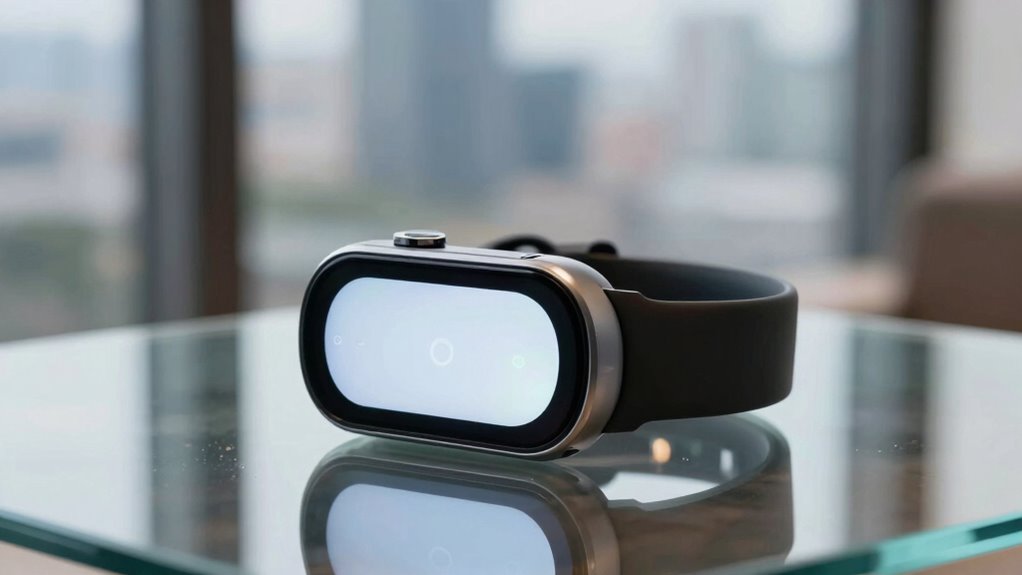
wearable device with strong data encryption
As an affiliate, we earn on qualifying purchases.
As an affiliate, we earn on qualifying purchases.
Frequently Asked Questions
How Is My Biometric Data Stored Securely?
Your biometric data is stored securely through data encryption, which scrambles information so unauthorized parties can’t access it. Additionally, reputable devices require your explicit user consent before collecting or storing any biometric data, ensuring you’re in control. Always review privacy policies to confirm that encryption standards are in place and that your consent is obtained, giving you peace of mind about your sensitive information’s safety.
Can My Wearable Device Be Hacked Remotely?
Coincidentally, many wearable devices can be hacked remotely if they lack proper security measures. Your device’s encryption might be weak, or inadequate user authentication can leave vulnerabilities. To protect yourself, make sure your wearable uses strong device encryption and multi-factor user authentication. Regularly update your device’s software, avoid insecure networks, and stay vigilant. These steps considerably reduce the risk of remote hacking and keep your data safer.
Who Has Access to My Wearable’s Collected Data?
Someone with access to your wearable’s data could include the device manufacturer, app developers, or third-party partners, depending on data sharing policies. To protect your privacy, verify the company uses data anonymization techniques and adheres to strict user consent protocols. Always review privacy settings and permissions, and choose brands that prioritize transparency and control over your personal information.
Are There Legal Protections for My Wearable Data?
Yes, there are legal protections for your wearable data, but they vary by jurisdiction. Laws often require user consent before data collection and mandate data encryption to protect your information. However, it’s crucial to read privacy policies carefully, as not all companies follow strict standards. Stay informed about your rights, and ask whether your wearable device uses data encryption and how your consent is obtained to guarantee your privacy stays protected.
How Long Is My Data Retained by Manufacturers?
Think of your data as a treasure chest—its length of stay depends on the manufacturer’s policies. Usually, they retain data for as long as it’s needed for analysis or improving services, often a few months to years. Some companies anonymize data to protect your identity, but they still need your user consent to keep it. Always check privacy policies to understand how long your data is stored and how it’s handled.

YOORX Privacy-First Fitness Tracker — No Activity Data Sharing, — Waterproof Activity & Sleep Monitor with Step Counter, Calorie Tracking, Smart Notifications for iPhone & Android (Black)
- Data Privacy: No data sharing or selling
- 24/7 Activity & Sleep Tracking: Tracks steps, sleep, calories, and more
- Long Battery Life: Over 7 days per charge
As an affiliate, we earn on qualifying purchases.
As an affiliate, we earn on qualifying purchases.
Conclusion
Before you slip that wearable onto your wrist or clip it onto your clothes, ask yourself: do you really want your every move, heartbeat, and secret thought to be shared with strangers? Ignoring these questions could mean handing over your privacy faster than you can say “data breach.” Don’t become a walking, talking open book—demand answers, set boundaries, and protect what’s yours. Because once your data’s out, there’s no putting the genie back in the bottle.
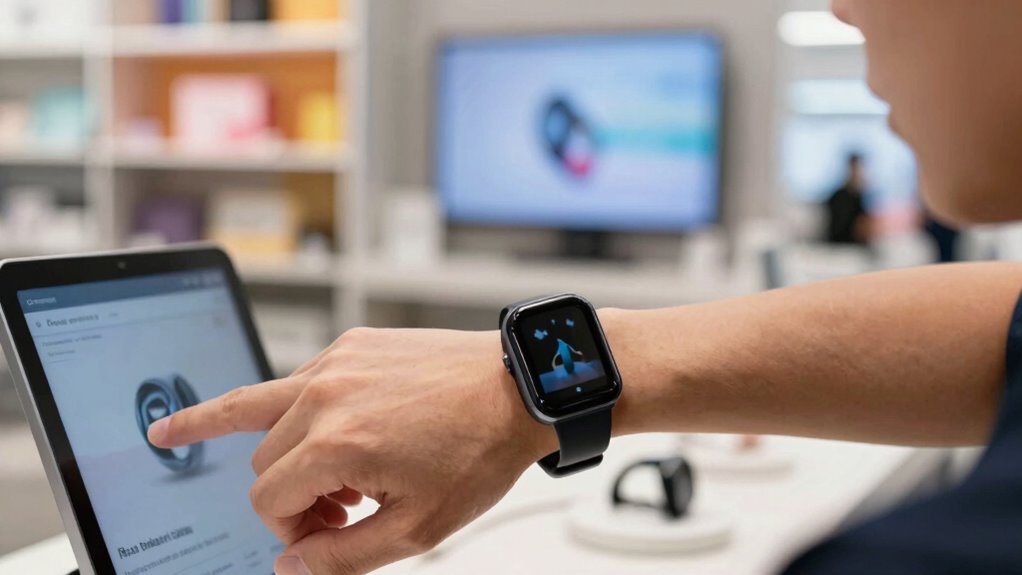
smartwatch with customizable privacy settings
As an affiliate, we earn on qualifying purchases.
As an affiliate, we earn on qualifying purchases.

Smart Watch Fitness Tracker with 24/7 Heart Rate, Blood Oxygen Blood Pressure Monitor Sleep Tracker 120 Sports Modes Activity Trackers Step Calorie Counter IP68 Waterproof for Andriod iPhone Women Men
- Vibrant 1.58'' High-Res Display: Clear, colorful touch screen with always-on clock
- 24/7 Heart Rate & Health Monitoring: Real-time heart rate, blood pressure, blood oxygen tracking
- Sleep Tracking and Analysis: Monitors sleep stages and wake times for better rest
As an affiliate, we earn on qualifying purchases.
As an affiliate, we earn on qualifying purchases.