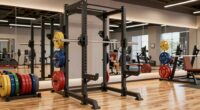
Starting a home gym requires careful planning to maximize space without sacrificing workout quality. The Best Overall pick, The Ultimate Home Gym Guide, stands out for its comprehensive approach to space optimization. How To Build A Home Gym On A Budget offers budget-friendly layout tips, making it ideal for cost-conscious buyers. The main tradeoffs in this category involve balancing detailed planning with available space and budget constraints. Keep reading for an in-depth comparison of the best options to help you create an efficient home gym footprint tailored to your needs.

Get audio and creator gear delivered free with Prime
- Fast, free delivery on millions of items
- Prime Video, Amazon Music and more included
- Member-only deals all year
Complete the kit


Key Takeaways
- The most successful guides balance detailed space planning with practical furniture and equipment choices.
- Budget considerations heavily influence how much space you can dedicate to your home gym and the complexity of your setup.
- Top guides provide actionable layout tips, not just general advice, which helps in making the most of limited space.
- The best picks often include scalable plans that grow with your fitness journey, avoiding the need for complete redesigns.
- Understanding tradeoffs between space, cost, and workout variety is key to choosing the right guide for your situation.
| The Ultimate Home Gym Guide |  | Best Informational Resource for Setting Up a Home Gym | Coverage: Equipment selection, space management, workout routines | Intended audience: Beginners or those designing from scratch | VIEW ON AMAZON | See Our Full Breakdown | |
| The Ultimate Guide to Building a Home Gym |  | Best for Personalized Home Gym Design and Equipment Guidance | Coverage: Equipment selection, space optimization, routines | Audience: Intermediate and advanced fitness enthusiasts | VIEW ON AMAZON | See Our Full Breakdown | |
| The Great Home Gym Handbook: A Quick Reference Guide to Home Gym Exercises |  | Best for Fast Exercise Reference and Routine Reminders | Format: Printed handbook | Content: Exercises, quick routines | Audience: All fitness levels | VIEW ON AMAZON | See Our Full Breakdown |
| How To Build A Home Gym On A Budget: A Step-By-Step Guide To Creating Your Custom Workout Space |  | Best Budget-Friendly, Step-by-Step Planning Guide | Approach: Step-by-step, budget-focused | Content: Design, layout, affordability | Audience: Beginners and budget-conscious buyers | VIEW ON AMAZON | See Our Full Breakdown |
| How to Make a Home Gym: A Comprehensive Guide to Building, Equipping, and Using Your Home Gym on a Budget |  | Best for Balanced Budget Guidance and Practical Setup Tips | Content focus: Budget-friendly equipment, setup, workouts | Intended audience: Beginners and intermediate fitness enthusiasts | VIEW ON AMAZON | See Our Full Breakdown | |
| Home Gym Strength Mastery 2026: A Complete Guide to Dumbbells, Machines, and Progressive Overload |  | Best Educational Resource for Building a Strength-Focused Home Gym | Content Focus: Strength training principles, progressive overload techniques | Equipment Coverage: Dumbbells, machines | Intended Audience: Advanced fitness enthusiasts | VIEW ON AMAZON | See Our Full Breakdown |
| home gym footprint guide | Intended audience | Audience |
|---|---|---|
| The Ultimate Home Gym Guide | Beginners or those designing from scratch | — |
| The Ultimate Guide to Building | — | Intermediate and advanced fitness enthusiasts |
| The Great Home Gym Handbook: A | — | All fitness levels |
| How To Build A Home Gym On A B | — | Beginners and budget-conscious buyers |
| How to Make a Home Gym: A Comp | Beginners and intermediate fitness enthusiasts | — |
| Home Gym Strength Mastery 2026 | Advanced fitness enthusiasts | — |
More Details on Our Top Picks
The Ultimate Home Gym Guide
This guide stands out for its comprehensive approach to planning a home gym, covering equipment choices, space management, and workout strategies. Unlike specific product-focused books like How To Build A Home Gym On A Budget, it offers broad tips suitable for all levels but lacks detailed product recommendations or visuals. Its strength lies in helping beginners understand what to consider before purchasing, yet it doesn’t serve as a quick reference for exercises or advanced setup details. This makes it ideal for those starting from scratch who want a solid framework rather than ready-made solutions.
Pros:- Provides a broad overview of space and equipment planning
- Includes effective workout routines suitable for beginners
- Offers practical tips for optimizing small spaces
Cons:- No specific product details or brand recommendations
- Lacks visual aids or multimedia content
- No customer reviews or ratings to validate advice
Best for: Fitness beginners or those planning a complete home gym from scratch who need an overarching strategy.
Not ideal for: Experienced gym owners seeking specific equipment reviews or detailed exercise plans.
- Coverage:Equipment selection, space management, workout routines
- Intended audience:Beginners or those designing from scratch
Our verdict“This guide is perfect for newcomers needing a solid foundation but not for those seeking detailed equipment specs.”
The Ultimate Guide to Building a Home Gym
This book offers detailed guidance on designing a home gym tailored to your space and fitness goals, making it more specific than the broad overview in The Ultimate Home Gym Guide. It covers equipment choices, space optimization, and routines for all fitness levels, but it doesn’t include specific product reviews or pricing info, which could be limiting for practical purchasing decisions. Compared with How to Make a Home Gym, it provides more structured guidance but lacks quick-reference exercises, making it better suited for long-term planning rather than immediate setup.
Pros:- Thorough guidance on space and equipment choices
- Suitable for all fitness levels with adaptable routines
- Includes specific equipment recommendations and layout tips
Cons:- No detailed product specifications or brand suggestions
- Limited visual content to aid planning
- No pricing or real-world product reviews included
Best for: Intermediate to advanced users seeking a personalized, well-rounded plan for their home gym.
Not ideal for: Absolute beginners who need simple, quick-start tips or detailed product recommendations.
- Coverage:Equipment selection, space optimization, routines
- Audience:Intermediate and advanced fitness enthusiasts
Our verdict“Ideal for those wanting a detailed, customizable plan for their home gym, but not for quick setup or immediate exercise references.”
The Great Home Gym Handbook: A Quick Reference Guide to Home Gym Exercises
This handbook excels as a portable, straightforward exercise reference that complements broader guides like The Ultimate Guide to Building a Home Gym. Its concise format makes it easy to quickly find workouts or exercise cues, but it doesn’t include detailed workout plans or multimedia support. Unlike books focused on setup, such as How To Build A Home Gym On A Budget, this is purely exercise-oriented, making it ideal for users who already have a gym space and just need quick routines or reminders.
Pros:- Highly portable and easy to use
- Concise, clear exercise instructions
- Suitable for all fitness levels with varied routines
Cons:- Lacks detailed workout plans or progression strategies
- No multimedia or visual demonstrations
- Limited to exercise references without setup guidance
Best for: Home gym users who need a quick, portable reference for exercises and routines.
Not ideal for: Those looking for comprehensive setup advice or equipment recommendations.
- Format:Printed handbook
- Content:Exercises, quick routines
- Audience:All fitness levels
Our verdict“Best suited for existing gym owners who want a handy exercise refresher or quick routine guide.”
How To Build A Home Gym On A Budget: A Step-By-Step Guide To Creating Your Custom Workout Space
This book makes a compelling case for creating a functional home gym without overspending, focusing on affordable solutions and step-by-step instructions. It’s less detailed on specific equipment brands or advanced gym setups compared to more comprehensive guides like The Ultimate Home Gym Guide, but it excels at helping budget-conscious buyers craft a practical space. The lack of specific equipment recommendations and limited focus on high-end gear means it’s not ideal for those seeking a luxury or fully equipped gym, but it’s excellent for entry-level setups.
Pros:- Cost-effective approach to gym setup
- Clear, step-by-step instructions
- Flexible guidance for small spaces and limited budgets
Cons:- No specific equipment brands or product specs
- Limited advice on advanced gym equipment
- May require additional research for equipment purchase
Best for: Budget-minded individuals who want a practical, low-cost gym setup with clear guidance.
Not ideal for: Experienced users seeking high-end equipment advice or detailed technical setup for large spaces.
- Approach:Step-by-step, budget-focused
- Content:Design, layout, affordability
- Audience:Beginners and budget-conscious buyers
Our verdict“Perfect for budget-conscious beginners or small-space builders, but less suited for those wanting premium equipment details.”
How to Make a Home Gym: A Comprehensive Guide to Building, Equipping, and Using Your Home Gym on a Budget
This guide offers an accessible overview for those creating a home gym without overspending, similar in spirit to How To Build A Home Gym On A Budget, but with a broader focus on equipment and workout strategies. It balances affordability with practical advice, making it suitable for beginners and intermediate users who want a well-rounded plan. Its general tone and lack of specific product specs mean it’s less useful for buyers seeking detailed brand recommendations or high-end equipment information.
Pros:- Cost-effective approach with comprehensive guidance
- Suitable for beginners and intermediate users
- Covers essential equipment and workout strategies
Cons:- Lacks specific product specifications or brand info
- General content may be too broad for advanced users
- No detailed equipment or brand comparisons
Best for: Home fitness enthusiasts on a budget who want a balanced, easy-to-follow guide for setup and workouts.
Not ideal for: Advanced users or those wanting detailed product reviews or premium setup options.
- Content focus:Budget-friendly equipment, setup, workouts
- Intended audience:Beginners and intermediate fitness enthusiasts
Our verdict“Ideal for budget-conscious users seeking a balanced, practical approach to home gym setup and exercise routines.”
Home Gym Strength Mastery 2026: A Complete Guide to Dumbbells, Machines, and Progressive Overload
This guide stands out for its thorough coverage of training strategies and exercise techniques, especially emphasizing progressive overload to ensure continuous gains. Unlike the more equipment-focused The Ultimate Home Gym Guide, this book provides in-depth insights into workout programming rather than specific gear setups. While it offers detailed methods to maximize strength, it lacks concrete product recommendations or setup ideas, making it less useful for those seeking a ready-made plan. This resource is ideal for dedicated strength enthusiasts who want to understand the principles behind effective training at home. However, beginners looking for straightforward equipment lists might find it too abstract or technical.
Pros: Deep focus on progressive overload techniques; Covers both dumbbells and machines; Excellent for understanding workout progression; Great for long-term strength development.
Cons: No specific equipment recommendations or setup advice; No price or customer ratings provided; Not tailored to those seeking quick setup guidance.
Pros:- Deep focus on progressive overload techniques
- Covers both dumbbells and machines
- Excellent for understanding workout progression
- Great for long-term strength development
Cons:- No specific equipment recommendations or setup advice
- No price or customer ratings provided
- Not tailored to those seeking quick setup guidance
Best for: Strength-focused fitness enthusiasts who want to master training principles and maximize gains at home.
Not ideal for: Home gym builders needing specific equipment lists or budget-friendly setup guides, as this is more educational than practical for setup.
- Content Focus:Strength training principles, progressive overload techniques
- Equipment Coverage:Dumbbells, machines
- Intended Audience:Advanced fitness enthusiasts
- Format:Educational book
- Price:Not specified
- Customer Ratings:Not available
Our verdict“This guide is best suited for dedicated strength enthusiasts who want a comprehensive understanding of training principles, rather than quick setup solutions.”

How We Picked
We evaluated each home gym footprint guide based on clarity, comprehensiveness, practical layout strategies, and adaptability to different space sizes. Guides that provided detailed, actionable advice tailored to various budgets were prioritized. We also considered the inclusion of visual aids, real-world examples, and scalability options. This approach ensures the selected guides are useful for both beginners and experienced fitness enthusiasts seeking to optimize their home gym space efficiently, which explains their ranking order.| home gym footprint guide | Intended audience | Audience |
|---|---|---|
| The Ultimate Home Gym Guide | Beginners or those designing from scratch | — |
| The Ultimate Guide to Building | — | Intermediate and advanced fitness enthusiasts |
| The Great Home Gym Handbook: A | — | All fitness levels |
| How To Build A Home Gym On A B | — | Beginners and budget-conscious buyers |
| How to Make a Home Gym: A Comp | Beginners and intermediate fitness enthusiasts | — |
| Home Gym Strength Mastery 2026 | Advanced fitness enthusiasts | — |
Factors to Consider When Choosing Home Gym Footprint Guide
Choosing the right home gym footprint guide involves understanding your available space, budget, and workout goals. A well-designed plan can help you avoid common pitfalls such as overcrowding or underutilized areas. It’s important to consider how flexible the guide is, whether it accounts for future equipment upgrades, and how it balances comfort with efficiency. Investing in the right planning now saves time and money later, making your home gym more inviting and functional.Space Planning and Layout
Effective space planning is the foundation of a successful home gym. Look for guides that include detailed room layouts, zone definitions, and traffic flow considerations. Avoid overly generic advice that doesn’t tailor to your room dimensions; instead, opt for guides that offer scalable or customizable plans. Remember, a cramped gym discourages use, while a well-organized space enhances motivation and safety.
Equipment Size and Placement
Understanding the footprint of different equipment helps prevent clutter and maximizes usable space. Guides that provide specific dimensions and placement strategies enable you to choose equipment that fits your space and workout style. Be cautious of overestimating your available area—leaving some buffer space improves safety and comfort. Prioritize versatile equipment that can serve multiple exercises to save space.
Budget and Cost-Effectiveness
Balancing your desired gym setup with your budget is essential. Some guides focus on affordable, compact solutions suitable for small spaces, while others recommend premium equipment for serious training. Be aware that cheaper options might require compromises in equipment quality or variety, so weigh long-term durability against initial savings. Smart planning can help you allocate funds more effectively, avoiding the need for frequent reconfigurations.
Future Scalability and Flexibility
Consider how your space and equipment needs might evolve over time. Guides that include scalable plans or modular setups can grow with your fitness level, reducing the need for major redesigns. Avoid rigid layouts that become obsolete as your training progresses. Flexibility in your gym footprint encourages consistent use and minimizes the frustration of cramped or awkward arrangements.
Safety and Accessibility
Designing for safety means leaving enough clearance around equipment and ensuring clear pathways. Guides that emphasize safety considerations help prevent injuries and facilitate easier access. Avoid tight configurations that restrict movement or make maintenance difficult. Accessibility features can also be important if you have specific physical needs or plan to age in place, making your gym safer and more inclusive.
Frequently Asked Questions
How much space do I need for a basic home gym setup?
For a basic home gym, allocating at least 100 to 150 square feet typically provides enough room for essential equipment like a treadmill or bike, some free weights, and a small mat area. This space allows for safe movement and some variety in workouts. Larger areas, around 200 to 300 square feet, give more flexibility and comfort, especially if you plan to include larger machines or multiple workout zones. The key is to balance your equipment needs with the available room to avoid overcrowding.
Can I set up a gym in a small apartment or studio?
Yes, but it requires careful planning and choosing space-efficient equipment. Focus on multi-use items, such as adjustable dumbbells, foldable benches, or compact cardio machines. Vertical storage solutions and wall-mounted racks help maximize square footage. Guides that emphasize flexible layouts and equipment with small footprints become invaluable here, helping you create a functional gym without sacrificing living space.
Is it better to have a dedicated room or a corner for my home gym?
Having a dedicated room offers the advantage of better organization, noise control, and a mindset shift toward workout consistency. However, a well-designed corner or alcove can work just as effectively if space is limited. The choice depends on your available space, budget, and how much you value a separate environment. The best guides will help you optimize even small corners, turning them into effective workout zones.
How can I make my small home gym feel less cluttered?
Maximizing storage and choosing multifunctional equipment are key strategies. Use wall-mounted racks, foldable gear, and hidden storage solutions to keep clutter out of sight. Clear organization schemes and designated zones improve flow and reduce visual chaos. Guides that include layout tips and storage ideas can help you design a space that feels open, inviting, and motivating rather than cramped.
Should I prioritize budget or space when planning my home gym?
Both factors are important, but your decision depends on your immediate needs and long-term goals. If space is very limited, prioritizing space-efficient, budget-friendly solutions makes sense initially. Conversely, if you have a larger room but a tight budget, focusing on essential, affordable equipment first can work well while planning for future upgrades. Guides that address both aspects help you develop a phased approach, balancing cost and space constraints effectively.
Conclusion
For those with limited space or starting small, the How To Build A Home Gym On A Budget guide offers practical, cost-conscious layout tips. If you seek a comprehensive, adaptable plan, The Ultimate Home Gym Guide stands out as the best overall choice. Serious fitness enthusiasts aiming for a fully equipped, scalable setup might prefer Home Gym Strength Mastery 2026 for its detailed equipment strategies. Beginners or those with irregular space should consider guides emphasizing flexibility and safety, like the quick-reference Great Home Gym Handbook. Ultimately, your choice hinges on your room size, budget, and fitness ambitions, but these guides collectively cover the critical planning factors to help you craft an effective home gym footprint.
Fall Picks
fall essentials
As an affiliate, we earn on qualifying purchases.