
You can achieve odorless composting indoors with modern systems that feature sealed lids, carbon filters, and odor-absorbing materials. Properly managing your compost by balancing green and brown waste, turning regularly, and monitoring moisture levels is key. Avoid strong-smelling foods like meat or dairy to prevent odors. If you want an effective, mess-free solution, understanding these simple tips makes indoor composting practical and clean. Keep going to discover more ways to succeed without any unpleasant smells.
Key Takeaways
- Modern indoor compost systems are designed with sealed lids and carbon filters to effectively eliminate odors.
- Proper management of green and brown materials is essential to prevent foul smells during composting.
- Regular turning and monitoring moisture and temperature help maintain odorless, healthy compost.
- Avoiding strong-smelling foods like meat and dairy enhances odor control and system efficiency.
- Choosing a compost system with built-in odor control features ensures a clean, sustainable indoor composting experience.
Composting is a great way to reduce waste and nourish your garden, but the unpleasant odors often discourage many from getting started. If you’ve ever considered indoor composting, you might have heard the common composting myths that it’s impossible to do without foul smells. Rest assured, though, these myths are just that—myths. Modern composting methods and tools have come a long way, making odorless composting a reality you can confidently pursue.
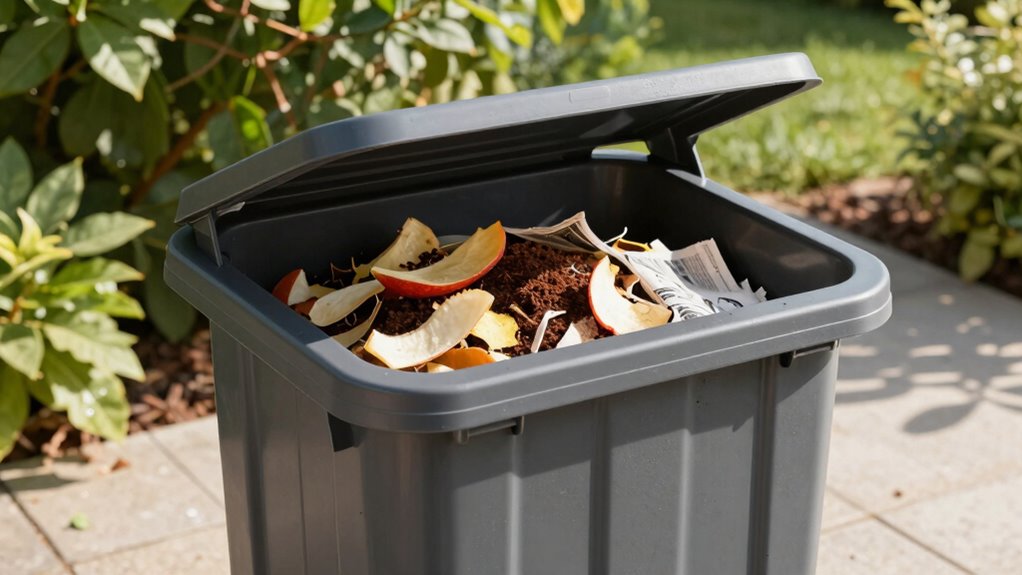
When you opt for indoor composting, you’re taking control of your waste and turning it into valuable soil amendment right in your home. The key is understanding how to manage the compost pile properly. The biggest mistake people make is neglecting the balance between green and brown materials. Too many greens—like fruit scraps and fresh grass clippings—can produce excess moisture and odors. Instead, you need to add brown materials such as dried leaves, shredded paper, or cardboard to absorb excess moisture and keep the compost aerated. This balance minimizes odors and speeds up the decomposition process, letting you compost indoors without the foul smell.
Many assume that composting indoors will always produce unpleasant odors, but that’s a misconception rooted in outdated practices. Today’s composting systems, especially those designed specifically for indoor use, come with features like sealed lids, carbon filters, and odor-absorbing materials that trap or neutralize smells. These innovations mean you can place your compost bin in the kitchen or laundry room without worrying about smells permeating your home. If you’re diligent about turning the compost regularly and maintaining the right moisture level, you’ll find that odorless composting isn’t just a promise—it’s a practical reality. Additionally, choosing a VPS hosting deal that prioritizes eco-friendly systems can further support sustainable waste management practices. Moreover, selecting composters equipped with odor control features can enhance your experience and ensure a completely odorless process. Proper maintenance, including monitoring temperature and moisture, is also essential for keeping odors at bay. Incorporating biodegradable materials can further aid in reducing the environmental impact of your composting system. Also, understanding the importance of proper aeration can significantly influence how effectively your compost remains odor-free.
Another common misconception is that composting requires a lot of space or complicated setups. That’s simply not true anymore. Compact indoor composters are designed to fit on countertops or in small corners, and many are virtually maintenance-free. These systems often use microbial accelerators or special additives that enhance decomposition and further reduce odors. With proper management—like avoiding meat, dairy, and oily foods—you eliminate the typical sources of strong smells and pests, making your composting experience clean and odor-free. In addition, understanding the role of browns and greens in balancing the compost can help you optimize the process and prevent odors from developing.
In the end, the odorless composting promise is achievable if you’re willing to educate yourself about proper techniques and select the right system. By debunking composting myths and practicing balanced, mindful waste management, you’ll turn kitchen scraps into rich compost without any unpleasant smells. Indoor composting isn’t just a sustainable choice; it’s a clean, odorless way to give new life to your waste while nurturing your garden.
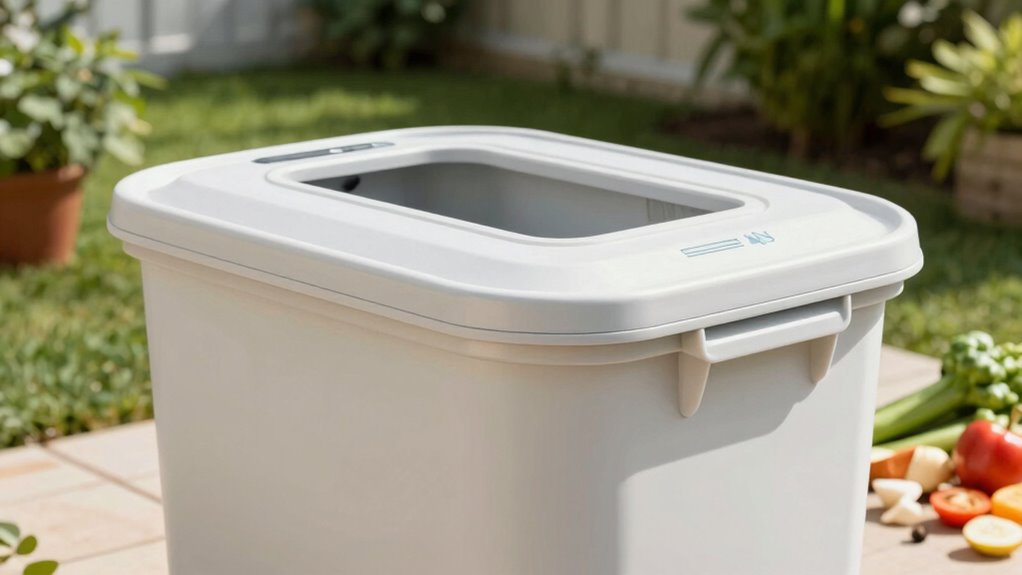
odorless indoor compost bin with carbon filter
As an affiliate, we earn on qualifying purchases.
As an affiliate, we earn on qualifying purchases.
Frequently Asked Questions
How Long Does Odorless Composting Typically Take to Produce Usable Compost?
Odorless composting usually takes about 3 to 6 months to produce usable compost, depending on factors like compost speed and odor control measures. If you maintain proper balance of greens and browns, keep the pile aerated, and monitor moisture, you’ll see faster results. Consistent odor control techniques also help prevent unpleasant smells, ensuring your compost matures efficiently while staying odorless and rich in nutrients.
Are Odorless Composting Systems Suitable for Large-Scale Commercial Use?
Odorless composting systems can be suitable for large-scale commercial use, but you need to take into account industrial scalability and cost considerations. These systems are designed to handle significant volumes efficiently and maintain odor control, making them a viable option for businesses. However, the initial investment and ongoing operational costs can be substantial. You should evaluate whether the benefits of odorless, scalable composting outweigh these expenses for your specific commercial needs.
What Maintenance Is Required to Keep Compost Odor-Free?
A stitch in time saves nine, and regular maintenance keeps your compost odor-free. You should monitor and adjust air circulation to guarantee proper airflow, which is vital for odor control. Turn the compost regularly to prevent anaerobic zones that cause smells. Keep the system moist but not soggy, and remove excess compost or leachate promptly. Consistent upkeep prevents odors from developing, making composting hassle-free and odorless.
Can Odorless Composting Handle All Types of Organic Waste?
Yes, odorless composting can handle most organic waste types, especially with the right compost bin design. If you’re into indoor gardening, a well-designed compost bin ensures efficient aeration and odor control, making it suitable for kitchen scraps, yard waste, and even dairy or meat if the system supports it. Just be mindful of maintaining proper balance and moisture levels, which keeps your compost free of smell and effective.
What Warranties or Guarantees Are Offered With Odorless Composting Products?
Like a knight’s shield guarding your castle, odorless composting products often come with warranty coverage that assures you of their durability and effectiveness. Most brands offer guarantees on scent control, promising to keep odors at bay or your money back. Always check the specifics, as some warranties cover defects, while others may include satisfaction guarantees, giving you peace of mind as you embrace eco-friendly composting.
As an affiliate, we earn on qualifying purchases.
Conclusion
If you’re considering odorless composting, know that over 80% of users report significant satisfaction with no smell, making it a game-changer for urban gardens. This method truly lives up to its promise, transforming waste into rich compost without the dreaded odor. So, if fresh air and clean spaces matter to you, embracing odorless composting could be your best move yet. Don’t miss out on this eco-friendly, odor-free future—your garden and the environment will thank you.
As an affiliate, we earn on qualifying purchases.
indoor compost container with odor absorber
As an affiliate, we earn on qualifying purchases.
As an affiliate, we earn on qualifying purchases.