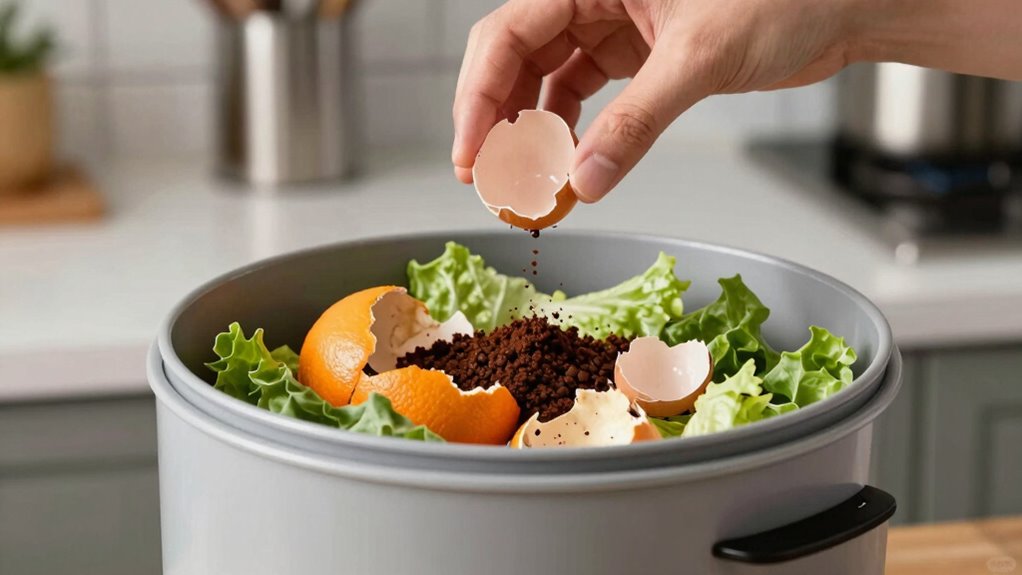

To make your compost machine more effective, start by properly segregating your kitchen waste, separating organic scraps like vegetable peels, fruit scraps, eggshells, and coffee grounds from non-organic waste. Balance green and brown materials to speed up decomposition and prevent odors. Use dedicated bins for compostables and maintain consistent waste input. Keeping this routine steady improves compost quality and machine efficiency. If you keep this up, you’ll discover even more ways to optimize your composting process.

Get audio and creator gear delivered free — and shop member deals
- Fast, free delivery on millions of items
- Access to Prime Big Deal Days deals on October 6–7
- Prime Video, Amazon Music and more included
Key Takeaways
- Consistently separate green (wet) and brown (dry) kitchen waste for balanced composting.
- Use dedicated bins for organic waste to streamline sorting and feeding the compost machine.
- Avoid mixing non-organic materials like plastics or metals to prevent contamination.
- Regularly add appropriate amounts of green and brown waste to maintain optimal decomposition.
- Routinely monitor and adjust waste input to ensure steady, high-quality compost production.
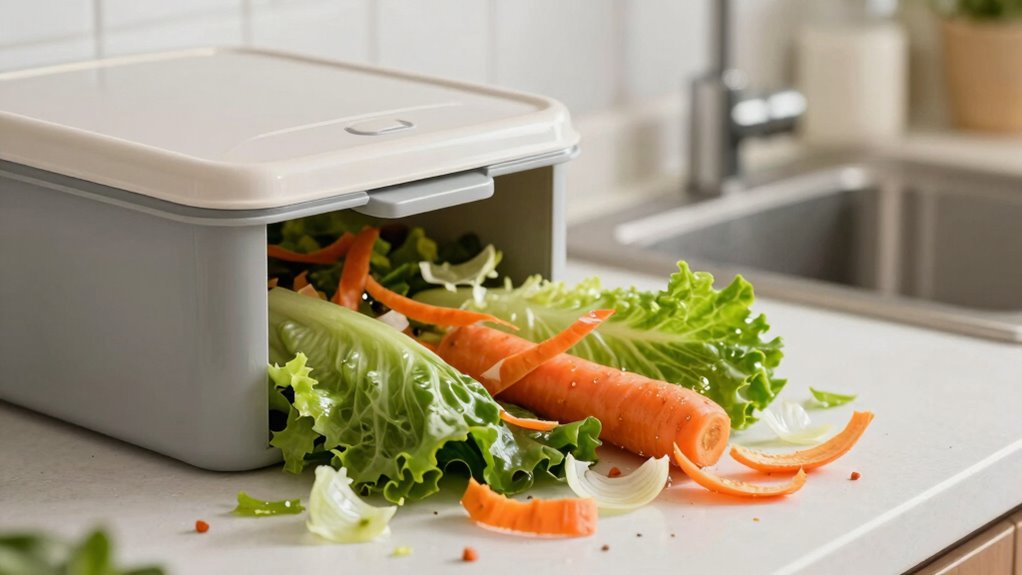
Ever wondered how to turn your kitchen scraps into nutrient-rich compost? If you’re interested in urban farming or simply want to reduce waste, establishing a consistent waste segregation routine is your first step. When you sort your kitchen waste properly, it not only make composting more efficient but also support sustainable urban farming practices. The key is to separate your organic waste from non-biodegradable items right from the start. Keep a dedicated bin for compostables, making it easy to toss in vegetable peels, fruit scraps, coffee grounds, and eggshells. Avoid mixing in plastics, metals, or non-organic waste, as these can hinder composting and damage your compost machine or pile. Waste segregation ensures that your composting process remains smooth and that your compost is of high quality, rich in nutrients, and free of contaminants.
Once you’ve sorted your waste, it’s essential to maintain a balanced mix of green and brown materials. Green waste includes kitchen scraps like vegetable peels and fresh fruit, which are rich in nitrogen. Brown waste comprises dry leaves, shredded paper, or cardboard, providing carbon. Properly balancing these materials accelerates decomposition and prevents odors, making the composting process more effective. By consistently segregating waste, you’ll notice that your compost machine works more efficiently because it receives a steady, appropriate supply of organic material. This routine reduces the need for frequent manual intervention and speeds up the composting cycle, turning your kitchen waste into usable compost faster. Additionally, understanding the importance of waste segregation can help foster more eco-conscious habits and support community composting efforts. Developing this routine also helps prevent contamination of your compost, ensuring the final product remains safe and nutrient-rich. Furthermore, practicing proper waste separation can contribute to reducing landfill waste and lowering greenhouse gas emissions associated with decomposition in landfills. Implementing a consistent routine can also lead to improved compost quality, which benefits your plants and the environment.
In an urban setting, waste segregation plays an even more essential role. Limited space means you want your composting to be as efficient as possible, reducing the amount of waste sent to landfills and supporting urban farming initiatives. When you segregate waste properly, you can also avoid pests and unpleasant smells, which often occur when non-compostable waste contaminates your bin. Additionally, this habit encourages mindfulness about your consumption patterns and waste generation, fostering a more sustainable lifestyle. It’s not just about composting; it’s about creating a routine that promotes eco-conscious living and supports local food production.
compost bin with green and brown waste separation
As an affiliate, we earn on qualifying purchases.
As an affiliate, we earn on qualifying purchases.
Frequently Asked Questions
Can I Compost Meat or Dairy Waste Safely?
You can compost meat and dairy waste, but you need to be cautious. Meat contamination and dairy decomposition can attract pests and create odors if not managed properly. To do so safely, bury meat and dairy scraps deep within the compost pile, cover them with carbon-rich materials like leaves or straw, and maintain hot composting conditions. This approach minimizes pests and speeds up decomposition, making your compost healthier and more efficient.
How Long Does It Take for Compost to Be Ready?
Compost typically takes 3 to 6 months to be ready, depending on factors like garden pests and compost temperature. Keeping the temperature between 135°F and 160°F helps break down waste faster and deters pests. Regularly turning your compost accelerates decomposition, ensuring your compost is rich and ready sooner. Be patient, monitor the temperature, and prevent pests, so your compost can mature into nutrient-rich soil for your garden.
What Are Common Signs of a Compost Problem?
You’ll notice compost problems if it emits a foul odor, indicating poor odor control or excess moisture. If it smells sour or rotten, check your moisture balance—too wet or dry can cause issues. Also, if the compost isn’t breaking down or looks overly wet or slimy, these are signs you need to adjust moisture levels and improve aeration. Regularly monitoring these factors keeps your compost healthy and odor-free.
Is It Necessary to Turn the Compost Regularly?
Yes, it’s necessary to turn your compost regularly to promote proper compost aeration and waste moisture control. Turning helps oxygen reach the microbes breaking down the organic waste, speeding up the composting process. It also prevents excess moisture buildup, which can cause odors or slow decomposition. By maintaining good aeration and moisture levels through regular turning, you guarantee your compost stays healthy, active, and ready to use sooner.
How Do I Prevent Pests From Accessing My Compost?
Your compost should be a pest-free paradise, not a pest invasion zone! To prevent pests, use effective pest deterrent strategies like adding a layer of finished compost or shredded newspaper on top. Opt for secure compost enclosure options, such as a tightly sealed bin or a wire mesh container, to keep pests out. Regularly turning your compost also helps, ensuring pests don’t settle in and making your compost healthier and safer.
As an affiliate, we earn on qualifying purchases.
Conclusion
So, next time you toss those veggie scraps, remember—you’re not just tossing trash, you’re fueling the eco-revolution. With a little routine, your kitchen waste becomes the superhero of compost, saving the planet one banana peel at a time. Who knew that dirty dishwater and coffee grounds could be so noble? Keep up the good work, and watch your compost machine turn your kitchen chaos into garden gold—because, really, what’s more glamorous than that?
As an affiliate, we earn on qualifying purchases.
As an affiliate, we earn on qualifying purchases.
Fall Picks
fall essentials
As an affiliate, we earn on qualifying purchases.