

Sleep debt is the hidden toll your body pays when you miss out on enough restorative sleep over time. It’s a cumulative deficit that causes fatigue, sluggishness, and can harm your health and mood. Disrupting your natural sleep schedule or poor sleep habits make it worse. Catching up on sleep or improving your routines can help, but understanding how this debt affects you is key. If you want to know how to better manage it, keep going.
Key Takeaways
- Sleep debt is a cumulative deficit from consistently not meeting sleep needs, leading to ongoing exhaustion.
- It involves not just fewer hours but also poor sleep quality affecting overall health.
- Disrupting circadian rhythms through irregular sleep worsens sleep debt and causes sluggishness.
- Poor sleep hygiene and irregular schedules increase the difficulty in recovering from sleep debt.
- Managing sleep debt requires consistent sleep habits and prioritizing rest for long-term health benefits.
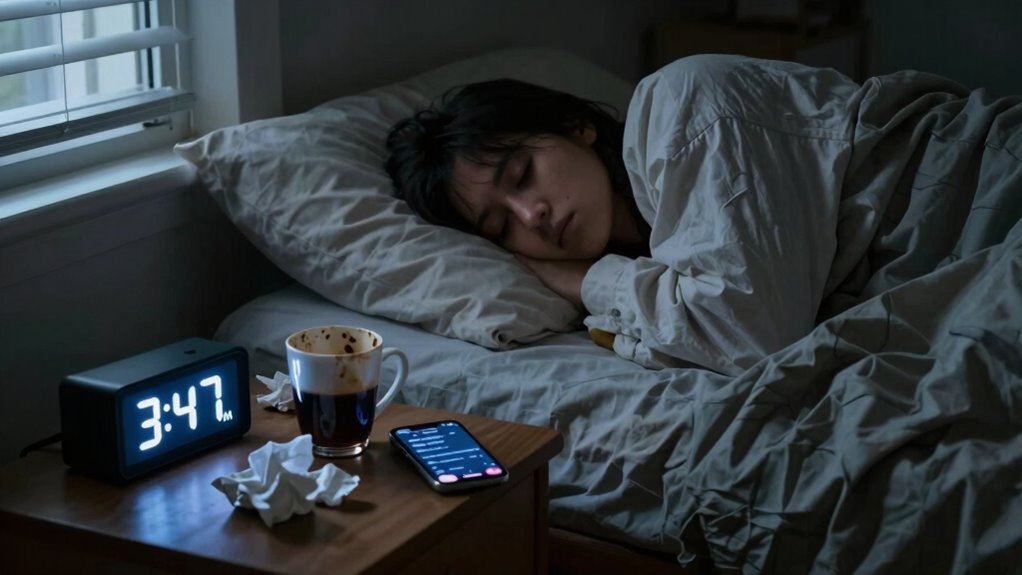
If you often find yourself feeling tired during the day, you might be accumulating sleep debt without even realizing it. Sleep debt happens when you consistently don’t get enough sleep to meet your body’s needs, leading to a cumulative deficit. Your body relies on circadian rhythms, the natural internal clock that regulates your sleep-wake cycle, to help you feel alert during the day and sleepy at night. When your sleep schedule disrupts these rhythms—say, by staying up late or waking up early—you hinder your body’s ability to reset and recharge properly. Over time, this disruption can cause your sleep debt to grow, leaving you feeling chronically exhausted.
Failing to meet your sleep needs builds up a hidden, exhausting sleep debt over time.
Understanding sleep debt means recognizing that it’s not just about the hours you sleep but also about the quality of that sleep. Sleep hygiene plays a crucial role here. Good sleep hygiene involves habits and routines that promote restful sleep, such as maintaining a consistent sleep schedule, avoiding caffeine or screens before bed, and creating a calming sleep environment. When your sleep hygiene is poor, it becomes harder for your body to fall asleep and stay asleep, compounding your sleep debt. If you’re not prioritizing sleep hygiene, you might find yourself awake during the night or waking up feeling unrefreshed, which adds to the overall deficit.
Your body’s need for sleep isn’t static; it’s influenced by your lifestyle, stress levels, and even your exposure to natural light. When you neglect your circadian rhythms—perhaps by irregular sleep times or excessive artificial light at night—you throw off your internal clock, making it more difficult for your body to recover from accumulated sleep debt. This misalignment can lead to feelings of sluggishness, difficulty concentrating, and mood swings. To combat this, it’s essential to establish a consistent sleep routine aligned with your body’s natural rhythms, and to practice good sleep hygiene habits that support this schedule.
Most importantly, recognizing that sleep debt is cumulative helps you understand the importance of catching up on rest. While a few nights of extra sleep can help close the gap, consistently poor sleep habits will only prolong your fatigue. Prioritizing sleep and understanding the role of circadian rhythms and sleep hygiene can help you break the cycle, restore your energy, and improve your overall health. Remember, sleep isn’t just a passive activity—it’s your body’s way of healing and rejuvenating, and paying attention to it is the key to overcoming sleep debt.

Google Fitbit Inspire 3 – Midnight Zen/Black – Small and Large Bands
- Energy and Wellness Tracking: Helps you feel your best daily
- Device Compatibility: Works with iOS 16.4+ and Android 11+
- Activity and Fitness Monitoring: Tracks activity, heart rate, and exercise modes
As an affiliate, we earn on qualifying purchases.
As an affiliate, we earn on qualifying purchases.
Frequently Asked Questions
How Long Does It Take to Recover From Sleep Debt?
It generally takes about a few days to a week to recover from sleep debt, depending on how much you’re behind. You should prioritize sleep tracking to understand your patterns and use recovery strategies like consistent bedtimes and naps. Aim for extra sleep during the weekend or days off, and avoid caffeine or screens before bed. Your body needs time to fully restore, so patience and good sleep habits are key.
Can Sleep Debt Affect Mental Health Long-Term?
Sleep debt can silently chip away at your mental health over time, like a slow leak in a boat. When you don’t catch up on sleep, your sleep quality suffers, and hormonal balance gets thrown off, leading to increased anxiety, depression, and cognitive issues. Long-term, this imbalance can make it harder to manage stress and maintain emotional stability, emphasizing the importance of prioritizing restorative sleep for your overall well-being.
Is Sleep Debt the Same as Chronic Sleep Deprivation?
Sleep debt isn’t exactly the same as chronic sleep deprivation, but they’re related. Sleep debt accumulates when you don’t get enough sleep, disrupting your sleep hygiene and throwing off your circadian rhythm. Over time, this can lead to chronic sleep deprivation, which harms your health. To avoid this, prioritize consistent sleep schedules and good sleep habits, helping your body reset and maintain a healthy circadian rhythm.
How Does Age Impact Sleep Debt Recovery?
Think of your sleep debt as a bank account; age-related changes are like adding new rules to this account. As you get older, your sleep pattern adjustments slow down recovery, making it harder to repay your sleep debt quickly. You may find it takes longer to bounce back from sleep deficits because your body’s natural processes become less efficient. Embracing good sleep habits becomes even more essential with age to keep your account balanced.
Can Napping Help Reduce Sleep Debt Effectively?
Yes, napping can effectively reduce sleep debt, especially through power naps lasting about 20 minutes, which boost alertness without causing sleep inertia. Incorporating naps into your routine supports sleep extension by helping you catch up on missed rest. To maximize benefits, plan power naps strategically during the day, ensuring they don’t interfere with your nighttime sleep, ultimately helping you recover from sleep debt more efficiently.
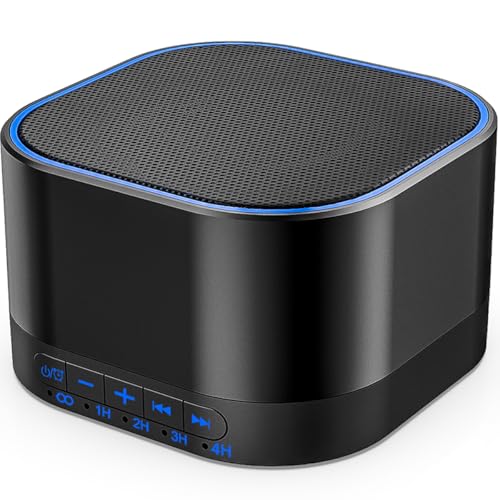
Magicteam Sound White Noise Machine with 20 Non Looping Natural Soothing Sounds and Memory Function 32 Levels of Volume Powered by AC or USB and Sleep Sound Timer Therapy for Baby Kids Adults
- 20 Non-Looping Soothing Sounds: Includes white, brown, pink, blue noise, and nature sounds
- Adjustable Volume & Timer: 32 volume levels and multiple timer options
- Portable & Compact Design: Small size for home, office, or travel use
As an affiliate, we earn on qualifying purchases.
As an affiliate, we earn on qualifying purchases.
Conclusion
Think of sleep debt like a financial loan—you borrow energy during busy days, only to find yourself exhausted when it’s time to pay back. Skipping sleep is like missing your monthly payments, and eventually, interest accumulates, leaving you drained. Just as neglecting bills leads to trouble, ignoring your sleep debt can catch up with you. Prioritize rest, and you’ll find your energy balance restored, ready to face each day with a full tank.

Vynix® Sleep Mask for Men Women – 100% Blackout Eye Masks for Sleep – 3D Soft Sleeping Mask for Side Sleepers – Zero Pressure Lash Extensions Eye Cover Shade for Airplane Travel Essentials, Black
- Complete Darkness: Blocks all light for deep sleep
- Zero Eye Pressure: Protects eyelash extensions and comfort
- Side Sleeper Friendly: Designed for all sleeping positions
As an affiliate, we earn on qualifying purchases.
As an affiliate, we earn on qualifying purchases.

livho High Tech Blue Light Blocking Gaming Glasses
- Blue Light Blocking: Reduces eye strain from screens
- UV Protection: Protects eyes from harmful UV rays
- Stylish Women's Frame: Chic and functional design for women
As an affiliate, we earn on qualifying purchases.
As an affiliate, we earn on qualifying purchases.