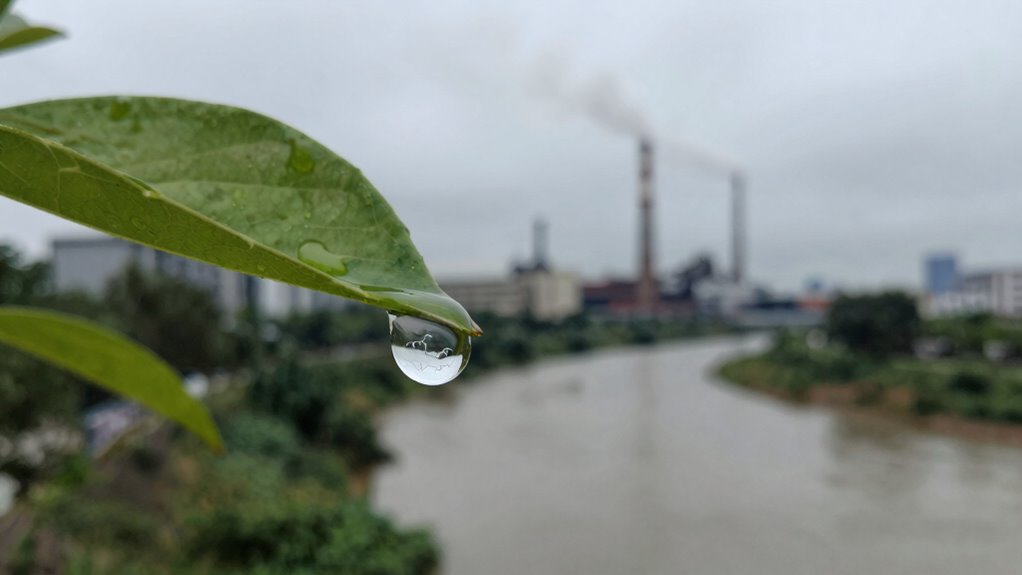

You should know that PFAS has become a big public concern because these chemicals are everywhere—found in everyday items like cookware, clothing, and food packaging—and they don’t break down over time. They can contaminate your water and food, accumulate in animals and humans, and are linked to serious health issues like cancer and immune problems. The difficulty in detecting and regulating PFAS makes it even more concerning. If you’re curious about how this impacts your environment and health, there’s more to discover.
Key Takeaways
- PFAS are persistent chemicals that do not break down, leading to widespread environmental and health contamination.
- They bioaccumulate in humans and wildlife, linked to serious health issues like cancer and immune suppression.
- Detection of PFAS is challenging, hindering regulation and public awareness of exposure levels.
- Regulatory efforts are inconsistent and often outdated, raising concerns about consumer safety.
- Growing public awareness and advocacy demand transparency and stricter controls on PFAS use and contamination.
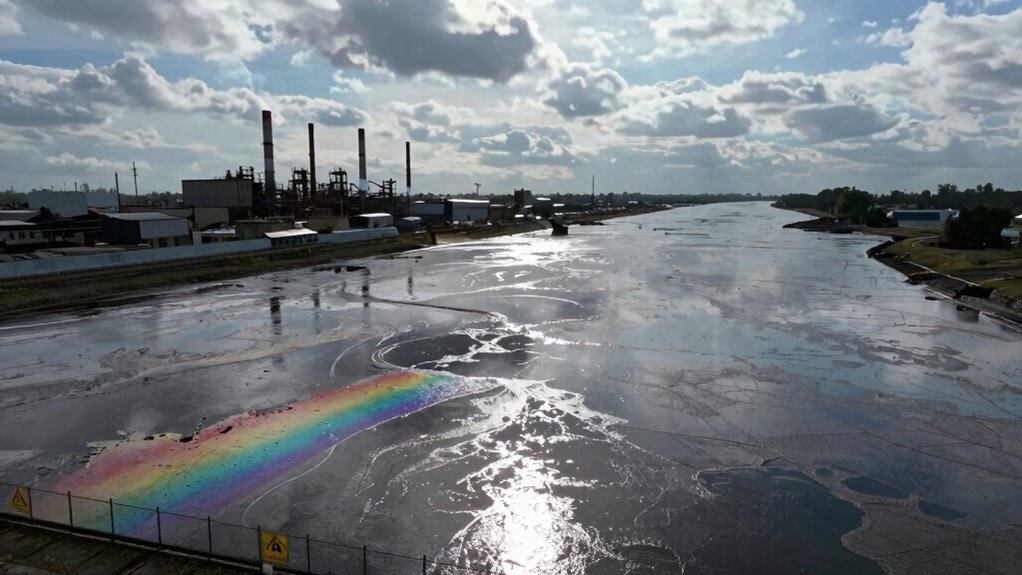
Public concern over PFAS, a group of harmful chemicals found in everyday products, has grown rapidly in recent years. These chemicals, often called “forever chemicals” because of their persistence in the environment, have raised alarm due to their widespread presence and potential health risks. You might not realize it, but PFAS are in non-stick cookware, water-repellent clothing, firefighting foam, and even some food packaging. As more people become aware of their presence, worries about their long-term effects on health and ecosystems increase. The concern isn’t just about individual exposure but also about the cumulative impact on communities and wildlife.
One of the main reasons PFAS became such a significant public issue is the environmental impact they cause. These chemicals don’t break down easily, so they tend to accumulate in soil, water, and living organisms over time. You could be drinking water contaminated with PFAS from a nearby manufacturing plant or firefighting training site without even knowing it. Once in the environment, PFAS can travel long distances, contaminating groundwater and affecting entire ecosystems. Wildlife, especially aquatic life, is particularly vulnerable, as they absorb these chemicals through contaminated water and food sources. The bioaccumulation of PFAS in animals and humans raises serious concerns because of their links to health problems like cancer, immune system suppression, and hormonal disruption. Additionally, the difficulty in detecting and measuring PFAS compounds complicates efforts to regulate and mitigate their spread. Researchers are actively working to develop better detection methods to address this challenge. Improving detection techniques is crucial for understanding the full scope of PFAS contamination and protecting public health. Enhanced analytical capabilities are essential for identifying even trace amounts of these persistent chemicals in various environments.
However, tackling PFAS isn’t straightforward because of the regulatory challenges involved. Governments and agencies worldwide are struggling to establish effective guidelines and limits for these chemicals. The science is complex, with ongoing research trying to understand exactly how PFAS affect health and the environment. Regulatory agencies often face pushback from industries that use PFAS in manufacturing, fearing economic consequences if restrictions are too strict. This creates a delicate balance where policymakers must protect public health without causing undue disruption to businesses. Additionally, existing regulations are often outdated or inconsistent across regions, making enforcement difficult. The widespread use of PFAS in consumer products also complicates regulation, as banning or limiting them requires careful assessment of alternatives and potential unintended consequences.
All these challenges contribute to the heightened public concern. People want transparency, safety, and accountability, but the regulatory landscape remains complicated. Your awareness of PFAS and their dangers is vital because it puts pressure on authorities to act swiftly and effectively. As research continues and regulations evolve, there’s hope that the environmental impact of PFAS will be mitigated and that future policies will better address these regulatory challenges. Until then, understanding the risks and staying informed helps you navigate the ongoing debate and advocate for safer, cleaner environments.
As an affiliate, we earn on qualifying purchases.
Frequently Asked Questions
How Do PFAS Chemicals Enter the Human Body?
You can be exposed to PFAS chemicals through contaminated water, food, or even household products. Because of their environmental persistence, these chemicals don’t break down easily, leading to bioaccumulation in your body over time. When you consume contaminated water or food, or come into contact with PFAS-containing items, the chemicals enter your system, raising health concerns due to their lasting presence and potential to accumulate in your tissues.
Are There Safe Levels of PFAS Exposure?
There are no definitive safe levels of PFAS exposure, as these chemicals can accumulate in your body over time. Regulatory standards vary, but many experts agree they are not strict enough to fully protect public health. Consumer awareness is essential; staying informed about PFAS sources and reducing contact helps minimize risk. Authorities continue researching safe limits, but until then, cautious exposure reduction remains your best defense.
What Industries Are Most Responsible for PFAS Pollution?
You should know that industries like manufacturing, firefighting foam producers, and textile companies are most responsible for PFAS pollution. These sectors often engage in industrial contamination, releasing PFAS into the environment. Regulatory challenges make it difficult to control and monitor these emissions effectively. As a result, your community faces increased exposure risks, highlighting the urgent need for stricter regulations and better oversight to protect public health.
Can PFAS Be Completely Removed From Contaminated Water?
You can’t completely remove PFAS from contaminated water easily. Environmental remediation techniques can markedly reduce these chemicals, but complete elimination remains challenging due to their persistence. Regulatory challenges also hinder the development of more effective cleanup methods. As a result, some PFAS may remain even after treatment, posing ongoing health risks. Continuous research and stricter regulations are essential to improve cleanup efforts and protect public health.
What Are the Long-Term Health Effects of PFAS Exposure?
Imagine you’ve been exposed to PFAS for years; the environmental persistence means these chemicals stay in your body and environment, leading to potential health issues. Long-term exposure has been linked to immune system suppression, hormone disruption, and increased cancer risks. Regulatory challenges make it tough to fully control or eliminate PFAS, so these health effects could continue to pose risks over decades. Staying informed and advocating for stricter regulations helps protect your health.
PFAS-free water-repellent clothing
As an affiliate, we earn on qualifying purchases.
As an affiliate, we earn on qualifying purchases.
Conclusion
So, you’ve seen how PFAS problems persist, provoking public protests and pushing policymakers to prioritize prevention. As awareness amplifies, your voice matters—pushing for policies that protect, prevent pollution, and promote transparency. By staying informed and involved, you can help break the cycle of chemical contamination. Together, through vigilance and voice, you can push for progress, promising a safer, cleaner, and healthier future free from persistent pollution.
As an affiliate, we earn on qualifying purchases.
As an affiliate, we earn on qualifying purchases.