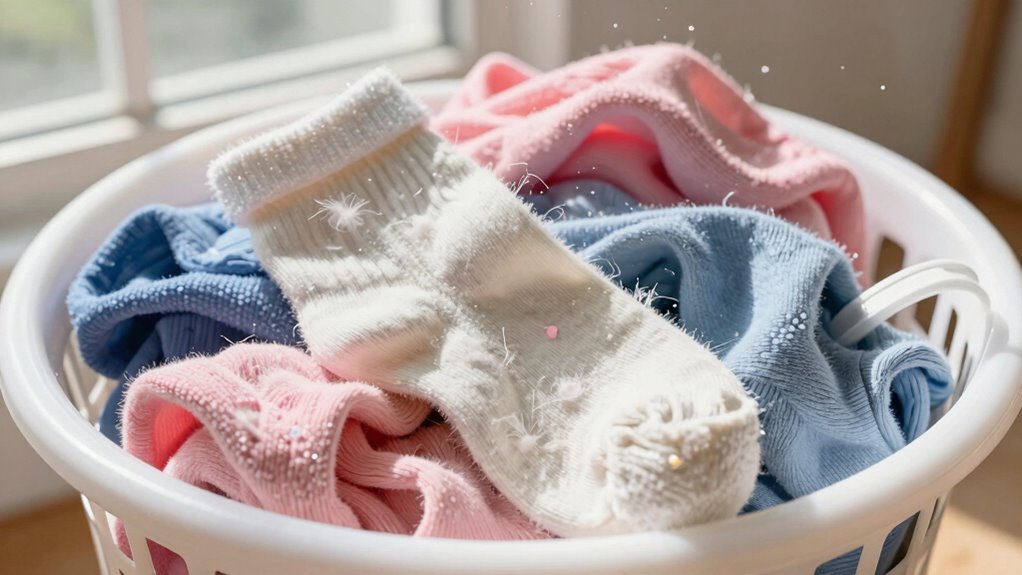

Your laundry habits can considerably impact microfiber pollution. Harsh detergents, hot water, and aggressive cycles cause fabrics to break down faster and shed more tiny fibers. Washing synthetic garments frequently releases a high volume of microfibers that often bypass filters and water treatment systems. Using cold water, gentle cycles, and eco-friendly detergents can reduce fiber shedding. Installing microfiber filters or laundry bags also helps catch those fibers before they reach waterways. Keep going to discover more ways to make your laundry routine greener.

Get audio and creator gear delivered free with Prime
- Fast, free delivery on millions of items
- Prime Video, Amazon Music and more included
- Member-only deals all year
Key Takeaways
- Using harsh detergents, hot water, and aggressive cycles accelerates textile degradation and microfiber release.
- Washing synthetic fabrics like polyester and nylon significantly increases microfiber shedding into water systems.
- Skipping microfiber filters or laundry bags allows fibers to bypass water treatment and enter waterways.
- Frequent washing of clothing shortens textile lifespan, leading to more fiber release and waste.
- Neglecting eco-friendly or gentle laundry practices elevates microfiber pollution from household washing.
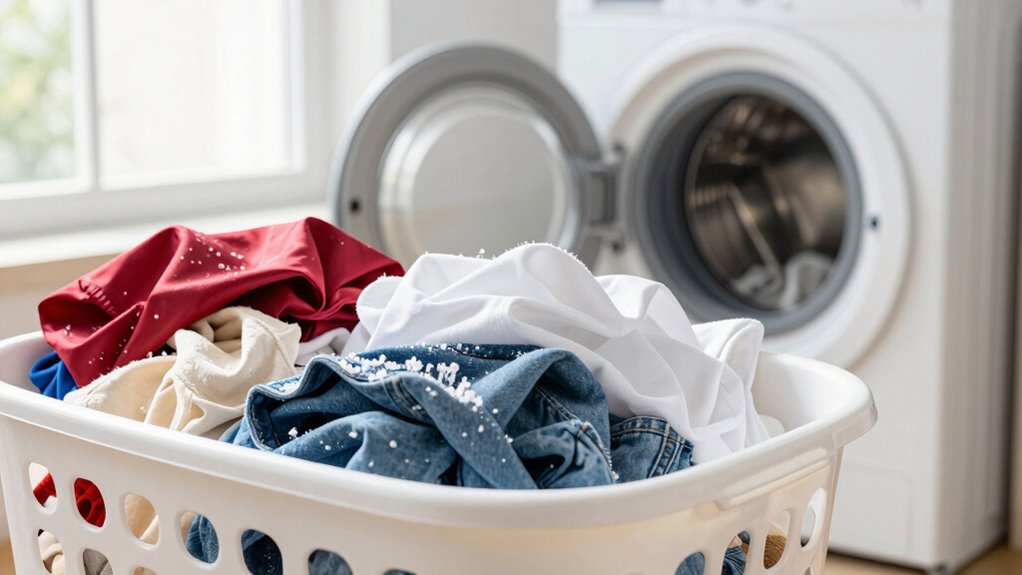
Every time you do laundry, tiny fibers break off from your clothes and enter the environment, contributing to microfiber pollution. These microscopic fibers are a byproduct of textile degradation, a natural process that occurs whenever fabrics are washed, worn, or exposed to wear and tear. Over time, repeated washing causes fibers to loosen and shed, releasing millions of microfibers into wastewater. Once in the water system, these fibers escape treatment plants and flow into rivers, lakes, and oceans. The environmental impact of this pollution is significant, affecting aquatic life and potentially entering the food chain.
Every laundry cycle releases tiny fibers that pollute waterways and threaten aquatic ecosystems.
When you wash synthetic garments like polyester, nylon, or acrylic, you’re unwittingly releasing a high number of microfibers. These fibers are tiny, often less than 5 millimeters long, which makes them difficult for water treatment facilities to catch. As a result, they bypass filtration systems and spread into natural habitats. The degradation of textiles accelerates as fibers break down into smaller pieces, increasing their ability to disperse widely. This ongoing process leads to a persistent accumulation of microplastics in ecosystems, threatening marine animals that mistake these fibers for food or become entangled in them.
The environmental impact extends beyond just marine creatures. Microfibers can carry toxic chemicals absorbed from the environment or from the fabrics themselves, such as dyes, flame retardants, or other chemical treatments. When animals ingest these contaminated fibers, toxins can bioaccumulate, affecting the health of entire ecosystems and even humans, who consume seafood contaminated with microplastics. Additionally, textile degradation due to repeated washing shortens the lifespan of your clothes, making them wear out faster and requiring more frequent replacements. This cycle fuels a larger environmental footprint by increasing textile production, resource consumption, and waste. Recognizing the environmental consequences of microfiber pollution emphasizes the importance of adopting sustainable laundry practices.
Your laundry habits directly influence the extent of microfiber pollution. Using harsh detergents, hot water, or aggressive washing cycles can accelerate textile degradation, causing more fibers to shed. Conversely, washing clothes in cold water, using gentle cycles, or opting for eco-friendly detergents can reduce fiber release. Installing microfiber filters in your washing machine or using microfiber-catching laundry bags offers practical ways to minimize environmental impact. Microfiber pollution is a complex issue that highlights the importance of sustainable laundry practices. Every small change in your laundry routine can make a difference in limiting microfiber pollution, protecting aquatic ecosystems, and reducing the overall degradation of textiles. Being mindful of how you wash your clothes helps you take an active role in addressing a pressing environmental issue rooted in everyday habits. Additionally, supporting innovations in fiber-reduction technology can further enhance efforts to minimize microfiber shedding during laundry. Incorporating proper washing techniques and choosing sustainable fabrics can also significantly reduce microfiber release.
As an affiliate, we earn on qualifying purchases.
Frequently Asked Questions
How Do Microfiber Pollutants Affect Human Health?
Microfiber pollutants can affect your health through inhalation and skin contact. When you breathe in microfiber particles, they can lodge in your lungs, causing respiratory issues like irritation or inflammation. Microfiber inhalation may also lead to long-term health risks. Additionally, tiny fibers contacting your skin can cause irritation or allergic reactions. Reducing microfiber exposure by using filters and gentle laundry practices helps protect your health from these small but harmful particles.
Are There Specific Laundry Detergents That Reduce Microfiber Shedding?
Think of laundry detergents as guardians that guard your clothes and the environment. Eco-friendly detergents with fiber reducing formulas are designed specifically to minimize microfiber shedding during wash cycles. These products help hold fibers in place, preventing them from escaping into water systems. By choosing such detergents, you actively reduce microfiber pollution, supporting cleaner waterways and a healthier planet while keeping your clothes fresh and intact.
Can Microfiber Pollution Be Completely Eliminated From Laundry?
Microfiber pollution can’t be completely eliminated from laundry, but you can greatly reduce it. Using laundry innovations like microfiber-catching filters and washing synthetic fabrics carefully helps. When you wash synthetic fabrics, fibers shed and enter water systems, but opting for cold water, gentle cycles, and avoiding high heat minimizes shedding. While total elimination isn’t possible yet, adopting these practices makes a meaningful difference in lowering microfiber pollution.
What Are the Best Washing Machine Settings to Minimize Microfiber Release?
To minimize microfiber release, set your washing machine to a lower temperature, like cold or warm, and avoid high spin cycle intensity. Using cooler water reduces fiber breakdown, while gentler spins lessen fiber shedding. Additionally, choose delicate or eco-friendly settings if available. These adjustments help protect your clothes and the environment by reducing microfiber pollution, making your laundry routine more sustainable and eco-conscious.
How Does Microfiber Pollution Impact Aquatic Ecosystems?
Imagine microfibers as tiny invaders slipping into your favorite stream, disrupting aquatic ecosystems. These microplastics accumulate in water, harming marine life and contaminating food chains. Microfiber filtration and eco-friendly detergents act as shields, preventing pollution. By reducing microfiber release, you help protect aquatic habitats, ensuring they stay healthy. Your conscious laundry choices can make a big difference in safeguarding the environment from microplastic pollution.
As an affiliate, we earn on qualifying purchases.
Conclusion
So, next time you toss your clothes in the wash, remember—you’re not just cleaning your wardrobe, you’re releasing a microscopic tsunami of microfiber pollution into the world! Your laundry habit could be fueling an ecological disaster on par with a volcano eruption or asteroid strike. It’s time to rethink, reduce, and revolutionize how you wash—because if you don’t, you might just be unwittingly turning our planet into a giant microfiber soup!
As an affiliate, we earn on qualifying purchases.
cold water laundry washing machine
As an affiliate, we earn on qualifying purchases.
As an affiliate, we earn on qualifying purchases.
Halloween Picks
halloween
As an affiliate, we earn on qualifying purchases.