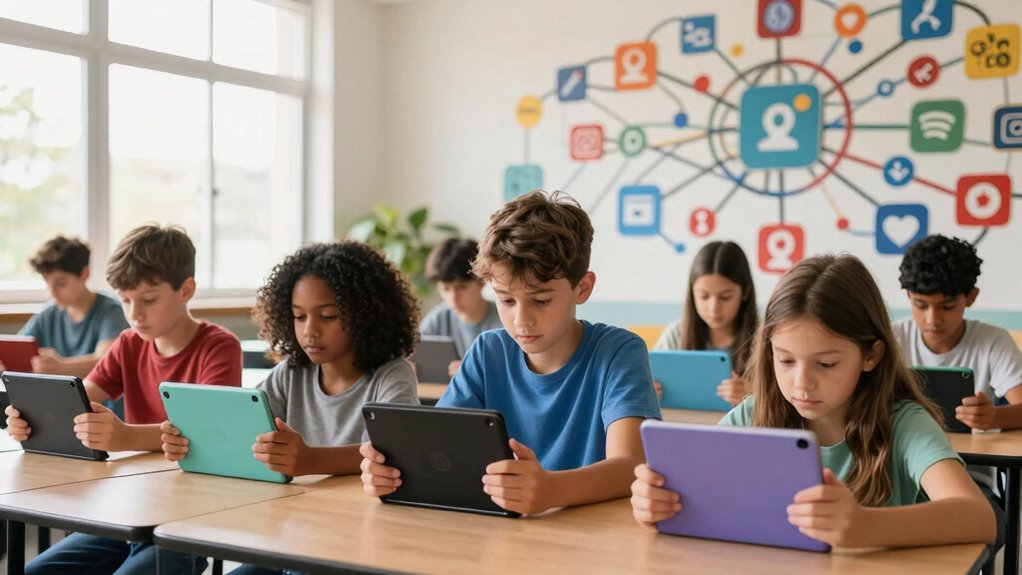

Media literacy has become a crucial life skill because you need to navigate the overwhelming flow of digital information and avoid misinformation and manipulation. By developing critical skills like questioning content sources, verifying facts, and recognizing bias, you can make smarter decisions and engage responsibly online. This ability helps you see beyond sensational headlines and understand underlying motives. If you keep exploring, you’ll discover how to master these skills and protect yourself in today’s digital world.

Get audio and creator gear delivered free with Prime
- Fast, free delivery on millions of items
- Prime Video, Amazon Music and more included
- Member-only deals all year
Key Takeaways
- The digital age’s information overload highlighted the need for critical evaluation skills, making media literacy essential for informed decision-making.
- Recognizing the spread of misinformation and fake news emphasized media literacy as vital for discerning credible sources.
- Increasing media manipulation and bias awareness cultivated the understanding that media literacy is crucial for responsible engagement.
- The integration of digital skepticism and verification skills into daily life underscored media literacy as a fundamental life skill.
- Educational and societal shifts acknowledged media literacy as a key competency for navigating complex digital environments responsibly.
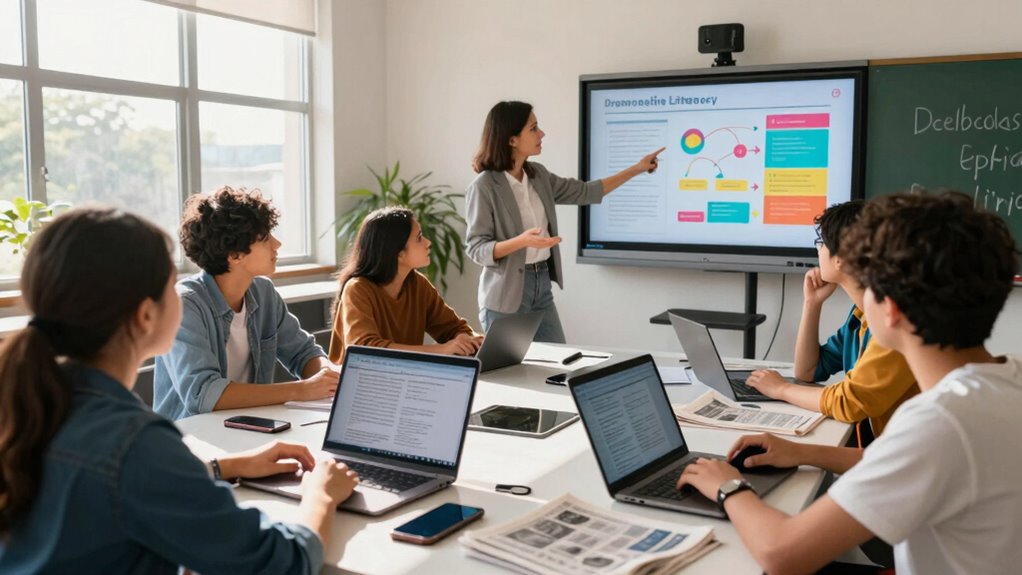
In today’s digital age, understanding how to navigate media is essential for making informed decisions and engaging responsibly with the world around you. With information flooding your feeds every second, developing media literacy isn’t just helpful — it’s a necessity. You need to be able to sift through the noise, question what you see, and verify facts before accepting them as truth. That’s where digital skepticism comes in; it prompts you to approach content critically, recognizing that not everything online is accurate or unbiased. Instead of passively consuming information, you actively question its source, intent, and reliability. This mindset helps you avoid falling for misinformation and manipulative narratives that can spread rapidly online.
Information verification becomes a core skill in this landscape because it allows you to distinguish fact from fiction. When you encounter a surprising claim or controversial news story, you don’t just accept it at face value. Instead, you look for credible sources, cross-check facts across multiple outlets, and consider the context. You learn to identify credible websites, recognize biased reporting, and evaluate the evidence supporting various claims. This process isn’t always quick, but it’s vital for forming your own well-informed opinions. Over time, you become less vulnerable to fake news and more adept at navigating complex issues with a balanced perspective. Developing media literacy also involves understanding media bias, which helps you recognize when content is skewed or presented with particular agendas.
Media literacy also means understanding the motives behind the content you see. Recognizing advertising, political messaging, or sensationalism helps you see beyond the surface and understand what’s really being communicated. This awareness is crucial because it shapes how you interpret information and influences your responses. As you develop these skills, you start to see media not just as entertainment but as a tool with intentions behind it. This understanding is further reinforced by a grasp of content manipulation, which can alter perceptions and emotions to guide viewer reactions. You become more conscious of how your perceptions are shaped and how to critically analyze the information before you react.
Incorporating digital skepticism and information verification into your daily habits transforms how you interact with the media. It empowers you to be a responsible consumer and creator of content, making your online experience more intentional and informed. Understanding media literacy as a core life skill is essential because it helps you develop a critical mindset that guides your interactions with all forms of media. As media literacy becomes a core life skill, you’re better equipped to navigate the digital world confidently, thoughtfully, and ethically. It’s no longer enough to just be a passive viewer; you need to be an active, discerning participant. Developing these skills ensures you stay informed, make smarter choices, and engage with media in a way that promotes understanding rather than confusion.
Frequently Asked Questions
How Does Media Literacy Impact Critical Thinking Skills?
Media literacy boosts your critical thinking skills by teaching you to detect bias and evaluate sources effectively. When you analyze information carefully, you become more aware of hidden agendas and unreliable data. This skill helps you question what you see and hear, making you less vulnerable to misinformation. As a result, you make smarter decisions, form well-informed opinions, and develop a deeper understanding of complex issues.
Can Media Literacy Be Effectively Taught to All Age Groups?
Yes, media literacy can be effectively taught to all age groups. You can engage learners through interactive workshops that cater to their developmental stages and use age-appropriate curricula that simplify complex concepts. By tailoring approaches to different ages, you help guarantee understanding, foster critical thinking, and build skills that empower everyone to navigate media confidently, regardless of their age. Consistent, engaging, and relevant teaching makes media literacy accessible for all.
What Role Does Social Media Play in Media Literacy Development?
Social media plays a vital role in your media literacy development by offering abundant opportunities for visual analysis and fostering digital skepticism. As you navigate platforms, you learn to critically assess images, videos, and messages, questioning their authenticity and intent. This constant exposure helps you develop sharper skills in spotting misinformation and understanding underlying biases, making social media an indispensable tool for honing your ability to interpret and evaluate digital content effectively.
How Does Media Literacy Influence Misinformation Spread?
Media literacy helps you spot misinformation by teaching you to recognize disinformation tactics and propaganda detection techniques. When you understand how false information spreads, you become less likely to share or believe it. You actively evaluate sources, question motives, and analyze content critically. This skill reduces the impact of misinformation, empowering you to navigate media landscapes more responsibly and preventing false narratives from spreading further.
Are There Standardized Assessments for Media Literacy Proficiency?
There are some standardized assessments designed to measure media literacy proficiency, but they aren’t universally adopted yet. These assessments often include proficiency benchmarks to evaluate your skills in analyzing sources, recognizing bias, and understanding media messages. While they help gauge your abilities, the field still lacks a widely accepted, all-encompassing standard. So, you might encounter different tests with varying criteria, making it essential to develop your skills beyond just standardized measures.
Conclusion
Think of media literacy as your trusty compass in a vast, stormy sea. With it, you can navigate through waves of misinformation, steer clear of hidden rocks of bias, and find the safe harbor of truth. As you hone this skill, you’re not just drifting aimlessly—you’re charting your own course with confidence. Embrace media literacy as your essential life tool, guiding you safely through the turbulent waters of information, toward clarity and understanding.
Fall Picks
fall essentials
As an affiliate, we earn on qualifying purchases.