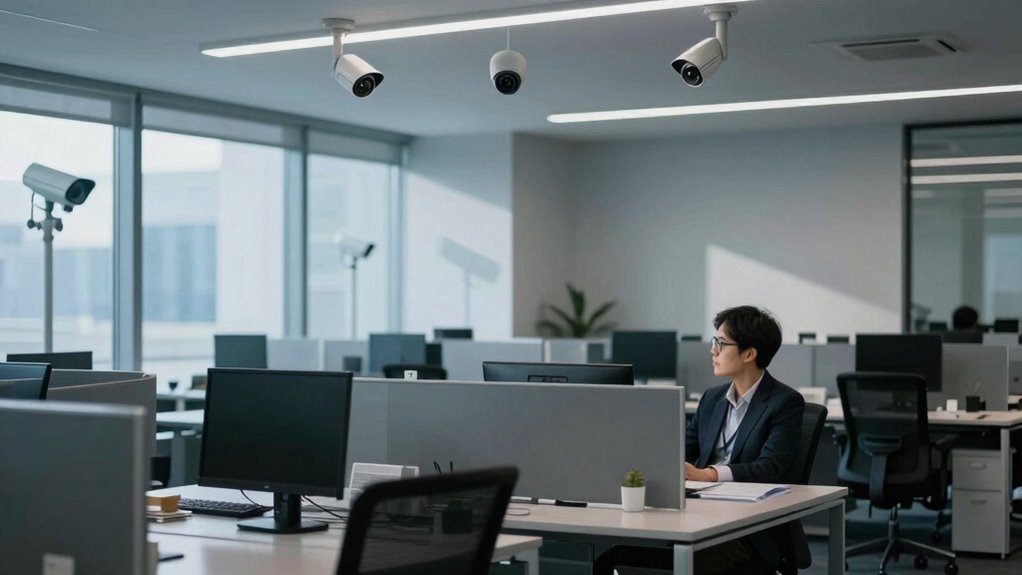
Workplace surveillance goes beyond boosting productivity, raising serious ethical, legal, and privacy concerns that directly impact you. Constant monitoring can make you feel intruded upon, eroding personal boundaries and trust. It may cause stress, burnout, and a sense of undervaluation, all of which harm your well-being. These issues challenge the balance between oversight and respect for your rights, making it a broader conversation than just efficiency. If you explore further, you’ll see these questions extend far beyond work metrics.

Get audio and creator gear delivered free with Prime
- Fast, free delivery on millions of items
- Prime Video, Amazon Music and more included
- Member-only deals all year
Key Takeaways
- Workplace surveillance can infringe on employee privacy and personal boundaries, raising ethical concerns beyond productivity concerns.
- It may erode trust and damage workplace culture, leading to suspicion and decreased morale.
- Surveillance practices often blur ethical lines, especially when monitoring outside work hours or personal devices.
- Legal and rights considerations highlight the importance of transparency and respect for individual privacy.
- The negative impact on employee well-being and engagement can outweigh potential productivity gains.
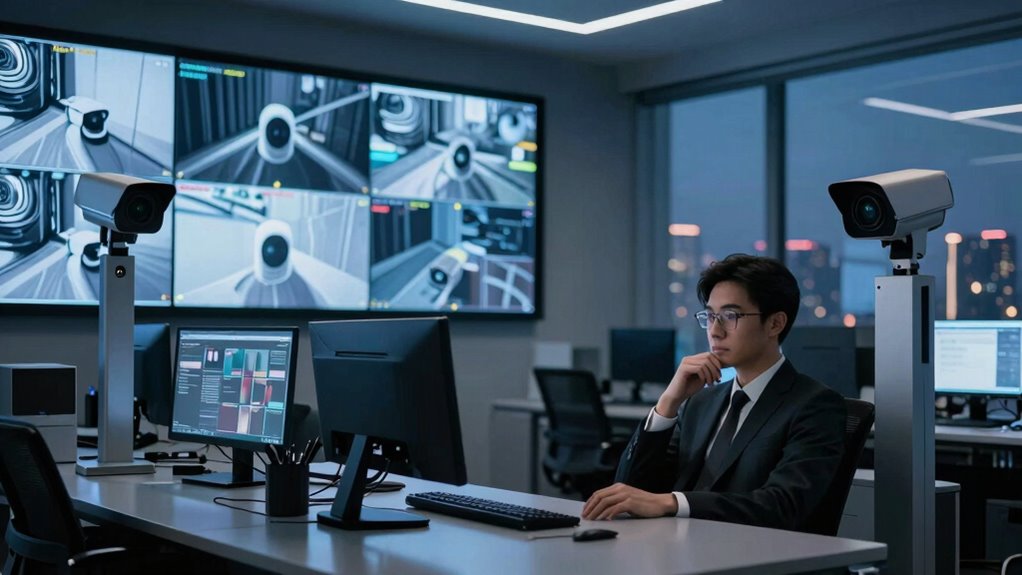
As workplaces increasingly adopt surveillance technologies, questions about ethics and privacy become unavoidable. You may wonder whether monitoring employees boosts productivity or simply erodes trust. While some managers argue that surveillance helps keep tabs on work output, it also raises significant privacy concerns. When you know you’re being watched constantly, it can create a sense of intrusion, making you feel like your personal space at work is shrinking. This invasion of privacy can lead to discomfort and even resentment, which ultimately harms your morale and engagement.
Constant surveillance at work can erode trust, invade privacy, and harm morale and engagement.
Beyond privacy concerns, surveillance impacts employee trust in the organization. When you realize that your every move is being tracked, it can feel like management doesn’t trust your professionalism or integrity. This erosion of trust can result in a less collaborative environment, where employees feel more like suspects than valued team members. Instead of fostering a culture of mutual respect, heavy monitoring can make you feel scrutinized and undervalued, decreasing your motivation to perform at your best. Trust is the foundation of a productive workplace, and if surveillance damages that trust, it can backfire, leading to decreased productivity in the long run.
Furthermore, the ethical questions surrounding workplace surveillance extend beyond privacy and trust. You might ask yourself whether it’s fair to constantly monitor employees’ personal devices or locations, especially outside work hours. Many surveillance practices blur the line between legitimate oversight and overreach, leaving you wondering whether the organization respects your personal boundaries. Ethical concerns also include the potential misuse of data collected through surveillance—such as sharing it with third parties or using it for disciplinary actions without transparency. These practices can create a sense of insecurity and suspicion, making it harder for you to feel confident that your rights are being protected. Additionally, the impact on employee autonomy can be significant, as constant oversight may diminish your sense of control over your own work environment. Understanding the legal regulations surrounding surveillance can help employees and employers navigate these ethical dilemmas more effectively. Moreover, understanding privacy rights can empower employees to advocate for fair practices and better protections. Recognizing the importance of ethical considerations can also help organizations develop responsible surveillance policies that respect individual rights. As awareness of employee rights increases, organizations are encouraged to consider more transparent and balanced approaches to surveillance.
The focus on productivity often overshadows these deeper issues, but the reality is that surveillance can have unintended consequences. When you’re under constant watch, your stress levels might rise, and your sense of autonomy can diminish. Over time, this environment can lead to burnout or disengagement, which defeats the original goal of improving productivity. So, while surveillance might seem like a straightforward way to keep tabs on work, it raises bigger questions about ethics, privacy, and the kind of workplace culture we want to build. Ultimately, balancing oversight with respect for individual rights is essential to creating a healthy, trustworthy work environment that values both efficiency and employee well-being.
employee privacy protection device
As an affiliate, we earn on qualifying purchases.
As an affiliate, we earn on qualifying purchases.
Frequently Asked Questions
How Do Employees Feel About Constant Monitoring?
You might feel uneasy about constant monitoring, as it can erode employee trust and blur privacy boundaries. While some see surveillance as a way to boost productivity, others worry it infringes on their personal space and autonomy. This ongoing monitoring can create stress and reduce job satisfaction. Ultimately, balancing workplace oversight with respect for privacy helps maintain a healthy environment and keeps trust intact.
What Legal Rights Do Workers Have Against Surveillance?
You have legal protections that safeguard your privacy rights against excessive workplace surveillance. Laws vary by location, but generally, employers must inform you about monitoring practices and use data responsibly. Your privacy rights guarantee you’re not subjected to intrusive or unwarranted surveillance, especially outside work hours. Stay informed about your local laws and company policies to understand your rights fully and challenge practices that violate your privacy.
How Does Surveillance Impact Employee Mental Health?
Surveillance can negatively impact your mental health by increasing privacy concerns and creating a constant feeling of being watched. This can lead to stress, anxiety, and decreased job satisfaction. When you feel your privacy is compromised, it’s harder to focus and stay motivated. You might also experience burnout more quickly. Overall, excessive surveillance undermines your mental well-being, making it essential for workplaces to find a balance that respects privacy while maintaining productivity.
Are There Industries Where Surveillance Is More Accepted?
Ever wonder which industries are more accepting of surveillance? You’ll find that industries like finance, healthcare, and tech tend to have higher industry acceptance, largely due to strict regulatory requirements and security concerns. Surveillance norms are more embedded here to safeguard sensitive data and guarantee compliance. In these sectors, ongoing monitoring is often seen as necessary, balancing productivity with security, though it still raises questions about privacy and employee trust.
How Can Companies Balance Security and Privacy Concerns?
You can balance security and privacy concerns by implementing strong data encryption to protect employee information and guarantee transparency about surveillance practices. Prioritize surveillance ethics by clearly communicating policies, respecting boundaries, and only monitoring what’s necessary. Regularly review your practices to prevent overreach, and involve employees in discussions about privacy. This approach fosters trust, maintains security, and respects individual rights, creating a healthier work environment for everyone.
workplace surveillance countermeasures
As an affiliate, we earn on qualifying purchases.
As an affiliate, we earn on qualifying purchases.
Conclusion
As you consider workplace surveillance, it’s clear that the ethical questions outweigh mere productivity. It’s not just about tracking hours or monitoring screens; it’s about respecting privacy and trust. When you scrutinize employees constantly, you risk eroding morale and damaging relationships. So, ask yourself: does increased oversight truly serve everyone’s best interests? Ultimately, the truth reveals that balancing security with respect fosters a healthier, more committed work environment—one where trust, not suspicion, thrives.
personal privacy screen for office
As an affiliate, we earn on qualifying purchases.
As an affiliate, we earn on qualifying purchases.
As an affiliate, we earn on qualifying purchases.
Halloween Picks
halloween
As an affiliate, we earn on qualifying purchases.