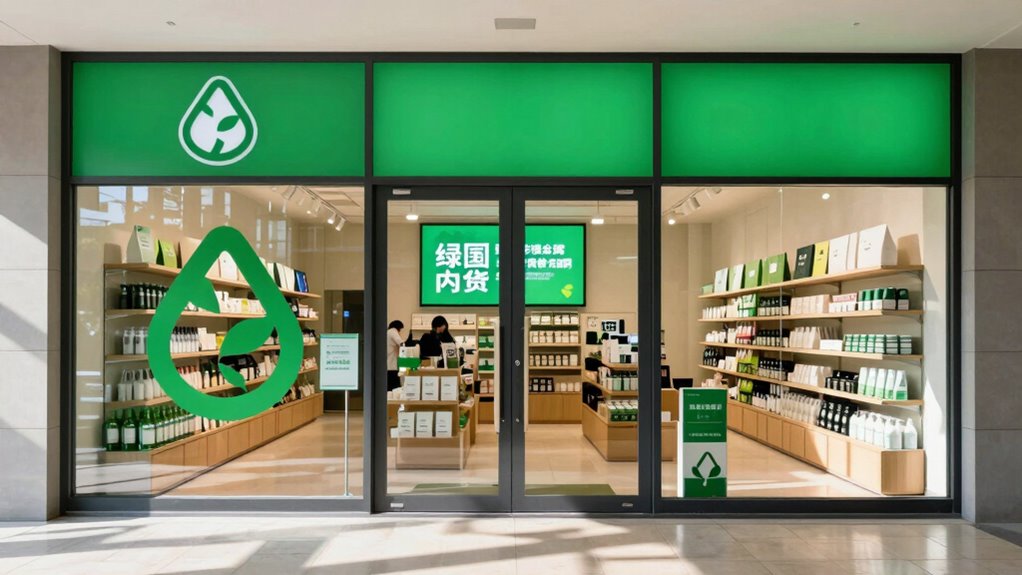
As the green claims crackdown intensifies, you’ll find that more brands will be required to back up their environmental promises with credible evidence and transparent data. Expect regulatory agencies to scrutinize vague language and demand verifiable proof, making it harder for companies to greenwash. Certified labels like FSC or CarbonNeutral will become more critical in identifying genuinely eco-friendly products. If you want to understand how these changes will impact your choices, there’s more to discover below.

Get audio and creator gear delivered free with Prime
- Fast, free delivery on millions of items
- Prime Video, Amazon Music and more included
- Member-only deals all year
Key Takeaways
- Increased regulatory scrutiny will force brands to provide verifiable proof for their environmental claims.
- Companies may face penalties or reputational damage if found guilty of greenwashing.
- Third-party certifications will become essential to substantiate eco-friendly marketing efforts.
- Transparency requirements will push brands to disclose detailed environmental impact data.
- Consumers will become more adept at distinguishing genuine sustainability from greenwashed marketing.

Are companies exaggerating their environmental claims? You might wonder if many brands are stretching the truth when it comes to their green initiatives. The recent crackdown on green claims reveals that some companies have overpromised or misrepresented their efforts, especially regarding sustainable packaging and eco-friendly certifications. This scrutiny is part of a broader effort to guarantee consumers aren’t duped by misleading labels or vague promises. When brands tout their products as eco-friendly, it’s essential that these claims are backed by concrete evidence, not just marketing jargon. Otherwise, you risk falling for “greenwashing,” where the claimed environmental benefits are exaggerated or outright false.
Companies may be overstating their environmental efforts; look for credible proof to avoid greenwashing.
The push for transparency means brands will have to be more diligent about verifying their claims. Sustainable packaging, for example, isn’t just about using recycled materials; it involves a thorough approach that considers the entire lifecycle of the product, from sourcing to disposal. When companies promote their packaging as “eco-friendly,” you’ll want to see clear proof—such as third-party certifications—that verify these claims. Eco-friendly certifications, like FSC or CarbonNeutral labels, serve as credible indicators that a product genuinely meets certain environmental standards. As the crackdown intensifies, brands will need to be more transparent about their processes and provide verifiable proof to back their claims. Additionally, consumers are increasingly demanding credible certifications to distinguish truly sustainable products from greenwashed ones. This shift is also driven by the demand for transparency in environmental impact, which is becoming a critical factor in consumer decision-making. The role of regulatory activity will likely grow, pushing companies to avoid vague or unsubstantiated green claims. Moreover, more companies may adopt standardized reporting to demonstrate their environmental efforts clearly and consistently. Greater emphasis on accurate environmental data will help consumers make informed choices and hold companies accountable.
You should expect to see increased regulatory activity targeting vague or unsubstantiated green claims. Agencies are tightening rules around advertising, making it harder for companies to simply use buzzwords like “green,” “sustainable,” or “eco-friendly” without backing them up with evidence. This means that in the future, brands will face more scrutiny before they can make bold environmental claims. For you, this shift is a positive step towards more honest marketing, but it also means you’ll need to stay alert and discerning. Not every claim on a product label can be trusted, especially if it’s not supported by credible certifications or transparent data.
Ultimately, the crackdown signals a shift towards genuine sustainability rather than superficial green marketing. Brands will have to be more honest and transparent about their environmental impact. For you, this is an encouraging move, as it helps ensure that your choices genuinely contribute to environmental preservation. Expect more detailed information on sustainable packaging practices and clearer distinctions between products with credible eco-friendly certifications and those just riding the green wave. While it might require a bit more effort on your part to verify claims, it’s a necessary step to push companies toward authentic sustainability and protect consumers from false or misleading environmental promises.
FSC certified eco-friendly packaging
As an affiliate, we earn on qualifying purchases.
As an affiliate, we earn on qualifying purchases.
Frequently Asked Questions
How Will Brands Be Penalized for False Green Claims?
You’ll face penalties if you make false green claims by being subjected to stricter enforcement of sustainability standards and regulations. Authorities may impose fines, demand corrective advertising, or even ban your marketing practices altogether. To avoid legal issues, you need to guarantee your claims are truthful, backed by evidence, and aligned with ethical marketing principles. Staying transparent and honest protects your brand’s reputation and helps you comply with evolving green regulations.
What Defines a Misleading Environmental Claim Legally?
Legally, a misleading environmental claim occurs when a brand’s eco labelling standards or greenwashing detection efforts suggest environmental benefits that aren’t supported by evidence. If a claim is false or exaggerated, regulators consider it deceptive. You should guarantee your marketing accurately reflects your environmental practices, using credible eco labels and transparent info. Misleading claims violate laws, risking penalties and damaging your reputation, so always verify your environmental assertions thoroughly.
Are Smaller Brands More Vulnerable to Green Claims Regulations?
Like a tiny boat in a storm, small brands face rough waters with green claims regulations. You’re more vulnerable because of limited resources and less established credibility. These rules can hit your niche market impact hard, making it harder to stand out or prove your eco-friendly claims. Small brand challenges grow larger as regulators scrutinize every detail, so you must stay vigilant to avoid costly missteps and build trust with consumers.
How Can Consumers Verify Green Claims Effectively?
You can verify green claims effectively by checking eco label verification and researching the certifying organizations behind them. Be aware of consumer skepticism and look for transparent, reputable sources that back up sustainability claims. Read labels carefully, visit company websites, and seek third-party assessments. Trust credible eco labels that meet recognized standards, and don’t hesitate to question vague or unsubstantiated claims to make more informed, environmentally conscious choices.
What Industries Are Most Affected by the Crackdown?
You’ll find the fashion and cosmetics industries hardest hit, ironically because they’ve long relied on sustainability standards and flashy eco labeling accuracy to sell products. As the crackdown tightens, brands must genuinely meet these standards rather than just claim they do. Consumers will increasingly demand proof, pushing these industries to improve transparency and authenticity, or risk losing trust in their green promises altogether.
CarbonNeutral certified products
As an affiliate, we earn on qualifying purchases.
As an affiliate, we earn on qualifying purchases.
Conclusion
Now, as brands scramble to meet these stricter green claims, it’s almost amusing how many will suddenly find themselves in the hot seat, pretending to be eco-friendly. You might think this crackdown’s a step toward honesty, but really, it just exposes how often green promises were more about marketing than truth. So, enjoy the show — because in the end, it’s clear that true sustainability isn’t just about what’s on the label.
As an affiliate, we earn on qualifying purchases.
eco-friendly certifications for products
As an affiliate, we earn on qualifying purchases.
As an affiliate, we earn on qualifying purchases.
Columbus Day / Indigenous Peoples' Day Picks
long weekend sales
As an affiliate, we earn on qualifying purchases.