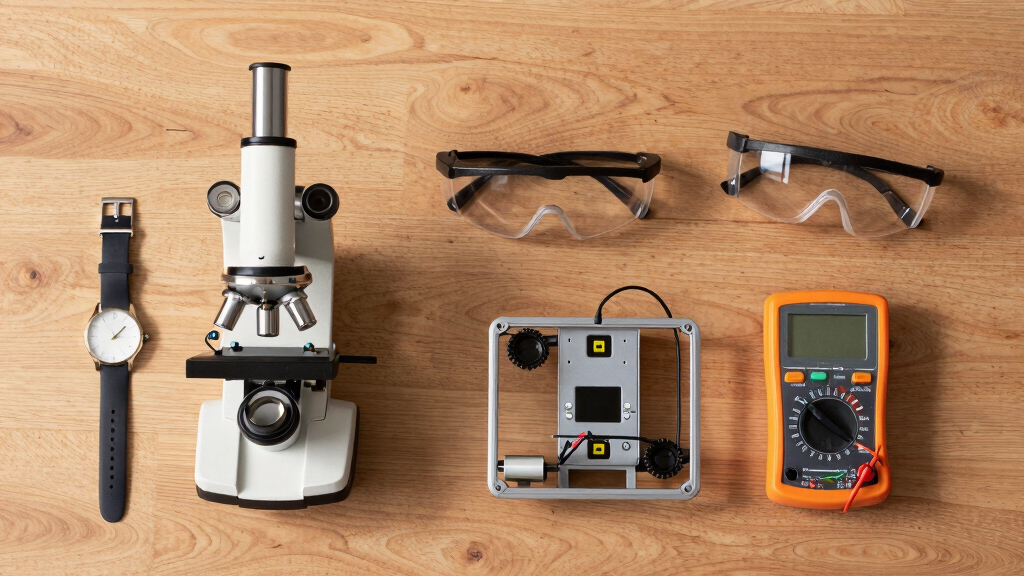

Finding the right science gadgets for dads involves balancing educational value, ease of use, and engaging design. The BEBANG 1000X Handheld Digital Microscope stands out as the best overall choice thanks to its high magnification and versatile slides kit. For dads interested in electricity, the Steve Spangler Science Energy Stick offers a fun, hands-on exploration of circuits, while the Snap Circuits Jr. Kit provides an accessible entry into electronics. Most options trade off between complexity and affordability, so choosing the right gadget depends on your dad’s interest level and technical comfort. Keep reading for a detailed breakdown of each pick and how they compare to help you make an informed decision.
Key Takeaways
- The best gadgets combine high educational value with ease of use for different age and skill levels.
- Magnification tools like microscopes tend to be the most versatile for fostering curiosity across ages.
- STEM kits offer structured learning but vary widely in complexity and price, so match to the recipient’s interests.
- Budget-friendly options can still provide meaningful experiments, but premium choices often deliver better durability and features.
- Consider the recipient’s existing knowledge—beginners benefit from simpler kits, while experienced dads might prefer advanced tools.
| BEBANG 1000X Handheld Digital Microscope for Kids with 4K Screen and Slides Kit |  | Best for Young Explorers Starting with Magnification | Magnification: 200x-1000x (5-level zoom) | Screen Size: 2.0 inches | Battery Life: 2.5 hours (rechargeable) | VIEW LATEST PRICE | See Our Full Breakdown |
| LEGO Gadgets STEM Activity Kit |  | Best for Creative Building and Engineering Curiosity | Item Type: Kids Arts & Crafts Kit | Components Included: 80-page book, 58 LEGO elements, 6 papercraft sheets | Age Range: 8-12 years | VIEW LATEST PRICE | See Our Full Breakdown |
| Steve Spangler Science Energy Stick – STEM Learning Toy for Kids to Explore Electricity and Circuits |  | Best for Hands-On Electricity Experiments | Length: 7.5 inches | Electrodes: 2 on each end | Material: Sturdy smooth plastic | VIEW LATEST PRICE | See Our Full Breakdown |
| The Book of Strange but True Science: Big Book of Amazing Discoveries, Weird Experiments & Mind-Blowing Facts |  | Best for Curious Minds and Trivia Buffs | Format: Hardcover | VIEW LATEST PRICE | See Our Full Breakdown | ||
| Telescoping Magnetic Pickup Tool Set with LED Light and Adjustable Mirrors |  | Best for Mechanics and DIYers in Tight Spaces | Manufacturer: MANWALD | Part Number: 005 | Item Weight: 13.4 ounces | VIEW LATEST PRICE | See Our Full Breakdown |
| NikolaToy Electromagnetic Coil Accelerator STEM Toy |  | Best for Advanced Physics Enthusiasts | Dimensions: 24 x 24 x 6 cm | Weight: 1165g | Material: Metal and acrylic | VIEW LATEST PRICE | See Our Full Breakdown |
| Snap Circuits Jr. SC-100 Electronics Exploration Kit |  | Best for Beginners and Young Learners | Projects Included: 100+ | Components: 32 electrical parts | Age Recommendation: 8 years and up | VIEW LATEST PRICE | See Our Full Breakdown |
| Discovery Tornado Lab 5-Speed Cyclone Controller STEM Kit for Kids Ages 6+ |  | Best for Younger Weather Enthusiasts | Brand Name: Discovery | Age Range: 6+ years | Educational Objective: STEM, Exploratory Skills | VIEW LATEST PRICE | See Our Full Breakdown |
More Details on Our Top Picks
BEBANG 1000X Handheld Digital Microscope for Kids with 4K Screen and Slides Kit
This microscope stands out for offering an impressive 200x-1000x magnification range, making it ideal for kids curious about tiny details. Compared to bulkier options like traditional lab microscopes, this model’s portability and included neck strap make it easy for young users to explore hands-free. While the 4K screen provides clear images, the lower initial magnification requires manual adjustment, which could be tricky for younger children. The device’s plastic build is lightweight but may lack durability for rough handling, making it better suited for gentle use at home or school projects. It’s a strong choice for budding scientists who want a portable, easy-to-use tool, but not for kids needing a durable, professional-grade microscope.
Pros:- High magnification range up to 1000x for detailed viewing
- Compact, portable design with included neck strap for hands-free use
- Rechargeable battery supports up to 2.5 hours of continuous operation
- Includes educational slides and protective EVA case
Cons:- Lower initial magnification requires manual adjustment, which may be confusing
- Plastic construction might not withstand rough handling or drops
Best for: Kids aged 4-12 who are just starting to explore the microscopic world and need an easy, portable device.
Not ideal for: Rough-handed children or those seeking a highly durable, long-lasting microscope for frequent use.
- Magnification:200x-1000x (5-level zoom)
- Screen Size:2.0 inches
- Battery Life:2.5 hours (rechargeable)
- Weight:32 grams / 0.34 lbs
- Dimensions:3″ x 1.8″ x 4″
- Light Source:LED
Bottom line: This microscope is ideal for young beginners who want a portable, magnification-rich device with basic durability.
LEGO Gadgets STEM Activity Kit
This kit makes the list for its ability to foster hands-on STEM learning through building 11 different machines, such as a gravity-powered car or boxing robot. Compared to more digitally focused kits like the Snap Circuits, this LEGO set emphasizes physical construction and creative experimentation, which can be more engaging for tactile learners. While lacking digital or augmented reality features, its open-ended prompts encourage problem-solving and design thinking. The inclusion of papercraft elements adds a creative twist, making it suitable for kids who enjoy both building and crafting. However, this set is best suited for LEGO enthusiasts or children already interested in engineering, as casual builders might find the project list limiting.
Pros:- Encourages STEM skills through hands-on building of real machines
- Includes 11 distinct projects with open-ended creative challenges
- Combines LEGO bricks with papercraft for varied building experiences
Cons:- Limited appeal for kids uninterested in LEGO or manual building
- No digital or interactive components to enhance engagement
Best for: Children ages 8-12 with a budding interest in engineering, robotics, or physical STEM projects.
Not ideal for: Kids who prefer digital or tech-based learning tools, or those with no prior interest in LEGO building.
- Item Type:Kids Arts & Crafts Kit
- Components Included:80-page book, 58 LEGO elements, 6 papercraft sheets
- Age Range:8-12 years
- Educational Focus:STEM, Creativity
- Dimensions:10.25″ L x 0.75″ W x 10″ H
Bottom line: This activity kit is perfect for LEGO-loving kids who thrive on tangible engineering challenges and creative experimentation.
Steve Spangler Science Energy Stick – STEM Learning Toy for Kids to Explore Electricity and Circuits
This energy stick excels in demonstrating basic electrical concepts through an engaging, tactile experience. Compared to more comprehensive kits like Snap Circuits, this tool focuses on simple circuits using the child’s body as a conductor, making it accessible yet limited in complexity. Its durability and safety make it suitable for solo or group activities, but the single-use nature per session and the need for new batteries limit long-term use. It’s ideal for kids who enjoy interactive experiments and are just beginning to grasp electricity, though advanced budding engineers may find it too simplistic or limited for sustained exploration.
Pros:- Interactive, hands-on demonstration of electricity and circuits
- Safe and durable for repeated handling
- Supports group activities with clear visual and audio feedback
- Includes a detailed activity guide for varied experiments
Cons:- Limited complexity; not suitable for advanced learners
- Single-use per session without additional kits, which can be costly
Best for: Children aged 8-12 who are new to electronics and enjoy interactive, body-based experiments.
Not ideal for: Kids seeking complex circuit-building kits or those with advanced electrical knowledge.
- Length:7.5 inches
- Electrodes:2 on each end
- Material:Sturdy smooth plastic
- Includes:Activity guide with circuitry experiments
Bottom line: This tool is excellent for introducing kids to electrical concepts through fun, body-conducted experiments but isn’t meant for complex circuit design.
The Book of Strange but True Science: Big Book of Amazing Discoveries, Weird Experiments & Mind-Blowing Facts
This hardcover collection shines as a gift for science lovers who enjoy quirky facts, odd discoveries, and fun experiments. Unlike hands-on kits like the LEGO set, this book offers a read-and-learn experience filled with intriguing stories and bizarre phenomena that can spark curiosity. While it’s durable and beautifully designed, its niche content might not appeal to every child or adult, especially those seeking interactive or digital learning experiences. It’s best suited for trivia enthusiasts or curious adults looking to impress with fascinating science tidbits, but less ideal for kids seeking active experimentation or structured lessons.
Pros:- Engaging coverage of unusual science discoveries and facts
- Hardcover durability makes it a long-lasting gift
- Perfect for trivia lovers and curious readers
Cons:- Limited appeal for those who prefer interactive learning
- No page count provided, making it hard to gauge depth
Best for: Trivia enthusiasts, curious adults, or science lovers who enjoy reading about bizarre discoveries and fun facts.
Not ideal for: Children or casual learners who prefer hands-on activities over reading or who seek structured experiments.
- Format:Hardcover
Bottom line: This book makes a compelling gift for trivia buffs and curious minds who love quirky science stories and facts.
Telescoping Magnetic Pickup Tool Set with LED Light and Adjustable Mirrors
This multi-tool set is ideal for those who often work with small metal objects in confined areas, such as mechanics or engineers. The combination of a powerful 15 lb magnet, flexible LED-lit flashlight, and adjustable mirrors surpasses single-function tools like the energy stick by offering a comprehensive retrieval and inspection system. Its military-grade aluminum construction promises durability, but the price range ($30-$60) might be steep for casual hobbyists. The magnetic rods are limited in weight capacity, and batteries are not rechargeable, adding ongoing costs. This set is best for serious DIYers or professionals who need reliable tools for frequent, precise metal retrieval, but less so for occasional use or budget-conscious buyers.
Pros:- Includes multiple tools—magnets, mirrors, and a flashlight—in one set
- Made of durable, military-grade aluminum alloy
- 360° adjustable, LED-illuminated mirrors for detailed inspection
- Ergonomic grip design enhances handling
Cons:- Price can be high for occasional users
- Batteries are not rechargeable, leading to ongoing costs
- Limited magnetic weight capacity, restricting heavy metal retrieval
Best for: Mechanics, engineers, or dedicated DIYers who frequently need to retrieve or inspect metal objects in challenging locations.
Not ideal for: Casual users or those looking for a simple, budget-friendly magnetic pickup without additional features.
- Manufacturer:MANWALD
- Part Number:005
- Item Weight:13.4 ounces
- Package Dimensions:8.54 x 3.86 x 1.34 inches
- Color:Black
- Battery Type:Alkaline
Bottom line: This set is best suited for professionals or serious hobbyists who need a reliable, multi-functional tool for metal retrieval and inspection in tight spaces.
NikolaToy Electromagnetic Coil Accelerator STEM Toy
This electromagnetic coil accelerator stands out for offering a real physics experience that closely mirrors particle acceleration concepts, making it ideal for older kids or dads who want a challenging, hands-on science project. Compared to simpler kits like the Snap Circuits Jr., this model demands a deeper understanding of electromagnetic principles, which can be a barrier for beginners. Its durable metal and acrylic build ensures longevity, but its higher price and the need for some physics background mean it’s best suited for committed STEM learners. While not as beginner-friendly as the Discovery Tornado Lab, it provides a more tangible demonstration of electromagnetic forces at play. The compact size makes it easy to store and transport, turning it into a versatile educational tool.
Pros:- Realistic simulation of particle acceleration principles
- High-quality metal and acrylic construction for durability
- Compact and portable design suitable for classroom or home use
Cons:- Higher price compared to basic STEM kits, which may deter casual buyers
- Requires some foundational physics knowledge for full engagement
Best for: Dads or kids with a keen interest in physics who want a challenging, hands-on experiment that demonstrates electromagnetic principles.
Not ideal for: Young children or beginners without prior physics knowledge, as the setup and concepts may be overwhelming.
- Dimensions:24 x 24 x 6 cm
- Weight:1165g
- Material:Metal and acrylic
Bottom line: This pick makes the most sense for dads or older kids who want a serious physics experiment with durable, high-quality materials.
Snap Circuits Jr. SC-100 Electronics Exploration Kit
This electronics kit makes learning about circuits accessible by eliminating soldering and complex tools, standing out as an excellent entry-level product compared to the more advanced NikolaToy Coil Accelerator. Its 32 color-coded parts and over 100 projects make it a versatile choice for kids aged 8+, fostering a practical understanding of electrical engineering fundamentals. The detailed manual and safe, snap-together design lower barriers for young learners, but the need to purchase batteries separately may be a minor inconvenience. While it doesn’t challenge older or more experienced tech enthusiasts, its simplicity and breadth of projects make it perfect for sparking curiosity early. This kit is ideal for parents seeking a straightforward, engaging STEM gift for middle-grade children.
Pros:- Teaches core STEM concepts through hands-on projects
- No soldering or tools required, ensuring safety and ease of use
- Includes over 100 projects with clear instructions
Cons:- Batteries need to be purchased separately, adding to cost
- Limited to children aged 8+ due to project complexity
Best for: Parents or dads looking for an easy, safe introduction to electronics for kids aged 8 and up, with an emphasis on fun and foundational learning.
Not ideal for: Older children or tech-savvy dads seeking complex, advanced electronics projects, as the kit’s scope is limited for more experienced users.
- Projects Included:100+
- Components:32 electrical parts
- Age Recommendation:8 years and up
- Battery Requirement:Batteries required (not included)
- Included Manual:Full-color project guide
Bottom line: This is a perfect starter kit for dads wanting to introduce kids to electronics in a safe, engaging way without overwhelming complexity.
Discovery Tornado Lab 5-Speed Cyclone Controller STEM Kit for Kids Ages 6+
The Discovery Tornado Lab offers a fun, hands-on way for kids as young as 6 to experiment with tornado physics, making it a strong choice for introducing atmospheric science compared to more technical kits like the NikolaToy Coil Accelerator. Its 5-speed cyclone control, realistic storm sounds, and reusable debris create an immersive experience, though it may require adult supervision for younger children to operate safely and effectively. Unlike the Snap Circuits kit, which focuses on electronics, this kit emphasizes weather phenomena, making it more suitable for kids interested in meteorology. Its single-unit operation simplifies setup, but the limited complexity means it’s best for early learners rather than older kids seeking in-depth experiments.
Pros:- Interactive tornado simulation with multiple speed settings
- Realistic storm sounds and debris visualization enhance engagement
- Easy to set up for home or classroom use
Cons:- May need adult supervision for younger children to ensure safe operation
- Limited to a single unit, so not suitable for multiple simultaneous experiments
Best for: Parents or dads wanting a weather-focused STEM activity for children aged 6+, especially those fascinated by storms and atmospheric science.
Not ideal for: Older kids or those looking for more technical science projects, as the tornado simulation is simplified and may lack challenge for advanced learners.
- Brand Name:Discovery
- Age Range:6+ years
- Educational Objective:STEM, Exploratory Skills
- Speed Settings:5 pre-set levels
- Power Source:12V adapter (included)
- Unit Count:1.0
Bottom line: This kit is ideal for introducing young kids to weather science through an engaging, mess-free tornado simulation designed for early learners.
How We Picked
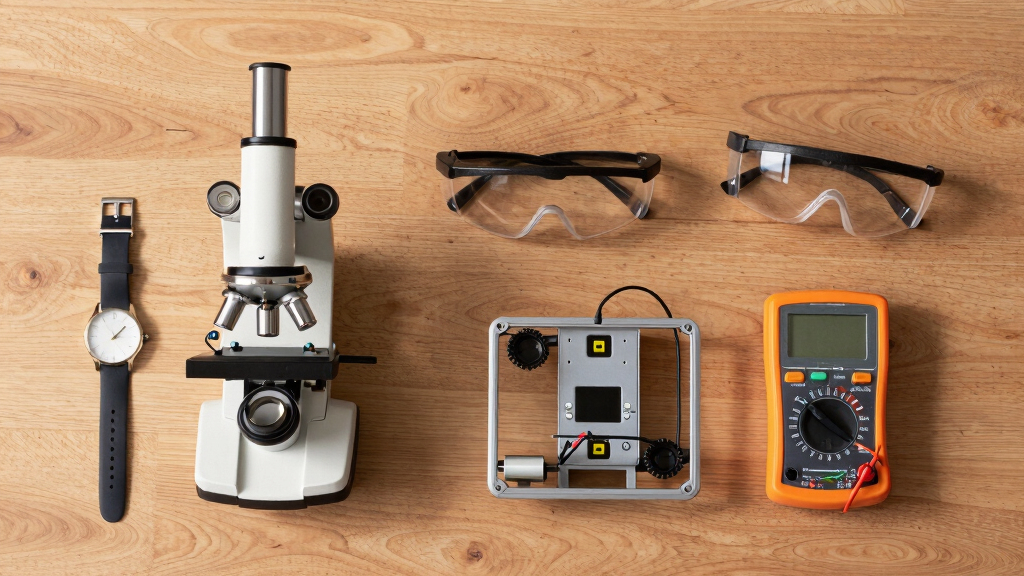
Products were selected based on their educational value, ease of use, durability, and appeal to a broad range of interests. We prioritized gadgets that promote active learning and curiosity, especially those suitable for dads who want to share science with their kids or enjoy hands-on experiments themselves. The ranking reflects a balance between price, versatility, and user engagement, with an eye toward products that stand out in their category for innovation or value. We also considered customer reviews and expert opinions to ensure these gadgets are reliable and genuinely enriching experiences.Factors to Consider When Choosing Science Gadgets For Dads
Choosing the right science gadget for dads involves understanding what type of learning experience is most valuable—whether it’s hands-on experimentation, exploration, or structured activities. Beyond price, consider the recipient’s age, technical comfort, and specific scientific interests. The right gadget should foster curiosity without being overly complicated or fragile. Keep in mind that more advanced kits often require more setup and understanding, while simpler tools are better for casual exploration. A balanced choice aligns with the dad’s style and the intended use, whether for casual discovery or deep science engagement.Age and Skill Level
Matching the gadget to the recipient’s age and skill level is key. Younger or less experienced dads will appreciate straightforward kits like Snap Circuits Jr., which introduce electronics in a simple, safe way. For older or more technically inclined dads, more advanced microscopes or electromagnetism kits can challenge and inspire. Avoid overly complex tools for beginners, as frustration can overshadow learning. Conversely, seasoned science enthusiasts might find basic kits limiting, so look for options that allow expansion or deeper exploration.
Type of Science and Interests
Consider what scientific areas excite the dad most—biology, physics, chemistry, or astronomy. For example, microscopes and biological kits suit those interested in life sciences, while electromagnetism and circuit kits appeal to physics fans. Astronomy tools like telescopes are ideal for stargazing enthusiasts. Choosing a gadget aligned with personal interest ensures ongoing engagement and a higher likelihood of continued exploration. Think about whether the gadget offers a broad overview or focuses on a specific field.
Ease of Use and Setup
Ease of use greatly impacts the enjoyment and educational value of a science gadget. Kits that come with clear instructions, minimal assembly, and durable parts tend to foster a more positive experience. Avoid overly complicated setups that require extensive preparation or technical know-how, especially if the dad isn’t highly experienced. Look for products with strong customer support and accessible tutorials or videos, which can make the learning curve smoother and increase satisfaction.
Durability and Maintenance
Science gadgets often involve small parts, delicate electronics, or fragile glass components. Prioritize products with sturdy construction and replaceable parts, especially if they will be used frequently or by children. Consider how easy it is to clean and maintain the gadget, as some tools require careful storage or calibration over time. Investing in durable equipment can save money and frustration in the long run, especially for active users or those who plan to share the gadget with kids.
Value and Budget
While cost is an important factor, the most expensive gadget isn’t always the best fit. Look for options that offer a good balance of features, durability, and educational content within your budget. Budget-friendly kits can still provide meaningful learning experiences but may lack advanced features or long-term durability. Conversely, premium gadgets often include higher quality materials and more comprehensive content, which can justify the higher price if the recipient is deeply interested in science. Consider whether the gadget is a one-time gift or part of a larger learning toolkit, influencing your investment decision.
Frequently Asked Questions
Are microscopes suitable for kids or just adults?
Many microscopes, like the BEBANG 1000X model, are designed for kids but offer high magnification levels and adjustable features suitable for older children and adults alike. For younger kids, look for models with rubberized grips, simple controls, and safety features to prevent damage or misuse. For teens and adults, more advanced microscopes provide higher resolution and additional functionality. Overall, choosing a microscope depends on the recipient’s age, curiosity level, and willingness to learn technical skills.
Can STEM kits grow with my child or dad’s skill level?
Most STEM kits are designed with a range of experiments or activities that can be scaled in complexity, making them suitable for evolving skill levels. Kits like Snap Circuits Jr. are great for beginners but also offer extension projects and more challenging experiments for advanced users. It’s important to check whether a kit includes expandable components or additional modules, which can extend its usefulness. This flexibility ensures the gadget remains engaging over time as skills develop.
Are electronic or circuit kits safe for kids?
Yes, most electronic kits on this list are built with safety in mind—featuring low-voltage components, insulated wiring, and clear safety instructions. However, supervision is always recommended, especially for younger children, to prevent mishandling or accidental short circuits. Choose kits with quality certifications and reviews emphasizing safety. Proper guidance enhances both safety and learning, making the experience more enjoyable and educational.
What features should I prioritize for a beginner science gadget?
For a beginner, focus on simplicity, durability, and visual appeal. Gadgets that come with straightforward instructions, pre-assembled parts, or guided experiments help build confidence and curiosity. Avoid overly complex setups that might cause frustration, and look for products with good customer support or online tutorials. A beginner-friendly gadget should inspire ongoing exploration without requiring extensive prior knowledge or tools.
Is it worth investing in premium science gadgets?
Investing in premium gadgets makes sense if the recipient has a genuine interest in science and will use the tool frequently. Higher-quality materials, advanced features, and extensive content can provide a richer learning experience and longer lifespan. However, for casual or occasional use, more affordable options may suffice. Consider whether the gadget aligns with the recipient’s enthusiasm and the potential for ongoing engagement before choosing a premium model.
Conclusion
For the most comprehensive experience, the BEBANG 1000X Handheld Digital Microscope makes an excellent choice for dads who want versatile, high-quality exploration tools. Those seeking value will appreciate the Snap Circuits Jr. Kit for its affordability and expandability. If you’re after a premium gift, consider more advanced telescopes or electromagnetism kits. Beginners or casual science fans should start with simpler, more approachable options, while serious enthusiasts may prefer complex, feature-rich gadgets. Tailor your pick to the recipient’s curiosity level, skill, and interests for the best results.