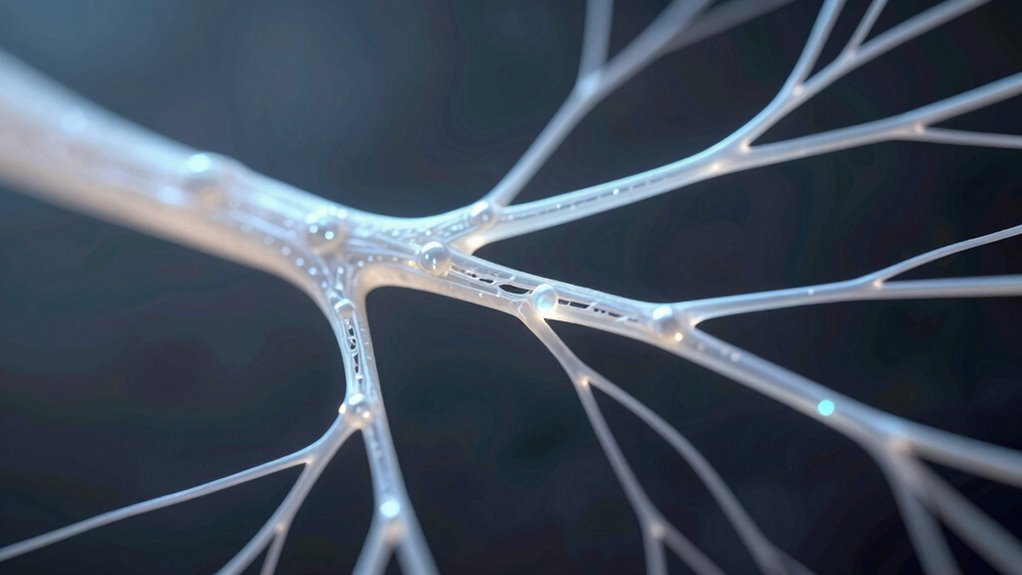

You’re starting to see how complex and adaptable the nervous system really is. It rapidly transmits signals, enabling instant reflexes and precise movements. Recent discoveries show that nerve damage can heal through slow but powerful regeneration, especially with new treatments like stem cells. Neural plasticity allows your brain and nerves to rewire and recover from injuries. If you keep exploring, you’ll uncover even more about how this incredible system helps us heal and adapt.

Get audio and creator gear delivered free — and shop member deals
- Fast, free delivery on millions of items
- Access to Prime Big Deal Days deals on October 6–7
- Prime Video, Amazon Music and more included
Key Takeaways
- Advances reveal the nervous system’s remarkable plasticity and ability to rewire after injury.
- Understanding neural pathways enhances treatments for nerve damage and regeneration.
- Rapid signal transmission underpins reflexes and body responses, showcasing the system’s efficiency.
- Emerging therapies leverage stem cells and electrical stimulation to improve nerve repair.
- Ongoing research uncovers the nervous system’s flexibility, offering hope for better recovery strategies.
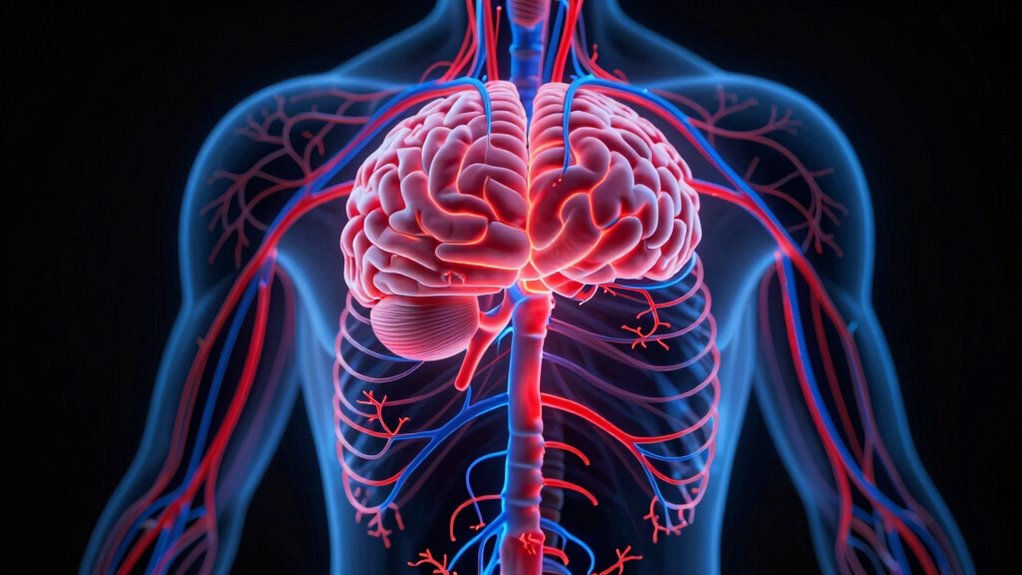
Have you ever wondered how your body instantly reacts to a sudden sound or touch? It’s because your nervous system is wired with complex neural pathways that transmit signals from your senses to your brain in mere milliseconds. These pathways are like superhighways, carrying electrical impulses that tell your body how to respond—whether that’s pulling your hand back from a hot surface or jumping in surprise at a loud noise. Understanding these neural pathways is fundamental to grasping how your nervous system controls every movement, sensation, and reflex.
Neural pathways quickly transmit signals, enabling instant reflexes and responses to sensory stimuli.
When you experience an injury or nerve damage, the body’s ability to recover hinges on nerve regeneration. Your nerves have a limited capacity to repair themselves, and this process isn’t always straightforward. Nerve regeneration involves the growth of new nerve fibers to replace damaged ones. It’s a slow process, often taking months, but it’s remarkable because it shows just how adaptable your nervous system can be. Scientists have recently uncovered ways to support this regeneration, such as utilizing stem cells or specific growth factors, which could accelerate recovery and improve outcomes for those with nerve injuries. These advances are rooted in a deeper understanding of neural pathways, which reveal how signals are transmitted and how they can be enhanced or repaired.
Learning about how neural pathways operate helps you realize that your nervous system isn’t just a static network; it’s a dynamic, adaptable system capable of change. For example, when you learn a new skill, your brain rewires these pathways, strengthening some and weakening others. This plasticity means your nervous system has the capacity to heal and adapt, which is especially important in nerve regeneration. It’s this ongoing ability to rewire that offers hope for therapies aimed at restoring lost functions after injury. Neural plasticity underscores how adaptable and resilient your nervous system truly is. Additionally, understanding the mechanisms behind this plasticity can inform rehabilitation strategies to optimize recovery.
Moreover, researchers are now delving into why some nerve injuries heal better than others. They’re exploring how to jump-start or enhance nerve regeneration, which could revolutionize treatments for conditions like spinal cord injuries or peripheral nerve damage. The more we learn about these processes, the better equipped we are to develop targeted interventions that restore communication between your brain and body. This ongoing research emphasizes the importance of understanding the neural pathways involved and how they can be manipulated to improve healing outcomes. Advances in regenerative medicine are also opening new avenues for repairing or replacing damaged nerves more effectively.
In addition, advancements in understanding neural pathways and regeneration are opening up new possibilities for targeted therapies, which could significantly improve recovery outcomes for patients with nerve injuries. The more we learn about these processes, the better equipped we are to develop targeted interventions that restore communication between your brain and body. Innovations such as electrical stimulation and regenerative medicine are being explored to harness this plasticity in practical ways.
In the end, understanding the concepts behind neural pathways and nerve regeneration isn’t just academic—it’s about unlocking the potential for recovery and resilience in your nervous system. It reveals a system that’s more flexible and capable than we once believed, giving you hope that even after injury, your body might heal itself more efficiently than previously thought. This evolving knowledge is paving the way for breakthroughs that could transform how we treat nervous system injuries in the future.
nerve regeneration therapy devices
As an affiliate, we earn on qualifying purchases.
As an affiliate, we earn on qualifying purchases.
Frequently Asked Questions
How Does the Nervous System Influence Emotional Health?
Your nervous system plays a vital role in emotional health by regulating emotional responses and managing stress. When you face stress, your nervous system activates the stress response, releasing hormones like adrenaline. This can heighten emotions or cause anxiety. Proper emotional regulation depends on your nervous system’s ability to balance these responses, helping you stay calm and resilient during challenging situations. A healthy nervous system promotes better emotional well-being overall.
What Recent Discoveries Have Changed Our Understanding of Neural Functions?
Recent discoveries have unraveled how your brain is a malleable clay, constantly reshaping itself through neural plasticity. Scientists now understand that improvements in synaptic efficiency enable faster, more accurate signal transmission, which can be influenced by learning and experience. These findings shift the view of the brain from a static organ to a dynamic network, highlighting your ability to adapt and grow throughout life, changing how we approach mental health and education.
How Can Lifestyle Affect Nervous System Health Over Time?
Your lifestyle substantially impacts your nervous system health over time. Practicing stress management techniques like meditation or deep breathing helps protect your neural pathways from damage caused by chronic stress. Additionally, maintaining good sleep hygiene ensures your brain repairs and rejuvenates effectively, supporting cognitive functions and emotional stability. By prioritizing these habits, you can enhance your nervous system’s resilience, reduce the risk of neurological issues, and promote overall mental well-being.
Are There New Treatments for Nervous System Disorders?
New treatments are emerging like dawn breaking on a dark sky, giving hope for nervous system disorders. You might benefit from cutting-edge neuroplasticity research, which helps your brain rewire itself, or explore stem cell therapies that aim to repair damaged nerves. These advancements offer promising avenues, potentially restoring function and improving quality of life. Staying informed about these innovations can help you access the most effective and up-to-date care options available.
How Does the Nervous System Communicate With Other Body Systems?
You can see how the nervous system communicates with other body systems through neural pathways and synaptic transmission. Neural pathways carry signals quickly between the brain, spinal cord, and body parts. When a message reaches a synapse, it uses chemical signals for transmission. This process allows your nervous system to coordinate actions, regulate internal functions, and respond swiftly to stimuli, ensuring your body operates smoothly and efficiently.
stem cell nerve repair supplements
As an affiliate, we earn on qualifying purchases.
As an affiliate, we earn on qualifying purchases.
Conclusion
Now that you understand the nervous system better, you’ll see how vital it is to your daily life. Did you know that your brain contains about 86 billion neurons, each communicating through thousands of connections? That’s like having a city with millions of roads, all working simultaneously. As you continue learning, you’ll appreciate the incredible complexity behind your every thought, movement, and sensation—making the nervous system truly a marvel of nature.
neural plasticity brain training tools
As an affiliate, we earn on qualifying purchases.
As an affiliate, we earn on qualifying purchases.
electrical nerve stimulation devices
As an affiliate, we earn on qualifying purchases.
As an affiliate, we earn on qualifying purchases.
Fall Picks
fall essentials
As an affiliate, we earn on qualifying purchases.