
TL;DR
Julian Casablancas made controversial remarks about ‘white privilege’ and ‘American Zionists’ during an Oxford speech. He has since expanded on these comments, sparking debate. The story highlights ongoing tensions around identity and political discourse in the arts.
Musician Julian Casablancas, frontman of The Strokes, has expanded on his recent controversial remarks about ‘white privilege’ and ‘American Zionists’ made during a speech at Oxford University. His comments have ignited debate over issues of identity, politics, and free expression in the arts.
During his speech at Oxford on March 28, 2024, Casablancas referred to ‘white privilege’ and ‘American Zionists’ in a context that drew widespread attention and criticism. Following the backlash, he issued further statements on April 3, 2024, elaborating on his views and intentions behind the remarks. Casablancas emphasized that his comments were meant to provoke thought and challenge prevailing narratives, but acknowledged that they might have been misunderstood or offensive.
Sources close to Casablancas confirmed that he intended to address complex social and political issues through his speech, but refrained from issuing a formal apology. The remarks have been widely discussed on social media, with supporters defending his right to free speech and critics calling for accountability. The controversy has also led to broader conversations about the role of artists in political discourse.
Implications of Casablancas’ Remarks for Public Discourse
This controversy highlights the ongoing tension between artistic expression and social responsibility. Casablancas’ comments have stirred debate about the boundaries of free speech, especially when addressing sensitive topics like race and political identity. The incident also underscores how figures in the entertainment industry can influence or reflect societal divisions, with potential impacts on their careers and public perception.
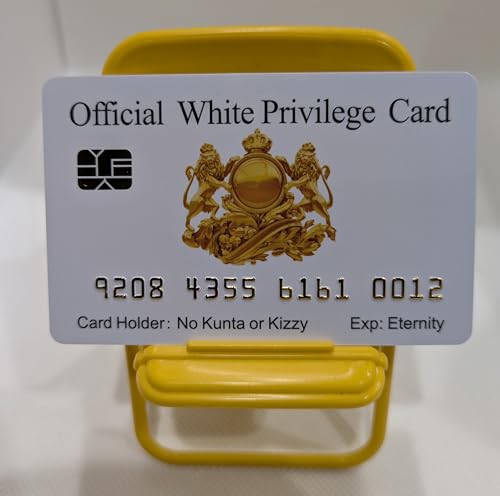
Aromabug: Privilege Card of The White People, (8 Pack)
- Card Size: Same size as a real bank card
- Humorous Designs: Witty and relatable meme and pun designs
- Premium Materials: Sturdy plastic with raised numbers and gold stamping
As an affiliate, we earn on qualifying purchases.
As an affiliate, we earn on qualifying purchases.
Background of the Speech and Previous Remarks
Julian Casablancas has historically maintained a low profile regarding political issues, focusing primarily on his music career. The March 28 speech at Oxford was part of a series of lectures on culture and society. His remarks about ‘white privilege’ and ‘American Zionists’ marked a departure from his usual public statements, drawing immediate media attention. Prior to this, Casablancas had occasionally commented on social issues but had not made such provocative statements in a formal setting.
The speech’s content and tone have been described as candid and provocative, with some attendees noting that Casablancas aimed to challenge prevailing narratives about privilege and identity. Since then, the artist has issued further comments, clarifying his perspective and intent.
“My intention was to spark a conversation about privilege and the complexities of identity in America. I did not mean to offend, but I understand how my words could be misunderstood.”
— Julian Casablancas

The Crooked Places Made Straight: Reflections on the Moral Meaning of America
As an affiliate, we earn on qualifying purchases.
As an affiliate, we earn on qualifying purchases.
Unclear Scope and Reactions to Casablancas’ Clarifications
It remains unclear how Casablancas’ comments will influence his public image or future career. Reactions from fans, critics, and advocacy groups vary, and some question whether he will face consequences or further backlash. Additionally, the full content of his subsequent remarks has not been publicly detailed, leaving some aspects of his stance uncertain.

Free Speech Advocacy T-Shirt
- Graphic Design: Vintage sun face with tongue graphic
- Message: Quotes on free speech and silencing
- Target Audience: Thinkers and free speech advocates
As an affiliate, we earn on qualifying purchases.
As an affiliate, we earn on qualifying purchases.
Next Steps in the Public and Artistic Response
Casablancas is expected to continue addressing the controversy through interviews and social media. The incident may also prompt discussions within the music community about the responsibilities of artists when engaging with political topics. Authorities or institutions involved in organizing the speech have indicated they will monitor ongoing reactions and may issue statements or reviews about the event’s conduct.

As an affiliate, we earn on qualifying purchases.
Key Questions
What exactly did Julian Casablancas say about ‘white privilege’ and ‘American Zionists’?
During his Oxford speech, Casablancas made remarks linking ‘white privilege’ to societal structures and referenced ‘American Zionists’ in a context that has been interpreted as critical or provocative. The full transcript has not been officially released, but reports indicate that the comments aimed to challenge mainstream narratives around identity and politics.
Has Casablancas apologized for his remarks?
He has not issued a formal apology. Instead, Casablancas has issued further comments clarifying that his intent was to provoke discussion and that he did not mean to offend intentionally.
How have fans and critics responded?
Reactions are mixed: some fans support his right to free speech and see the comments as a call for honest dialogue, while others criticize the remarks as divisive or offensive. Advocacy groups have also weighed in, with some calling for accountability.
Will this controversy affect Casablancas’ career?
It is uncertain. Some industry observers suggest there could be repercussions, while others believe he will continue his artistic work without significant impact. The full scope of the controversy’s consequences remains to be seen.
What are the broader implications for artists discussing politics?
This incident reflects the ongoing debate about the role of artists in political discourse and the boundaries of free expression. It may influence how other artists approach controversial topics in public settings.
Source: rss