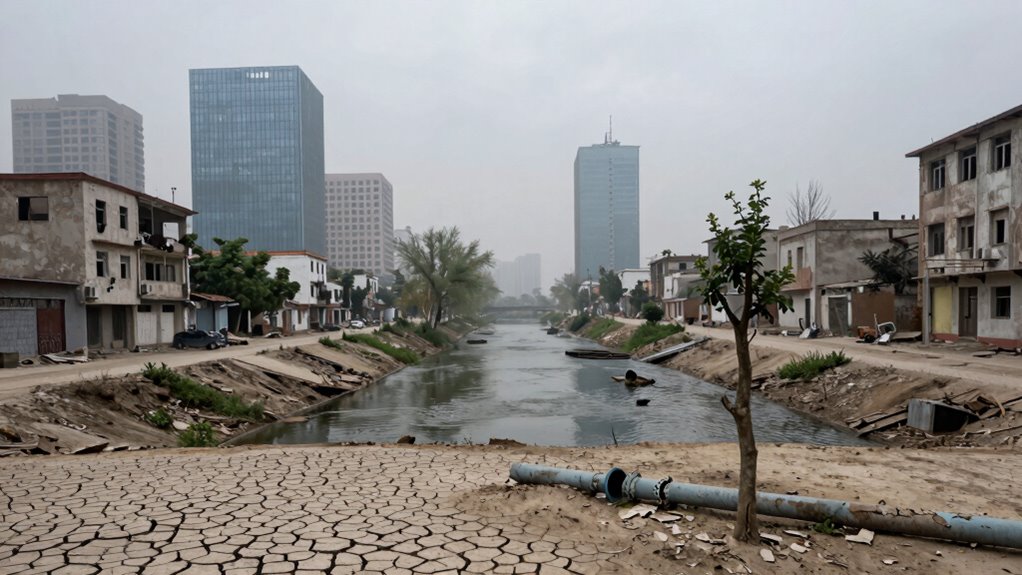
As cities grow quickly, water supplies are stretched beyond their limits, making water stress more urgent to address. Climate change worsens this issue by altering rainfall patterns and causing droughts, while outdated infrastructure leads to leaks and waste. Investing in smart technologies and conserving water can help, but without action, shortages will worsen. To understand how cities can adapt and stay resilient, keep exploring the challenges and solutions ahead.

Get audio and creator gear delivered free with Prime
- Fast, free delivery on millions of items
- Prime Video, Amazon Music and more included
- Member-only deals all year
Key Takeaways
- Rapid urban growth exceeds infrastructure capacity, increasing water demand and waste.
- Climate change causes unpredictable rainfall and prolonged droughts, worsening water scarcity.
- Aging and inefficient water systems lead to significant leaks and resource loss.
- Limited water sources require cities to adopt innovative, sustainable management strategies.
- Community engagement and policy support are crucial for effective water conservation efforts.
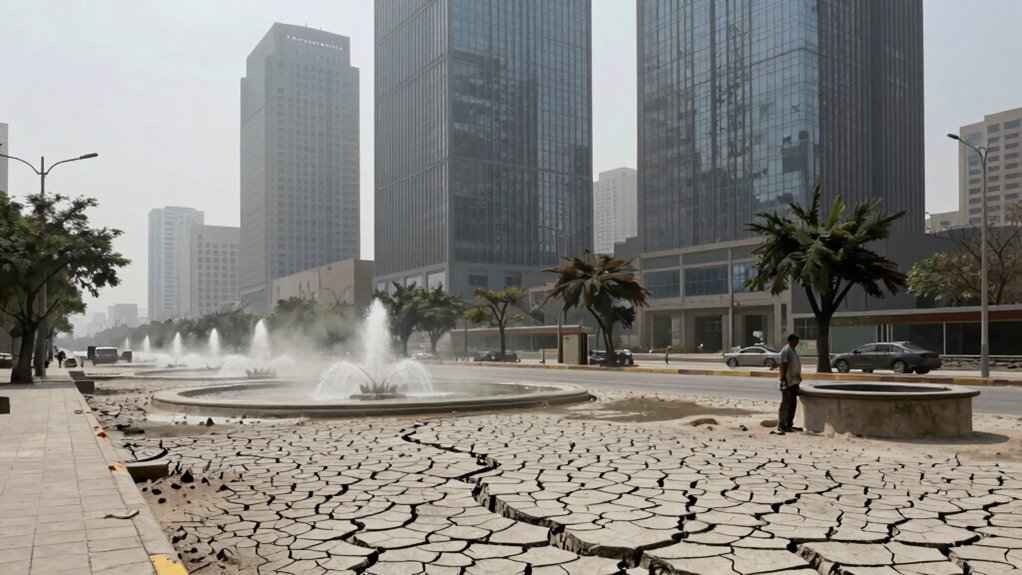
As urban populations continue to swell, cities worldwide face an increasing threat: water stress. You might think of this as a distant problem, but it’s rapidly becoming a pressing issue that demands your attention. Urban areas are expanding faster than infrastructure can keep up, putting immense pressure on existing water supplies. This strain jeopardizes urban sustainability, making it harder for cities to support growing populations without exhausting their water resources. The challenge isn’t just about finding new sources but managing what you already have more efficiently.
You play a crucial role in addressing water stress through water conservation. Simple actions—like fixing leaks, using water-efficient fixtures, and being mindful of your water use—can make a significant difference. As cities face prolonged droughts and unpredictable weather patterns, reducing water waste becomes essential. Every drop saved helps ease the burden on municipal systems, helping ensure that water remains available for essential needs like drinking, sanitation, and emergency services. Cities that prioritize water conservation foster urban sustainability by stretching limited resources further and reducing the environmental impact of excessive water extraction.
The increasing severity of water stress also stems from climate change, which alters rainfall patterns and intensifies droughts. This environmental shift makes it more difficult for cities to rely on traditional water sources. As a resident, your awareness of these changes can influence local policies and community practices. Supporting initiatives that promote efficient water use and sustainable urban planning can help build resilience against future shortages. When you advocate for better water management and participate in conservation programs, you’re actively contributing to a more sustainable city. Additionally, understanding the impacts of climate change on water availability can help inform your choices and community efforts. Recognizing the interconnectedness of climate and water resources emphasizes the importance of urban resilience strategies. Developing comprehensive water management systems is vital for adapting to these evolving challenges. Implementing innovative water conservation practices can further enhance the effectiveness of these efforts.
Furthermore, urban infrastructure often fails to keep pace with population growth, leading to leaks, outdated pipes, and inefficient distribution systems. These inefficiencies waste vast amounts of water daily, compounding the challenge. By supporting investments in modern infrastructure and smart water technologies, you can help reduce unnecessary losses. Cities that embrace innovative solutions—such as rainwater harvesting, greywater recycling, and real-time monitoring—are better equipped to handle water stress. Your engagement and support for these measures are vital for creating long-term solutions. Additionally, implementing advanced water management techniques can significantly improve resource efficiency and resilience.
In essence, water stress is no longer a problem that cities can ignore. It’s a complex issue intertwined with urban sustainability and your daily habits. The choices you make about water use directly impact how well your city can adapt to these challenges. By conserving water and advocating for sustainable practices, you help ensure that urban areas remain livable and resilient, even as they face the mounting pressures of a changing climate and growing populations.
Popular right now

LG C2 Series 65-Inch OLED evo 4K Smart TV (OLED65C2PUA, 2022)

Samsung 48-Inch S90H OLED 4K Smart TV (2026)

Bose QuietComfort Wireless Noise-Cancelling Over-Ear Headphones, Black
As an affiliate, we earn on qualifying purchases.
Frequently Asked Questions
How Does Climate Change Directly Impact Urban Water Supply?
Climate change directly impacts urban water supply by increasing rainfall variability, causing unpredictable droughts and floods. This makes it harder for cities to maintain consistent water sources. You might also face urban water theft, as shortages drive residents to steal water. These issues strain infrastructure and reduce water availability, forcing cities to find innovative solutions. Addressing climate change is essential to stabilizing your urban water supply and ensuring future resilience.
What Innovative Technologies Are Cities Using to Address Water Stress?
Imagine cities turning into water-saving juggernauts. You see, they’re using smart sensors to monitor water usage in real-time, cutting waste like a skilled chef trims excess fat. Rainwater harvesting systems capture every drop from rooftops, turning rain into a valuable resource. These innovative technologies help cities stay ahead of water stress, making sure they’re not just surviving but thriving despite growing climate challenges.
How Do Water Shortages Affect Urban Health and Sanitation?
Water shortages directly impact urban health and sanitation by limiting access to clean water, leading to an increase in waterborne diseases. You might notice deteriorating sanitation infrastructure, which becomes harder to maintain without reliable water supplies. This worsens hygiene, elevates health risks, and strains healthcare systems. As shortages persist, your city faces greater challenges in protecting residents’ health, making it essential to find sustainable water solutions to mitigate these impacts effectively.
Can Urban Water Stress Influence Local Economies or Property Values?
Urban water stress can considerably influence local economies and property values. When water becomes scarce, water pricing rises, leading to higher living costs that deter potential buyers and businesses. You might notice property values decline as residents and investors seek more affordable areas. Consumer behavior shifts toward conservation, which can slow growth but also prompt innovations. Overall, water stress directly impacts economic stability and property markets, making cities reconsider their water management strategies.
What Policies Can Effectively Promote Water Conservation in Cities?
You can promote water conservation in cities by implementing effective policies like raising public awareness through campaigns that highlight water scarcity issues. Additionally, adopting pricing strategies that increase rates during higher usage encourages residents to conserve water. Educating the public about sustainable practices and incentivizing conservation efforts make these policies more impactful, helping cities manage water stress better and ensuring long-term water availability for all residents.
Conclusion
As you navigate city life, remember that water stress is like a gentle nudge, quietly urging us to rethink our habits. While it may seem like a distant concern, it’s really a subtle reminder to cherish and conserve this precious resource. By staying mindful and taking small steps, you help paint a brighter, more sustainable future for your city—one where water flows freely and life continues to flourish, even in the face of growing challenges.