
TL;DR

Get audio and creator gear delivered free — and shop member deals
- Fast, free delivery on millions of items
- Access to Prime Big Deal Days deals on October 6–7
- Prime Video, Amazon Music and more included
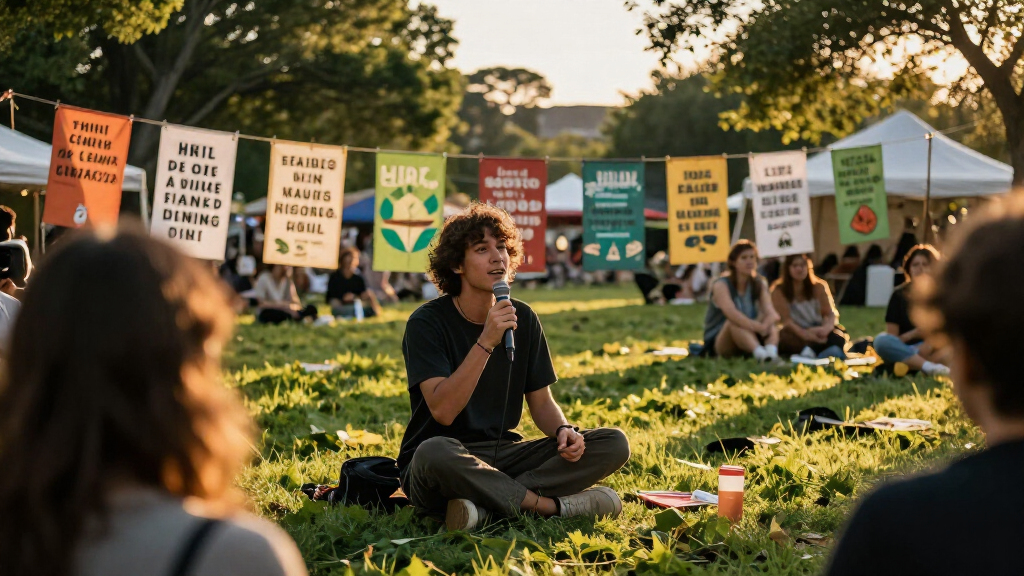
Rock in Rio remains dedicated to supporting socio-environmental initiatives, reaffirming its commitment to sustainability. This ongoing focus highlights the festival’s role in promoting community and environmental responsibility.
The Rock in Rio festival continues to emphasize its commitment to supporting socio-environmental projects, reaffirming its focus on sustainability and community engagement. This ongoing effort is part of the festival’s broader strategy to promote environmental responsibility and social impact, according to Agência Brasil.
Since its inception, Rock in Rio has integrated sustainability and social responsibility into its core mission. Recent reports confirm that the festival remains actively engaged in supporting various socio-environmental initiatives, including programs aimed at reducing carbon footprints, promoting recycling, and fostering community development. These efforts are reflected in partnerships with local organizations and the allocation of festival resources toward projects that benefit underserved communities.
Although specific projects and their outcomes are not detailed in current reports, the festival’s organizers have reiterated their ongoing commitment to these causes. The festival’s sustainability initiatives include measures such as waste management improvements, energy efficiency upgrades, and educational campaigns targeting festival-goers and local residents. Agência Brasil notes that these efforts are consistent with the festival’s long-term sustainability goals, which aim to set a regional example for eco-conscious event management.
While the focus on socio-environmental projects remains clear, the precise scope and scale of future initiatives have not been publicly disclosed. It is also not yet confirmed whether new partnerships or funding allocations are planned for upcoming editions. Nonetheless, the festival’s continued emphasis on these issues underscores its role as a platform for promoting social and environmental responsibility in Brazil and beyond.
Why Rock in Rio’s Socio-Environmental Efforts Matter
The festival’s ongoing commitment to socio-environmental projects highlights its influence as a major cultural event with the potential to drive positive change. By integrating sustainability into its core activities, Rock in Rio sets an example for other large-scale events and contributes to broader societal goals, such as reducing environmental impact and fostering community development. This focus also aligns with increasing public awareness and demand for responsible event management, making the festival’s efforts relevant to both attendees and local communities.
Furthermore, the festival’s emphasis on social and environmental initiatives can inspire similar actions across the entertainment industry, encouraging a shift toward more sustainable practices. The initiatives may also generate tangible benefits for local communities, including improved infrastructure, educational opportunities, and environmental conservation. Overall, Rock in Rio’s sustained focus on these projects underscores its potential to influence positive societal change while maintaining its cultural significance.
As an affiliate, we earn on qualifying purchases.
Background and Long-Term Commitment to Sustainability
Rock in Rio was founded in 1985 and has grown into one of the world’s largest music festivals, attracting hundreds of thousands of attendees annually. From early on, the festival’s organizers expressed a desire to incorporate social and environmental responsibility into its identity. Over the years, this commitment has evolved, with formal sustainability initiatives introduced in the 2000s, including waste reduction, renewable energy use, and community outreach programs.
Recent years have seen an increased emphasis on environmental issues, driven by global climate concerns and local community needs. The festival has partnered with environmental organizations, implemented eco-friendly infrastructure, and launched educational campaigns aimed at raising awareness among attendees. Despite these efforts, details about specific project outcomes and future plans have often remained limited or unconfirmed, making ongoing monitoring important for assessing long-term impact.
Agency reports suggest that the festival’s focus on socio-environmental issues remains a strategic priority, with continuous efforts to integrate sustainability into its operational model. However, the scope and scale of these initiatives are still evolving, and further transparency is awaited from organizers regarding future commitments and measurable results.
eco-friendly waste management bins
As an affiliate, we earn on qualifying purchases.
As an affiliate, we earn on qualifying purchases.
Unconfirmed Details About Future Initiatives
While the festival’s commitment to socio-environmental projects remains confirmed, specific details about upcoming initiatives, funding, and measurable outcomes are not yet publicly available. It is unclear whether new partnerships or expanded programs are planned for future editions, and how the festival will evaluate the impact of its current efforts.
Further transparency from organizers is needed to assess the full scope and effectiveness of these projects, and whether they will be scaled or intensified in subsequent years.
As an affiliate, we earn on qualifying purchases.
Next Steps for Monitoring and Expanding Projects
Organizers are expected to provide updates on their socio-environmental projects in upcoming festival communications and reports. Watch for disclosures about new partnerships, funding allocations, and measurable outcomes, which will clarify the long-term impact of these initiatives. Additionally, stakeholders and environmental groups may increase oversight and advocacy, encouraging greater transparency and accountability.
In the coming months, industry observers and community organizations will likely evaluate the festival’s progress and influence, potentially shaping future policies and practices for large-scale cultural events in Brazil and internationally.
As an affiliate, we earn on qualifying purchases.
Key Questions
What specific socio-environmental projects does Rock in Rio support?
Current reports confirm ongoing support for general initiatives such as waste management, recycling, and community programs, but detailed descriptions of specific projects and their outcomes have not been publicly disclosed.
How does Rock in Rio measure the success of its sustainability efforts?
Details about specific metrics or evaluation methods are not yet available. The festival has reiterated its commitment but has not released comprehensive impact reports.
Are future editions of Rock in Rio expected to increase their focus on sustainability?
While organizers have emphasized ongoing commitment, plans for expanding or intensifying sustainability initiatives in future editions remain unconfirmed.
What role do local communities play in Rock in Rio’s projects?
Community involvement is part of the festival’s broader strategy, with partnerships aimed at social development, but specific community engagement activities are not detailed in current reports.
Will there be transparency about the outcomes of these projects?
It is not yet clear whether organizers will release detailed impact assessments or progress reports, making transparency an area to watch in upcoming updates.
Source: local
Fall Picks
fall essentials
As an affiliate, we earn on qualifying purchases.