
Wireless studio headphones have to solve a problem regular Bluetooth headphones don’t: keeping audio accurate and low-latency enough for real production work, not just casual listening. My top pick is the Audio-Technica ATH-M50XBT2, which takes the industry-standard M50X tuning and makes it wireless without compromising the flat, revealing signature mixers rely on. The AIAIAI TMA-2 Studio Wireless stands out for modular customization and latency low enough for tracking, while the budget-friendly OneOdio A70 makes the most sense for beginners who want studio sound plus Bluetooth flexibility for under fifty dollars. The main tradeoff you’ll face in this category is between convenience and precision — wireless options add latency and slight coloration, while wired classics like the beyerdynamic DT 990 Pro remain the accuracy benchmark. Read on for the full breakdown, including where each model wins and where it falls short.

Get audio and creator gear delivered free — and shop member deals
- Fast, free delivery on millions of items
- Access to Prime Big Deal Days deals on October 6–7
- Prime Video, Amazon Music and more included
Complete the kit


Key Takeaways
- The ATH-M50XBT2 earned best overall because it is the only pick that pairs a genuinely flat, mix-ready signature with a practical wireless mode — most competitors lean either consumer-friendly or DJ-oriented.
- Latency separated the dedicated production picks from the casual ones: only the OneOdio Studio Max 2 (9ms) and AIAIAI TMA-2 offer latency low enough for live tracking, while standard Bluetooth codecs add 100-200ms.
- Several wired studio staples made the list (ATH-M50X, ATH-M20x, DT 990 Pro) because they outperform wireless models on accuracy per dollar — a useful reminder that ‘wireless-ready’ beats ‘wireless-only’ for studio work.
- The Beats Studio Pro appears twice in identical form, differing only in colorway; its strong point is ANC and lossless USB-C audio, not mixing accuracy.
- Sub-$100 options (OneOdio A70, Studio Max 1, PUPGSIS) dominate the value tier but share a common weakness: plasticky build and exaggerated low end that needs correction when mixing.
| Audio-Technica ATH-M20xBT Wireless Over-Ear Headphones, Black |  | Best Budget Entry Point | Driver Size: 40 mm | Design: Circumaural, over-ear | Connectivity: Wireless Bluetooth | VIEW LATEST PRICE | See Our Full Breakdown |
| Beats Studio Pro Premium Wireless Over-Ear Headphones, Deep Brown |  | Best for Travel and Commuting Producers | Battery Life: Up to 40 hours | Active Noise Cancelling: Yes, with Transparency mode | Connectivity: Bluetooth, USB-C, 3.5 mm audio | VIEW LATEST PRICE | See Our Full Breakdown |
| OneOdio Studio Max 2 Wireless DJ Headphones, 9ms Latency, Studio LDAC |  | Best for DJs and Live Performers | Latency: 9ms | Codec Support: LDAC high-resolution | Driver Size: 45 mm | VIEW LATEST PRICE | See Our Full Breakdown |
| Beats Studio Pro Premium Wireless Over-Ear Headphones | 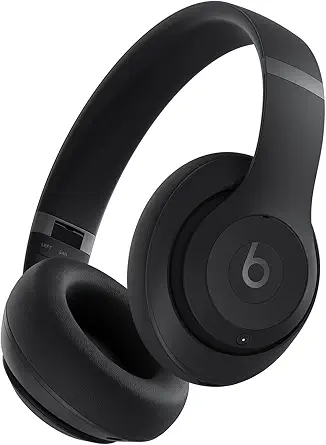 | Best Everyday Hybrid Pick | Battery Life: Up to 40 hours | Active Noise Cancelling: Yes, with Transparency mode | Connectivity: Bluetooth, USB-C, 3.5 mm audio | VIEW LATEST PRICE | See Our Full Breakdown |
| Audio-Technica ATH-M50X Professional Studio Monitor Headphones, Black | 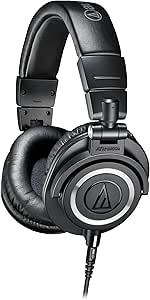 | Best Accuracy Reference (Wired) | Type: Professional monitor headphones (wired) | Driver Size: 45 mm | Design: Circumaural, closed-back | VIEW LATEST PRICE | See Our Full Breakdown |
| PUPGSIS 2.4GHz Wireless DJ Headphones with Low Latency and Multiple Connectivity Options |  | Best Latency for Live Monitoring | Wireless Modes: 2.4GHz dongle, Bluetooth 5.3 | Battery Life: 60H (Bluetooth), 30H (2.4G dongle) | Frequency Response: 20Hz–40kHz | VIEW LATEST PRICE | See Our Full Breakdown |
| OneOdio A70 Bluetooth Over-Ear Headphones, Hi-Res Wired DJ Studio – Silver |  | Best Battery Life on a Budget | Driver Size: 40mm neodymium | Connectivity: Bluetooth, wired 3.5mm and 6.35mm | Battery Life: Up to 72 hours | VIEW LATEST PRICE | See Our Full Breakdown |
| AIAIAI TMA-2 Studio Wireless Black Over-Ear Headphones |  | Best Tunable Sound for Producers | Connectivity: W+ Link, Bluetooth | Playback Time: 20+ hours | Design: Over-ear, memory foam cushions, PU leather | VIEW LATEST PRICE | See Our Full Breakdown |
| OneOdio A70 Bluetooth Over-Ear Headphones, Hi-Res Wired DJ Studio – Black | 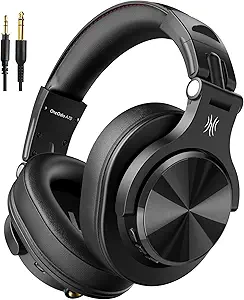 | Best for Shared Sessions and Calls | Battery Life: 72 hours | Connectivity: Bluetooth, wired 3.5mm and 6.35mm | Drivers: 40mm neodymium | VIEW LATEST PRICE | See Our Full Breakdown |
| Audio-Technica ATH-M20x Professional Studio Monitor Headphones, Black |  | Best Wired Budget Reference | Driver Size: 40mm | Design: Circumaural, closed-back | Cable Exit: Single side | VIEW LATEST PRICE | See Our Full Breakdown |
| Audio-Technica ATH-M50XBT2 Wireless Headphones, Black |  | Best Wireless Studio Sound | Battery Life: Up to 50 hours | Charging Time: 10 minutes for 3 hours of use | Driver Size: 45 mm | VIEW LATEST PRICE | See Our Full Breakdown |
| Sony WH-CH720N Wireless Noise Cancelling Over-Ear Headphones, Black |  | Best Lightweight All-Day Pick | Weight: 192g | Battery Life: Up to 35 hours | Charging: 3-minute quick charge for 1 hour playback | VIEW LATEST PRICE | See Our Full Breakdown |
| OneOdio Studio Max 1 Wireless DJ & Wired Studio Headphones, 20ms Latency |  | Best Value for DJs and Hybrid Workflows | Connectivity: Bluetooth 5.3, 3.5mm and 6.35mm wired cables | Latency: 20ms | Battery Life: 120 hours Bluetooth, 50 hours with dongle | VIEW LATEST PRICE | See Our Full Breakdown |
| beyerdynamic DT 990 Pro (250 Ohm), Open-Back Studio Headphones, Black |  | Best for Mixing and Mastering (Wired) | Impedance: 250 Ohm | Frequency Response: 5 – 35,000 Hz | Cable: 3m coiled cable | VIEW LATEST PRICE | See Our Full Breakdown |
| wireless studio headphone | Connectivity | Design | Battery Life |
|---|---|---|---|
| Audio-Technica ATH-M20xBT Wire | Wireless Bluetooth | Circumaural, over-ear | — |
| Beats Studio Pro Premium Wirel | Bluetooth, USB-C, 3.5 mm audio | — | Up to 40 hours |
| OneOdio Studio Max 2 Wireless | Bluetooth 6.0, 3.5mm jack, 6.35mm jack | — | Up to 120 hours |
| Beats Studio Pro Premium Wirel | Bluetooth, USB-C, 3.5 mm audio | Premium over-ear | Up to 40 hours |
| Audio-Technica ATH-M50X Profes | — | Circumaural, closed-back | — |
| PUPGSIS 2.4GHz Wireless DJ Hea | — | — | 60H (Bluetooth), 30H (2.4G dongle) |
| OneOdio A70 Bluetooth Over-Ear | Bluetooth, wired 3.5mm and 6.35mm | — | Up to 72 hours |
| AIAIAI TMA-2 Studio Wireless B | W+ Link, Bluetooth | Over-ear, memory foam cushions, PU leather | — |
| OneOdio A70 Bluetooth Over-Ear | Bluetooth, wired 3.5mm and 6.35mm | Foldable, rotatable, ergonomic over-ear | 72 hours |
| Audio-Technica ATH-M20x Profes | Wired only | Circumaural, closed-back | — |
| Audio-Technica ATH-M50XBT2 Wir | Bluetooth wireless | Over-ear studio monitor style, black | Up to 50 hours |
| Sony WH-CH720N Wireless Noise | Bluetooth with multipoint connection | — | Up to 35 hours |
| OneOdio Studio Max 1 Wireless | Bluetooth 5.3, 3.5mm and 6.35mm wired cables | Foldable, 180° rotating ear cups, adjustable metal headband, protein leather cushions | 120 hours Bluetooth, 50 hours with dongle |
| beyerdynamic DT 990 Pro | — | Open-back, wired only | — |
More Details on Our Top Picks
Audio-Technica ATH-M20xBT Wireless Over-Ear Headphones, Black
The ATH-M20xBT brings the familiar M-series studio character to a wireless format at an accessible price, and that’s exactly why it earns a spot here. Compared with the Audio-Technica ATH-M50X, the tuning leans on clear midrange rather than deep bass extension, which makes it a solid choice for tracking vocals or rough mixes where you mostly need to hear what’s happening, not every last detail. The circumaural design delivers respectable passive isolation for its class. Where it falls short is flexibility — there’s no low-latency mode or pro codec support like you get on the OneOdio Studio Max 2, and the sound profile won’t satisfy anyone doing critical final mixes. Still, for a first wireless studio pair, this option makes a lot of sense.
Pros:- Clear, detailed midrange well suited to vocal tracking
- Circumaural design provides good passive sound isolation
- Collapsible build makes it easy to toss in a bag
- Familiar M-series studio sound at an accessible price
Cons:- No high-resolution codec or low-latency mode for pro workflows
- Bass response is less extended than the ATH-M50X
Best for: Beginners and home recordists who want affordable wireless monitoring without leaving the Audio-Technica family
Not ideal for: Producers doing final mixing — the mid-focused tuning and lack of high-resolution codec support limit critical listening
- Driver Size:40 mm
- Design:Circumaural, over-ear
- Connectivity:Wireless Bluetooth
- Sound Isolation:Passive, closed-back
- Portability:Collapsible design
- Color:Black
Our verdict“A sensible first wireless studio headphone for casual production work, as long as you accept its limits for critical mixing.”
Beats Studio Pro Premium Wireless Over-Ear Headphones, Deep Brown
Strictly speaking, the Studio Pro is a consumer headphone, but it earns a place for producers and engineers who need one pair that survives airports as well as it handles rough edits. The active noise cancelling is the standout here — nothing else in this lineup, including the OneOdio Studio Max 2, offers ANC, and it genuinely changes how usable these are on a plane or busy train. Lossless audio over USB-C also means you can run a wired digital connection when you want more accuracy than Bluetooth allows. The tradeoff is tuning: this model is voiced for enjoyment rather than flatness, so mixing decisions made on it need verification on a neutral monitor like the ATH-M50X.
Pros:- Active noise cancelling plus transparency mode, rare in this category
- Up to 40 hours of battery with Fast Fuel quick charging
- Lossless USB-C audio and 3.5mm wired options for critical work
- Works seamlessly across both Apple and Android devices
Cons:- Sound signature is consumer-tuned, not a neutral studio reference
- Premium pricing relative to dedicated studio models
Best for: Traveling musicians and podcasters who want ANC for flights plus a USB-C wired mode for editing on the road
Not ideal for: Engineers seeking a flat reference — the consumer-leaning tuning colors mix decisions
- Battery Life:Up to 40 hours
- Active Noise Cancelling:Yes, with Transparency mode
- Connectivity:Bluetooth, USB-C, 3.5 mm audio
- Compatibility:Apple & Android
- Additional Features:Spatial audio, Fast Fuel charging
- Color:Deep Brown
Our verdict“The pick if your headphones spend as much time in transit as they do in the studio.”
OneOdio Studio Max 2 Wireless DJ Headphones, 9ms Latency, Studio LDAC
If latency is the thing killing your wireless workflow, the Studio Max 2 answers it directly with a 9ms connection — fast enough for beatmatching and tight enough that video editors won’t see lip-sync drift. That’s the core differentiator against something like the ATH-M20xBT, which is fine for listening but sluggish for performance. Add LDAC support for high-resolution streaming and a frankly absurd 120-hour battery, and this model covers a full tour schedule on one charge. The 180° swiveling earcups and dual wired jacks (3.5mm and 6.35mm) show its DJ-first design. The flip side: it’s built like a workhorse, not a lifestyle product — bulky, utilitarian, and over-specified for anyone who just wants music on a commute.
Pros:- 9ms latency suitable for live performance and beatmatching
- LDAC high-resolution codec for detailed wireless listening
- 120-hour battery with 5 minutes of charging yielding 9 hours of playback
- Wired 3.5mm and 6.35mm options plus 180° swiveling earcups
Cons:- Bulky, professional-first design that’s awkward as an everyday headphone
- More connectivity than most home users will ever touch
Best for: Working DJs, live performers, and video editors who need near-zero wireless latency
Not ideal for: Casual listeners — the size, DJ-oriented features, and industrial styling are wasted outside professional use
- Latency:9ms
- Codec Support:LDAC high-resolution
- Driver Size:45 mm
- Battery Life:Up to 120 hours
- Fast Charging:5 minutes for 9 hours playback
- Connectivity:Bluetooth 6.0, 3.5mm jack, 6.35mm jack
- Swivel Earcups:180°
Our verdict“The performance tool of this lineup — buy it for the latency, not for casual listening.”
Beats Studio Pro Premium Wireless Over-Ear Headphones
This standard Studio Pro covers the middle ground: better battery and noise cancelling than any dedicated studio model here, but more lifestyle-friendly than the OneOdio Studio Max 2. Its real strength is multi-device connectivity — hopping between a laptop, phone, and tablet without re-pairing makes it genuinely practical for producers who also take calls. The USB-C lossless mode gives it a legitimate claim to studio use that most consumer headphones can’t make, though the tuning still isn’t flat enough to trust for final mix decisions; the ATH-M50X remains the accuracy benchmark in this group. With 40 hours of runtime, it outlasts everything here except the OneOdio. Compared with the Deep Brown version of the same headphone, you’re choosing finish, not performance.
Pros:- Seamless multi-device Bluetooth pairing across Apple and Android
- Up to 40 hours of battery with fast charging
- Lossless USB-C and 3.5mm wired modes for lower-latency work
- ANC and transparency options for varied environments
Cons:- Consumer-leaning sound signature requires mix-checking on neutral monitors
- Over-ear fit may grow warm during all-day sessions
Best for: Multi-tasking creators who split time between production, calls, and everyday listening on one device-hopping headphone
Not ideal for: Purists who want a flat studio reference — this is a versatile all-rounder, not a precision monitor
- Battery Life:Up to 40 hours
- Active Noise Cancelling:Yes, with Transparency mode
- Connectivity:Bluetooth, USB-C, 3.5 mm audio
- Compatibility:Apple & Android
- Additional Features:Spatial audio, Fast Fuel charging, lossless USB audio
- Design:Premium over-ear
Our verdict“A strong one-headphone-fits-most choice for creators who value flexibility over studio purity.”
Audio-Technica ATH-M50X Professional Studio Monitor Headphones, Black
Yes, it’s wired — but any honest wireless studio roundup needs a reference benchmark, and the ATH-M50X is it. Its 45mm drivers deliver the flat, honest response that the wireless options here approximate but don’t fully match, which is why so many engineers keep a pair on the desk for final checks even after going wireless. The detachable cable adds longevity the Bluetooth models can’t offer — you replace a $15 cable, not the whole headphone. Its 90° swiveling earcups and strong passive isolation make it dependable for tracking in loud rooms. The tradeoff is obvious: no Bluetooth, a bulkier frame than travel-focused picks like the Beats Studio Pro, and a price that stings if you only listen casually.
Pros:- Flat, accurate tuning trusted for mixing decisions
- 45mm drivers with deep, controlled bass response
- Detachable cable system extends the headphone’s lifespan
- Strong passive isolation for tracking in loud environments
Cons:- No wireless connectivity at all — pure wired design
- Bulky build is less travel-friendly than collapsible wireless rivals
Best for: Engineers and producers who need a trusted flat reference for mixing and final quality checks
Not ideal for: Anyone specifically shopping wireless — this is the wired benchmark against which the Bluetooth picks are judged
- Type:Professional monitor headphones (wired)
- Driver Size:45 mm
- Design:Circumaural, closed-back
- Swiveling Earcups:90 degrees
- Cable:Detachable
- Series:M-series (50)
- Warranty:2 years
Our verdict“If accuracy matters more than Bluetooth freedom, this remains the standard everything else in this list is measured against.”
PUPGSIS 2.4GHz Wireless DJ Headphones with Low Latency and Multiple Connectivity Options
For anyone who needs audio that arrives on time, this PUPGSIS model leads the budget tier because its 2.4GHz dongle mode outpaces standard Bluetooth for responsiveness — closer to what the OneOdio Studio Max 2’s 9ms spec promises at a much higher level. The 50mm drivers and 20Hz–40kHz range translate into a wide, spacious monitoring picture that suits cueing tracks rather than casual listening. Where the OneOdio A70 leans on sheer battery endurance, this option balances endurance with connection flexibility: 60 hours over Bluetooth, 30 via dongle, plus 3.5mm and 6.35mm wired fallbacks. The 180° rotating ear cups make one-ear DJ monitoring natural. The tradeoff is portability — this is a bulky frame compared to slimmer consumer sets, and it only shines when paired with gear that actually feeds a 2.4G dongle.
Pros:- Ultra-low latency 2.4GHz mode for lag-free cueing
- 60-hour Bluetooth battery life for marathon sessions
- 50mm drivers with an extended 20Hz–40kHz response
- 180° rotating cups for single-ear DJ monitoring
Cons:- Bulkier than typical portable headphones
- Full functionality depends on compatible audio gear with a dongle port
Best for: DJs and producers on a budget who monitor live and need near-zero wireless lag across multiple connection types
Not ideal for: Commuters or travelers — the bulky frame and dongle-dependent performance make it awkward as an everyday portable pair
- Wireless Modes:2.4GHz dongle, Bluetooth 5.3
- Battery Life:60H (Bluetooth), 30H (2.4G dongle)
- Frequency Response:20Hz–40kHz
- Drivers:50mm
- Connection Ports:1/4 to 3.5mm jack, 3.5mm, 6.35mm
- Ear Cup Rotation:180°
Our verdict“This pick makes the most sense for laptop DJs and beatmakers who want wireless monitoring that keeps up with their workflow without paying boutique prices.”
OneOdio A70 Bluetooth Over-Ear Headphones, Hi-Res Wired DJ Studio – Silver
The A70’s calling card is simple: up to 72 hours of playback, which outlasts the AIAIAI TMA-2 Studio Wireless (20+ hours) several times over and even edges past premium pairs like the Beats Studio Pro. That endurance matters if your headphones live on a studio desk or around your neck between sets and you can’t be bothered charging weekly. Compared with the PUPGSIS, the A70 trades the 2.4GHz low-latency dongle for straightforward Bluetooth plus dual wired jacks — fine for mixing at a desk, less ideal for tight live monitoring. The audio sharing feature lets a second listener plug in, a genuinely useful trick for collaborative sessions. The silver aluminum fascia gives it a more premium look than most budget cans, though the weight of that build can fatigue longer sessions, and wired use means keeping track of extra cables.
Pros:- 72-hour battery life leads this price tier
- Dual 3.5mm and 6.35mm jacks for wired studio use
- Audio sharing for two listeners at once
- Hi-Res sound with punchy, bass-forward tuning
Cons:- No low-latency wireless mode for live monitoring
- Heavier build can grow uncomfortable over long wear
- Wired mode requires carrying additional cables
Best for: Budget-conscious producers and DJs who want maximum runtime and the flexibility to share audio during sessions
Not ideal for: Anyone prioritizing low-latency wireless monitoring — Bluetooth alone introduces more lag than 2.4GHz alternatives
- Driver Size:40mm neodymium
- Connectivity:Bluetooth, wired 3.5mm and 6.35mm
- Battery Life:Up to 72 hours
- Material:Aluminum fascia
- Features:Audio sharing, jack lock system
- Color:Silver
Our verdict“If runtime and jack flexibility matter more than latency specs, the A70 is the practical workhorse of this lineup.”
AIAIAI TMA-2 Studio Wireless Black Over-Ear Headphones
Where most headphones in this roundup have a fixed sonic signature, the TMA-2 Studio Wireless lets you reshape the frequency response through its companion app — a real advantage for producers who reference mixes across different tonal profiles. Its W+ Link connection targets the low-latency wireless gap between Bluetooth-only budget models like the OneOdio A70 and the dongle-based PUPGSIS, without needing a physical transmitter sticking out of your device. The memory foam, PU leather cushions keep long sessions workable. The honest tradeoff: battery life sits at 20+ hours, a fraction of the A70’s 72, and the app requirement means your customization disappears if you switch devices or skip the software entirely. Compared with the ATH-M50XBT2, you give up some of Audio-Technica’s analytical neutrality in exchange for tuning flexibility and a lighter, more modular design ethos.
Pros:- Customizable EQ profiles via companion app
- W+ Link low-latency wireless without a dongle
- Memory foam cushions comfortable for long sessions
- Detachable cable adds a wired fallback
Cons:- Battery life trails budget rivals by a wide margin
- Sound customization locked behind the app
- Higher price than similarly specified alternatives
Best for: Electronic music producers who want to tune their monitoring profile to match different playback systems
Not ideal for: Buyers who want set-and-forget sound without app dependence — the customization is the whole point here
- Connectivity:W+ Link, Bluetooth
- Playback Time:20+ hours
- Design:Over-ear, memory foam cushions, PU leather
- Features:Customizable sound profile, detachable cable
- Color:Black
Our verdict“This model is better suited to producers who treat their headphones as a tunable tool rather than a fixed reference.”
OneOdio A70 Bluetooth Over-Ear Headphones, Hi-Res Wired DJ Studio – Black
Functionally the sibling of the silver A70, this black variant earns a separate slot for one addition: a built-in HD microphone with noise reduction, making it the better choice if your studio time includes production calls, podcast check-ins, or remote client feedback. The foldable, rotatable design is a step up in portability over both the silver A70 and the bulkier PUPGSIS, so it travels to sessions more gracefully. Sound-wise, the 40mm neodymium drivers deliver the same bass-forward, hi-res character — enjoyable for tracking, though less neutral than the wired ATH-M20x for critical mixing decisions. The 72-hour battery remains a standout. Be aware that the audio sharing function, while handy, still demands extra cabling in wired mode, and like its twin, there’s no low-latency wireless mode for tight live cueing.
Pros:- Noise-reducing HD microphone for clear calls
- Foldable, rotatable design improves portability
- 72-hour battery for week-long use
- Audio sharing for collaborative listening
Cons:- Bass-forward tuning is not a neutral mixing reference
- Sharing in wired mode requires extra cables
- No low-latency wireless option for live DJ cueing
Best for: Podcasters, hybrid producers, and remote collaborators who need decent calls, sharing, and portability in one pair
Not ideal for: Mixing engineers chasing a neutral reference — the boosted bass colors judgment on critical balances
- Battery Life:72 hours
- Connectivity:Bluetooth, wired 3.5mm and 6.35mm
- Drivers:40mm neodymium
- Design:Foldable, rotatable, ergonomic over-ear
- Microphone:Built-in HD mic with noise reduction
- Features:Audio sharing, jack lock system
- Color:Black
Our verdict“Choose this over the silver A70 when calls and travel matter; choose the silver if you’ll never touch the mic.”
Audio-Technica ATH-M20x Professional Studio Monitor Headphones, Black
In a roundup about wireless cans, the ATH-M20x earns its place as the tethered reality check. It has no Bluetooth at all, and that’s precisely the point: for the price of any wireless feature set, you get a genuinely neutral-leaning monitor tuning with strong low-frequency weight and the kind of sound isolation that cheaper wireless models like the OneOdio A70 can’t match — the circumaural cups physically block room noise, which matters when tracking drums or mixing near loud gear. Compared with its sibling, the wireless ATH-M20xBT, the wired version avoids codec compression entirely and never needs charging. The sacrifices are real, though: treble detail falls short of the ATH-M50X, comfort during marathon sessions depends heavily on head shape, and a cable permanently ties you to your interface.
Pros:- Excellent passive sound isolation for loud rooms
- Balanced low-frequency response suited to tracking
- Durable, professional build at an entry-level price
- No charging or codec compression to worry about
Cons:- No wireless connectivity whatsoever
- High-frequency detail trails the ATH-M50X
- Comfort varies considerably over long sessions
Best for: Beginner engineers and home studio owners who want honest, isolated monitoring without paying for wireless features they don’t need yet
Not ideal for: Anyone who needs cable-free mobility — this is a strictly desk-bound, wired pair
- Driver Size:40mm
- Design:Circumaural, closed-back
- Cable Exit:Single side
- Connectivity:Wired only
- Intended Use:Studio tracking and mixing
- Color:Black
Our verdict“If your monitoring happens at a desk and accuracy beats convenience, this wired staple still outperforms wireless rivals at its price.”
Audio-Technica ATH-M50XBT2 Wireless Headphones, Black
This option stands out as the closest thing to a true studio monitor in wireless form, because it carries the tuning of the wired ATH-M50X — a fixture in home and pro studios for years. The 45 mm drivers deliver the deep, accurate bass and flat-leaning response that matters when you’re judging a mix, which the Sony WH-CH720N simply can’t match for critical listening. Battery life is a genuine strength at up to 50 hours, though the OneOdio Studio Max 1 nearly doubles it if runtime is your top priority. The tradeoff: compared with the M50X, you pay more for the wireless convenience, and these are bulkier than the lightweight Sony for commuting. Multipoint pairing makes switching between laptop and phone painless during long sessions.
Pros:- Studio-accurate sound inherited from the wired ATH-M50X
- Up to 50 hours of battery life for multi-day sessions
- 10-minute quick charge delivers 3 hours of playback
- Multipoint pairing plus dual mics for clear calls
Cons:- Bulky, studio-first design that’s awkward for daily commuting
- Premium pricing compared to budget wireless rivals like the OneOdio A70
Best for: Producers and mix engineers who want trusted ATH-M50X sound without a cable tethering them to the desk
Not ideal for: Buyers on a tight budget or anyone wanting featherweight travel headphones — the Beats Studio Pro and Sony WH-CH720N are lighter and cheaper alternatives
- Battery Life:Up to 50 hours
- Charging Time:10 minutes for 3 hours of use
- Driver Size:45 mm
- Features:Multipoint pairing, dual mics for crystal-clear calls
- Connectivity:Bluetooth wireless
- Design:Over-ear studio monitor style, black
Our verdict“If you want the mix-trusted M50X sound signature with the freedom of Bluetooth, this is the wireless studio headphone to beat.”
Sony WH-CH720N Wireless Noise Cancelling Over-Ear Headphones, Black
At 192 grams, this model is the featherweight of the lineup — noticeably lighter than the Audio-Technica ATH-M50XBT2 and far less fatiguing over a full day of editing or remote sessions. The real draw here is noise cancelling with smart extras: Ambient Sound mode and Adaptive Sound Control let you tune how much of the room you hear, something no other headphone in this roundup offers at this weight. The 35-hour battery with a 3-minute quick charge keeps pace with most workdays, though the OneOdio Studio Max 1 leaves it far behind on raw runtime. DSEE upscaling adds polish to compressed streaming files. The tradeoff is transparency: this isn’t a flat studio monitor — compared with the ATH-M50XBT2, it flatters rather than reveals, making it better for content consumption and tracking than final mixing decisions.
Pros:- Ultra-light 192g build comfortable for all-day wear
- Noise cancelling with Ambient Sound and Adaptive Sound Control
- 35 hours of battery with 3-minute quick charge
- Multipoint connection and DSEE audio upscaling
Cons:- Consumer-leaning tuning that hides flaws a mix engineer needs to hear
- Noise cancelling is modest compared with premium ANC flagships
Best for: Creators and remote workers who wear headphones all day and want noise cancelling without neck strain
Not ideal for: Mix engineers needing flat, honest monitoring — the ATH-M50XBT2 or beyerdynamic DT 990 Pro are far better tools for critical decisions
- Weight:192g
- Battery Life:Up to 35 hours
- Charging:3-minute quick charge for 1 hour playback
- Connectivity:Bluetooth with multipoint connection
- Features:Noise cancelling, Ambient Sound mode, Adaptive Sound Control, DSEE
- Included:USB Type-C cable
Our verdict“This pick makes the most sense for long-wear comfort and smart ANC, as long as reference-grade accuracy isn’t the goal.”
OneOdio Studio Max 1 Wireless DJ & Wired Studio Headphones, 20ms Latency
This model earns its place through sheer flexibility: Bluetooth 5.3, a 3.5mm cable, and a 6.35mm plug mean it works with controllers, interfaces, phones, and laptops without adapters floating around — well, except the included one, which helps. The 20ms latency is the headline for DJs and gamers, keeping cue timing tight where ordinary Bluetooth headphones lag audibly. And the 120-hour battery makes the ATH-M50XBT2’s 50 hours look modest, though raw battery stats aren’t the same as sound refinement. The 50mm Hi-Res drivers with LDAC are impressive for the price tier, and the foldable, rotating-earcup design mirrors what working DJs actually need. The tradeoffs are real: it’s heavier than the Sony WH-CH720N, the tuning is more energetic than clinical, and casual listeners will never touch half its feature set.
Pros:- 20ms low latency for tight DJ cueing and gaming
- Massive 120-hour Bluetooth battery with 5-minute quick charge
- Triple connectivity: Bluetooth 5.3, 3.5mm, and 6.35mm wired
- Hi-Res certified 50mm drivers with LDAC support
Cons:- Heavier and bulkier than lightweight picks like the Sony WH-CH720N
- Wired mode means managing multiple cables
- Overkill feature set for casual everyday listening
Best for: DJs, gamers, and budget-conscious producers who need low latency and both wired and wireless options from one headphone
Not ideal for: Listeners who just want a simple wireless headphone for music and calls — this is a lot of hardware and weight for streaming podcasts
- Connectivity:Bluetooth 5.3, 3.5mm and 6.35mm wired cables
- Latency:20ms
- Battery Life:120 hours Bluetooth, 50 hours with dongle
- Quick Charge:5 minutes = 5 hours
- Drivers:50mm high-resolution drivers
- Audio Certification:Hi-Res Audio, LDAC, LC3 decoding
- Design:Foldable, 180° rotating ear cups, adjustable metal headband, protein leather cushions
- Additional Features:Dual-mic ENC, travel case, 1/4-inch to 1/8-inch adapter
Our verdict“For DJs and hybrid creators who want one affordable headphone that does wireless, wired, and low latency, this is the smartest-value pick in the lineup.”
beyerdynamic DT 990 Pro (250 Ohm), Open-Back Studio Headphones, Black
Full transparency: this is the one wired-only headphone in the roundup, and it’s here because sometimes the best studio tool refuses Bluetooth entirely. The open-back design creates a spacious, natural stereo image that no closed-back wireless model — including the ATH-M50XBT2 — can replicate, which is exactly why mastering engineers reach for it. The 250 Ohm impedance demands a headphone amp or audio interface; plugged straight into a phone, it will whisper. That impedance is a feature, not a flaw, when paired with proper studio gear, delivering tight control and honest, unflattering detail. Velour ear pads and the spring-steel headband keep long mastering sessions comfortable, and the German build outlasts most wireless rivals whose batteries degrade within a few years. The cost: zero portability, total sound leakage, and no mic or Bluetooth convenience whatsoever.
Pros:- Open-back design delivers exceptionally natural stereo imaging
- German-built durability with replaceable velour ear pads
- 5 Hz – 35 kHz frequency response reveals fine mix detail
- Spring-steel headband stays comfortable through long sessions
Cons:- 250 Ohm impedance requires a headphone amp or interface for adequate volume
- Open-back design leaks sound in both directions, ruling out recording and shared spaces
Best for: Mixing and mastering engineers with a headphone amp or audio interface who prioritize stereo imaging and honest detail over convenience
Not ideal for: Anyone wanting actual wireless freedom — no Bluetooth, no amp-free phone listening, and open-back leakage makes tracking vocals impractical
- Impedance:250 Ohm
- Frequency Response:5 – 35,000 Hz
- Cable:3m coiled cable
- Adapter:1/4-inch included
- Ear Pads:Velour, replaceable
- Headband:Spring-steel
- Design:Open-back, wired only
- Made In:Germany
Our verdict“If your headphones live plugged into studio gear and mixing accuracy outranks wireless convenience, this is the reference pick — everyone else should stick with the ATH-M50XBT2.”

How We Picked
I evaluated every pair against what actually matters in a studio context: frequency accuracy (can you trust what you hear when mixing?), latency (can you track or monitor wirelessly without timing drift?), connectivity flexibility (Bluetooth plus a wired fallback, ideally with a detachable cable), and comfort over long sessions. Build quality and replaceable parts also counted, because studio headphones live hard lives draped over mic stands and shoved into bags.
The ranking logic is straightforward: models that deliver honest, reference-grade sound with a legitimate wireless mode rank highest, versatile hybrid models that do both wired and wireless well fill the middle, and consumer-tuned or entry-level options sit lower despite strong features elsewhere. I also penalized closed vs. open designs appropriately — the open-back DT 990 Pro sounds superb but leaks sound, which limits where you can use it. No single pair wins every criterion, so each ranking reflects which tradeoffs a working producer can realistically live with.
Factors to Consider When Choosing Wireless Studio Headphones
Before picking a pair from this lineup, it helps to understand what actually separates a studio-capable wireless headphone from a well-marketed consumer one. These are the factors that drove my rankings — and the ones buyers most often get wrong.Sound Signature: Flat Beats Fun in the Studio
The single most common mistake is buying headphones tuned for enjoyment rather than accuracy. Consumer models boost bass and scoop mids, which flatters your mix and hides problems — then your track falls apart in the car. A studio headphone aims for a neutral response so flaws in EQ, panning, and levels are exposed while you can still fix them. In this lineup, the Audio-Technica M-series and beyerdynamic DT 990 Pro follow that philosophy, while the Beats Studio Pro is deliberately tuned for listening. If you already own consumer-sounding headphones, you can partly compensate by learning their character through reference tracks, but starting neutral saves months of guesswork.
Latency: The Hidden Dealbreaker for Wireless Work
Standard Bluetooth adds anywhere from 100 to 200 milliseconds of delay — fine for streaming music, unusable for playing an instrument or recording vocals while monitoring wirelessly. That’s why latency specs matter more than battery specs for anyone tracking. Models using 2.4GHz wireless or dedicated low-latency modes, like the OneOdio Studio Max 2 at 9ms, behave nearly like wired headphones. If you plan to monitor while performing, this spec should be your first filter. If you only mix on headphones after recording, latency is irrelevant and you can prioritize sound quality instead.
Wired Fallback and Connectivity Options
Every serious production headphone should work with a cable, because interfaces, headphone amps, and consoles are wired by nature. The best models here treat Bluetooth as a convenience layer on top of a fully functional wired headphone — the ATH-M50XBT2 and OneOdio A70 both let you plug in when the battery dies or when you need zero latency. Pay attention to impedance as well: the 250-ohm DT 990 Pro demands a headphone amp to sound right, while low-impedance models run happily off a phone or laptop. Buying a high-impedance pair without an amp is a classic beginner mistake that results in thin, quiet, lifeless sound.
Open-Back vs. Closed-Back: Matching Design to Your Room
Open-back headphones like the DT 990 Pro offer a wider, more natural soundstage that makes mixing decisions easier — but they leak sound in both directions, so they’re useless for tracking vocals (your backing track bleeds into the mic) and useless in noisy rooms. Closed-back designs isolate, which is why most of this list is closed. Many producers eventually own both. If you can only buy one pair, closed-back is the safer first purchase because it handles every studio task adequately, while open-back handles only some tasks brilliantly.
Comfort and Build for Long Sessions
Mixing sessions routinely run three to six hours, and clamp pressure that feels fine in a store becomes painful by hour two. Look for generous padding, reasonable weight, and replaceable ear pads — pads compress and flake long before drivers fail, and models with standard replaceable parts (the AIAIAI modular system being the standout) last years longer. Also check the physical controls: touch panels are frustrating with sweaty or gloved hands, whereas physical buttons survive studio abuse better. A folding design and a hard case matter if you move between rooms or travel to sessions.
Where to Spend and Where to Save
The performance curve in this category is steep at the bottom and flat at the top: the jump from a $30 generic pair to a $100 studio model is dramatic, while the jump from $150 to $400 is subtle and mostly buys comfort, durability, and brand support. My advice is to spend enough to get a genuinely neutral signature and solid build, then invest the savings in acoustic treatment or monitoring skills — those improve your mixes far more than an incremental headphone upgrade. Beginners should resist paying extra for ANC and lossless marketing features they won’t use in production. Wireless capability is worth paying for only if you genuinely mix away from your desk.
Frequently Asked Questions
Can you genuinely mix on wireless headphones, or is Bluetooth always a compromise?
For final mix decisions, Bluetooth is still a compromise because even high-quality codecs slightly alter the signal, and latency rules out live monitoring. That said, the best practice with models like the ATH-M50XBT2 is to use Bluetooth for editing, arranging, and reference listening, then switch to the wired connection for critical mix balance and level decisions. This hybrid workflow gives you convenience without sacrificing accuracy where it counts. If you plan to do everything wirelessly, look for a model with a low-latency 2.4GHz mode rather than relying on Bluetooth codecs alone.
Is the ATH-M50XBT2 worth it over the wired ATH-M50X if I mostly work at a desk?
If you genuinely never leave your desk, the wired M50X is the smarter buy — same drivers, same signature, and you’re not paying for batteries and Bluetooth circuitry you won’t use. The BT2 makes sense when your workflow includes checking mixes on the move, listening while commuting, or moving between rooms without an interface. One subtlety: some listeners find the BT2’s amplification stage gives a marginally different character than the passive M50X, so purists often keep both roles separate. Decide based on how you actually work, not on the appeal of wireless in the abstract.
What does 9ms vs. 20ms vs. 200ms latency actually mean in practice?
Below about 10ms, delay is imperceptible — the Studio Max 2’s 9ms rating feels instantaneous, like a cable. Around 20ms, like the Studio Max 1, most people still track comfortably, though sensitive singers may notice a slight disconnected feeling on vocals. At 100-200ms, standard Bluetooth territory, what you hear in the headphones lags far behind what you play, making performance nearly impossible. The practical rule: if you record while listening through the headphones, you need a low-latency wireless mode or a cable; if you only listen back after takes, latency doesn’t matter at all.
Are the Beats Studio Pro a legitimate studio headphone despite the consumer branding?
They’re closer than you might expect, mainly because of the USB-C lossless mode, which bypasses Bluetooth processing and delivers a clean signal for critical listening. However, their tuned bass-forward signature means mixes made on them tend to come out thin on neutral systems — you’re compensating for the headphone rather than hearing the truth. They’re a reasonable choice for a producer who also wants excellent ANC and everyday listening in one device, but I wouldn’t make them a primary mixing reference. Treat them as a versatile second pair, not your main tool.
Do I need a headphone amp for any of these models?
Only one pick here really demands it: the beyerdynamic DT 990 Pro in its 250-ohm version, which sounds thin and quiet straight from a laptop or phone. Everything else in this lineup is low-impedance and drives easily from phones, interfaces, and laptops. If you already own an interface with a decent headphone output, you’re covered for even the DT 990 in most cases. If you’re buying the DT 990 specifically for its open-back sound without any amp in your chain, budget for a small dedicated amp or choose the lower-impedance version instead.
Conclusion
The right pick depends entirely on how you work. For most producers, the Audio-Technica ATH-M50XBT2 is the best overall choice — it’s the one pair here that’s equally credible as a mixing reference and a wireless everyday headphone. Best value goes to the OneOdio A70, which delivers genuinely useful studio sound and hybrid connectivity at a beginner-friendly price. Best premium pick is the AIAIAI TMA-2 Studio Wireless for its modular build, low latency, and longevity that outlasts cheaper pairs several times over. For beginners, the wired ATH-M20x teaches you what accurate monitoring feels like for very little money. For specific needs: choose the OneOdio Studio Max 2 if you need sub-10ms latency for tracking, the Sony WH-CH720N if noise cancellation for shared or noisy spaces matters most, the Beats Studio Pro if you want one headphone for production and daily listening, and the beyerdynamic DT 990 Pro if you mix in a quiet room and want the most revealing soundstage here — paired with a headphone amp. Whatever you choose, prioritize accuracy over features; you can always add convenience later, but your ears learn whatever you give them.
Evergreen bestsellers Picks
bestsellers
As an affiliate, we earn on qualifying purchases.