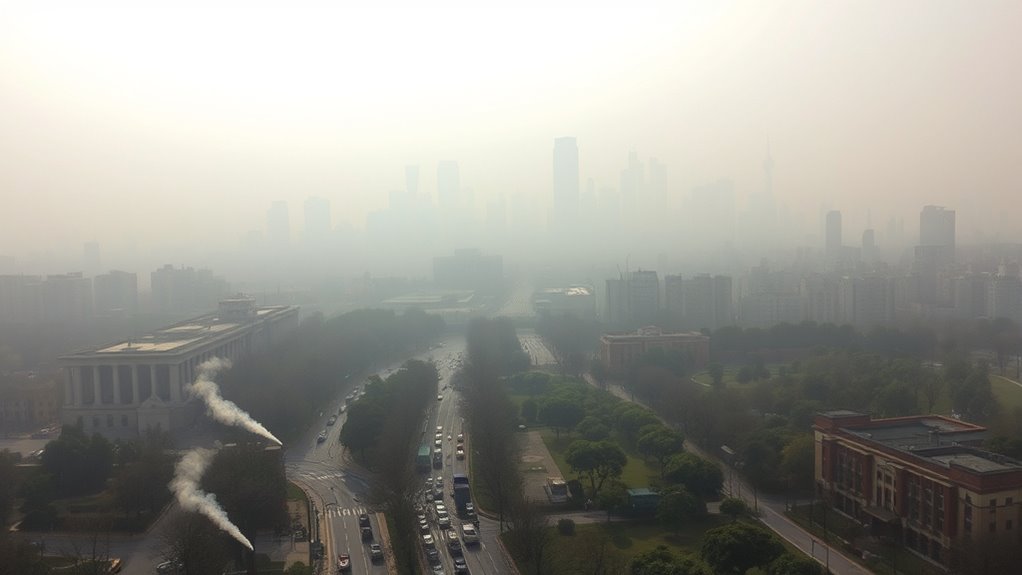

Air pollution can harm your health, causing issues like asthma, bronchitis, and even heart problems over time. It’s mainly caused by industrial emissions, vehicle exhaust, and urban smog, which can worsen conditions for vulnerable groups. Fortunately, many initiatives focus on reducing pollution through stricter regulations, promoting green spaces, and encouraging cleaner transportation. If you stay informed, you’ll discover more ways to help protect your health and contribute to cleaner air for everyone.

Get audio and creator gear delivered free with Prime
- Fast, free delivery on millions of items
- Prime Video, Amazon Music and more included
- Member-only deals all year
Key Takeaways
- Air pollution introduces harmful particles and gases, causing respiratory and cardiovascular health issues.
- Vulnerable groups like children and the elderly face higher health risks from polluted air.
- Monitoring air quality helps identify pollution levels and inform effective policy responses.
- Governments promote cleaner transportation, green spaces, and renewable energy to reduce emissions.
- Individual actions, such as reducing energy use and supporting environmental policies, help improve air quality.
Have you ever stopped to contemplate how air pollution affects your daily life? It’s more than just seeing smog hanging over city skylines; it’s about the invisible dangers that impact your health every day. One major contributor to poor air quality is industrial emissions. Factories and power plants release a vast array of pollutants, including sulfur dioxide, nitrogen oxides, and particulate matter. These emissions don’t stay confined to their sites—they drift into the air you breathe, contributing to urban smog and creating a hazardous environment. Urban smog, often a thick, hazy fog that blankets city streets, forms when pollutants from industrial emissions, vehicle exhaust, and other sources mix under certain weather conditions. It’s a visual reminder of how human activity fuels air pollution, especially in densely populated areas where industries and traffic are concentrated.
This pollution isn’t just a matter of discomfort or an unsightly skyline—it poses serious health risks. When you breathe in polluted air, tiny particles and harmful gases penetrate your respiratory system, leading to a range of health issues. Short-term effects include coughing, throat irritation, and shortness of breath, particularly for children, the elderly, and those with pre-existing conditions. Long-term exposure can cause chronic respiratory diseases like asthma, bronchitis, and even lung cancer. Air pollution also contributes to cardiovascular problems, raising your risk of heart attacks and strokes. It’s not just those with existing health issues who are affected; everyone’s health suffers from ongoing exposure to urban smog and industrial emissions. The fine particles can travel deep into your lungs and bloodstream, impairing your overall health and decreasing your quality of life. Additionally, air quality monitoring plays a crucial role in tracking pollution levels and guiding policy decisions to protect public health.
Recognizing these dangers has spurred various clean air initiatives aimed at reducing emissions and improving air quality. Many governments are implementing stricter regulations on industries, demanding cleaner technologies and better emission controls. Cities are promoting public transportation, cycling, and walking to cut down vehicle emissions, which are a significant source of urban smog. Additionally, efforts are underway to increase green spaces, which help absorb pollutants and produce cleaner air. Technological innovations, such as renewable energy sources and cleaner production methods, are also part of the broader strategy to tackle air pollution at its source. While these initiatives are essential, individual actions matter too—being mindful of energy consumption, supporting policies that reduce industrial emissions, and advocating for sustainable practices can all contribute to cleaner air. Ultimately, understanding how industrial emissions and urban smog impact health empowers you to participate in efforts that improve the quality of the air you breathe every day.
As an affiliate, we earn on qualifying purchases.
Frequently Asked Questions
How Does Air Pollution Affect Mental Health?
Poor air quality can negatively affect your mental well-being by increasing stress and anxiety levels. When you breathe in polluted air, it may cause inflammation in your brain, leading to cognitive issues and mood disturbances. You might also experience difficulty concentrating or feeling more fatigued. Protecting your mental health involves improving air quality around you and taking steps, like using air purifiers, to reduce exposure and support your mental well-being.
Are There Specific Populations More Vulnerable to Air Pollution?
You’re more vulnerable to air pollution if you belong to certain groups, like children, the elderly, or those with pre-existing health conditions. These populations have heightened susceptibility factors, making pollution’s effects hit harder—like sitting in the front seat of a rough ride. Vulnerable groups face greater risks because their immune systems or lungs are less resilient, so you should take extra precautions to protect yourself and your loved ones.
What Are the Long-Term Economic Impacts of Air Pollution?
You’ll notice that the long-term economic impacts of air pollution include increased healthcare costs and lost productivity. These economic costs strain public and private sectors, reducing overall growth. Effective policy strategies, like stricter emission standards and green technologies, can mitigate these impacts. By investing in cleaner air initiatives now, you help safeguard the economy, lower healthcare expenses, and ensure a healthier, more sustainable future for everyone.
How Does Indoor Air Quality Compare to Outdoor Pollution?
Indoor air quality is like a hidden garden, often more polluted than the outside air you breathe. You’re exposed to indoor sources like cooking fumes, smoking, and mold, which can trap toxins. With proper air filtration, you can clear out these pollutants and create a healthier environment. Think of air filtration as a gentle breeze that sweeps away indoor contaminants, making your home feel fresher and safer.
Can Urban Planning Reduce Air Pollution Effectively?
Yes, urban planning can effectively reduce air pollution by incorporating green space and transportation planning. When you increase green areas, they absorb pollutants and improve air quality. Promoting public transit, biking, and walking reduces vehicle emissions, which are major pollution sources. Thoughtful urban design encourages cleaner transportation choices, helping to lower pollution levels and create healthier environments for residents.
As an affiliate, we earn on qualifying purchases.
Conclusion
You now know how air pollution directly impacts your health, causing respiratory issues and other serious conditions. Did you know that over 7 million premature deaths worldwide each year are linked to air pollution? By supporting clean air initiatives, you can protect yourself and your community. Every small action counts—reducing emissions and advocating for cleaner air can make a real difference. Together, we can breathe easier and create a healthier future for everyone.
As an affiliate, we earn on qualifying purchases.
As an affiliate, we earn on qualifying purchases.
Fall Picks
fall essentials
As an affiliate, we earn on qualifying purchases.